

When people start looking for addiction treatment, they often compare large national rehab chains with smaller local or regional programs.
Both can deliver effective care, but the daily experience, program structure, communication, and follow-up support can differ quite a bit depending on which model you choose. Here’s all you need to know on Big National Rehab Chains vs Local Rehab
What Large National Rehab Chains Often Do Well

Understanding what national rehab chains bring to addiction treatment can help families and individuals make informed choices. These organizations leverage their size to create certain advantages that may be harder for smaller, local programs to match.
Broad Range of Care and Smooth Transitions
One of the biggest strengths of national rehab chains like Recovery Centers of America (RCA) and American Addiction Centers (AAC) is their ability to offer multiple levels of care within the same network.
This means a patient can start with medically supervised detox, continue to residential treatment, and then step down to outpatient care or get help with sober living, all within the same system.
Because these transitions happen internally, it often leads to less confusion for the person in treatment and their loved ones.
Strong Insurance and Administrative Support
National programs generally have established relationships with major insurance providers and dedicated staff to handle insurance verification, authorizations, and billing issues.
This can simplify the intake process and remove some of the administrative barriers to getting needed care. Families may also find it less stressful to navigate insurance paperwork with help from large, well-resourced offices.
Larger Staffing and Support Systems.

With a bigger workforce, national chains tend to employ a broad mix of clinicians, nurses, support staff, and case managers.
This often results in 24/7 coverage and a wide range of expertise under one roof. Patients may also have access to a greater variety of specialty providers.
Clinical Consistency and Standardization
Another benefit is clinical consistency. Treatment structure, rules, expectations, and daily schedules are often very similar from one facility to another within the same network.
Transfer from, for example, a residential program in one state to outpatient care in another can happen smoothly, with centralized records and protocols.
Expectations for behavior, therapy attendance, and progress milestones typically do not change with the facility, offering a sense of security and predictability.
National Alumni Networks and Peer Support
Many large providers cultivate national alumni programs or communities that help people stay connected after treatment. Common features of national alumni networks include:
- Recovery meetings and alumni gatherings hosted in multiple states and cities
- Flexible support options so participants can attend meetings or events when traveling or after moving to a new area
- Access to a broad, diverse peer network of people who have completed treatment at different locations but share similar experiences. Ongoing online recovery meetings, digital communities, and resources run by the organization to maintain engagement
For people who prefer flexibility and consistent support even as their circumstances change, national alumni programs can give them valuable ongoing support.
National rehab chains aren’t perfect for everyone, but they can be a great option for some. Understanding these strengths lets you better gauge whether a large-system approach fits your needs.
Where Large Rehab Chains Can Feel Frustrating
While large rehab chains offer consistency and resources, the experience can sometimes feel less personal due to their scale.
- Families sometimes find themselves repeating the same information to different departments, which can delay the start of care or cause frustration.
- Communication with loved ones in treatment may not always be as timely or direct, with family updates moving through formal channels instead of a familiar counselor.
- High staff turnover is sometimes common in large systems, and it can disrupt relationship-building and continuity of care.
- The daily experience may feel more operational, focused on scheduling and protocols, than relational, which some clients and families find makes it harder to feel truly seen and supported.
These issues don’t mean large chains offer poor care, but it’s important to be aware of how scale can sometimes create emotional distance or communication barriers.
What Smaller Local Rehab Programs Do Well

Smaller local rehab programs have some real strengths that come from being close to home and more community-based. For a lot of families, that personal connection and easy access can make recovery feel more supported and less isolated.
Easy Family Involvement
Local programs usually make it a lot easier for families to stay involved during treatment. Because everything is nearby, family members can actually show up more often for:
- Therapy sessions
- Education groups
- Family support meetings
They also get the chance to meet the staff and build real relationships with the treatment team, which helps everyone stay on the same page. And if something urgent comes up, being close means family can step in or respond much faster instead of being far away and disconnected.
Strong Connection to Local Providers and Community

Smaller programs are usually plugged into the local recovery community, which can be a big advantage. They often already know and work with:
- Local therapists and counselors
- Medical providers
- Sober living homes
Because of those relationships, staff can point people toward trusted support like nearby meetings, outpatient programs, or peer mentors they actually know and rely on.
They also help make transitions smoother, like moving from residential care into outpatient treatment or sober living, since everything is already set up within the same area.
And since the person stays in the same general place after treatment, there’s less of a “starting over from scratch” feeling when they leave.
Strong Alumni Accountability and Ongoing Support
Smaller, community-based programs often have tighter alumni networks that actually stick together after treatment.
People usually stay connected through:
- Local aftercare or alumni groups
- Recovery meetings in the same area
- Ongoing check-ins with staff or peers from the program
Because everyone is still living nearby, it’s pretty common for alumni to run into each other at meetings or recovery events. That kind of ongoing visibility can help people stay motivated and accountable without feeling forced.
More Personalized Communication and Relationship Building
In smaller programs, people usually aren’t treated like just another name on a list. Staff often have more time to actually get to know each person’s situation, including their background, family dynamics, and what brought them into treatment.
That can lead to:
- More direct, personal communication
- Stronger relationships with therapists and staff
- A feeling of being genuinely seen and understood
For a lot of people, that kind of environment makes it easier to open up and stay engaged in the recovery process.
Why Some People Choose Smaller or Mid-Sized Programs

Because of these relationship-driven benefits, some people are drawn to smaller or less well-known facilities instead of large national ones.
There are also mid-sized programs that try to blend both approaches. For example, organizations like Avenues Recovery operate across multiple states, offering more structured clinical systems while still focusing on community connection, family involvement, and relationship-based care.
These kinds of programs try to balance:
- The structure and resources of larger systems
- With the personal feel and connection of smaller local centers
Where Smaller Programs Can Struggle
Smaller local programs have undeniable strengths, but they also face practical limitations families should consider.
- With fewer resources, it can be difficult to provide a full continuum of care, particularly if a client’s needs change or intensify (such as needing detox or more intensive medical oversight).
- Access to psychiatric providers or specialized medical staff may be limited compared to larger organizations.
- Insurance acceptance can be narrower, with some programs not credentialed for a wide variety of plans, resulting in higher out-of-pocket costs for families.
- Alumni support networks, while personal, may be smaller and offer fewer connections for those who travel or relocate.
- When a client requires a higher level of care or a specific specialty, transitions can be harder to coordinate.
Local programs offer deep community and connection, but they can have their drawbacks.
What Hybrid Facilities Do Well
Hybrid programs sit between large national treatment chains and smaller local centers. For many families, they feel like a middle-ground option that offers more structure and resources than a small clinic, but still feels more personal than a big corporate system.
Combining Clinical Resources with Community-Based Care

Hybrid facilities usually offer a full range of care, including detox, residential treatment, and outpatient programs.
Because they are larger than local centers, they often have more specialized staff, more standardized clinical systems, and stronger access to medical and psychiatric support.
At the same time, they still tend to stay connected to local recovery resources. That can include relationships with therapists, sober living homes, and outpatient providers, which helps clients transition more smoothly after treatment.
And although the admissions center may be at a separate location, the admission staff maintains a much more personal connection with those in treatment. A great example is Avenues Recovery; their admissions team is passionate and dedicated to every client’s treatment and success. If a client considers leaving treatment early, their admissions staff is often the reason why they stay to complete it.
More Flexible Family Involvement and Support
Hybrid programs usually make family involvement easier without feeling too loose or too strict.
Families are often able to join therapy or educational sessions and stay updated on progress in a more structured way than at many large national chains.
At the same time, there is usually more flexibility than you would see in very rigid systems, which helps families stay involved in a way that feels realistic and consistent.
Staff also tend to have more time to understand each client’s situation and family dynamics, which helps create a more personal support system around recovery.
Regional Alumni Networks with Local Accountability
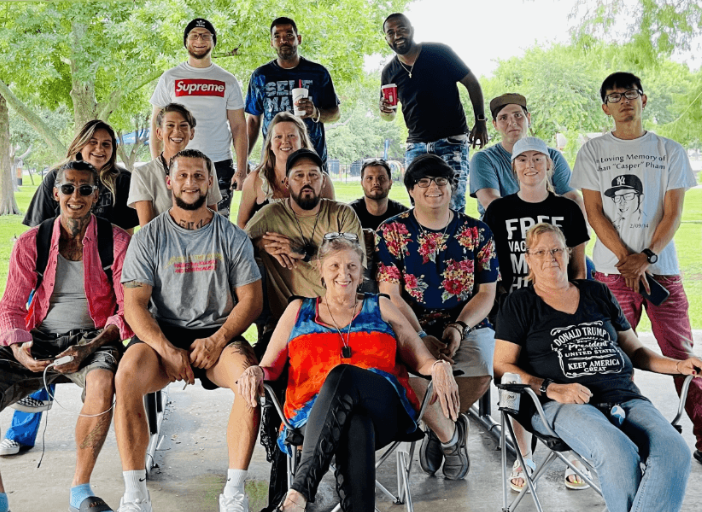
Instead of being limited to a small local group or a huge national network, hybrid programs usually land somewhere in the middle.
Clients often stay connected through regional alumni groups and local recovery meetings, which helps maintain accountability without losing that sense of community.
Because people often stay in the same general area, it is easier to keep those connections going in a natural way after treatment ends.
Insurance Help and Practical Guidance
Hybrid facilities are often stronger on the practical side of care, especially when it comes to insurance and financial planning.
They usually accept a wider range of insurance plans than smaller local programs and often have staff who help families understand coverage, costs, and payment options.
This added support can reduce stress for families who are trying to figure out how to manage treatment financially while also focusing on recovery.
Where Hybrid Programs Can Face Challenges
While hybrid programs strive to offer the best of both worlds, they are not without obstacles.
- Operating multiple locations while maintaining personalized care can present consistency challenges; some sites may deliver a warmer, more local feel than others.
- As hybrid organizations expand, they may go through growing pains that result in variable client experiences across locations.
Ultimately, while hybrids aim for balance, families should still ask detailed questions and consider each facility on its own merits, not just assume all facilities offer the same quality of care.
What Matters Most When Comparing Treatment Centers

Choosing a treatment facility during a difficult time is never easy, and there is no single right answer that works for everyone. National chains, smaller local programs, and hybrid facilities all come with their own strengths and limitations, and each one may be the right fit depending on the situation.
What matters most is how well it matches the needs of the person going into treatment and their family. Things like how communication works, how involved family can be, what level of structure is in place, and how support continues after treatment often matter more than the label on the program.
Related Posts:






Rachael Goldstein is a licensed attorney who spent six years as a public defender in Philadelphia, handling a wide range of cases. That work gave her a close, firsthand look at how addiction and mental health affect people’s lives, and it’s shaped her writing ever since. Her writing focuses on mental health and wellbeing, drawing on both her legal background and hands-on experience in the field. She knows how high the stakes are when someone is searching for help, so she digs into the research and lays out the facts in a way that’s clear, honest, and easy to act on.
When she’s not writing, Rachael spends her free time traveling, hiking, and exploring new places.