

If you’re looking for a treatment center for yourself or a loved one, it’s normal to feel overwhelmed. When you need to find a reputable place that also accepts Medicaid, this can make the process even more frustrating and difficult. A lot of people assume that finding a treatment center that accepts their Medicaid coverage will be fairly simple, but it can actually become more complicated than you’d expect.
The unfortunate reality is that not every treatment center accepts Medicaid, and even those that do sometimes have separate treatment tracks for self-pay and private insurance versus those with Medicaid. Still, treatment options absolutely do exist; it just takes some time and effort to figure out where to look and how to get the help you and your family deserve.
Does Medicaid Cover Addiction Treatment?

In most cases, Medicaid does cover many forms of addiction and substance use disorder treatment. Covered services usually include a range of care levels, such as:
- Detox services
- Inpatient rehab, also known as residential treatment
- Partial hospitalization programs (PHP)
- Intensive outpatient programs (IOP)
- Standard outpatient treatment
- Medication-assisted treatment (MAT) for opioid or alcohol use disorder
- Related mental health services, such as counseling or behavioral therapy
Coverage can give many people access to essential treatment they would not otherwise be able to afford, improving the chance of lasting sobriety and long-term well-being.
Coverage Can Look Different from One Person to Another
Many people assume that because they have Medicaid, addiction treatment will be covered, and it will be the same coverage as anyone else who has Medicaid. This generally isn’t the case. Different managed care plans may offer different provider networks, meaning not every facility that accepts Medicaid is available to everyone who has Medicaid.
Why Finding a Rehab That Takes Medicaid Can Be Difficult
Even though Medicaid should provide coverage for many types of addiction and mental health treatment, actually finding a treatment center that accepts Medicaid is not always simple. Here’s why:
Google Searches Can Be Confusing
If you search “rehabs that accept Medicaid,” the results often lead to confusion. Some programs may show up, but their sites are unclear about actual insurance acceptance, and they might not actually accept Medicaid. Facilities sometimes look promising online, but in practice, they accept only commercial or private insurance plans. Insurance information on websites may be outdated, incomplete, or just show up because they target the keywords you’ve searched for.
Not Every National Rehab Chain Accepts Medicaid
It’s a common misconception that larger, reputable treatment networks automatically accept every insurance. In reality, some well-known brands are only self-pay or accept only national and local insurers, not Medicaid or other state-funded assistance programs.
For example, Recovery Centers of America appears prominently in Google searches for “rehabs that take Medicaid,” even though they generally don’t accept Medicaid, or accept it only at one or two facilities. Similarly, some national treatment networks, like American Addiction Centers, state that they do not accept Medicaid or state-funded insurance plans at most facilities.
This is why it is so important to verify coverage directly with a treatment center rather than relying solely on search results or assumptions based on a company’s size or reputation.
Specific Steps To Take If You’re Looking For a Treatment Facility That Accepts Your Medicaid Plan
Finding an addiction treatment program that will accept your Medicaid plan takes some effort and targeted questions, but working through these steps can increase your chances of finding affordable, quality care as quickly as possible.
1. Identify and Understand Your Medicaid Plan Details
Before calling any treatment providers, take time to thoroughly review and understand your Medicaid insurance. This includes knowing whether you’re enrolled directly through your state Medicaid program or through a managed care organization, many of which manage benefits on the state’s behalf.
Have your plan name, group number, and member or Medicaid ID number at hand. Understanding exactly which coverage you have makes it far easier for others to check your eligibility and speeds up the insurance verification process later.
2. Reach Out to Your Insurance Company for Personalized Guidance
Call the member service line listed on your insurance card. Insurance customer service representatives can walk you through in-network treatment center options in your area, answer basic coverage and authorization questions, and alert you to any steps or forms required for coverage approval.
They may be able to confirm which specific facilities have contracted agreements with your plan, saving you hours (or even days) in your search. Be clear about the type of care you’re seeking since insurance may cover some services but not all.
3. Assemble a List of Possible Treatment Facilities Based on Directories and Trusted Referrals
Rather than start with a random internet search, gather names from credible sources, like provider directories on your Medicaid plan’s website or referrals from your primary care physician or trusted friends and family members who have experience with Medicaid-covered treatment. You can supplement this with a Google search also, but don’t make that your only resource.

4. Call Each Facility and Ask Thorough, Targeted Questions About Medicaid Acceptance
Calling a facility directly is absolutely essential. During the first phone call, ask if they are currently accepting new patients with your precise Medicaid plan, and whether they have worked with this plan recently. Clarify if the program provides every level of service needed for recovery, including detox/withdrawal management, residential rehab, and outpatient care for support after discharge.
Make sure to ask about co-occurring mental health services if you or your loved one is dealing with a mental health condition as well as substance use.
5. Specific Questions To Ask When You Call Facilities
When you begin calling treatment centers, the answers you receive can shape your whole recovery journey. Asking focused questions up front saves time, helps you avoid unwanted surprises, and increases your chance of getting into the right program efficiently.
- Do you accept my exact Medicaid plan? Not all Medicaid plans are the same, even within one state. A facility may only be in-network for certain managed care plans. Discovering this immediately prevents wasted effort.
- Are detox services covered? Some centers can only accept your insurance for outpatient or partial hospitalization programs, not for detox, so it’s important to confirm whether medically supervised detoxification is included.
- Is residential treatment covered? Verify if your Medicaid plan includes inpatient or residential care rather than just outpatient services. Knowing this can help you decide whether to keep considering that facility or move on.
- Do you offer dual diagnosis treatment? If you have mental health needs alongside substance use, you will want to be sure the staff is qualified and licensed to manage both conditions together for lasting success.
- Is prior authorization required? Many Medicaid plans require official approval from your insurer before admission. Facilities familiar with these requirements can help speed up the approval.
- Is there a waitlist? Demand for Medicaid facilities can create long waitlists. Asking ahead helps set realistic timelines for admission so you can make other arrangements if needed.
- Will you verify benefits for me? Good facilities typically help by contacting your insurance company directly to confirm not just overall acceptance, but specific authorizations, coverage, and any possible patient costs.
These questions clarify exactly what the treatment center offers and what you can expect moving forward.
What If a Rehab Only Accepts Commercial Insurance?
If a treatment center tells you they don’t accept Medicaid and only work with commercial (private) insurance plans, don’t get discouraged. This scenario is unfortunately common, but there are still many ways to access care.

Don’t Stop Looking
If a facility won’t work with your Medicaid plan, ask if they can refer you to providers who do. Many using Medicaid for substance use treatment find new places with just a few phone calls and referrals.
You can also contact your state Medicaid office directly to ask for covered facilities. If you’re open to traveling for treatment, it may also help to look for options in nearby cities or even other regions of your state. Expanding your search even a little can open up more doors.
It’s Normal to Reach Out to Multiple Programs
It’s very common for people to speak with several treatment centers before finding one that accepts their specific Medicaid plan and has an available spot. Every phone call moves you closer to a solution, and persistence often pays off.
Finding Medicaid-covered addiction treatment may take a lot of effort, but with patience and support, most people are able to locate programs that accept their insurance and start the road to recovery. Don’t give up.
Understanding Waitlists When Seeking Treatment
Just because a facility accepts Medicaid doesn’t mean you or your loved one can start treatment right away. Many programs have a limited number of beds reserved for Medicaid patients, and additional steps, such as pre-assessments or insurance approvals (called prior authorizations), are often required before admission.
Waiting for treatment after someone has made the difficult decision to seek help can feel excruciating, so it’s important to set the most realistic expectations possible from the very start.
Always ask specific questions about the waitlist – for example, the typical waiting time for a detox bed, how quickly residential care could begin afterward, and whether outpatient treatment could start while waiting for a spot in a more intensive program. While coverage status is vital, the actual timing for admission may be just as important.
Have a Backup Plan
Since availability can fluctuate (and the next bed could go sooner than expected), it’s smart to contact several facilities at once rather than putting your hopes in one facility. Continue looking for and confirming options for yourself or your loved one.
Coverage Matters, But So Does the Quality of Treatment
While it’s essential that a rehab accepts your insurance plan, it’s equally important to consider the quality and ongoing support that a treatment program provides. The right facility not only helps you get started with recovery, but also increases your chances of long-term success and improved mental health. Here’s what you need to consider:
Look for a Full Continuum of Care
The most effective treatment centers offer a progression of care options. This means programs that provide detox, residential (inpatient) services, and outpatient choices, including partial hospitalization (PHP), intensive outpatient (IOP), and standard outpatient care.
Being able to move between levels as you progress can make it easier to get the help you really need. Transitioning from more intensive to less restrictive levels of care is often a key part of maintaining lasting recovery.
Make Sure Mental Health Treatment Is Available, If Necessary
Many people seeking addiction treatment are dealing with additional concerns, such as depression, anxiety, post-traumatic stress disorder (PTSD), or bipolar disorder. It’s critical to find a facility that includes dual diagnosis services, which address addiction alongside other mental health conditions. Treatment programs equipped to treat both provide more comprehensive support, as these issues often feed into each other and need integrated solutions.
Consider the Size and Resources of the Treatment Network
There can be real advantages to a facility that’s part of a larger, established network. These providers often have more available resources, multiple levels of care, and the capacity for smoother transfers between different program sites if your needs change or a location doesn’t work.
Flexibility in geography enables continuity of care if your circumstances change. Credentials and accreditation are also strong indicators of a facility’s reliability and professionalism.
Ask What Happens After Rehab
Completing detox or residential treatment is often only the beginning of recovery. Before choosing a facility, ask what happens after a patient leaves inpatient care. Does the program offer outpatient treatment, relapse prevention planning, recovery support services, medication-assisted treatment, or ongoing counseling? Facilities that can clearly explain the next steps may be better positioned to support long-term recovery.
Avenues Recovery is one example of a treatment network with these benefits. Some treatment providers focus primarily on self-pay or commercial insurance patients. Avenues operates a non-luxury treatment model that works with both private insurance and Medicaid, helping expand access to care for a broader range of patients.
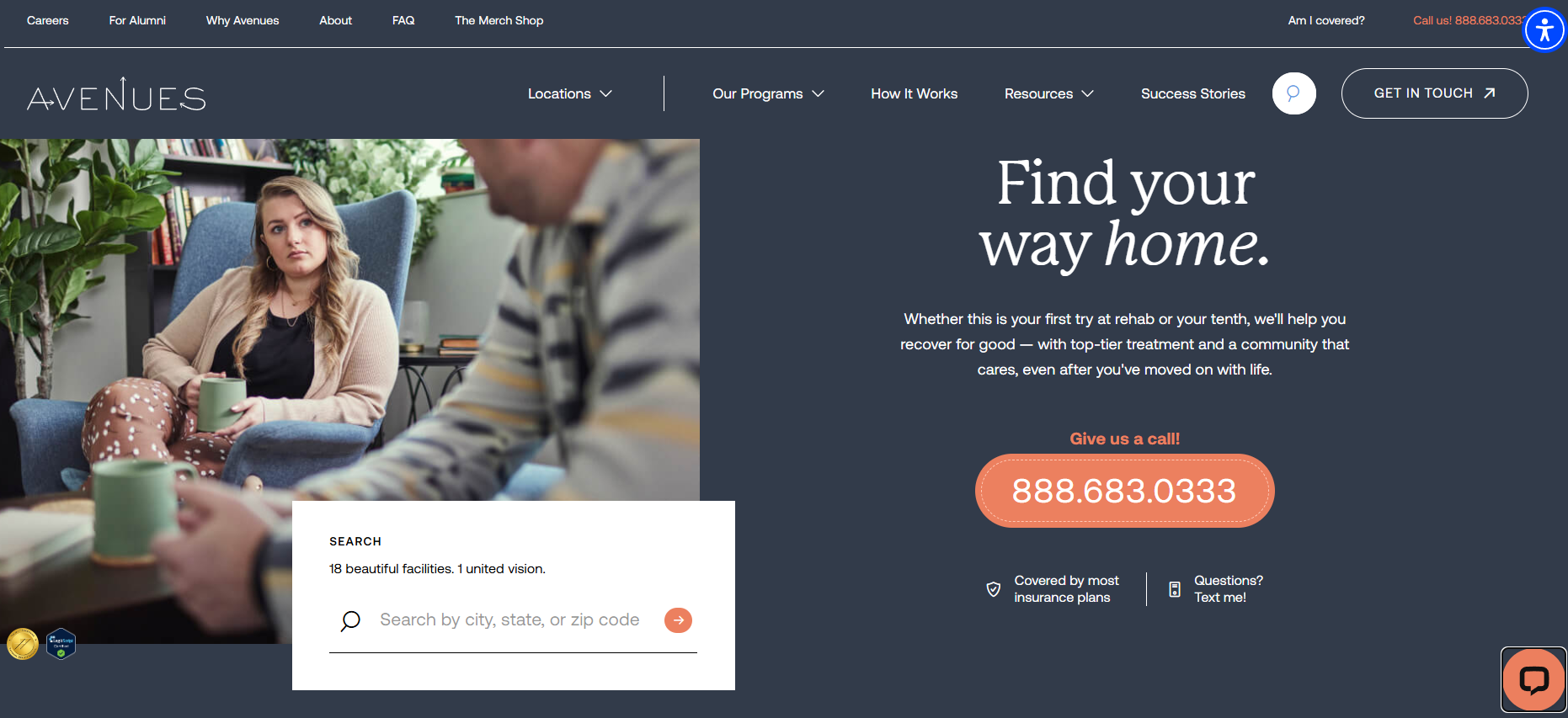
They operate 18 addiction treatment facilities across states such as Colorado, Indiana, Louisiana, Maryland, New Hampshire, Pennsylvania, and Virginia. Most locations accept Medicaid, though it’s important to call the specific location and confirm which plans they currently accept and whether they have space available.
They offer the complete spectrum of addiction and mental health care, and the admissions team can help patients by verifying insurance details and helping them get started with treatment.
Don’t Let Confusion Over Insurance Plans Stop You From Seeking Help
Don’t let questions about insurance or the complexity of finding treatment keep you or your loved one from getting the help you deserve. Navigating recovery can feel overwhelming, especially when coverage is complicated and the options aren’t always clear, but you aren’t alone in this process.
There is a path forward, and with persistence and the right support, you can find a program that works for your needs and your insurance. Whether you’re just starting to explore your options or feel frustrated by roadblocks, remember that reaching out for help is a courageous first step.
Related Posts:






Rachael Goldstein is a licensed attorney who spent six years as a public defender in Philadelphia, handling a wide range of cases. That work gave her a close, firsthand look at how addiction and mental health affect people’s lives, and it’s shaped her writing ever since. Her writing focuses on mental health and wellbeing, drawing on both her legal background and hands-on experience in the field. She knows how high the stakes are when someone is searching for help, so she digs into the research and lays out the facts in a way that’s clear, honest, and easy to act on.
When she’s not writing, Rachael spends her free time traveling, hiking, and exploring new places.