When I started looking for personalized health optimization services that included biomarker testing and lifestyle support to try and counter the constant aches and creaks I started experiencing with age, two options kept coming up: Lifeforce and FitScript.
With a bit more research, I realized the two have similar programs, and that choosing between FitScript vs Lifeforce really came down to personal preferences like testing frequency, coaching model, and biomarker volume.
Bottom Line Up Front:
The main difference between FitScript and Lifeforce is how each combines data with ongoing support. FitScript gives more of a precision fitness program, built around a specific Focus whereas LifeForce is a continuous, longevity system built around continual blood work, clinical monitoring, coaching, and lifestyle changes.

Lifeforce delivers a continuous longevity setup, with a care model that includes at-home blood draws, a comprehensive app and unlimited coaching.
FitScript centers its value on the initial 124+ biomarker raw data dump you get and the weekly coaching that continues thereafter.
At a Glance: FitScript Program vs. Lifeforce Membership
The table below looks at some of the key differences between these options side-by-side:
| Feature | FitScript Program | Lifeforce Membership |
| Number of Biomarkers | 124 | 50 (plus add-on options) |
| Testing Frequency | Front-loaded at once | Quarterly biomarker testing is included in select memberships |
| Blood Collection | Done at a lab | Done at home at no extra cost |
| Physician Consults | Dual virtual consultation (Functional MD + Hormone Specialist) | 45-minute deep-dive consult with a Lifeforce longevity clinician every 3 months after your blood draws |
| Coaching Model | Biweekly 1-on-1 accountability, fitness, and nutrition coaching | Unlimited, continuous health coaching mapped to clinical data |
| Treatment Scope | Customized protocols, weight loss programs, and prescriptions | Access to supplements, peptides, and prescription therapies when clinically appropriate |
| Pricing Structure | Programs built around package costs (e.g., Weight Loss focus | $349 initial diagnostic followed by a $129–$149/month membership |
Fitscript vs. Lifeforce Side-by-Side
Let’s take a look at how the two compare side-by-side.
Program Structure & Philosophy
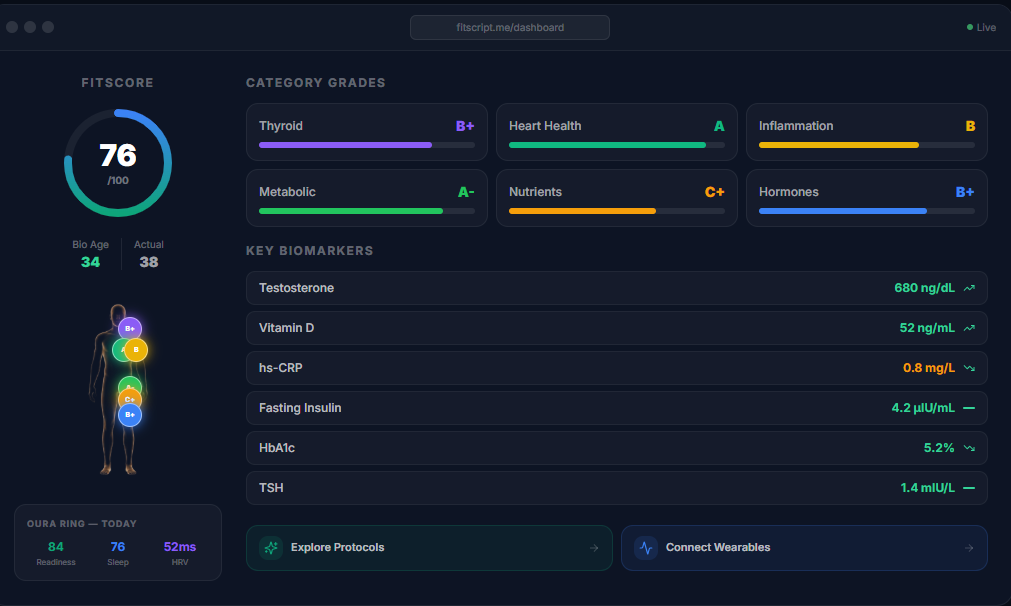
FitScript focuses on data as the foundation for change. They pull all that raw data from your biomarkers into a proprietary “FiTScore” platform, which gets combined with any biometric input from devices you purchase on your own (like Oura and Whoop). Then, you get biweekly 1-on-1 coaching to encourage your lifestyle changes and accountability.
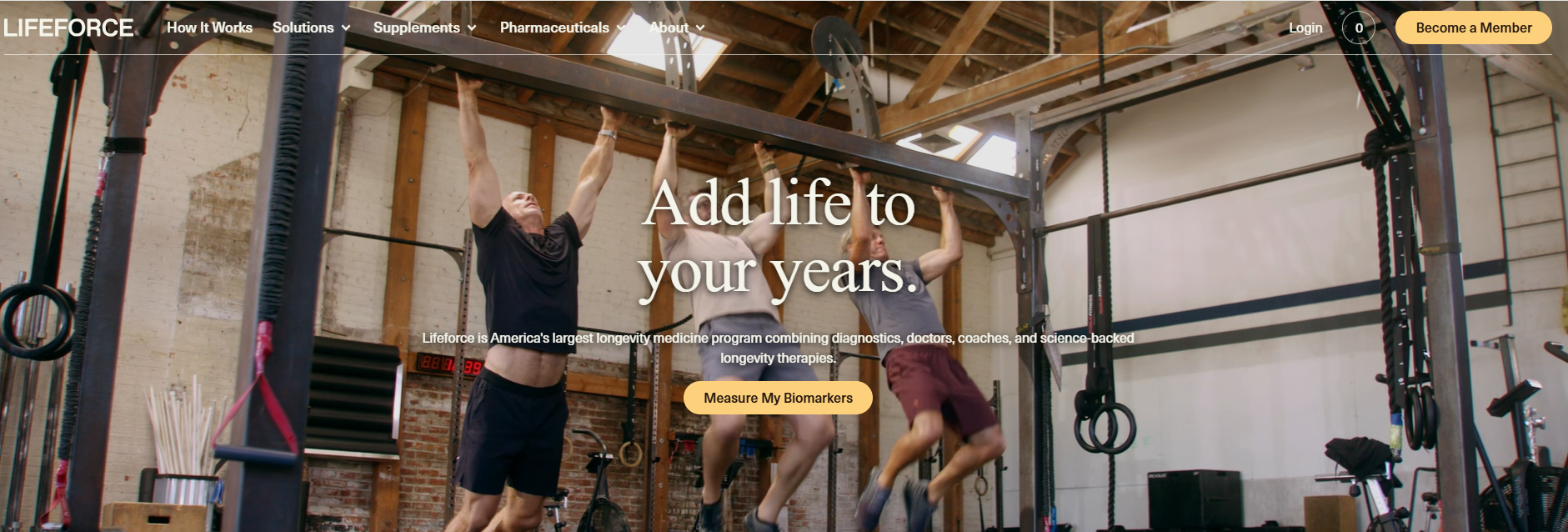
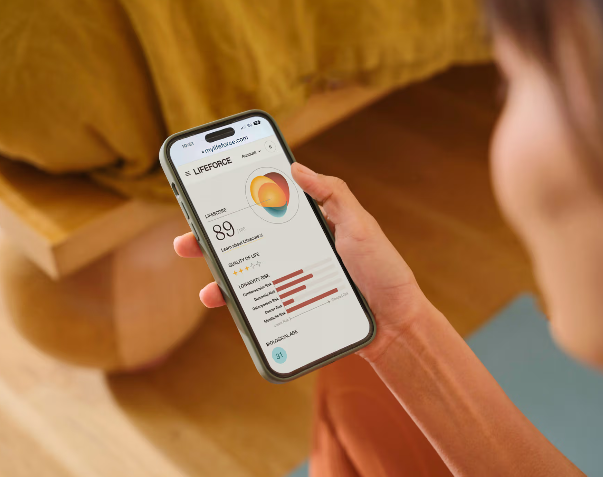
Lifeforce treats data as something that evolves and should be continually monitored as the changes to that data directly correlate to successful or unsuccessful changes in an individual’s lifestyle. All of that ongoing monitoring is fed into the app where you get your “Lifescore.” This score is continually adjusted based on updated blood draw/biomarker data.
Who Should Choose FitScript:
Their program model is better for people who have a fixed focus, clients who want a goal-oriented program like women’s health or weight loss but without an overarching longevity perspective.
Who Should Choose Lifeforce:
Their program is better for people who are looking for continual support, long-term optimization, and a monthly membership that equates to lifestyle tracking and adjustments in real time.
Lifespan Focus
Many longevity-focused programs emphasize proactive testing to identify areas where lifestyle changes or medical interventions may help improve health markers.
Here, FitScript gives a pretty extensive biological view with over 124 markers that a lot of basic biometric tests leave out including pTau-217 (a biomarker being studied for its association with Alzheimer’s disease pathology), advanced ApoE genetic sequencing, heavy metal toxicity profiles, and deep metabolic biomarkers like Glycomark.
Now, Lifeforce might not offer as many biomarkers as part of their initial scan, and you have to pay out of pocket if you want to use the add-on options, but they test quarterly which means the testing panel might not have the same broad spectrum diagnostic scope but it will have continuous trend tracking. If you are taking advantage of the other aspects the membership offers like prescriptions for hormone balance or weight loss, or supplements from their store, this can help members and clinicians track changes over time and make informed adjustments.
Who Should Choose FitScript:
People who want the biggest dataset right out the gate.
Who Should Choose Lifeforce:
People who want a long term review of their health.
Biomarker Depth & Testing Workflow
FitScript has an advantage here because it provides a larger initial biomarker panel. Your tests include a 124+ marker panel that maps some obscure biological results. Then you get an 80-page report to go with it.
Now, where they fall short is the testing itself; you have to get an external blood draw usually from Quest Labs or Function Health Labs depending on what’s in your area.
FitScript focuses on the initial support structure when it comes to their data, not on the ongoing support structure. To be clear, they market the service and programs they offer as an ongoing system because you have the bi-weekly meetings to hold you accountable, but those clinical meetings don’t include ongoing biomarker panels.
Lifeforce focuses its 50+ core panel, leveraging important biomarkers that drive things like body composition, energy, and cellular health. They focus more on overall longevity and also offer Advanced clinical panels like cardiovascular AI imaging, heavy metal screening, or brain health screening if you have specific concerns.
They also offer at-home blood collection, which helps reduce the logistical burden of scheduling recurring tests.
Who Should Choose FitScript:
People who want the highest number of biomarkers and don’t want to get continual monitoring for those biomarkers.
Who Should Choose Lifeforce:
People who are more focused on core biomarkers that have to do with longevity and want that data regularly reviewed and updated.
Physician Involvement & Clinical Oversight

FitScript leverages a tag-team diagnostic system. You meet with two distinct clinicians to comprehensively review your initial results. In effect, this gives you multi-disciplinary insight right out of the gate which can be hard to come by if you route through your primary care physician.
FitScript provides users with a biweekly schedule for its 1-on-1 coaching program. This can be good for clients who want regular time on a set schedule, so they can put it in their calendar and kind of add that coaching session as part of their routine but it limits those same clients in terms of extra service or support outside of those coaching sessions.
Lifeforce structures its membership around ongoing health coaching support. This means you pay for a dedicated coach who acts as a continuous bridge between any physician’s clinical goals and daily lifestyle habits. You get the support you need and want, on a schedule you prefer, not a metered weekly basis.
Lifeforce is there to be a long term system, where you meet 1-on-1 with a dedicated longevity clinician for an uninterrupted 45 minutes every single quarter. That clinician is there to actively review your quarterly results and help you make gains across the key areas for which they test.
Who Should Choose FitScript:
This is better for people who want front-loaded consultations with multiple specialists.
Who Should Choose Lifeforce:
This is better for people who want continuous support from a longevity physician that takes place every 3 to 6 months.
Treatment Scope & Medication Access
FitScript rides the median between lifestyle design and medical support. The company focuses more on performance, weight management, and custom supplement stacking as part of a daily routine.
Lifeforce, by comparison, is a membership-based longevity program that combines biomarker testing, clinician guidance, coaching, and access to treatments when appropriate. Basically, if the results from your blood drawn show room for improvement, the physician may recommend prescription therapies, supplements, or other interventions as part of a personalized health plan.
Clients who are looking for hormone optimization will find that Lifeforce has the advantage because they streamline Testosterone Replacement Therapy (TRT) or bioidentical HRT into existing programs and fluctuations with the quarterly blood draws. FitScript doesn’t have the integrated medication set of Lifeforce so you have to manage prescriptions on your own through an external pharmacy.
Similarly if your focus is weight loss, FitScript structures things like GLP-1 support with strict 1-on-1 fitness coaching, customized nutrition programming, and lifting accountability. Lifeforce provides clinical access to weight loss medications like Semaglutide, as well as body-composition-preserving peptides like Sermorelin. Their coaching though is more self-directed for weight loss.
Who Should Choose FitScript:
This is best for clients who want to pay only for an exclusive package that includes medication, things like a weight loss package that includes glp-1 medication.
Who Should Choose Lifeforce:
This it’s better for clients who want to pay an initial diagnostic fee and an ongoing membership fee that gives the option of medication or supplements where necessary for multiple areas of overall well-being and Longevity instead of just one focus.
Lifestyle Support

Lifeforce has, in my experience, been both less hands-on but at the same time, more accessible than FS for lifestyle support. I have a pretty busy schedule, and I do better with accountability and support from my data tracking and my coaching support.
Lifeforce has, in that regard, not only offered regular coaching, but a well-designed app that gives me personalized suggestions and updates for lifestyle changes I can make or continue to make based on all subsequent data from my ongoing tests. The company effectively builds long-term results that are grounded in lifestyle changes, in some cases aided by supplements or prescription medications depending on goals like weight loss, hormone optimization, or general fitness.
Who Should Choose FitScript:
Clients who want precise exercise and macro prescription options with the chance to sync data from their existing wearables should consider this program. It’s also best for people who specifically want to focus on weight loss and hormone balance but nothing else.
Who Should Choose Lifeforce:
Lifeforce is better for those who want a full, seamless setup that includes coaching, regular blood draws and physician meetings, longevity-focused peptide therapies, customized nutraceuticals, and metabolic pharmaceuticals.
Final Thoughts

At the end of the day, both platforms take different approaches after initial results are provided. FitScript places more emphasis on a comprehensive upfront assessment and goal-specific coaching, while Lifeforce is built around ongoing monitoring, personalized recommendations, and regular plan adjustments over time.
Overall, if you want an initial lab test that covers just about everything one could think of, then choose FitScript.
If, instead, you want a long-term support system that includes at-home diagnostics, ongoing longevity-focused biomarker monitoring, clinician guidance, and continued health coaching, Lifeforce is likely the better fit.