
I first heard the phrase “biological age” while scrolling Instagram. The post made it sound as though everyone had a second age based on health, activity, and how well the body was holding up, rather than the date on their birth certificate. After years of chronic migraines, I understood the appeal of turning something vague into information I could actually examine.
So I tried one of the free ‘How To Find Your Biological Age’ online quizzes. It asked about exercise, energy, and sleep, then confidently assigned me an age after maybe ten questions. I cannot remember the number, which says enough about how seriously I took it. Without bloodwork, physical testing, or any real explanation, the result felt more entertaining than useful.
Real biological-age testing has more behind it, although there is still no single test that reveals the ‘official’ age of your whole body. Different methods look at different pieces of aging, and they can disagree without either result being an outright error. Before I cared whether a result said younger or older, I wanted to know what the test had truly measured.
Start With The Type Of Test, Not The Age It Promises

Biological age is an estimate made by comparing your measurements with patterns found in a reference population. A blood-based calculator may use glucose, inflammation, kidney function, and blood-cell measurements. An epigenetic test studies chemical changes associated with gene regulation. Other services use telomere length, physical performance, wearable data, or their own mix of markers.
Those are different questions squeezed into the same age format. One score may reflect how closely your bloodwork resembles patterns linked with aging and mortality risk, while another estimates the pace of certain molecular changes. Because the models rely on different inputs and formulas, their scores are not interchangeable.
Skip any test that will not name its method or explain its inputs beyond “advanced technology.” A proprietary calculation is not necessarily useless, but it is harder to compare with published models. Check whether the result is an age, age-acceleration score, or pace-of-aging measure, since those terms are easy to blur together.
Blood-Based Biological Age Is The Place I Would Begin

The blood-based route feels the least mysterious because the individual measurements are visible. One well-known model is Phenotypic Age, usually shortened to PhenoAge. Researchers developed it using chronological age and nine clinical biomarkers selected from a larger group: albumin, creatinine, glucose, C-reactive protein, lymphocyte percentage, mean cell volume, red cell distribution width, alkaline phosphatase, and white blood cell count. The model was trained and validated using population data and was designed to capture differences connected with morbidity and mortality risk.
You can enter the required lab values into a PhenoAge calculator and get a number in years. A result above your chronological age means the combination of markers looks more like the older pattern in that model. It is not a countdown clock, and it cannot assign a reliable age to every organ. The useful part is being able to go back through the inputs and see where the calculation may have been pulled up or down.
That part is especially important to me because I have had plenty of normal bloodwork while feeling anything but normal. During the years when migraines and chronic symptoms were taking over my life, the usual panels often gave me no explanation. I knew how long it took me to get moving in the morning and how much of the day could disappear behind brain fog, even when the report did not show a dramatic abnormality. I still want objective numbers. I just do not assume a green result on a portal has settled the entire conversation.
Preparation can change the inputs. Food and fasting affect glucose, while white blood cell count and C-reactive protein may shift with illness or inflammation. Follow the draw instructions and avoid treating the morning after no sleep, a hard workout, or the beginning of a cold as your grand statement on aging.
People who already have recent, complete lab work can try a research-based calculator before paying for another panel. Make sure it asks for all nine PhenoAge biomarkers and check the units carefully. I would type the values in one by one instead of uploading an entire report to an unfamiliar website. I have searched individual lab numbers online before and gone from “slightly outside the range” to “apparently dying by Tuesday” in about fifteen minutes. Finding the calculator is simple enough; sorting out what the result means in the context of your actual health is where it gets complicated.
DNA Methylation Tests Are Interesting, Though Often Less Clear

Epigenetic tests look at DNA methylation, chemical tags associated with how genes are regulated. Certain methylation patterns change with age, and researchers have used them to build several clocks. Early clocks were often trained to predict chronological age. Later versions were designed around health outcomes or the rate of aging, which is part of why two reports can produce very different answers.
DunedinPACE is one of the better-known pace measures. Its developers used repeated data from several organ systems in the long-running Dunedin Study to create a blood DNA-methylation test estimating how quickly someone is aging. Published validation found high test-retest reliability and associations with morbidity, disability, and mortality, so it functions more like a speed reading than an age.
That kind of additional information is what could make an epigenetic test worth several hundred dollars to me. After years of chronic illness and routine testing that did not always explain how I felt, I am open to looking at another layer of data. Sending in a sample would be easy enough. I would be much more concerned about paying for a report that gave me an impressive-looking number without enough context to understand it.
For that price, the company should name the clock, explain the score, and tell me how much normal variation to expect. A dramatic age followed by broad advice about sleep and vegetables would annoy me. If you plan to retest, use the same laboratory and clock. Switching methods can create a change that came from the math, sample type, or reference data rather than your body.
Telomere testing is lower on my list. Telomeres protect the ends of chromosomes and generally shorten across the lifespan, yet their length varies among people and testing methods. Research reviews have found that telomere length alone gives only a rough estimate of aging rate and has limited value as an individual clinical risk marker.
Include telomere length in a broad research panel, fine. Sell it as proof that I have reversed aging, and I am out. Longevity marketing gets less believable once celebrities and fountain-of-youth language arrive, because the excitement usually grows faster than the explanation of what was tested.
Keep An Eye On Physical Function Too

Walking speed, grip strength, balance, and the ability to stand from a chair are common measures of physical function in aging research. Studies in older adults have linked poorer performance in these areas with higher mortality risk, and research at midlife has also connected slower walking speed with weaker grip, more difficulty rising from a chair, and other signs of poorer physical and brain health.
I notice changes at the computer before I notice them during a workout. If I sit too long, standing up takes a few more sound effects than it used to. On other days, walking the dog loosens everything up within a few minutes. How quickly the morning fog lifts and how often I need to move give me a rough sense of how I am doing.
They are rough measures, though. Bad sleep, stress, weather changes, soreness, and an approaching migraine can make one day feel much worse than the next. That is why a simple test you can repeat under similar conditions, such as timing how long it takes to stand from a chair or measuring your usual walking pace, tells you more than judging your health from one unusually difficult day. Physical function belongs beside the lab data, especially when your goal is to feel and move better.
How I Would Read A Result
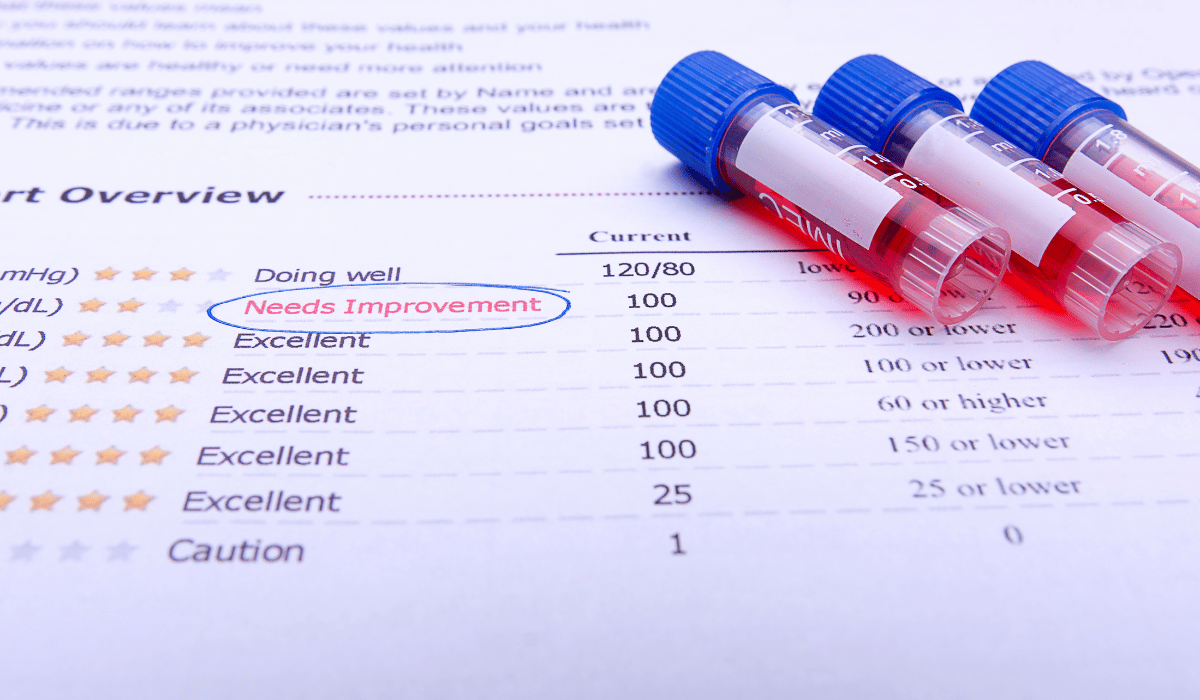
Suppose you are 45 and a report says your biological age is 52. Look at the method before reacting to the seven-year gap. With a blood model, find the markers that pushed the result upward and compare them with prior labs. With an epigenetic test, check whether the result is an age estimate or a pace measure and read the company’s information on expected variability. If the report will not show enough detail to do either, it has given you a headline instead of much usable information.
An older result would probably motivate me, provided there was something underneath it to work with or discuss. I put real effort into my health, but effort does not guarantee that I have noticed every gap. I could be active and still have a marker moving in the wrong direction, or receive an older score because I tested while I was unknowingly coming down with a cold.
A younger score also needs some perspective. It does not erase symptoms, family history, blood pressure, or recommended screenings, and it cannot promise extra years. Any clearly abnormal result or ongoing health concern still belongs with your regular medical provider. A biological-age report may give that conversation another piece of context, but it should not become the only health information anyone pays attention to.
Do not retest immediately because you disliked the answer. Give meaningful changes time to show up, then repeat the same test under similar conditions. One isolated age is mostly just a snapshot.
Choose A Provider That Helps You Use The Results
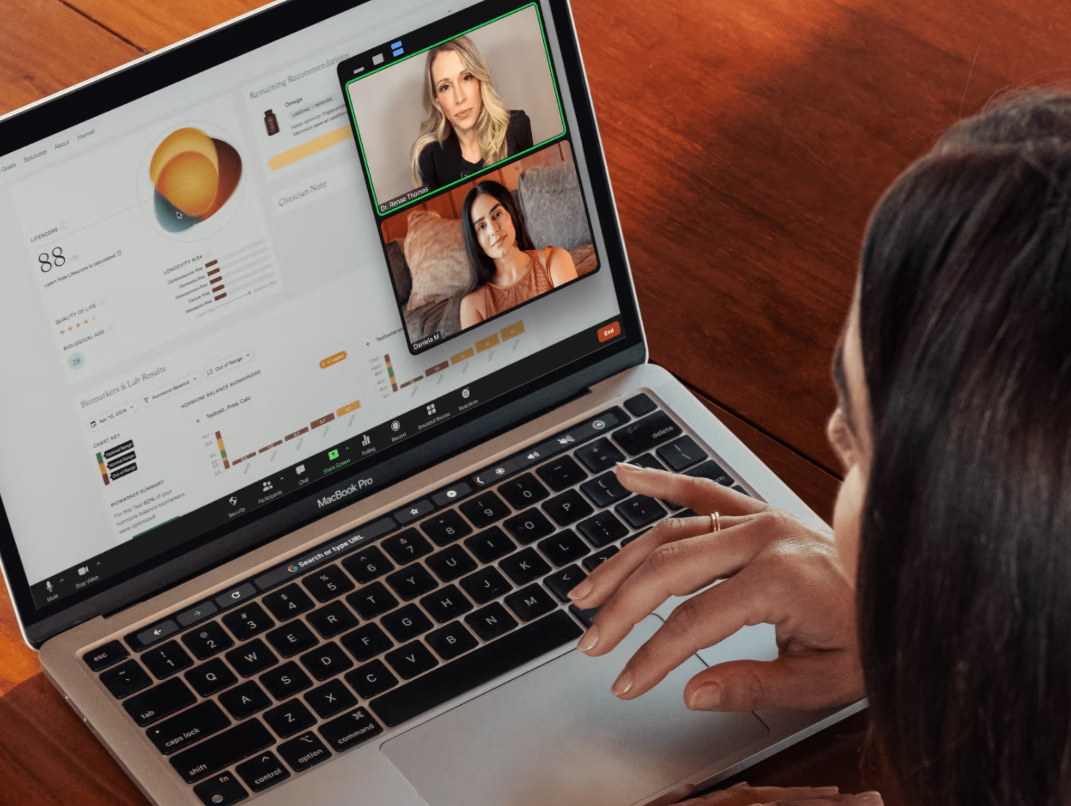
The part I would pay more for is having someone help me understand the results. I have spent enough time looking up individual lab values and finding five different explanations for the same number. A dashboard full of data would be interesting, but I would still want to know which results were worth paying attention to and which ones were probably less important in the context of my health.
That is where more complete services make sense to me. For instance, Lifeforce is a longevity program whose one-time diagnostic tests more than 50 biomarkers. It includes biological age within its scoring system and reports come with both a 45-minute clinician consultation and personalized recommendations. A licensed phlebotomist can also do the blood draw at home. That convenience is nice, especially with my schedule, but the consultation is the part that would make the service feel more useful than buying a score on its own.
I would be disappointed to spend several hundred dollars and come away with the same advice I could have found in any basic wellness article. Sleep more, move your body, eat well, and manage stress are all reasonable suggestions, but I would want to understand how the recommendations connect to my own results.
Someone who already has recent bloodwork and a clinician willing to go through it may not need another large panel. For everyone else, it is worth checking what support comes with the test before paying. The age may be the most attention-grabbing part of the report, but it probably should not be the only part you base a decision on.
If I was looking to find out my biological age today, my first choice would be a broad blood panel with professional interpretation. It gives me objective information without pretending that one score can explain every headache, stiff morning, or change in energy. An epigenetic test could be interesting later, especially if the company is transparent about the clock it uses. I would leave telomere-only kits and ten-question internet quizzes alone.
The age at the top of the report might get my attention, but I would make decisions from the measurements underneath it and the explanations that come with it. If the testing shows a gap I had not seen, gives me a plan for making changes, or helps me track whether a change is showing up over time, I got something useful from it. If all I receive is a flattering number and a vague promise about turning back the clock, I probably bought a very expensive Instagram quiz.