
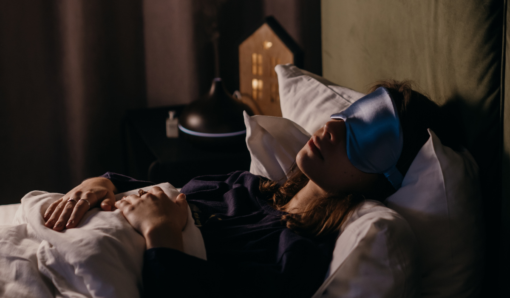
Not all sleep technology is trying to do the same thing. Some devices are built to track your sleep while others are designed to actively improve it.
A sleep tracker measures what happened overnight. Devices like the Oura Ring or Apple Watch collect data like heart rate, movement, sleep stages, HRV, and breathing patterns. They help you understand how you slept and spot patterns over time.
A sleep optimization device focuses more on changing your sleep environment in real time. Systems like the Eight Sleep Pod adjust things like bed temperature, positioning, or snoring response while you sleep with the goal of improving sleep quality, not just measuring it afterward.
Basically, tracking poor sleep and improving poor sleep are two different things. A tracker can tell you that you woke up multiple times or spent less time in deep sleep. An optimization system tries to reduce the things that may be causing those disruptions in the first place.
For a lot of people, the best setup ends up being a combination of both. One device helps you understand your sleep patterns, while the other actively works to make the sleep environment more comfortable and consistent.
Let’s dive into the differences of Sleep Trackers vs Sleep Optimization Devices and determine what might work best for you!
Why Sleep Tech Split Into Two Categories
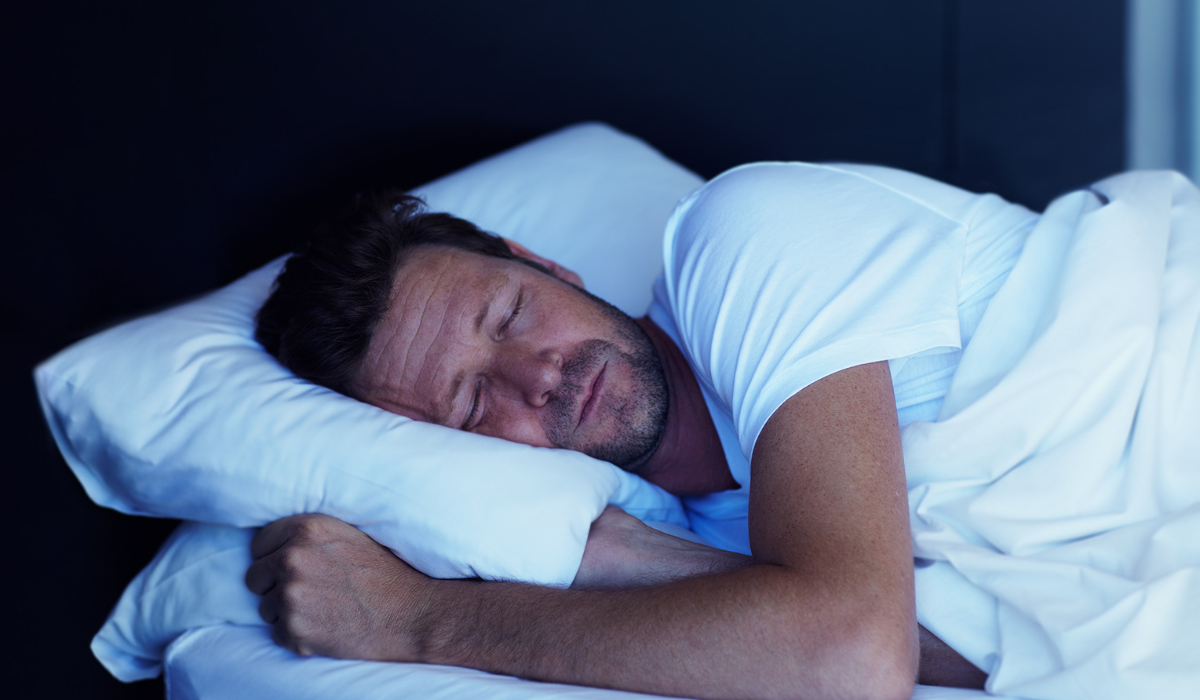
Sleep technology started mostly as a tracking category. Early wearables and smart watches became popular because they could answer questions people were already asking themselves:
- How much sleep am I actually getting?
- Why do I still feel tired?
- Am I stressed?
- Am I recovering properly?
Devices like the Fitbit and early smart watches focused on collecting data. They tracked movement, heart rate, sleep stages, and recovery metrics to help people better understand what was happening overnight.
Over time, though, sleep companies started moving beyond just reporting problems. Instead of only measuring sleep, newer systems began trying to actively improve it by changing the sleep environment in real time.
Sleep optimization systems can adjust things like temperature, sound, lighting, elevation, or airflow while you sleep. The goal is not just to explain poor sleep the next morning, but to reduce disruptions while they are happening.
Some products now sit in both categories, but overall a sleep tracker observes and reports, while a sleep optimization device actively responds to your sleeping habits and adjusts things for you.
What Sleep Trackers Actually Do
Sleep trackers are mainly designed to collect information while you sleep and turn it into data you can review later. Depending on the device, they may track things like:
- Heart rate
- Heart Rate Variability (HRV)
- Respiratory rate
- Movement
- Skin temperature
- Sleep duration
- Sleep stages
- Recovery metrics
The main benefit is awareness. Over time, trackers can help you notice patterns between your habits and your sleep quality. You might realize that stress affects your recovery, alcohol disrupts your sleep stages, or late workouts leave you feeling less rested the next morning.
What trackers do not do is actively improve your sleep while it is happening. They can tell you there was a problem, but they usually are not changing the environment in response to it. That distinction matters because understanding poor sleep and reducing poor sleep are two different goals.
The Main Types of Sleep Trackers
There are a few different types of sleep trackers, and the best one usually depends on how much data you want and how comfortable you are wearing something overnight.
Smart Rings
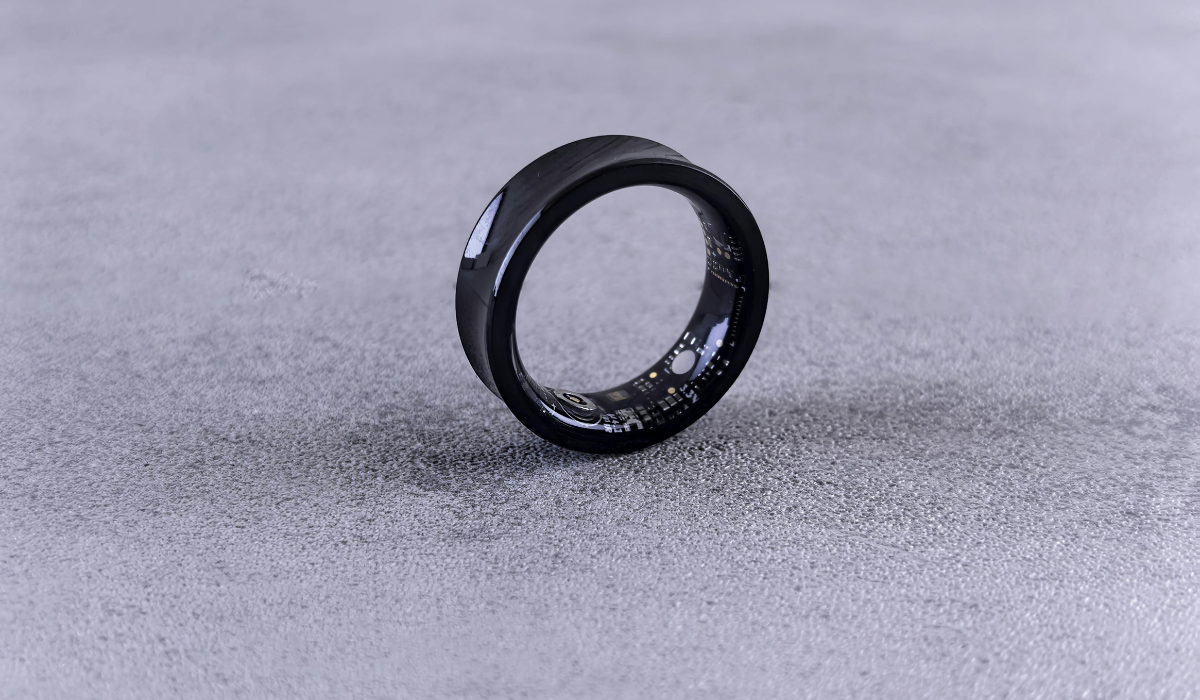
Smart rings like the Oura Ring became popular because they collect detailed sleep and recovery data without feeling as bulky as a watch. They typically focus on:
- Sleep stages
- Recovery
- HRV
- Readiness scores
- Temperature trends
A lot of people like them because they are lightweight and easy to forget about once they are on. The tradeoff is that they are still observational tools. They can show patterns and trends, but they are not actively changing your sleep environment while you sleep.
Recovery-focused Wearables
Devices like WHOOP are geared more toward athletes and performance-focused users. They emphasize:
- Recovery strain
- Sleep debt
- HRV
- Psychological stress
- Training readiness
These systems are useful for connecting sleep quality to physical recovery and performance. But like other trackers, they mainly diagnose patterns rather than actively improving sleep conditions overnight.
Smart Watches
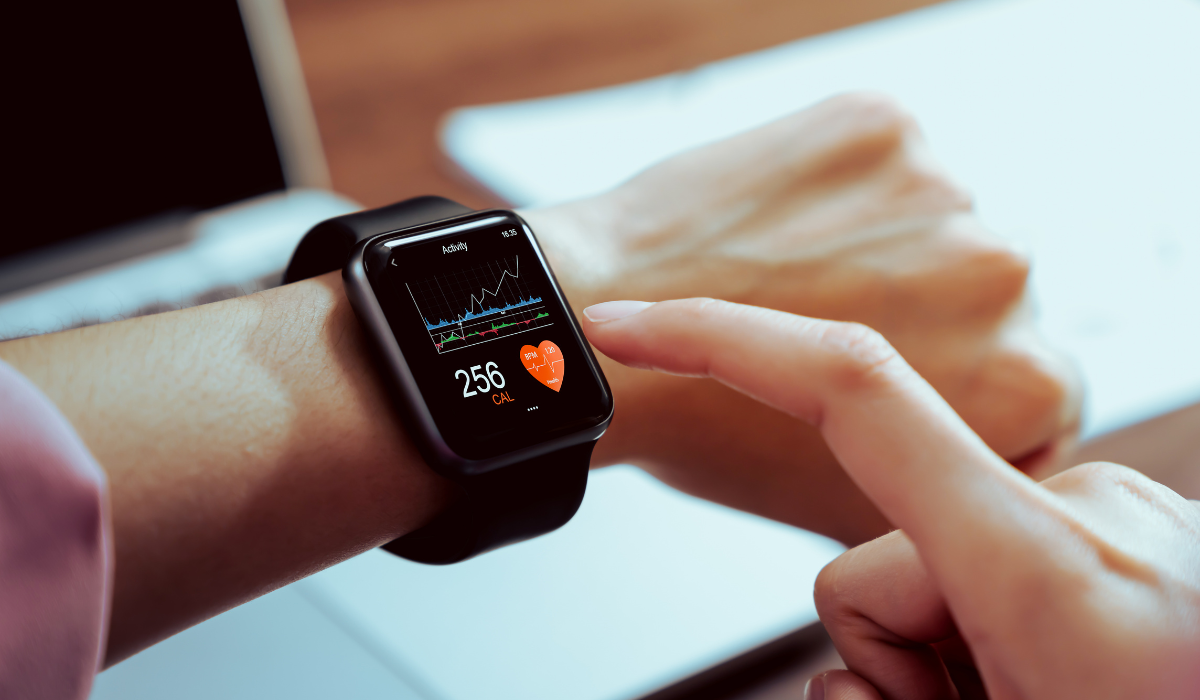
Smart watches like the Apple Watch and Garmin Forerunner combine sleep tracking with broader health and fitness features. They often include:
- Notifications
- Exercise tracking
- Heart monitoring
- Sleep tracking
- Activity integration
For many people, the convenience comes from already wearing the device all day. The downside is that sleep tracking is just one part of a larger product, and some users still find wrist-based wearables uncomfortable to sleep in.
Traditional Fitness Trackers
Devices like the Fitbit Charge helped bring sleep tracking into the mainstream. They are still popular with people who want:
- Simpler interfaces
- General wellness tracking
- Affordable entry points
- Basic sleep insights
For casual users, that may be enough. But if sleep quality itself is the main issue, tracking data alone may not fully solve the problem.
The Limitation of Tracking Alone
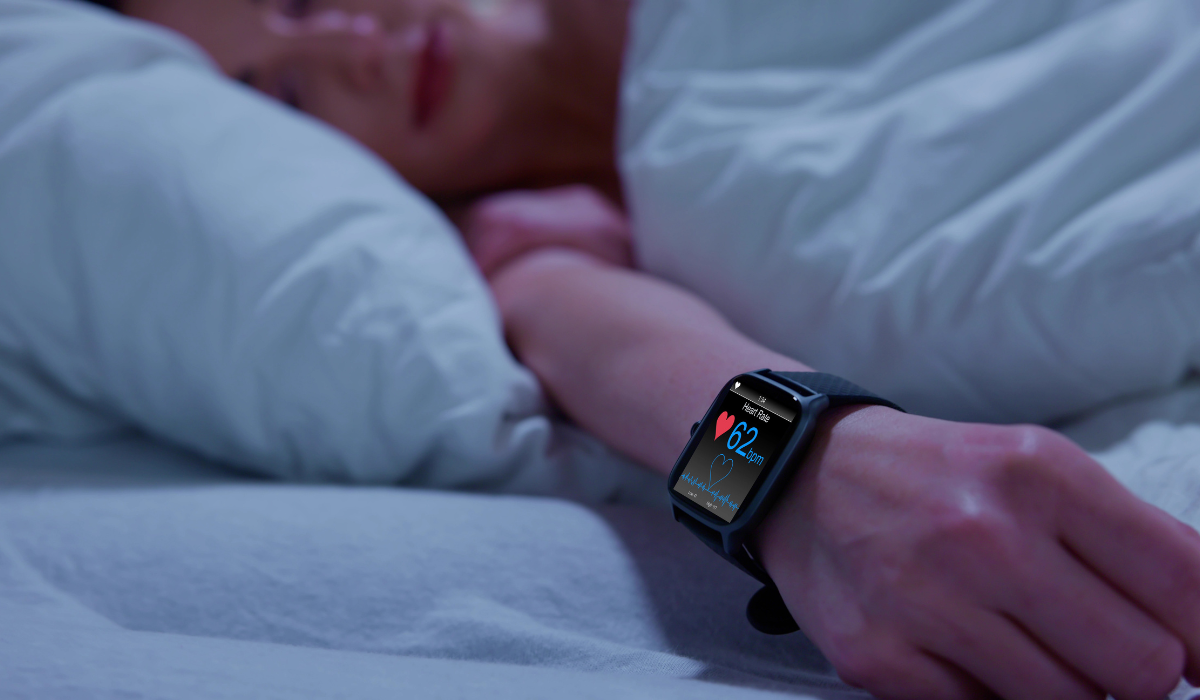
Sleep tracking can absolutely improve awareness, and for some people that alone leads to meaningful changes. Seeing sleep data regularly may encourage earlier bedtimes, more consistent schedules, less alcohol before bed, or better timing around exercise and recovery.
That kind of feedback can be useful because it helps connect daily habits to how you actually feel the next morning. Over time, many users become better at recognizing which behaviors support good sleep and which ones disrupt it.
At the same time, tracking only goes so far. A device can tell you that your room temperature was uncomfortable, that stress affected your recovery, or that you snored repeatedly during the night, but it is not necessarily doing anything to change those conditions while you are asleep.
That limitation is part of why sleep technology expanded beyond tracking into optimization systems. Instead of only reporting what happened overnight, these devices are designed to actively adjust parts of the sleep environment in real time.
What Sleep Optimization Devices Actually Do
Instead of just measuring what’s happening as you sleep, sleep optimization devices intervene in the sleep environment. They attempt to improve conditions while you sleep.
Situations that can be manipulated by products in this category include:
- Temperature
- Sound
- Lighting
- Positioning
- Air quality
- Circadian timing
Temperature Optimization Devices
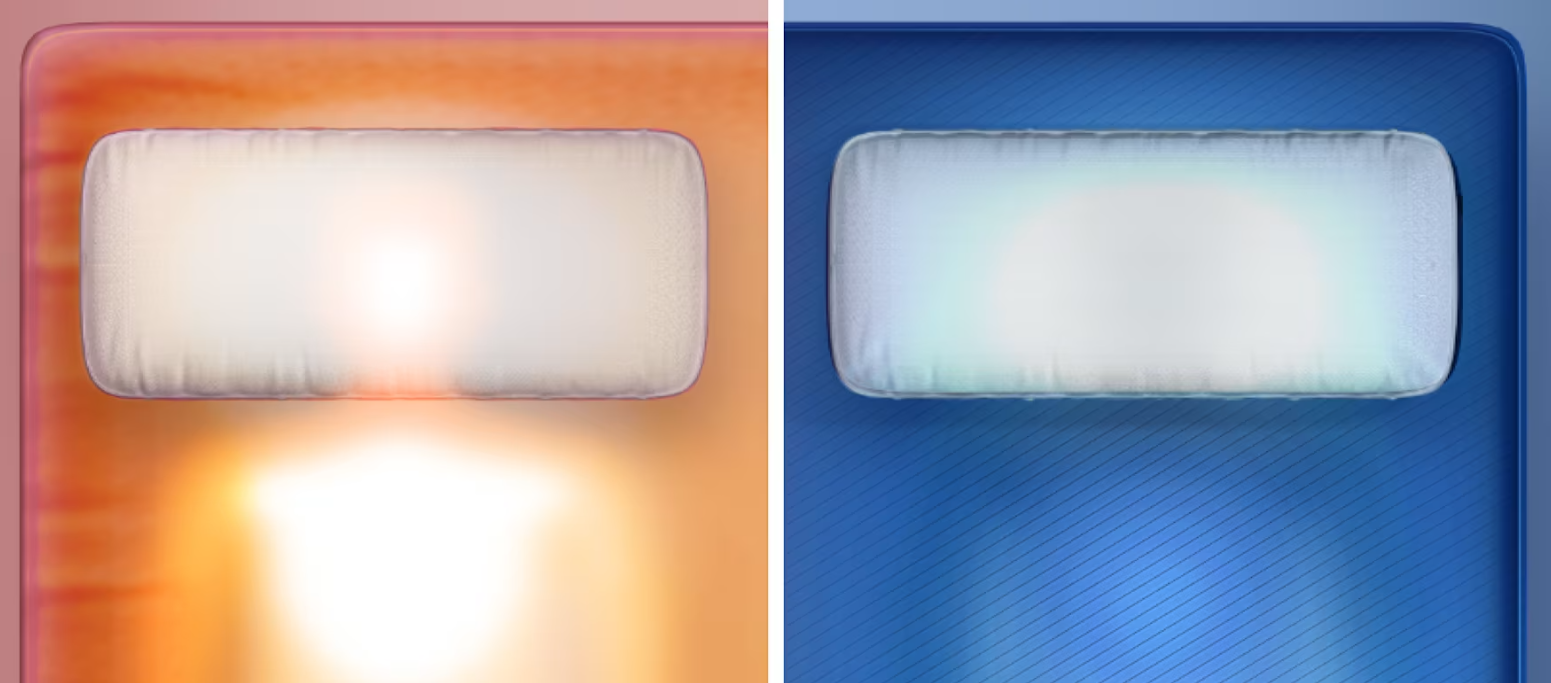
Body temperature while you’re sleeping is the focus here. That’s because body temperature greatly influences sleep onset, deep sleep, and REM cycles. While many people sleep better in cooler environments, that’s not true for everyone.
Preferences vary widely based on:
- Metabolism
- Hormones
- Body composition
- Age
- Sleep stage
The Eight Sleep Pod Mattress Cover
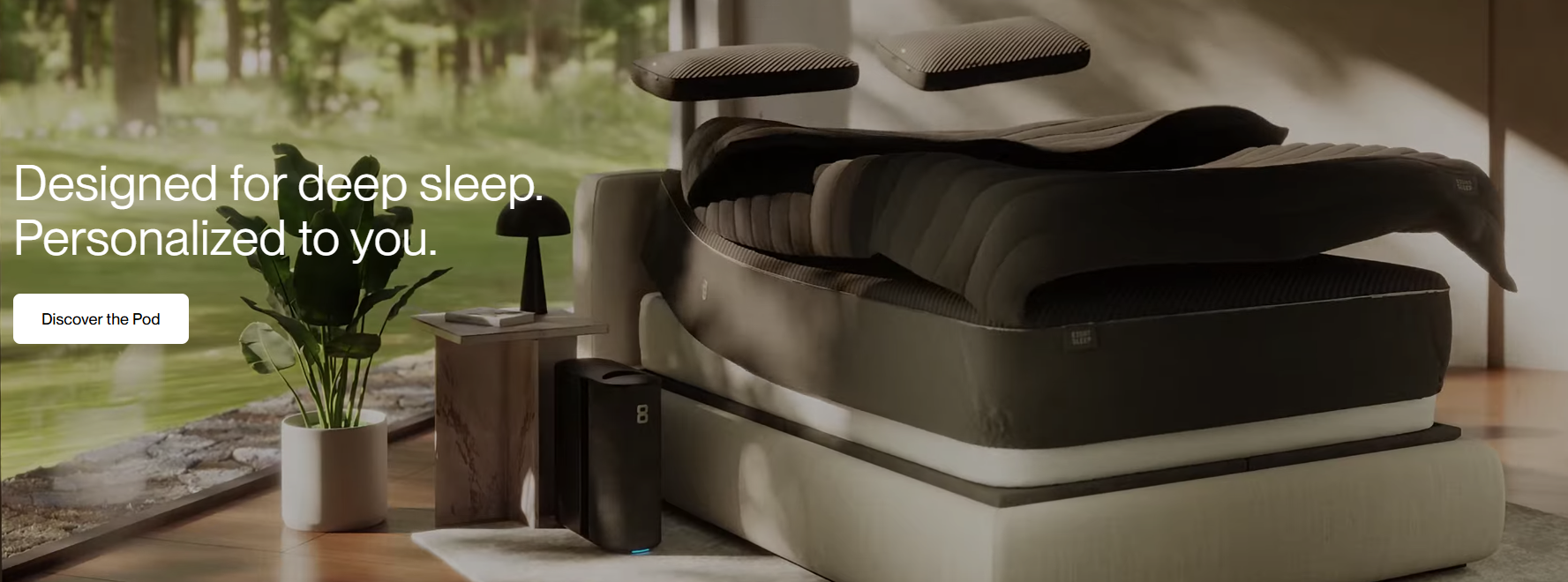
This is where optimization systems like the Eight Sleep Pod fit into a different category from traditional sleep trackers. Instead of only measuring temperature-related sleep patterns, the system is designed to actively adjust the sleep environment while you are asleep.
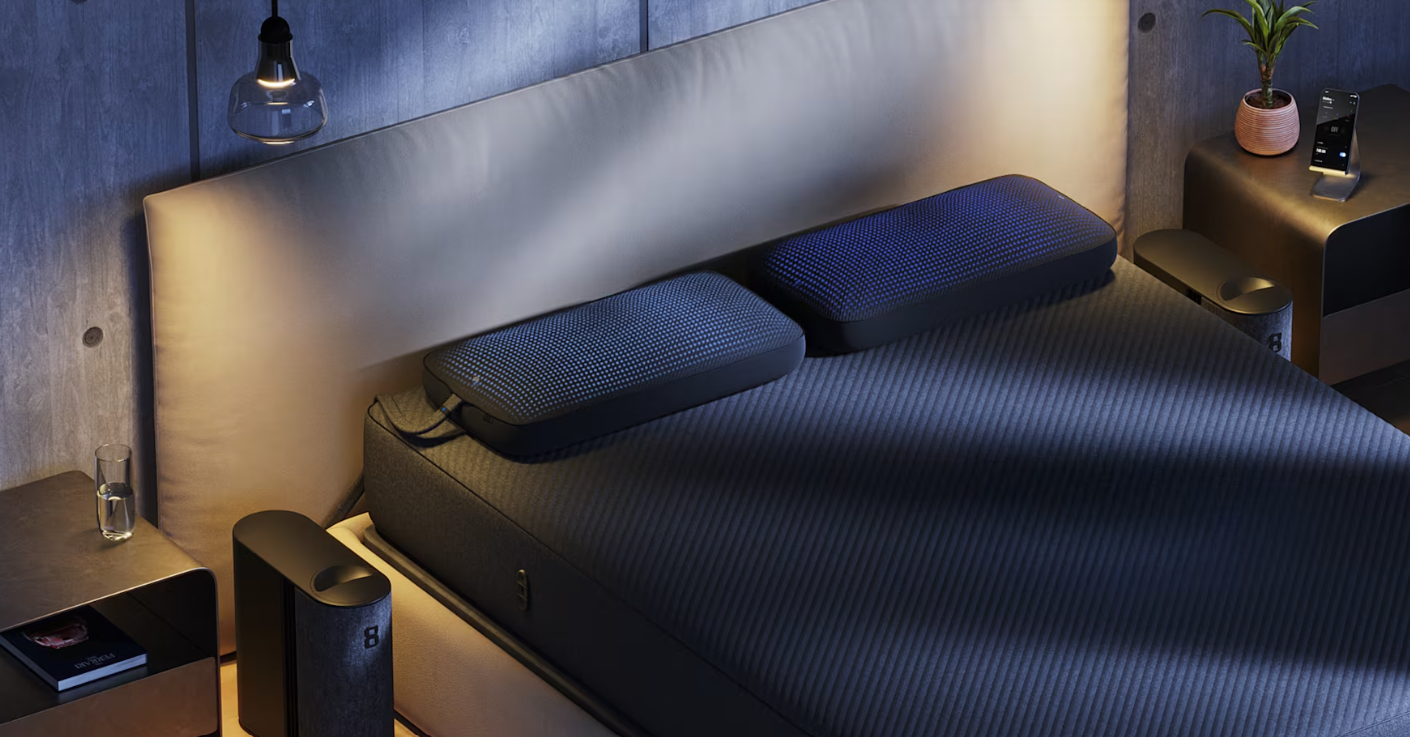
The Pod uses a water-based cover that can heat or cool the bed between roughly 55°F and 110°F while also tracking metrics like sleep stages, heart rate, HRV, breathing rate, and movement.
The Eight Sleep Pod does more than just control cooling. It also has:
- Dual zone temperature control
- Automatic temperature adjustments through autopilot
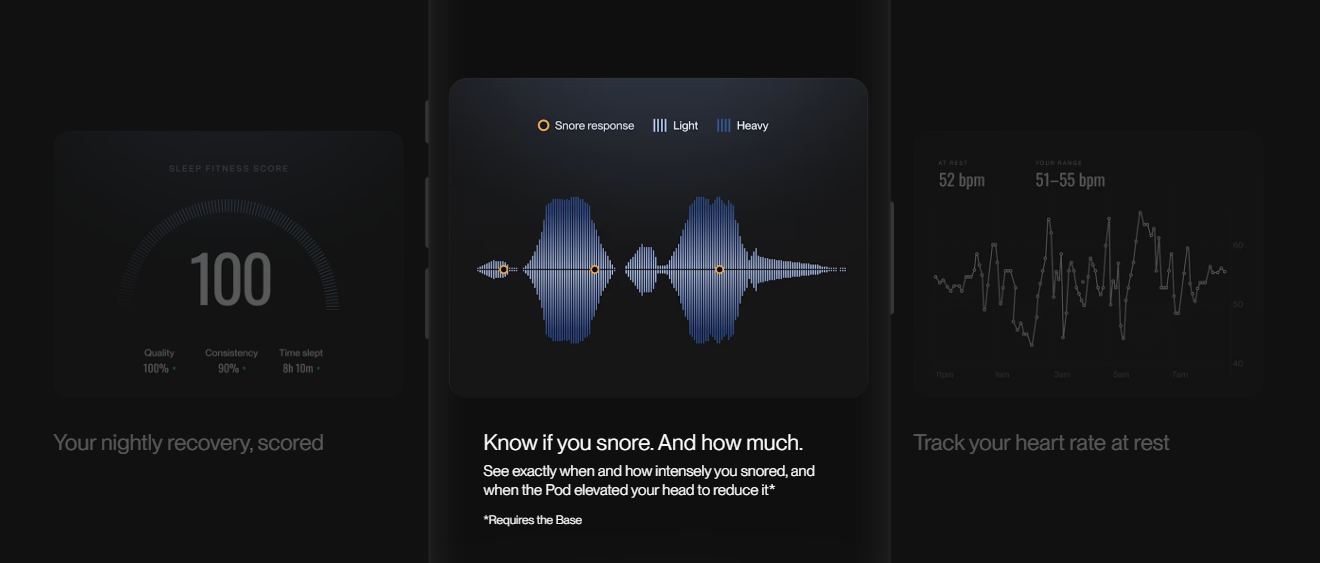
- Snore detection
- Automatic elevation adjustments
- Thermal and vibration alarms
- Embedded biometric sensors
The Eight Sleep Pod combines tracking and intervention, putting it in a hybrid position in the market rather than in either category.
Smart Lighting Systems
Lighting is another major optimization category. Light exposure is known to influence melatonin production and circadian rhythm management. Products in this category include:
- Sunrise alarm clocks
- Smart bulbs
- Circadian Lighting Systems
These devices, unlike tracking devices, directly shape the cues your brain uses to regulate sleep-wake cycles. For people struggling with early waking, winter darkness, or inconsistent schedules, lighting intervention can be more important than biometric tracking alone.
Sound Machines and Audio Systems
Sleep sound optimization is not just all about white noise these days. Modern systems may include:
- Pink noise
- Brown noise
- Adaptive soundscapes
- Guided sleep audio
- Relaxation programs
- Environmental masking
These devices attempt to keep external noise from disrupting your sleep or promote relaxation before you begin to sleep. Again, the keyword is intervention.
A wearable tracker might tell you you woke up six times during the night, but a sound optimization system intervenes to reduce those awakenings in real time.
Smart Beds and Adjustable Bases
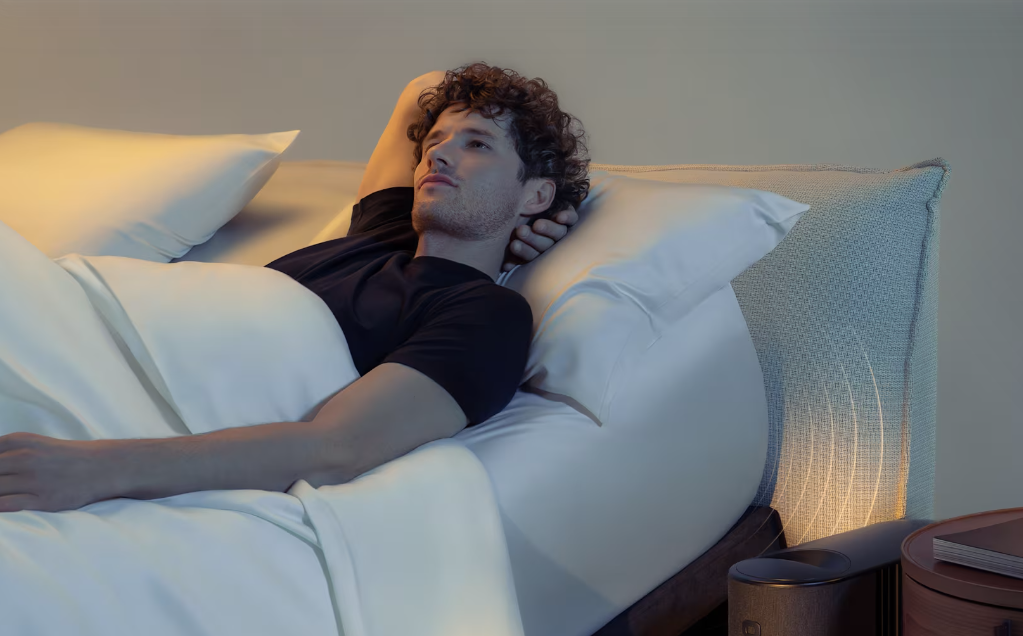
This has been a rapidly expanding category in recent years. Features can include:
- Adjustable elevation
- Snore reduction
- Pressure redistribution
- Massage functions
- Temperature integration
- Automatic position changes
The focus in this category is less about collecting data and more about improving physical comfort and reducing disruptions while you sleep. Instead of only reporting that something affected your sleep quality, these systems are designed to respond to it in real time.
Some products now combine both tracking and optimization features in one system. The Eight Sleep Pod, for example, combines temperature regulation, sleep tracking, snore mitigation, and environmental automation into a single platform that works with an existing mattress.
Because of that broader approach, systems like the Pod are often viewed less as standalone trackers and more as full sleep-environment systems designed to actively manage comfort throughout the night.
Why Some People Need Both Categories
When you first learn about these two separate categories, tracking versus optimization, you may think that you have to choose. That definitely is a misconception. The fact of the matter is, they often complement each other.
A tracker can help identify patterns:
- Elevated nighttime heart rate
- Poor recovery
- Inconsistent sleep timing
- Reduced REM sleep
An optimization system, on the other hand, can address some of the environmental contributors behind these patterns. For example:
- A temperature system can improve thermal comfort.
- A sound machine reduces environmental interruptions.
- A smart lighting setup improves bedtime consistency.
In other words, you have two systems working together: The tracker provides awareness. The optimization device provides action. The combination can be much more useful than either category by itself.
Which Type of Device Makes Sense for You?
You may want a sleep tracker if:
- You mainly want insight and awareness.
- You’re focused on fitness recovery.
- You want health metrics and data analysis.
- You also want to track your daytime activity.
- You’re not quite ready to invest heavily in sleep hardware.
In that case, the tracker may make sense as a first step because it can identify your sleep problems before you invest in a device that will make major changes.
You may want a sleep optimization device if:
- You already know what’s affecting your sleep.
- You’re often hot at night.
- Your partner prefers a different temperature than you do.
- Noise or snoring is driving you crazy.
- You want your sleep environment to adjust automatically.
If you already understand your sleep challenges and you’re looking for active solutions, an optimization device may be much more appealing to you.
You may want both.
Many consumers who are focused seriously on solving their sleep problems eventually reach this point. They realize that tracking and optimization solve separate problems. One addresses measurement and the other intervention. Together, they create a more complete system.
The Future of Sleep Tech is Probably Hybrid
The direction that the industry is headed towards seems to be systems that combine both functions:
- Clinical-grade tracking
- Environmental control
- Predictive automation
- Personalized adjustments
The shift indicates that sleep optimization is becoming more proactive than just reactive. Rather than simply giving data about poor sleep after the fact, newer systems try to anticipate these problems and respond automatically.
The Eight Sleep Pod is one example of such a system:
- Automatic temperature adjustments
- Adaptive environmental control
- Snore mitigation
- Long-term biometric modeling
- Real-time physiological monitoring
This doesn’t mean dedicated trackers like an Oura Ring and Whoop are a thing of the past. Instead, they continue to refine recovery analytics and health insights. Instead of being replaced by newer systems, the two categories increasingly look complementary.
Choosing Between Sleep Trackers and Sleep Optimization Devices
For some people, a tracker is enough, because better awareness can lead to healthier habits, more consistent schedules, and a clearer understanding of what affects sleep quality.
But for others, especially people dealing with overheating, noise, snoring, or ongoing sleep disruptions, data alone may not solve the issue.
In many cases, the most effective setup ends up being a combination of both: one device that helps you understand your sleep patterns and another that actively works to improve them.
Related Posts:



Shelby Neely has spent more than 30 years in the medical field, with a background in veterinary medicine and a deep interest in health, nutrition, and preventive care. She’s passionate about helping readers make informed choices about sleep, wellness, and the products that support a healthier lifestyle. When she’s not writing, Shelby enjoys Broadway shows, football, and spending time with her children and the family’s ever-growing crew of pets.