

The sleep technology industry is growing rapidly, so when people start researching sleep tracking, they usually run across two common terms: “active” and “passive”.
“Active sleep tracking” usually means wearing a device like a smartwatch, ring, fitness band, or chest strap to collect data. “Passive,” on the other hand, doesn’t involve you wearing anything. Instead, sleep is monitored through devices that are not attached to your body, such as a mattress pad or “pod” that can track your snoring and temperature.
With that in mind, we’ll talk about the different ways you can track your sleep, and help you decide which method might be right for you!
Why the Commercial Definition Is More Useful for Buyers
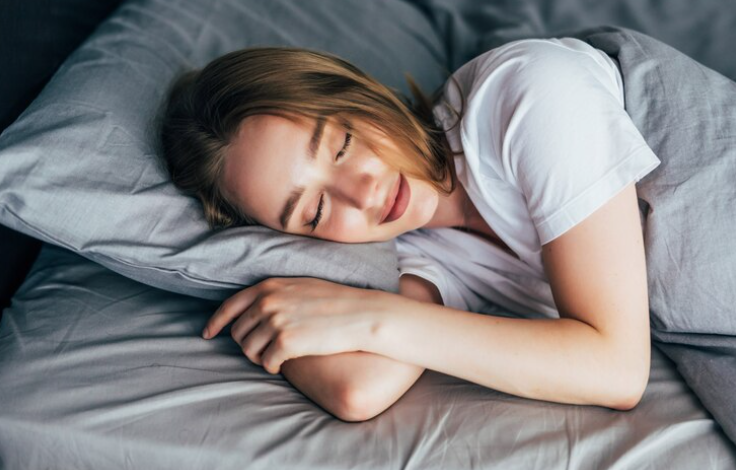
If you wear a ring or watch, you may find out passive information that tells you when:
- Your REM sleep was fragmented
- Your heart rate stayed elevated
- You woke up many times during the night
- Your recovery score dropped
But does that really help you? What are you going to do with that information? Is it going to give you a better night’s sleep?
That’s where active sleep-optimization devices often overshadow passive sleep trackers. Active systems try to adjust your environment to help eliminate some of your sleep problems.
They may do this through:
- Cooling or heating
- Alleviating snoring
- Sound masking
- Changes in lighting
- Physical elevation adjustments
It’s similar to the evolution of fitness technology, in which early devices counted steps and calories. Modern ones are more likely to emphasize coaching, recovery, and adaptive interventions. Sleep technology is moving in that same direction and you need to know that before you begin shopping.
Many Sleep Problems Are Environmental
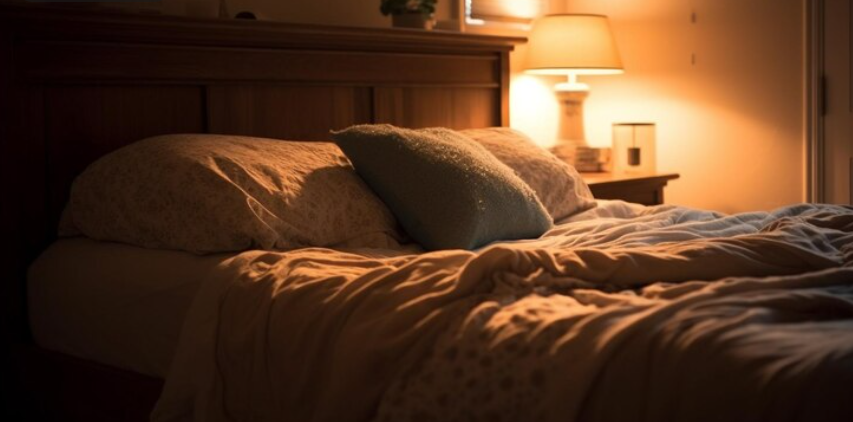
There are certainly many things that occur during sleep that a tracker can’t fix:
- Temperature instability
- Partner movement
- Snoring
- Ambient noise
- Poor airflow
- Overheating during REM sleep
Under these conditions, simply documenting them rather than attempting to solve them is not useful. That’s why intervention-focused systems are gaining traction.
Passive SleepTracking Devices
Passive devices are still popular because they’re affordable, accessible, easy to use, and, quite honestly, many people don’t realize there’s more out there. All these products do is collect data and identify patterns.
Smart Rings
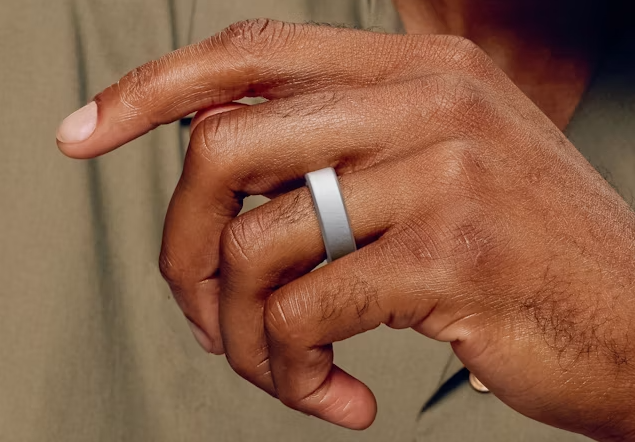
Many people prefer smart rings to watches because they’re less intrusive. They generally monitor:
- Heart rate
- Heart Rate Variability
- Skin temperature
- Sleep stages
- Movement patterns
Wearing a lightweight, compact ring is much more comfortable overnight than wrist-based trackers. Some are advanced at what they can actually do in terms of recording long-term trends and patterns.
Many can assess:
- Stress
- Alcohol consumption
- Exercise recovery
- Illness
- Sleep consistency
The fact remains that, regardless of the sophistication of the analytics, smart rings are observational, not interventional, devices.
They can tell you that your sleep quality decreases after eating right before bedtime, but they can’t control your sleeping environment when you start to overheat at 2:00 AM.
Smartwatches and Fitness Trackers
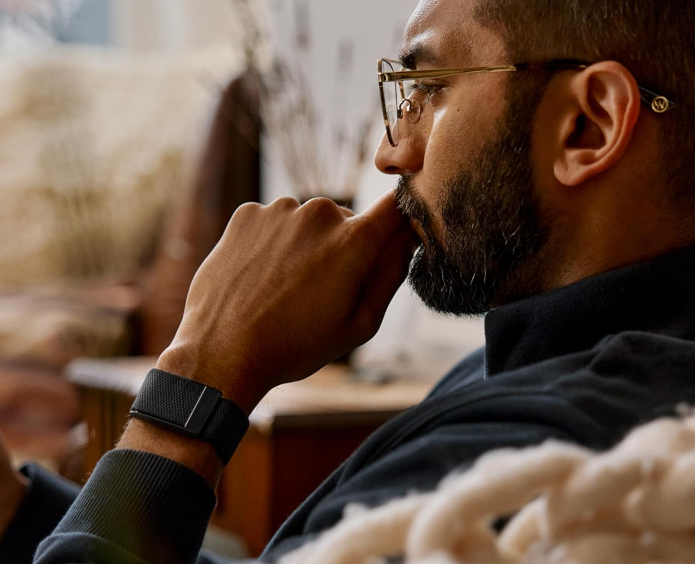
Smartwatches and fitness bands are popular because they combine sleep tracking with your daytime health and activity monitoring.
Many can even include:
- Sleep stage analysis
- Blood oxygen trends
- Respiratory monitoring
- HRV tracking
- Readiness or recovery scores
The appeal to users is that features such as workouts, notifications, and sleep data can all be consolidated into a single device.
Under-Mattress and Contact-Free Sensors
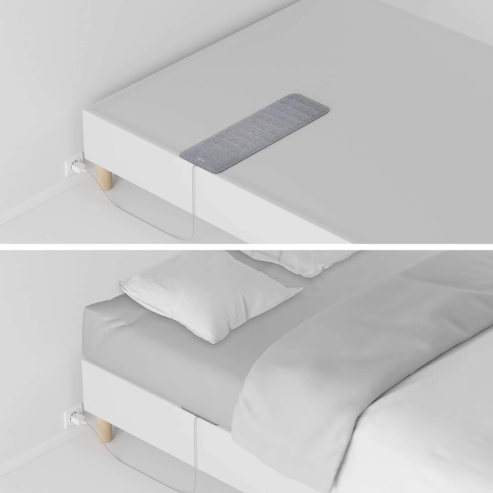
If you’d like to get feedback about your sleep habits, but really don’t want to wear a device on your body while you sleep, motion-based sleep-tracking systems, including under-mattress monitors and bedside radar sensors, are available and becoming more popular.
The result, though, is that there are no direct measurements from your body; instead, sleep metrics are inferred from breathing motion, heartbeat vibrations, pressure changes, and movement patterns.
The most appealing feature is convenience. You don’t have to charge anything, wear anything, or remember to do anything.
Active Sleep Optimization Devices: Systems That Intervene
Active sleep technology does more than just track; it helps adjust the environment. Based on the data the system collects, it can make real-time adjustments to help you achieve deeper, more stable sleep.
Temperature Regulation Systems
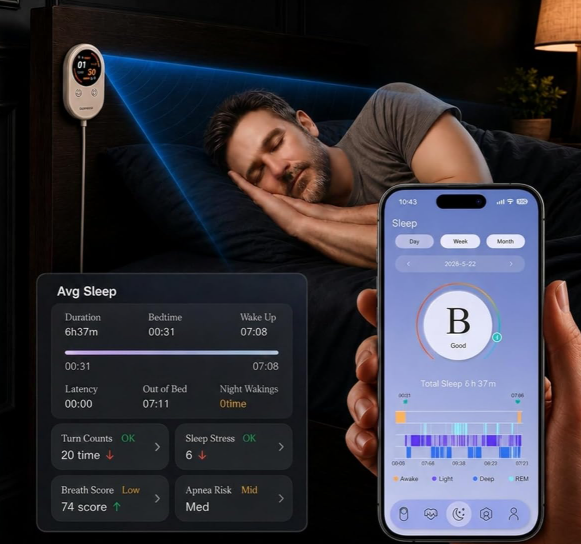
Temperature is one of the most overlooked but valuable drivers of sleep quality.
Your body’s temperature changes throughout the night. As the body prepares for sleep, your core temperature drops, and then, as you go through different sleep stages, it changes again. It is not uncommon for people to complain of overheating, which can be associated with sleep fragmentation, frequent awakenings, and reduced deep or REM sleep.
It’s no surprise, then, that temperature-regulating sleep systems are among the fastest-growing aspects of sleep optimization. They do more than cool the mattress or offer breathable sheets. Instead, modern systems actively adjust the temperature in response to your body throughout the night.
The Eight Sleep Pod (For Active Sleep Assistance)

One of the best examples of active sleep technology is made by Eight Sleep, which has a sleep-fitness system referred to as a “pod.” Its most appealing feature is its water-cooled layer inside, which ideally keeps hot sleepers cool at night.
Their tracking capabilities include snoring detection, real-time sleep monitoring, and embedded biometric sensors that detect heart rate, HRV (heart rate variability), and sleep stages, syncing data smoothly with your phone.
These tracking features allow the Eight Sleep Pod to use dual-zone climate control and dynamic temperature adjustment, so you and your partner can each have your own individual temperature settings.
This is a perfect example of a system that can not only tell you that you overheated during the night, but can automatically detect your rising temperature and cool the bed. That’s quite different from passive tracking.
Other features include snore mitigation and adjustable elevation features.
How Eight Sleep Fits the Active Category
Why is Eight Sleep so appealing? Primarily because it doesn’t just collect data. Lots of devices do that, but it responds to the data automatically.
The Pod’s autopilot feature is continuously adjusting sleep conditions based on inputs that include:
- Historical sleep patterns
- Current sleep stage
- Heart rate trends
- Room conditions
- Environmental temperature
- Individual temperature preferences
The system can even heat or cool each side of the bed independently, within a range of approximately 55 to 110 degrees Fahrenheit. That’s a really important point for many individuals and couples who have totally different sleep temperature preferences.
If one sleeper likes it cooler while the other prefers more warmth, this doesn’t require you to get up and make manual adjustments during the night. The system can be programmed to make those changes automatically in real time. That’s the defining feature of active sleep optimization: It can provide intervention without requiring the user’s assistance.
Beyond Cooling: Other Forms of Active Sleep Intervention
Temperature isn’t the only variable that can be adjusted through active sleep technology. There are several other types of intervention-focused devices.
Smart Lighting Systems
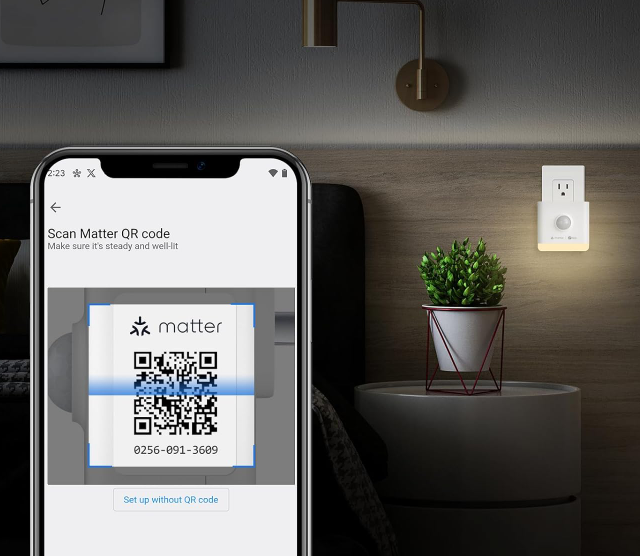
There are systems devoted to supporting your body’s natural sleep-wake cycle in response to timed light exposure. These systems may:
- Reduce blue light exposure at night
- Simulate sunset tones before bed
- Gradually brighten in the morning
- Imitate sunrise for waking
Light plays a bigger role than you might think; it regulates melatonin and aligns circadian rhythms, making lighting one of the better-supported environmental interventions.
Sound and White Noise Systems
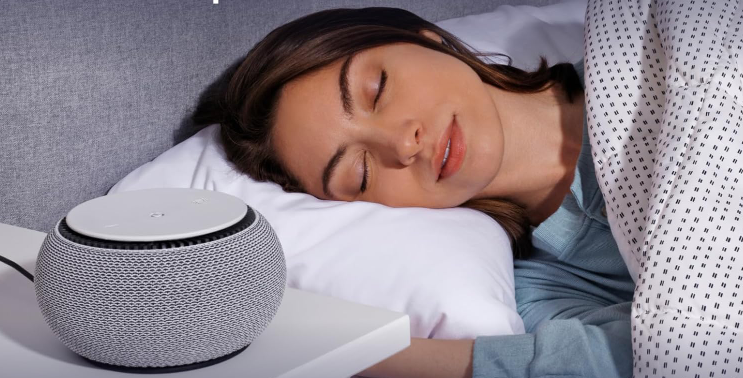
Some people live in areas where environmental noise is a real distraction from restful sleep. Some sleep systems actively generate:
- White noise
- Pink noise
- Soundscapes
- Adaptive masking cells
Certain systems will automatically adjust audio based on the room condition or sleep state, rather than just playing the same static sounds over and over throughout the night.
Neurostimulation and Relaxation Devices
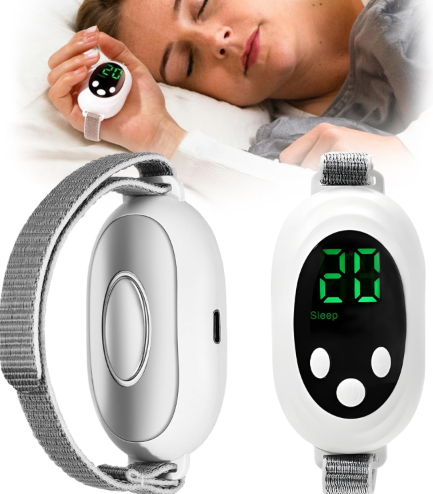
This is a more experimental category. It’s new on the scene, and it involves neurostimulation devices. The intent is to influence relaxation or sleep onset. If your primary problem is initially falling asleep at night, this may be something you want to look into.
These may use:
- Gentle electrical stimulation
- Audio entrainment
- Vibration patterns
- Guided relaxation protocols
This is still an evolving category, and at the moment, evidence varies widely. It is, however, a reflection of what people want and where the industry is headed, away from passive tracking to a more active interventional function.
So, Are Active Sleep Systems Worth It?
Sleep technology has changed from being like a fitness tracker to becoming an intelligent environmental control system. If you sleep comfortably and your environment is stable, an active sleep system may not improve your quality of life.
Some people may refer to a wearable ring as active because it’s in touch with your body and measures certain statistics, but if you’re a buyer, you don’t just want measurements, you want actionable changes that improve:
- Night overheating
- Frequent awakenings
- Sleep inconsistency
- Snoring
- Temperature mismatch with a partner
- Menopause-related night sweats
- Recovery-focused athletic performance
If you struggle with any of these categories, you may benefit from a sleep tracking system that can actively change your sleep environment.
Related Posts:




Shelby Neely has spent more than 30 years in the medical field, with a background in veterinary medicine and a deep interest in health, nutrition, and preventive care. She’s passionate about helping readers make informed choices about sleep, wellness, and the products that support a healthier lifestyle. When she’s not writing, Shelby enjoys Broadway shows, football, and spending time with her children and the family’s ever-growing crew of pets.