My dad is the biggest tech guy I know. I have fond childhood memories of him fixing computers, burning CDs, and using walkie-talkies on vacation, so we could communicate when we were in a giant shopping mall.
To this day, he can’t walk into his office without someone coming to him, personal device in hand, asking for help, and truthfully, he might be the reason that I like looking for tech solutions to a lot of my problems, including sleep. If you’re a biohacker or a self-enthusiast looking for the best sleep system that improves your performance, you’ve come to the right place.
What Matters for Biohackers

Let’s walk through what us self-enthusiasts and tech nerds want from a recovery sleep setup.
- Granular health data (HRV, respiratory rate, sleep stages)
- Active environmental control
- Integration with other tracking devices
- Automation that reduces friction
These are the most important aspects to a comprehensive bed that gives actionable bio data. With that in mind, I’m going to evaluate Eight Sleep, Sleep Number, and Withings Sleep Analyzer.
For each, I’m looking at what they have to offer in terms of optimizing my sleep, more than just tracking movement–providing actionable biometrics and active environmental intervention.
1. The Industry Benchmark: Eight Sleep (The Pod 4)
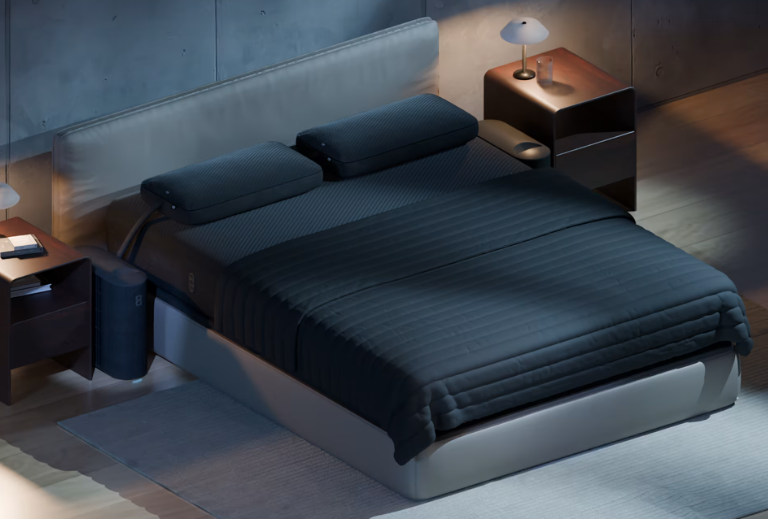
Eight Sleep is my top pick at present. I keep looking for something bigger or better, and I don’t find it. This system isn’t reactive, it’s proactive, and it provides closed-loop thermal regulation with some of the best Biometrics and autopilot intelligence features I’ve ever seen.
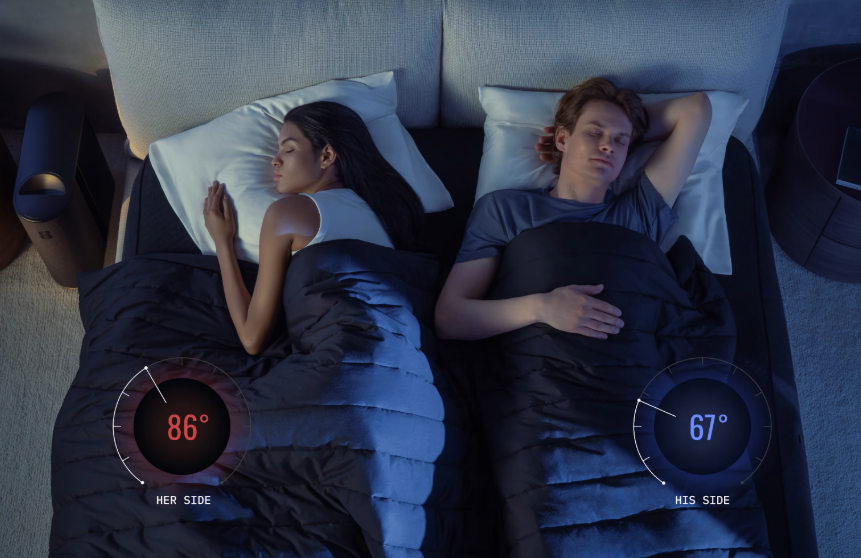
The Pod’s sensor layer tracks Heart Rate Variability (HRV), Heart Rate, and Respiratory Rate with accuracy comparable to medical-grade ECGs. It also uses AI to adjust the temperature of the bed throughout the night based on your current sleep stage and local environmental factors.
Basically, if you have a sudden change in the ambient temperature in your space, maybe because you have the windows open or maybe because you didn’t open the windows, the bed will track that, and it will make changes to the temperature of your bed and your blanket accordingly.
This particular piece of tech also means that it tracks sounds in the area, like the sound of your partner snoring, and automatically makes adjustments to the height of the base that goes under your mattress, helping to stop snoring either from yourself or a partner without waking up.
Oh, and let’s not forget the thermal alarm, perhaps one of my favorite features. Have you ever taken a nap and woke up really groggy? Maybe you just got out of bed, and it took you a while to focus, almost like those Claritin clear commercials before they peel back the gray layer.
This is called Sleep Inertia. You can avoid that feeling when you are gradually woken up in a comfortable fashion, something that Eight Sleep does with gentle vibrations and a gradual warming of your bed’s temperature.
2. The Comfort Hybrid: Sleep Number (Climate360)
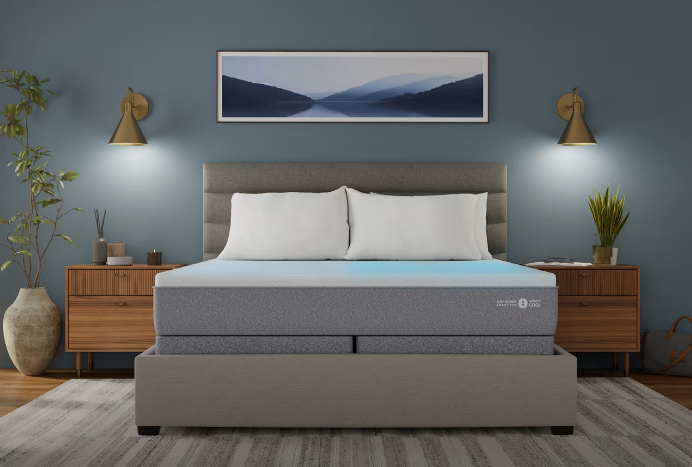
While Eight Sleep focuses on thermal performance, Sleep Number targets mechanical optimization through its “SleepIQ” platform. This uses air-adjusted firmness as well as localized Heating and Cooling structures, which basically helps to deal with pressure points in your body, reducing how frequently you toss and turn, and keeps your bed a little bit more temperature-regulated though not to the degree of Eight Sleep.
Their SleepIQ technology provides a “Sleep Score” based on heart and breath rates. This is pretty basic data, though, nothing quite as robust as Eight Sleep. It actually has the feel of mass-produced consumer-facing data instead of the raw, granular data you get with Eight Sleep.
3. The Minimalist Alternative: Withings Sleep Analyzer
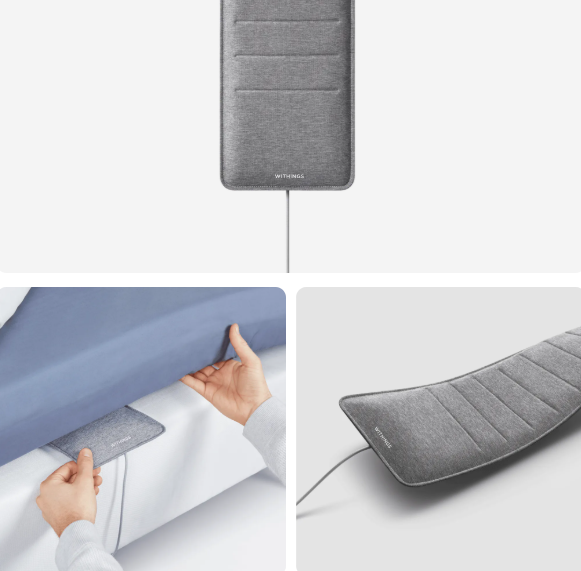
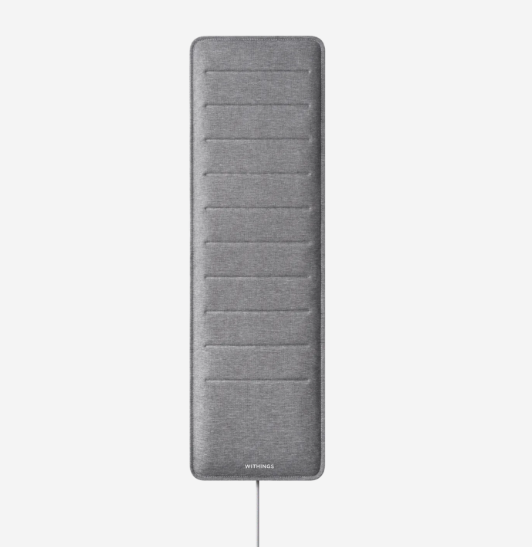
If you already have a mattress that you love and you just want High Fidelity data based on your sleep, this is a good intervention. It is a Pneumatic mat that you place under your mattress, and it helps to track your sleep cycles and your heart rate. It’s one of the few consumer devices that’s actually been cleared to detect sleep apnea as well, so if your focus is on respiratory health, this gives you a specialized layer of data, but it won’t actively change your environment, it won’t help you overcome sleep inertia or stay cool while you sleep.
So what is the specific ROI of these systems in terms of HRV improvement or REM sleep extension? Let’s compare.
Eight Sleep Pod
Eight Sleep provides a high return on investment (ROI) by actively managing sleep architecture through its closed-loop thermal system. This system comes with multiple parts, so it is high-tech stuff, and all of the components, including the hub, the mattress cover, the bedding, and the pillow covers, work together to provide you not only with improved sleep but with data pertaining to those improvements and your sleep on the app. Basically, this means extended restorative sleep stages and better cardiovascular resilience.
1. HRV and Cardiovascular Recovery
The biggest area where Eight Sleep thrives is the automated thermal regulation, which directly influences the autonomic nervous system, leading to measurable shifts in your cardiovascular health markers. According to their website data, users experienced a 6% to 7% increase in Heart Rate Variability (HRV) on average within the first week of use. So if your goal is to bring up your HRV to average levels, this will help.
If you are an athlete, you know that your sleeping heart rate usually decreases by 1% or 2%, but with the support from the Eight Sleep Pod, you can compensate for that, which actually improves your cardiovascular health long-term, and could lead to improved cardiovascular performance during the day.
2. Sleep Architecture ROI: REM & Deep Sleep Extension
As we sleep, it’s normal for our body temperature to change. That natural circadian thermal regulation is what helps us get deep and REM stages of sleep. Disruptions to it, whether because of a late-night workout, menopause, stifling summer temperatures, or anything else, can lead to crankiness throughout the day and a high risk of ongoing health issues.
The Eight Sleep Pod is one of the best sleep systems because it’s designed to monitor your temperature as you sleep, offering cooler bedtime temperatures through the thermal regulation built into the mattress cover and the bedding, which can increase REM sleep by up to 25% during the first part of the night, especially for women. This helps prevent those micro-awakenings, the tiny moments when you sort of wake up but not fully wake up, and you’re aware that you’re too hot or too cold.
3. Stress & Lifestyle Buffering
One of the most unique “performance” ROIs is the Pod’s ability to boost sleep quality in spite of things like stress or lifestyle decisions. I, for example, am well aware that I shouldn’t eat right before I go to bed, and I find myself doing it more days than not simply because of the way my schedule works.
Yes, eating within three hours of bedtime can drop your HRV by an average of 7%, but the Eight Sleep Pod helps compensate for this with the cooling effect that scientifically cancels out that 7% drop.
Similarly, it would be great if I could work out during my lunch break every day of the week, and yet I’m often in the gym just a few hours before I stuff my face and immediately fall into bed. But those late workouts mean a heart rate spike and recovery delay. The Eight Sleep Pod, however, does away with that by neutralizing things like excess heat, helping me stay asleep for longer, and even helping me fall asleep quickly with things like the soothing sounds and meditations.
Quick Breakdown: Eight Sleep (The Pod 4) for Biohackers
Below is a quick breakdown of some key metrics for this particular bed, based on data provided from the Eight Sleep website studies:
| Metric | Withings Sleep Analyzer ROI |
| HRV Tracking | Lots of recovery data with improvements averaging 6% |
| Deep Sleep | Average improvements between 10% and 22% |
| Sleeping HR | Average improvements around 2% |
| REM Sleep | Improvements according to their website of 25% or more |
Sleep Number
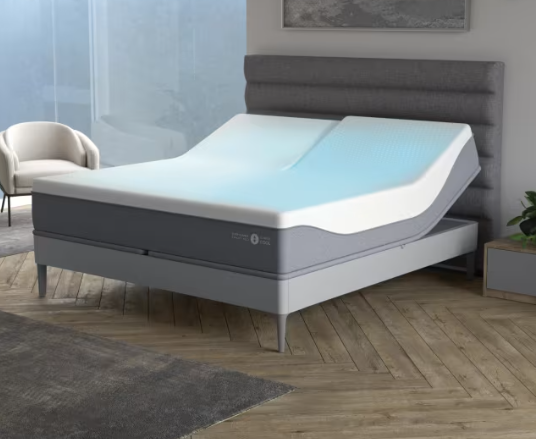
While Eight Sleep uses water-based thermal regulation, Sleep Number focuses on mechanical pressure adjustment and air-based climate control. If you want a bed that optimizes your health, the Climate360 can reduce physical restlessness. It also offers temperature regulation features to improve your transition into different stages of sleep.
1. HRV and Cardiovascular Resilience
Sleep Number’s SleepIQ technology utilizes full-body ballistocardiography (BCG) to measure Heart Rate Variability (HRV). Unlike Eight Sleep’s RMSSD calculation, Sleep Number typically uses SDNN (Standard Deviation of NN Intervals). This just means that it can offer higher numerical value compared to wearables like wrist watches or similar headband devices.
It starts with your nightly HRV average to figure out how well you recover from stress and what your energy levels are, and then provides the “SleepIQ” data so that you have a better idea of what transpired during your sleep.
2. REM and Deep Sleep Extension
So what about deep sleep? Does Sleep Number actually help your sleep architecture? It does, to a degree (no pun intended). The Climate360 Smart Bed has active heating and cooling functions, although the literal and figurative degree of which is much more restricted than Eight Sleep.
In theory, monitoring your thermal cycles as you move through sleep, like keeping your bed warm at the beginning of the night, can help you fall asleep faster and achieve deep sleep more quickly. However, the mattress relies almost exclusively on ambient air to keep you cool throughout the night, so as long as the ambient air in your room is an ideal temperature for your needs, it can reduce sleep fragmentation, which is great if you struggle with menopause or insomnia.
Again, though, that’s a pretty passive cooling system with a combination of cooling mattress air flow and Cooling sheets.
3. Mechanical ROI: Pressure Management
If you prioritize Orthopedic recovery in addition to the data you’re generating from your sleep system, Sleep Number’s “ResponseFit” technology offers a unique mechanical ROI. For this, the bed automatically senses when you move around, and it adjusts your firmness level to keep you comfortable instead of restless. The high heat settings can help you alleviate discomfort for post-workout sleep, but in my experience, I want warm muscles when I first fall asleep, but as that lactic acid is processed out of my system, I need something to change the temperature of my bedding and my bed to compensate for the extra body heat. And Sleep Number isn’t it.
Quick Breakdown: Sleep Number Climate360 ROI for Biohackers
Below is a quick breakdown of some key metrics for this particular bed.
| Metric | Sleep Number Climate360 ROI |
| Total Restful Sleep | Claims of up to 100 extra hours of sleep per year by reducing waking mid-sleep, but this equates to about 27 minutes each night |
| Deep Sleep | Purportedly helps with faster deep sleep onset |
| HRV Tracking | Measured via SDNN for longitudinal stress tracking |
| Temperature Control | Only offers up to 12° of cooling but can reach up to 100° F if you need it hotter |
Withings Sleep Analyzer
Unlike Eight Sleep or Sleep Number, the Withings Sleep Analyzer is a passive “nearable” device, not to be confused with the traditional “wearable” devices that have flooded the market. The Withings Sleep Analyzer doesn’t have any interventions that actively change temperature, but it offers respiratory tracking that can track sleep disruptions.
1. HRV and Recovery Monitoring
Withings provides night time heart rate variability as a metric for assessing how well your autonomic nervous system recovers while you sleep. It has a pneumatic sensor under the mattress, which uses ballistocardiography to capture your heart rate and your HRV without having any type of physical contact like a wearable device would.
Given that it’s non-invasive, it’s much more likely that investing in this sleep tech will lead to long-term data, with months of uninterrupted data that you can use to review your recovery.
2. Sleep Architecture and Staging Accuracy
Compared to polysomnography (PSG), the Withings Sleep Analyzer works really well to distinguish between sleep cycles. It can’t actually extend your REM cycles, but it can detect stages based on your heart rate variability and heart rate spikes. This means it’s very accurate at detecting sleep-wake cycles and whether you are in deep sleep or light sleep.
3. Diagnostic ROI: Respiratory Health
The most significant unique ROI for Withings is its medically cleared sleep apnea detection. Using this device means you can get data on your Apnea-Hypopnea Index (AHI). The device actually differentiates between environmental noise and snoring patterns, and provides you with a “snore score” which, if I may, is an outstanding name.
This name can help users figure out what their respiratory health is, particularly when dealing with daytime fatigue that might be related to sleep apnea. However, side note, it is not the only area where that can be applicable. Anyone who drinks heavily or uses alcohol to help them fall asleep might struggle with additional disruptions, especially from the sugar being metabolized throughout the night, and this can often result in excessive snoring, something that’s also monitored by this device.
Quick Breakdown: Withings Sleep Analyzer ROI for Biohackers
Below is a quick breakdown of some key metrics for this particular bed.
| Metric | Withings Sleep Analyzer ROI |
| HRV Tracking | Provides nightly average for Recovery trends |
| Deep Sleep | Offers clinical-grade detection for sleep apnea with AHI tracking |
| Medical Utility | Offers clinical grade detection for sleep apnea with AHI tracking |
| User Experience | You can set it under your mattress and forget about it, no friction and no fuss. |
Summing Up
There are lots of good options out there, depending on what it is you want.
From the set-it-and-forget-it of the Withings Sleep Analyzer to the more comprehensive Sleep Number. For high-tech, there is Eight Sleep with its clinical-grade sensor accuracy, Autopilot intelligence, and the depth of its health monitoring features.
Ultimately, the best bed for biohackers comes down to whether you want passive tracking, mechanical comfort adjustments, or a fully responsive sleep system that actively works to improve recovery while you sleep.