
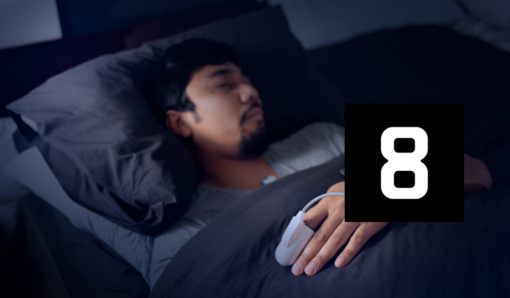
Sleep apnea is one of the most common sleep disorders, but it’s also one of the most misunderstood.
Sleep apnea affects how your body breathes during sleep, often leading to repeated interruptions that break up your sleep cycles without you fully realizing it. These interruptions are commonly linked with snoring, frequent awakenings, and feeling unrefreshed in the morning, even after spending enough time in bed.
It’s a medical condition that requires proper diagnosis and treatment. That usually involves working with a healthcare provider and may include things like CPAP therapy, oral devices, and lifestyle changes. No mattress or sleep system can replace medical treatment for sleep apnea.
That said, many people who are researching sleep apnea aren’t just dealing with the condition itself. They’re also dealing with the secondary issues that come with it, especially snoring, frequent awakenings, and disrupted sleep for both themselves and their partner.
This is where sleep technology like Eight Sleep comes into the conversation, not as a treatment, but as a tool that addresses some of the surrounding sleep disruptions. So can Eight Sleep help with sleep apnea? Let’s find out!
Where Does Eight Sleep Fit Into The Conversation?
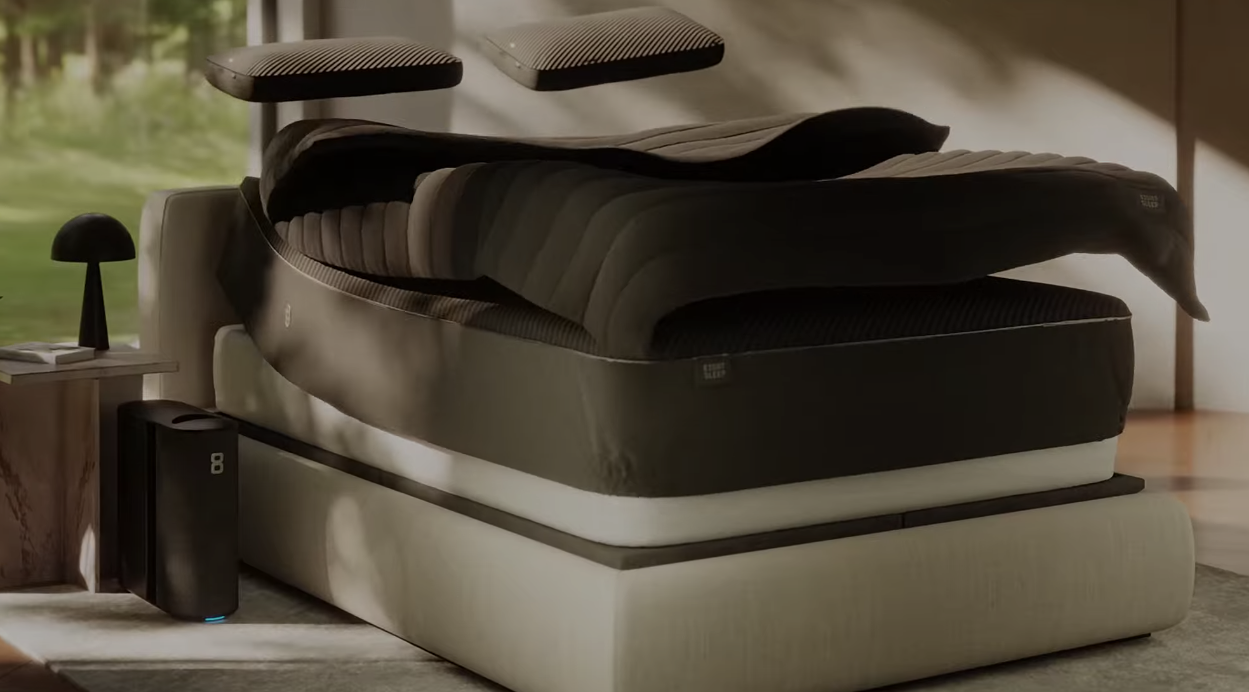
Eight Sleep isn’t designed specifically to treat sleep apnea; I want to be clear on that. But what it does do is address two things that are often closely connected to it: snoring and your sleep position.
Both of these can actually play a vital role in how disruptive sleep-disordered breathing feels night to night. For people who snore, or perhaps share a bed with someone who does, these features from Eight Sleep can make a noticeable difference in sleep quality, even if they don’t address the underlying medical condition.
To make full use of Eight Sleep’s features that help with snoring and apnea, you’ll need the Pod system, which consists of a mattress cover and a “hub,” and the base, which goes over your bed frame and under your mattress and allows the system to adjust your sleeping position.
How Eight Sleep Detects Snoring
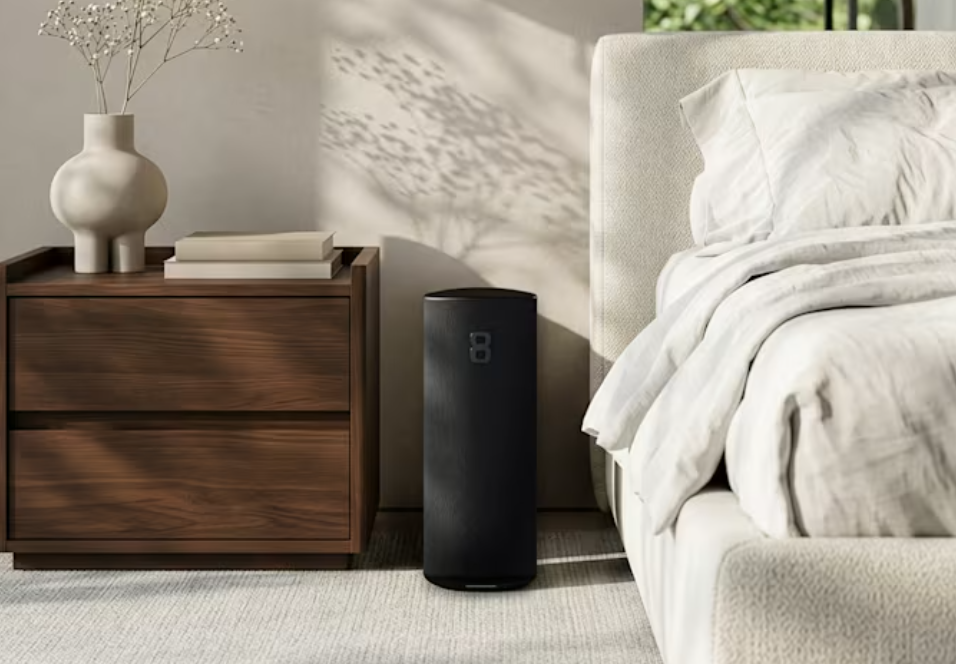
One of the more interesting parts of Eight Sleep’s system is how it detects snoring, as it’s not how you’d think it would. It doesn’t actually rely on sound, like an app or microphone. Instead, the Pod uses built-in sensors to detect vibrations in the bed that are associated with snoring.
This is important because it’s more consistent than audio detection and it doesn’t depend on background noise levels. It also works passively without needing to record sound. You don’t have to actively “track” your snoring, it’s just being monitored as part of the system’s overall sleep data.
What Automatic Elevation Actually Does
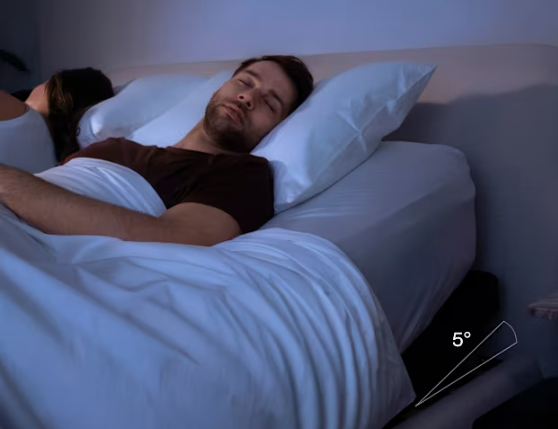
Once snoring is detected, the system will respond in real time by adjusting the bed. More specifically, the adjustable base will gently elevate your head. It’s not dramatic, like a fully adjustable bed.
It’s actually subtle enough that many people don’t even fully wake up, but it elevates just enough to shift the airway slightly and reduce the conditions that cause snoring.
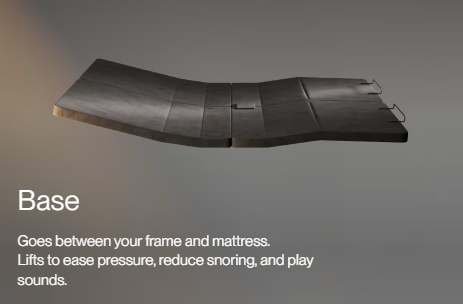
This type of adjustment is based on the very well-known concept that sleep position can affect airway openness.
When you’re lying flat, especially on your back, the airway is more likely to collapse or become restricted. Elevating your head can help reduce that.
Snoring Reduction: What The Data Tells Us
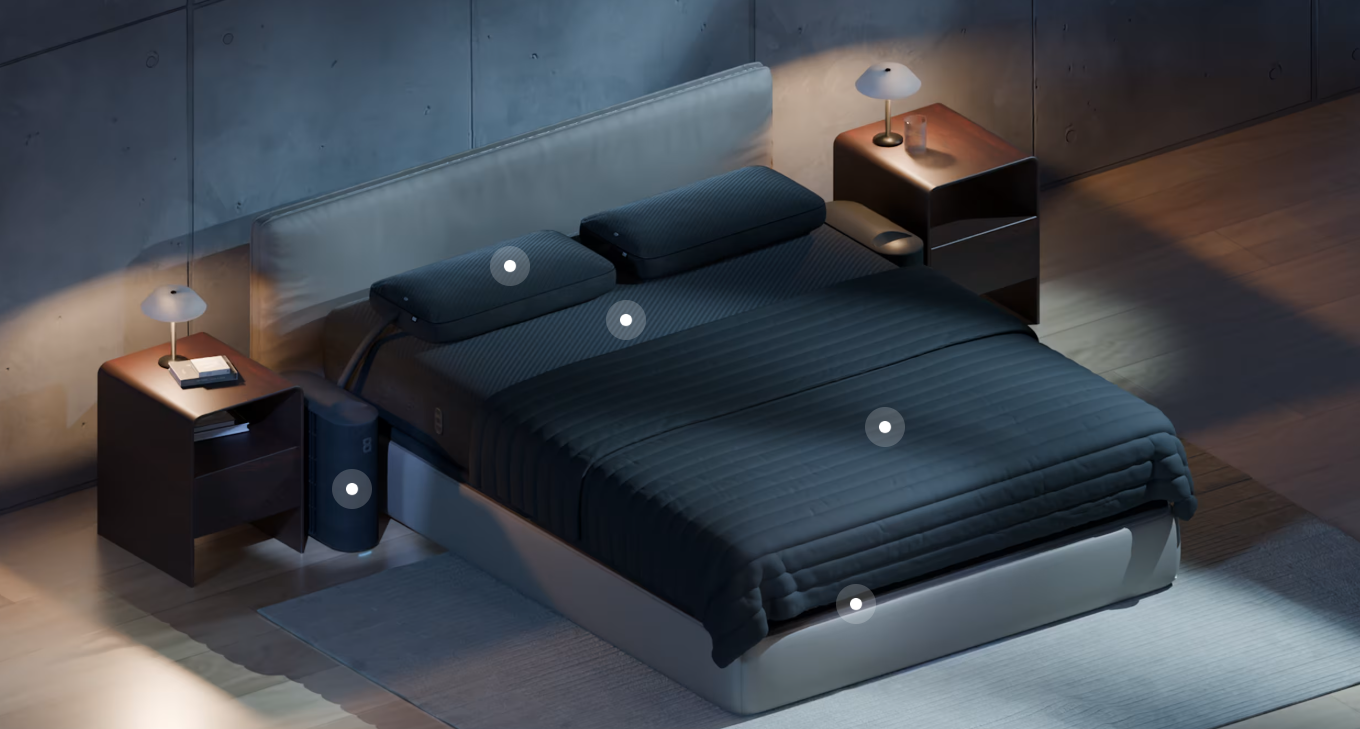
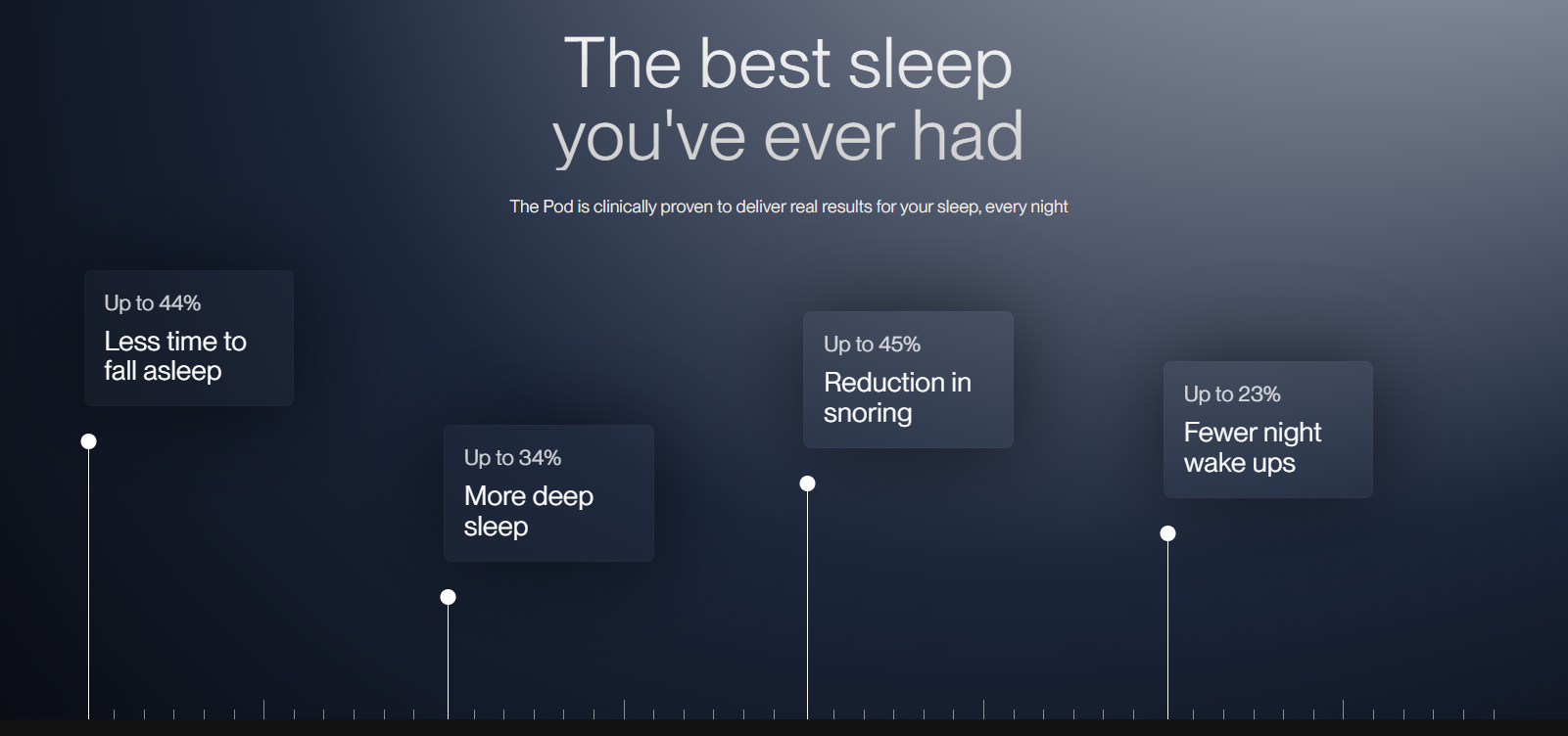
According to Eight Sleep’s internal studies from their Pod 4 Ultra, this automatic response system can reduce snoring by up to 45%.
That’s a significant reduction, especially for people dealing with consistent snoring, partner disturbances, and frequent nighttime disruptions. However, it’s important to note that this feature doesn’t reduce sleep apnea events directly. It helps reduce the snoring behavior and position-related disturbances, which are part of the overall experience.
Why This Matters for Sleep Apnea

Sleep apnea and snoring are related, but they aren’t the same thing. Snoring is often a symptom or side effect of airway restriction. Sleep apnea involves repeated pauses in breathing that require medical attention and proper treatment. While the two are connected, they exist on different levels in terms of severity and impact.
Where Eight Sleep can be helpful is in managing the environment around those disruptions, particularly the things that can make sleep feel more fragmented or exhausting night to night.
Reducing snoring can make a meaningful difference, especially for a partner sharing the bed. Even if the person snoring isn’t fully waking up, the sound and vibration can repeatedly disturb the other person’s sleep. By detecting snoring and responding to it in real time, the system helps minimize one of the most common sources of nighttime disruption and sleep divorce for many partners who share a sleep environment.
Adjusting sleep position can also play an important role in airflow. Elevating the head slightly can help reduce the pressure buildup and support open breathing. This won’t actually treat sleep apnea itself, but it does align with what we already know about sleep positions and snoring.
Minimizing awakenings is another important piece. Sleep apnea and snoring often lead to repeated micro-awakenings, where the body shifts out of deeper sleep stages. Even if you don’t fully wake up, these interruptions can add up, leaving you feeling unrefreshed in the morning. By reducing snoring and making subtle positional adjustments, the system can help create a more stable sleep environment, which may support better overall sleep quality.
For someone already being treated for sleep apnea, this kind of support can make sleep feel more restful and more comfortable. It doesn’t replace medical treatment, but it can complement it by addressing some of the secondary disruptions that still affect sleep quality.
If you’re someone who snores, but haven’t been diagnosed with a sleep condition, it may help reduce nightly disruption and improve comfort. But persistent symptoms like loud snoring, gasping, or excessive daytime fatigue should still be evaluated by a healthcare provider, since those can be signs of an underlying condition that requires medical attention.
Snoring and Your Partner
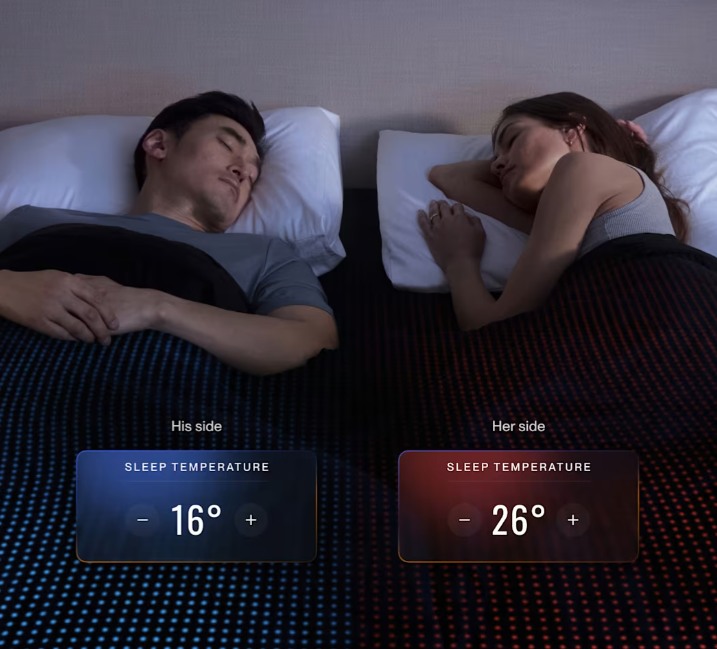
As I mentioned earlier, one of the most overlooked parts of snoring is how much it affects the other person in the bed. Even if the person snoring doesn’t fully wake up, their partner often does. Repeatedly.
Over time, this creates a situation where one person sleeps lightly or poorly and the other may not realize how disruptive their snoring actually is. This can lead to friction between partners about sleep, fights, and eventually sleep divorce, which is when two partners sleep in separate beds. This is where automatic adjustment becomes particularly useful.
Instead of having to nudge your partner to stop snoring, wake them up or even try to reposition them manually yourself, the system will respond on its own.
It turns something reactive into something automatic, which is a big shift in how these issues are handled night to night by most couples (not well).
What This Means Every Night
One thing that’s easy to overlook when you’re talking about features like snore detection and automatic elevation is what this actually feels like in practice. Because in reality, most people aren’t thinking about “airflow mechanics” or sleep positioning when they’re laying in bed. They’re just trying to get through the night without being woken up over and over again.
Eight Sleep is passive, so there is no moment you have to consciously intervene, adjust your position, or wake your partner to get them to stop snoring. The system monitors and responds quietly in the background.
For many people, this changes the overall experience of sleep from something that feels reactive to something that feels more stable. Instead of waking up, adjusting, settling back in, and repeating throughout the night, potentially ruining your sleep cycle, the system is handling the adjustments for you.
This might make sleep feel deeper, even if the underlying condition hasn’t changed. You may not necessarily notice a dramatic difference in a single night, but rather a gradual shift in how restful your sleep feels across multiple nights. For couples, this can be even more noticeable. The person who is affected by the snoring might even find themselves waking up less often, which reduces that built-up tension that occurs right before a sleep divorce.
What Eight Sleep Doesn’t Do
It’s just as important to be clear about what this technology doesn’t do for someone with sleep apnea.
Eight Sleep does not diagnose sleep apnea. It cannot treat it, and it absolutely does not replace using a CPAP or other medical devices.
If you or your partner are experiencing:
- Loud, chronic snoring
- Gasping or choking during sleep
- Excessive daytime fatigue
These are signs that should be evaluated by a healthcare provider. Think of Eight Sleep as a supportive layer, not a solution to the underlying condition.
Who This Might Be Useful For
Eight Sleep’s snoring and elevation features makes the most sense for:
- People who snore regularly
- Couples where one partner’s snoring disrupts the other’s sleep
- Individuals already managing their sleep apnea who want to improve comfort and sleep quality
- Anyone dealing with position-related sleep disturbances
It won’t replace treatment, but it’s a useful tool you can use to help improve the overall sleep environment.
The Bigger Picture
Sleep apnea is complex, and managing it usually requires a combination of medical care and lifestyle adjustments. Technology like Eight Sleep fits into a slightly different category.
It won’t treat the condition itself, as we know, but it does address the night-to-night experience of disrupted sleep, which is often what you’ll feel the most. By combining snore detection through vibration sensing, real-time bed adjustments, and ongoing sleep tracking, it adds a layer of responsiveness that traditional sleep setups don’t have.
If you’re dealing with sleep apnea or think you might be, the first step will always be to get a proper medical evaluation done. But if snoring, sleep position, and general nighttime disruption are a part of the picture, tools like Eight Sleep can play a supportive role in making sleep feel more manageable. We’re not trying to replace treatment, just make sleep for you (and your partner) feel just a little bit more restful.
Related Posts:





Stephanie Hope is a Certified Sleep Science Coach with additional training in stress management and longevity coaching. With over a decade of experience in digital media, she has created wellness, lifestyle, and commerce content for brands like Fortune, Reader’s Digest, and BuzzFeed. Stephanie is passionate about helping readers find practical strategies that support healthier daily living.