

Peptide therapy is no longer confined to niche wellness circles. Clinics advertising peptides for weight loss, recovery, longevity, muscle strength, hormone health, and sleep are now fairly common. While some offer a structured, medically supervised program, others operate more like an online supplement store with telehealth forms.
Therapeutic peptides can act similarly to hormones, signaling molecules, or growth factors by interacting with receptors that regulate specific biological processes. They bind to receptors on the cell surface and trigger specific effects within the cell. Like proteins and antibodies, they work with high precision and strong binding ability. What sets peptides apart is that they are generally less likely to cause immune reactions and are often cheaper to produce than biologics.
It’s important to understand that ‘peptide therapy’ is a broad category. Some peptides are FDA-approved for specific medical uses, while others are prescribed off-label or remain under active clinical research. The quality of evidence can vary significantly depending on the peptide and intended use.
When you’re looking for a peptide therapy clinic, consider evaluating the fundamentals rather than falling for ranked lists and viral trends. Does the clinic run proper bloodwork? Are qualified physicians involved? Do they provide ongoing monitoring? What is included in their pricing? Are they based on real medical oversight or aggressive marketing?
Drawing on my background in biology and human physiology, I’ll walk you through practical criteria for comparing peptide clinics and distinguishing more comprehensive, medically supervised programs from minimal-prescription services below, ultimately discovering the Best Online Peptide Therapy Clinics.
At a Glance
- Peptide therapy clinics can differ in quality.
- The best providers focus on proper medical oversight, lab tests and bloodwork, personalized treatment plans, and ongoing monitoring rather than just selling prescriptions online.
- Look beyond the usual marketing claims and evaluate physician involvement, lab testing, pricing transparency, follow-up care, and long-term support.
- Popular online peptide therapy providers such as Lifeforce offer expert-driven healthcare with long-term monitoring and care, along with lifestyle and health coaching.
What Makes a High-Quality Peptide Therapy Clinic

The first thing a good peptide therapy clinic does is work like your healthcare provider, not like a wellness brand.
Many peptide providers focus primarily on marketing and convenience rather than the medical aspects of treatment. Some function mainly as prescription pipelines, while others offer peptides without any monitoring.
A legitimate peptide therapy clinic usually starts with a comprehensive medical evaluation and creates a treatment plan based on your health data. The therapy includes basic lab testing, consultation sessions with clinicians, assessment of your symptoms and goals, and a personalized treatment plan.
The best peptide therapy programs will also acknowledge the fact that peptides will not work the same way for everyone. People can have completely different underlying issues despite feeling low in energy and looking for solutions. Some could be suffering from sleep and stress issues, while others could have hormonal imbalances or metabolic problems. Responsible clinics will understand these differences and won’t prescribe identical protocols to every customer.
People who seek peptide therapy usually have some of the following goals in common:
- Weight management
- Energy and cognitive performance
- Recovery and performance
- Muscle preservation
- Sleep support
- Hormone optimization
- Longevity and healthy aging
However, monitoring and adjusting the treatment plan over time is important to support these goals safely. A credible clinic will ensure that peptide therapy is an ongoing medical process, not a quick-fix, one-time online purchase.
This is what can differentiate a reputable health provider from gray-market operators.
Medical Oversight: The First Step to Start

As a buyer, the first thing you should find out is who is prescribing the treatment in the peptide clinics. Some clinics are operated by physicians, and lab results are reviewed by licensed doctors, who also conduct regular consultations and adjust your treatment plan over time. On the other hand, some barely involve clinicians beyond signing prescriptions.
This difference is important because peptides impact multiple systems in your body, including appetite, blood sugar, inflammation, hormones, and recovery pathways. If the treatment is not properly monitored or the dosage is incorrect, it can lead to complications.
A credible clinic should clearly state who is reviewing your medical history, who is prescribing your treatment, who is monitoring your progress, who is the contact person in case you have any questions or side effects, and how your treatment plan will be tweaked over time to meet your goals.
Transparency around medical licensing and compliance is also a big green flag. Legitimate clinics should operate within prescription standards and use licensed providers appropriately.
The intake process is also something buyers need to pay attention to. Approving patients after just a short questionnaire shows they are prioritizing volume over quality care. A more appropriate process would involve elaborate intake forms, lab reviews, and a conversation with a clinician before you start taking the peptides.
If any of this information is unavailable or difficult to find, it’s a red flag. Other concerns include unrealistic promises and generic protocols for every patient.
Bloodwork and Testing: The Main Quality Check
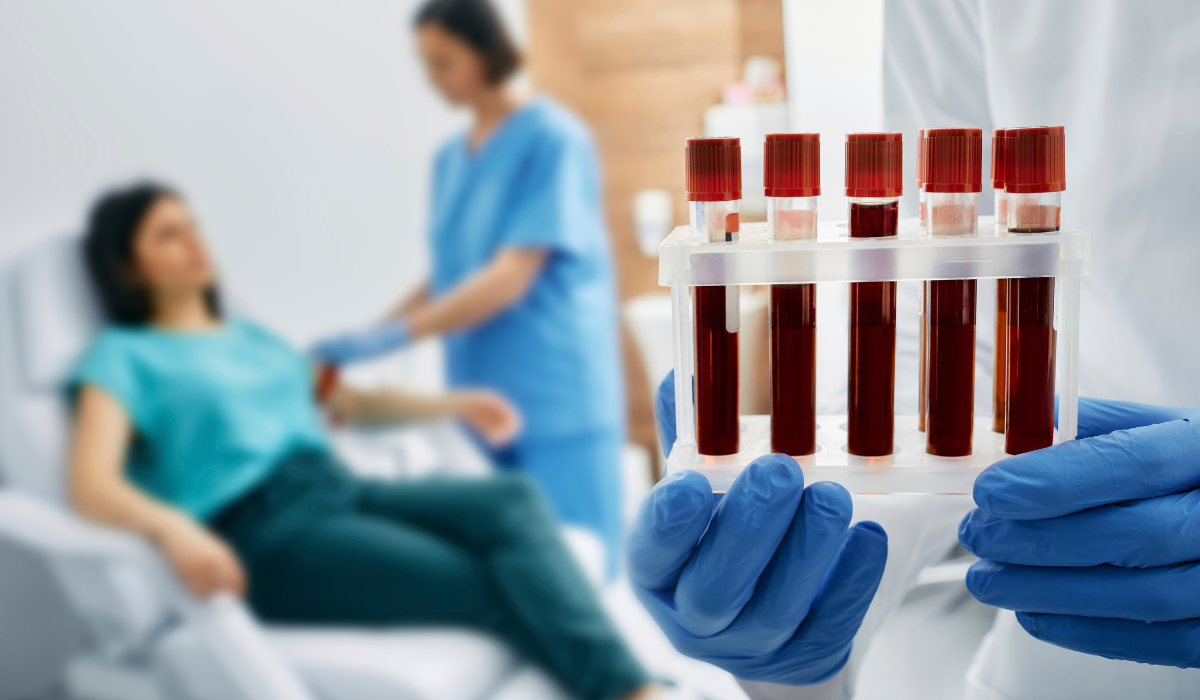
Blood testing is one factor that separates high-quality from low-quality peptide clinics. A good idea is to start your blood work before treatment and continue the testing throughout the program. The information from the blood test helps clinicians determine whether peptide therapy is appropriate in the first place and how aggressive the treatment should be. Without data, clinics are just guessing rather than making informed medical decisions.
Depending on the clinic you choose and your treatment goals, the tests may include:
- Blood glucose and insulin
- Hormone markers
- Inflammation markers
- Metabolic markers
- Nutrient levels
- Liver and kidney function
- Lipids and cardiovascular markers
Follow-up testing is equally important, as your body’s response changes over time, and the dosage of peptides should be adjusted based on your symptoms, side effects, and lab results.
Lower-cost clinics do less lab testing to avoid expensive lab costs and reduce margins. Other clinics offer peptides with little or no ongoing monitoring beyond prescriptions. This keeps upfront pricing attractive while reducing treatment quality and increasing health risks. Healthcare providers who offer long-term health optimization invest more in quality diagnostics and post-treatment care.
Pricing: Understanding What’s Included
Comparing the pricing of peptide therapy clinics can be difficult because they offer different services. Some clinics offer low monthly rates but then charge you separately for lab tests, consultations, medications, and follow-up consultations. Other clinics club everything into large membership fees.
This is why, as buyers, you should focus more on the total care cost rather than just the advertised price.
Pricing usually include:
- Monthly memberships
- Pay-per-consult models
- Medication-only pricing
- Multi-level optimization programs
- Tailored subscriptions
Before signing up, you should clarify exactly what’s included: basic lab testing, follow-up blood tests, access to a physician, scheduled appointments, shipping fees, treatment plan adjustments, and messaging support.
Some clinics reduce the cost by limiting medical involvement and testing. So, there will be fewer labs, minimal follow-up care, and little access to clinicians. That doesn’t mean higher-priced clinics are better, but you should assess what you’re paying for.
Transparency also plays an important role. Credible clinics are straightforward about what they offer and at what price.
Long-term Monitoring: How Does it Work?

Most of us focus on the initial consultation, but quality peptide therapy is all about continuous tracking. A good clinic should have a structured follow-up process after treatment begins. This process helps clinicians track progress, manage side effects, and adjust protocols as needed.
A well-designed monitoring program should include regular follow-up appointments, frequent blood tests, ongoing tracking of your symptoms, dosage adjustments, continuous communication with clinicians, and regular review of your progress and goals.
Such a structured program is important because people respond differently to peptide therapy. It also prevents common issues like under- and overdosing, far-fetched expectations, or ongoing treatment that is ineffective for a long time.
So, the next time you choose a peptide therapy clinic, ask these common questions:
- How frequently are lab tests done?
- How are the side effects handled?
- Does your treatment plan evolve over time?
- Do you get clinical support between appointments?
While some clinics offer long-term communication and proactive care, others become difficult to reach after onboarding is complete. This difference can hugely impact your experience as a patient.
Online or Local Clinics: How to Choose?

Most of us assume that local clinics are more reliable and trustworthy than online clinics, but that’s not necessarily true.
Some of the most credible peptide programs today operate via telehealth-based models. Broader expertise, advanced diagnostics, and ongoing monitoring are among the features that online clinics can offer better than local wellness centers.
Additionally, online clinics offer convenient appointment scheduling and access to specialists from the comfort of your home. Many popular health providers today are based on hybrid models that combine online consultations with local lab partnerships and long-term remote monitoring.
Best Peptide Therapy Clinics
Now that we have walked through the decision framework and criteria that can differentiate a reliable, trustworthy clinic from the bare-bones operators, let’s look at some of the legit and credible contenders in the online peptide therapy landscape.
Lifeforce

Medical Oversight: Scheduled blood draw, comprehensive health questionnaire, and virtual consultation with a licensed clinician. Personalized treatment recommendations are provided based on biomarkers, symptoms, and health goals.
Bloodwork & testing: Testing of 50+ biomarkers, initial diagnostic blood testing with follow-up bloodwork conducted quarterly to monitor biomarkers and treatment response.
Pricing: Membership plans are $149 monthly and $599 annually. One-time diagnostic testing is $599. Peptides, medications, and supplements are priced separately depending on the treatment plan.
Ongoing monitoring: Long-term quarterly monitoring with regular reassessment and adjustments to personalize and optimize the treatment plan over time.
Additional features: Lifestyle and health coaching, health tracking dashboards, personalized wellness insights, discounts on peptides and supplements for members, hormone optimization, longevity-focused care, and telehealth support.
TRT Nation

Medical oversight: Selection of treatment, bloodwork review, virtual consultation with a licensed provider, and delivery of medications to your doorstep.
Bloodwork & testing: Initial bloodwork is required before treatment. Follow-up labs after 10 weeks, then every six months, and annually once stable. Lab reports from outside can be uploaded or ordered through the clinic.
Pricing: TRT plans start around $99/month; lab testing is approximately $129 when ordered through the clinic. No long-term contracts.
Ongoing monitoring: Continuous virtual follow-ups and protocol adjustments based on lab results and symptoms.
Additional features: Apart from their popular testosterone therapy, they also offer weight loss, anti-aging, and sexual health programs.
Peter MD

Medical oversight: Full-body comprehensive testing of up to 129 biomarkers, review of results, customized treatment plan with prescribed medications, and tracking of your health goals over time.
Bloodwork & testing: Baseline labs required before starting therapy, with follow-up testing depending on treatment protocol and patient response.
Pricing: Subscription-style pricing varies based on therapy type and peptide protocol.
Ongoing monitoring: Ongoing provider support with treatment adjustments based on progress and lab markers.
Additional features: Includes telehealth-based hormone optimization, peptide therapy, performance-focused programs, medication shipping, and personalized wellness plans.
Low T Nation

Medical oversight: Virtual consultation with licensed providers after review of symptoms and lab results.
Bloodwork & testing: Patients can upload existing lab work or order labs through the clinic. Follow-up assessments and lab reviews occur approximately every 5 months.
Pricing: Free consultation followed by $150 for lab tests; the treatment price depends on clinical review, care path, and approved treatment plans.
Ongoing monitoring: Long-term follow-up care every 8 weeks for 5 months. Treatment plan modifications as needed.
Additional features: Along with peptide therapy, they also offer hormone and thyroid optimization and sexual wellness.
Ways2Well

Medical oversight: Comprehensive health assessment, consultation with medical providers, interactive digital review, and personalized supplement and prescription support.
Bloodwork & testing: Extensive baseline testing with periodic follow-up lab assessments depending on treatment goals and peptide protocol.
Pricing: Membership-based model at $49.99 monthly and $599 annually, with additional charges for extra consultations.
Ongoing monitoring: Continuous monitoring with personalized treatment adjustments, wellness tracking, and provider follow-ups.
Additional features: Apart from peptide therapy, they offer detailed blood work for hormone optimization and cancer risk assessment, cell therapy, and physical clinic locations.
My Final Thoughts

When peptide therapy is positioned as a structured medical process rather than a quick wellness trend, it can be most effective. What matters is the quality and not flashy marketing claims or low monthly pricing. Regular bloodwork, medical oversight, personalized treatment planning, and ongoing assessments can help support a safer and more informed experience.
Ultimately, the right peptide therapy clinic is one that prioritizes clinical oversight, individualized guidance, and ongoing monitoring over transactional prescribing. Choosing well comes down to understanding how a program operates in practice; not just how it is marketed.
Related Posts:






Neha Rai is a PhD-trained scientist with extensive experience in both academic and industrial research, as well as science education. As a medical writer, she creates SEO-friendly, clear, and evidence-based content. She is passionate about making complex health information accessible and promoting health equity.