
Review by Dr. Trevor Jackson, DC, MS, CCSP
Licensed chiropractor and Certified Chiropractic Sports Physician specializing in sports rehabilitation and nervous system health, Mobile, AL.
Both Nuropod and Truvaga are non-invasive vagus nerve stimulation devices you use at home, at work, or on the go. Both target the vagus nerve with electrical stimulation through the skin, with the goal of influencing the parasympathetic nervous system to regulate stress relief, better sleep, and improved focus.
But although they share the same mission, they differ in almost every other practical detail. Where they stimulate the nerve, how you’ll wear/use them, what the sessions look like, how much they cost over time, and how extensive the published research is.
I’ve tested both over the last six weeks and dug into the research behind each. Here’s Nuropod vs Truvaga and how they compare.
The Devices at a Glance
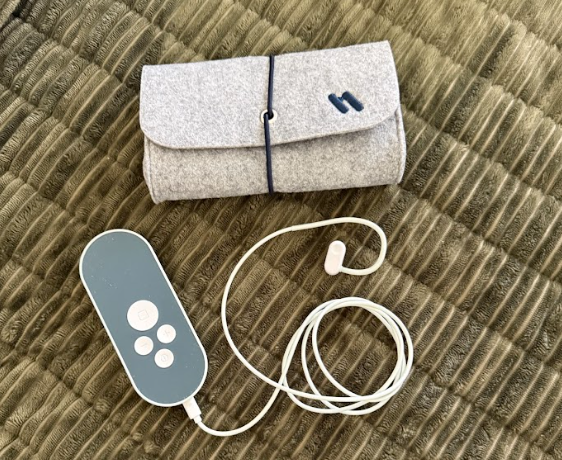
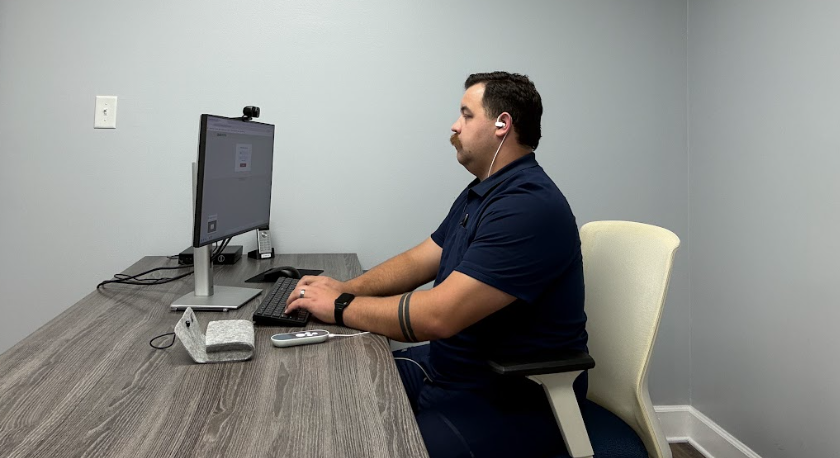
Nuropod is made by Parasym and clips onto the tragus of your ear, the small flap of cartilage near your ear canal. It stimulates the auricular branch of the vagus nerve using AVNT (Auricular Vagal Neuromodulation Therapy) technology. The vagus nerve runs closest to the surface of the skin at the tragus, which is why ear-based stimulation has been the focus of much of the clinical research on transcutaneous vagus nerve stimulation (taVNS). They just offer the one device, no other models to choose from. The price: $900 (unless you catch one of their common 10% off promos, which will cut that price to just $810.
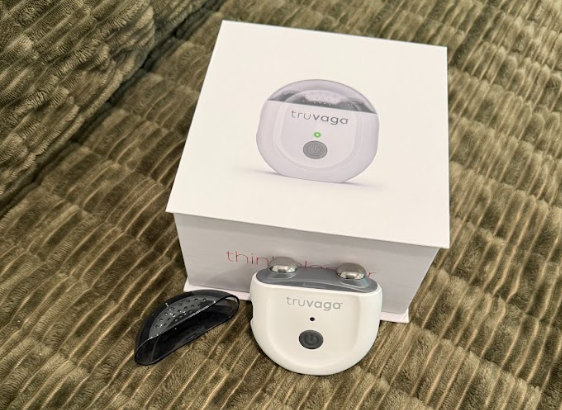
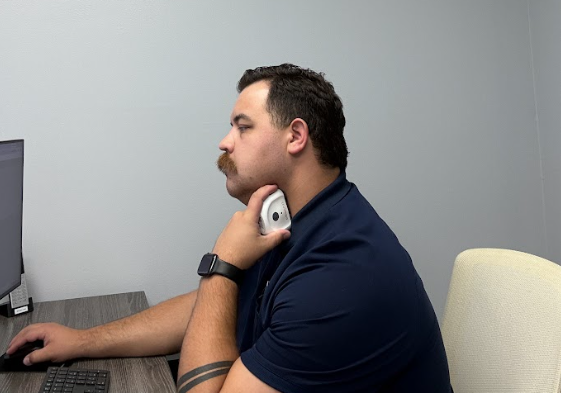
Truvaga is made by electroCore, the same company behind gammaCore, the first FDA-cleared non-invasive VNS device (a prescription product for headache conditions). Truvaga stimulates the cervical branch of the vagus nerve at the neck. You hold it against the side of your neck, right about where you would check for a pulse, and each session lasts about two minutes. It comes in two models: the Truvaga Plus ($499), which is rechargeable with unlimited sessions with access to their customizable app. The Truvaga 350 ($299) is preloaded with 350 sessions and has no app, no recharging, and no way to extend its life once those sessions run out.
Stimulation Method and Placement
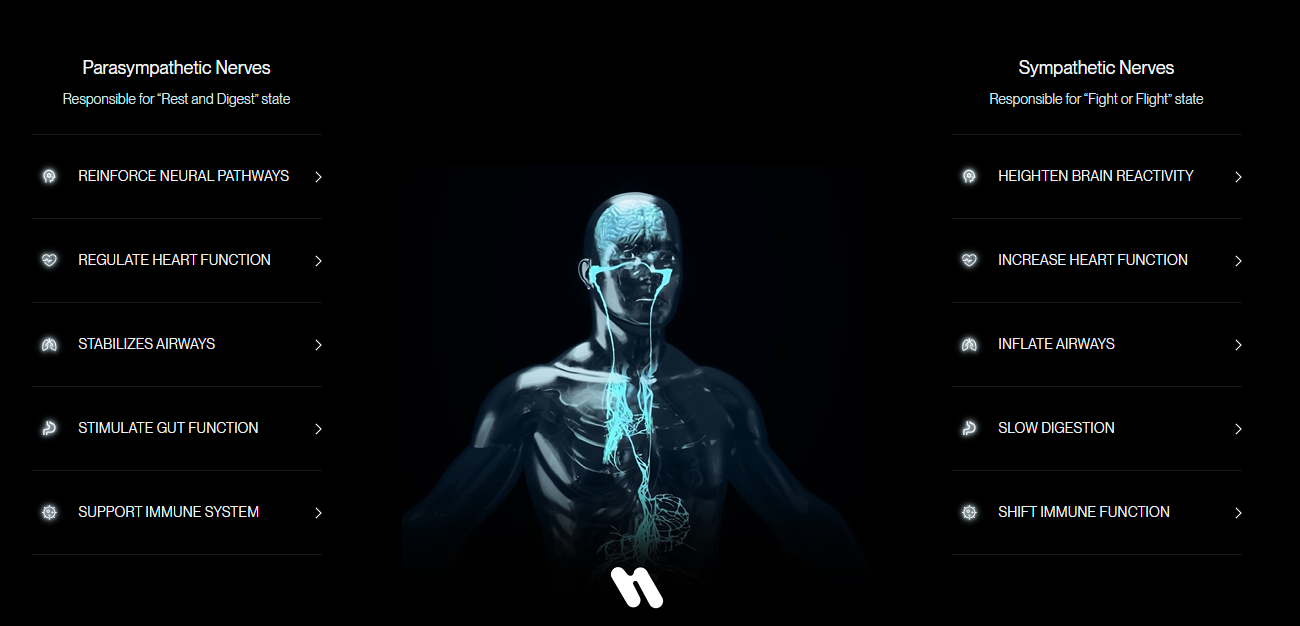
This is the most important technical difference between these two devices, and it shapes everything else in this comparison.
Nuropod targets the auricular branch of the vagus nerve through the tragus of the ear. This method is called transcutaneous auricular vagus nerve stimulation (taVNS). This branch of the vagus nerve sits closest to the surface at only about 1-3mm.
If a nerve is sitting deeper than 15mm, it is really difficult to reach. And if the vagus nerve in the neck is about 36mm, it is well beyond what those parameters reached in the study. The ear clearly offers a much more direct path to the nerve, which is one reason why ear-based stimulation does not require conductive gel or spray.
Truvaga targets the cervical branch of the vagus nerve at the neck through a method called transcutaneous cervical vagus nerve stimulation (tcVNS), which is the same approach used in electroCore’s gammaCore device for headaches. It requires a conductive medium (spray or gel), due to the thickness of the soft tissues, to maintain effective stimulation. This can create quite a mess and time to clean-up, as well as ongoing costs.
Clinical Research
Research is sometimes hard to track down, and although Parasym cites on their website that 60+ studies were conducted, they keep those close to their chest and are not readily available to the public. ElectroCore’s clinical studies were conducted on the gammaCore platform, and since Truvaga shares the same core technology and signal parameters, the underlying technology is validated, and results can be loosely inferred, but the consumer product itself has not gone through an independent clearance process.
My Daily Use and Effects
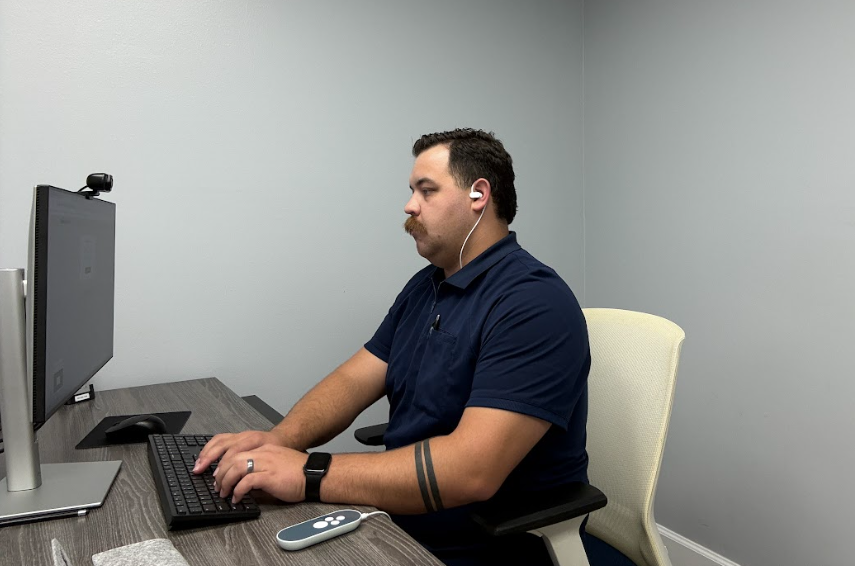
Nuropod clips onto your ear and stays there for the duration of your session, typically 15 to 60 minutes. Your hands are free. You set your intensity level (45 adjustable levels) and go about your day. The clip isn’t strong enough to stay in place during heavy activity or working out, but can easily be worn during lounging, walking, or sedentary work. One major pro for me is that there is no gel, spray, or conductive goop needed. Also, the battery is rated for daily use and should last for about a month on a single charge.
Personally, I’ve been using the Nuropod during my afternoon paperwork block at the clinic, typically 30-45 minute sessions. The first improvement I noticed was in my sleep. I started falling asleep faster and waking up feeling rested, a gradual shift over the first two weeks. The second was my afternoon energy. My 2 p.m. crash has softened to the point where I sometimes forget to make my afternoon coffee, which, for a three-cup-a-day person, is a noticeable change.
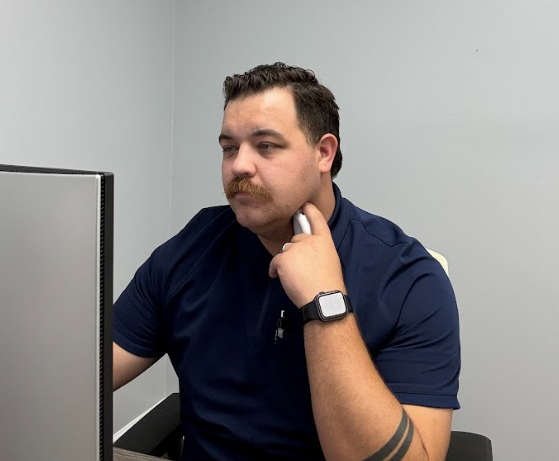
Truvaga is handheld. You hold it against your neck for each two-minute session. The brand recommends two sessions per day. Before each session, you apply conductive spray (Signaspray) or gel (Signagel) to your neck. The Truvaga Plus connects to a companion app for session control and tracking. The Truvaga 350 operates independently with no app or Bluetooth.
I tried Truvaga for a couple of weeks, and the best time for me was first thing in the morning and last thing at night. I added it to my bathroom routine. And I was actually able to stay consistent. Unfortunately, I never really noticed a difference, and I really disliked going to work or to bed with the gel residue still on my neck. Seemed like I had to shower and scrub to get it all off.
Nuropod gave me longer, hands-free sessions with no consumables. Truvaga gave me shorter sessions, but I needed to hold the device in place and reapply conductive gel each time.
Ultimately, whether you prefer a clip-and-go approach or a quick two-minute hold depends on your routine.
Cost of Ownership
Sticker price tells part of the story. Long-term cost tells the rest.
As mentioned before, you can get into Nuropod for $810, but if that still feels like too much directly out of pocket, you may qualify for their “4 interest-free installment plan”. There are no ongoing costs. No gel, no spray, no replacement parts, no subscriptions. The battery recharges via USB and lasts about a month per charge. The device comes with a 2-year warranty and a 30-day money-back guarantee. HSA/FSA eligible.
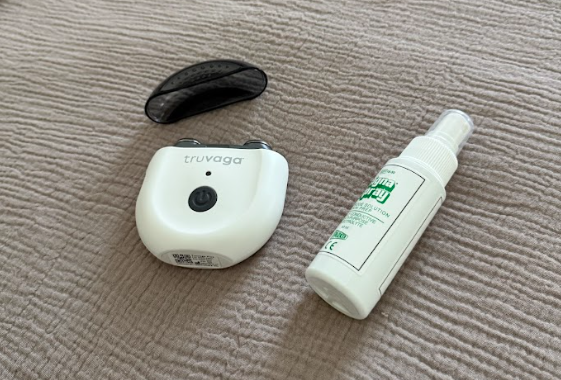
Truvaga Plus costs $499 upfront. It requires ongoing purchases of Signaspray or Signagel at approximately $45 per 6-pack (roughly a year’s supply). After the first year, the total cost of ownership sits around $544. The device comes with a 30-day return policy and is HSA/FSA eligible through Truemed.
Truvaga 350 costs $299 upfront, plus gel at around $45 per year. At two sessions per day, the 350 sessions last about six months. Once those sessions run out, the device is done. You’d need to buy another unit at $299 to keep going. After one year, the total cost is roughly $643 ($299 x 2 + $45 for gel).
Over a two-year period, Nuropod remains at $900. Truvaga Plus would run around $589 ($499 + ~$90 in spray/gel). Truvaga 350 would run approximately $1,286 ($299 x 4 units + ~$90 in gel). Nuropod’s upfront cost is higher, but the absence of consumables and unlimited session life makes it a more predictable investment.
What’s Included, Warranty, and Extras
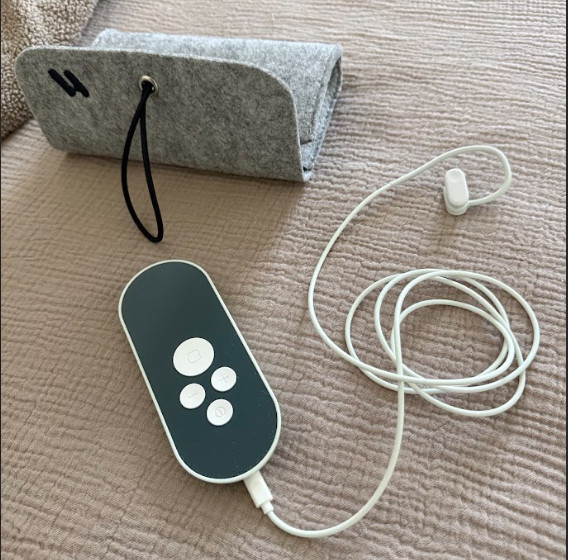
Nuropod comes with the device, an earpiece, a USB charger, a Quick Start Guide, and a protective case. The device carries a 2-year warranty, with earpiece damage covered for six months. Battery life is about a month per charge.
Truvaga Plus ships with the device, a USB-C charging cord, and one bottle of Signaspray. It pairs with a free companion app for session control and tracking. 10 customizable intensity levels. The device is guaranteed for at least 30,000 sessions or three years, whichever comes first.
Truvaga 350 ships with the device and Signagel. No app, no Bluetooth, no charging cord (it runs on a built-in battery designed for its session count). Once the 350 sessions are used, the device is finished.
Nuropod vs. Truvaga: Side-by-Side Comparison
| Nuropod | Truvaga Plus | Truvaga 350 | |
| Price | $900 ($810) | $499 | $299 |
| Stimulation Type | Electrical (taVNS) | Electrical (tcVNS) | Electrical (tcVNS) |
| Placement | Ear (tragus clip) | Neck (handheld) | Neck (handheld) |
| Session Length | 15-60 min/day | 2 min/session | 2 min/session |
| Hands-Free? | Yes | No | No |
| Gel/Spray Required? | No | Yes (Signaspray) | Yes (Signagel) |
| Intensity Levels | 45 | 10 | Adjustable on device |
| App Required? | No | Yes (free) | No |
| Clinical Studies | 60+ (device-specific AVNT) | Via gammaCore platform | Via gammaCore platform |
| Rechargeable? | Yes | Yes | No (disposable) |
| Session Limit | Unlimited | Unlimited (30K+ guaranteed) | 350 sessions |
| Warranty | 2-year device, 6-month earpiece | 30K sessions or 3 years | Limited |
| Money-Back Guarantee | 30 days | 30 days | 30 days |
| HSA/FSA Eligible? | Yes | Yes | Yes |
| Ongoing Costs | None | ~$45/year (spray/gel) | ~$45/year (gel) + new device every ~6 months |
Which One?
Nuropod: If you prefer hands-free, gel-free, clip-on sessions. You want a single purchase with no ongoing costs. You value longer, flexible sessions (15-60 minutes) that fit into a morning routine, a commute, or downtime. You’re comfortable with a higher upfront cost for a lower total cost of ownership over time.
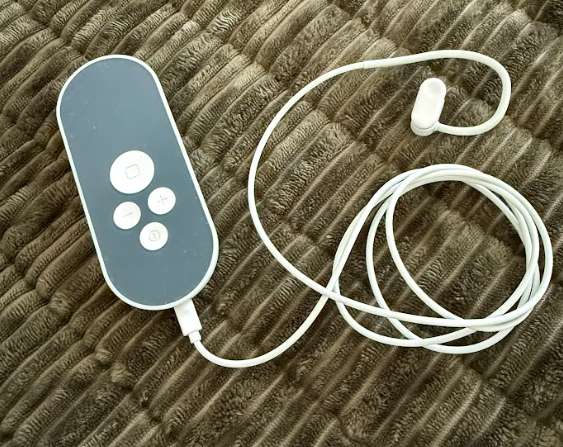
Truvaga Plus: If you want the shortest possible sessions (two minutes) and prefer holding a device rather than clipping it to your ear. If you’re interested in electroCore’s technology platform and its connection to the gammaCore line. You welcome the app-based session tracking and a lower upfront cost. And you must be okay with applying conductive spray before each session.
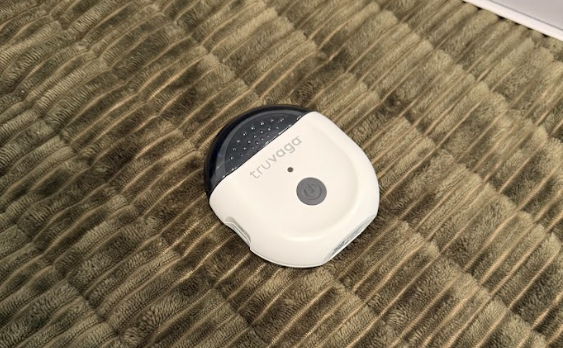
Truvaga 350: If you want to test vagus nerve stimulation before committing to a more expensive device. You prefer something with no strings attached. No app, no Bluetooth, no wires, and no charging. Be aware of the long-term cost: if you use it daily, you’ll need a replacement unit every six months, which adds up fast.
A Clinician’s Perspective
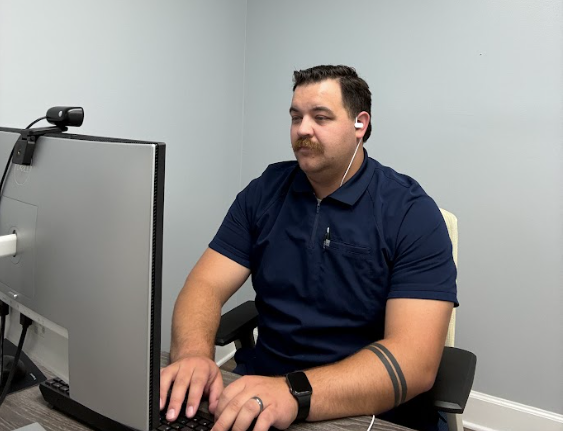
I work with patients dealing with pain, inflammation, and nervous system dysregulation on a daily basis. The vagus nerve is central to how the body manages stress, inflammation, and recovery. When vagal tone is low, I see it show up as poor sleep, chronic fatigue, digestive issues, slow recovery from workouts or injuries, and difficulty managing stress.
Before these devices existed, my best options for patients looking to improve vagal tone were intense breathing exercises. These were effective for some, but they require daily practice, consistency, and a level of commitment that many people don’t maintain. But now having access to a device that targets the nerve directly gives me something more to offer. Like I said, I’ve been using the Nuropod myself for several weeks now, and compliance is the thing that stands out as a non-issue. I clip it on and go to work. Simple. My patients who I’ve recommended it to report the same thing, easy to use, and easy to be consistent. And that alone separates it from most of what I’ve offered in the past.
I like what both Nuropod and Truvaga are accomplishing in this space. They both have origins with groups that seem really invested in improving the user’s quality of life. If you’re struggling with some of the symptoms we discussed earlier and you are considering VNS, talk to your healthcare provider before making decisions about your health. And whatever you choose, pair it with the basics: good sleep habits, regular movement, proper nutrition, and stress management. VNS works best as part of a holistic approach, not a standalone intervention.
Disclaimer: This article is for informational purposes only and does not constitute medical advice. The devices discussed here are consumer wellness products and have not been evaluated by the FDA to diagnose, treat, cure, or prevent any disease. Consult your healthcare provider before beginning any new health intervention.
Related Posts:


Trevor is a licensed chiropractor with a Master’s degree in Sports Medicine and hands-on experience in rehabilitation and physical therapy. He works daily with patients to restore movement, reduce pain, and improve performance. His real-world experience in injury recovery, mobility training, and evidence-based care allows him to translate complex musculoskeletal and sports medicine concepts into clear, practical guidance so people can move better, recover smarter, and stay active for the long term.