
There’s a special kind of frustration that comes with being an athlete who tracks everything and still wakes up tired.
If you already train with a Garmin, the routine should feel familiar: sleep score, HRV, resting heart rate, Body Battery, recovery status. You can usually tell when a hard block of training, stress, travel, or poor sleep has caught up with you, because the numbers will reflect it almost immediately.
Garmin is very good at connecting sleep to recovery and training load, but it’s still fundamentally a wearable built to measure what already happened overnight. Eight Sleep differs. Instead of focusing mainly on sleep tracking, Eight Sleep focuses on the sleep environment itself, especially temperature regulation throughout the night.
If your room runs hot, your mattress traps heat, or you keep waking up uncomfortable at 3 a.m., Garmin will reflect the impact in your recovery data the next morning. Eight Sleep is designed to address those conditions while you’re still asleep.
If you’re wondering whether Eight Sleep adds anything on top of a Garmin watch, the question comes down to whether tracking your sleep is sufficient, or whether you’re looking to actively optimize the environment you sleep in, too.
At A Glance: How Eight Sleep and Garmin Differ
Here’s how the two products compare across the things that do affect your sleep and recovery.
| Garmin | Eight Sleep | |
| How it works | Wrist-worn sensor | Sensors built into the bed cover |
| Data collected | Heart rate, HRV, movement, respiration | Heart rate, HRV, breathing rate, movement |
| Sleep stage tracking | Estimated from wrist-based signals | Captured via ballistocardiography |
| Accuracy | ~40–50% agreement vs clinical standard | 99% heart rate accuracy vs ECG |
| Environmental awareness | None | Real-time room temperature and weather |
| Active adjustments | None | Temperature, elevation, snore response |
| When it acts | Reviews data after you wake | Adjusts conditions while you sleep |
| Snore mitigation | None | Automatic elevation, reduces snoring by up to 45% |
| Recovery context | Connects sleep to training, strain, stress | Focuses on optimising the sleep environment itself |
| Best for | Tracking and awareness across training and sleep | Actively improving sleep quality at the source |
What Garmin Does Well
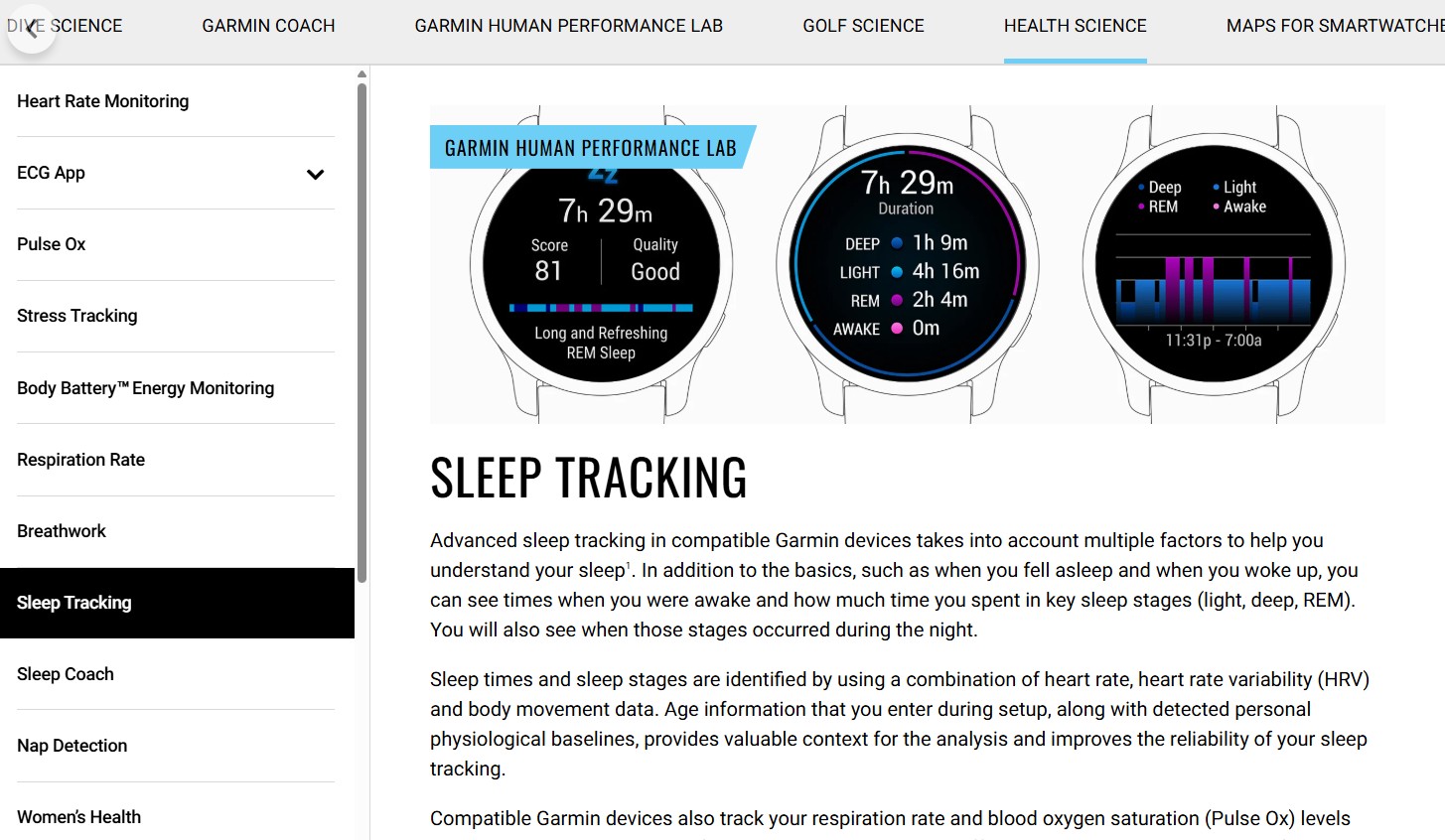
Let’s be clear: Garmin’s sleep tracking is good. If you’re already training with a Garmin, the sleep data you’re getting is useful.
Garmin tracks:
- Sleep stages (light, deep, and REM)
- Heart rate and overnight heart rate variability (HRV)
- Respiration rate
- Movement during sleep
That data feeds into metrics like Body Battery and recovery scores, which most Garmin athletes use to shape the next session. High recovery, push. Low recovery, pull back or keep it easy. Sleep feeds directly into how you train.
The Body Battery metric in particular is underrated. For athletes who struggle to self-regulate training load, who always want to go harder than they should, having a number that reflects overnight recovery in the context of cumulative stress is useful. It’s not perfect, but it gives you something concrete to argue against when your legs are telling you one thing but your ego is telling you another.
Garmin suits athletes who want a single device that connects sleep to everything else: training load, stress, daily activity, and recovery trends over time. If that broader picture is what you’re after, it delivers.
Where Garmin Has Limits
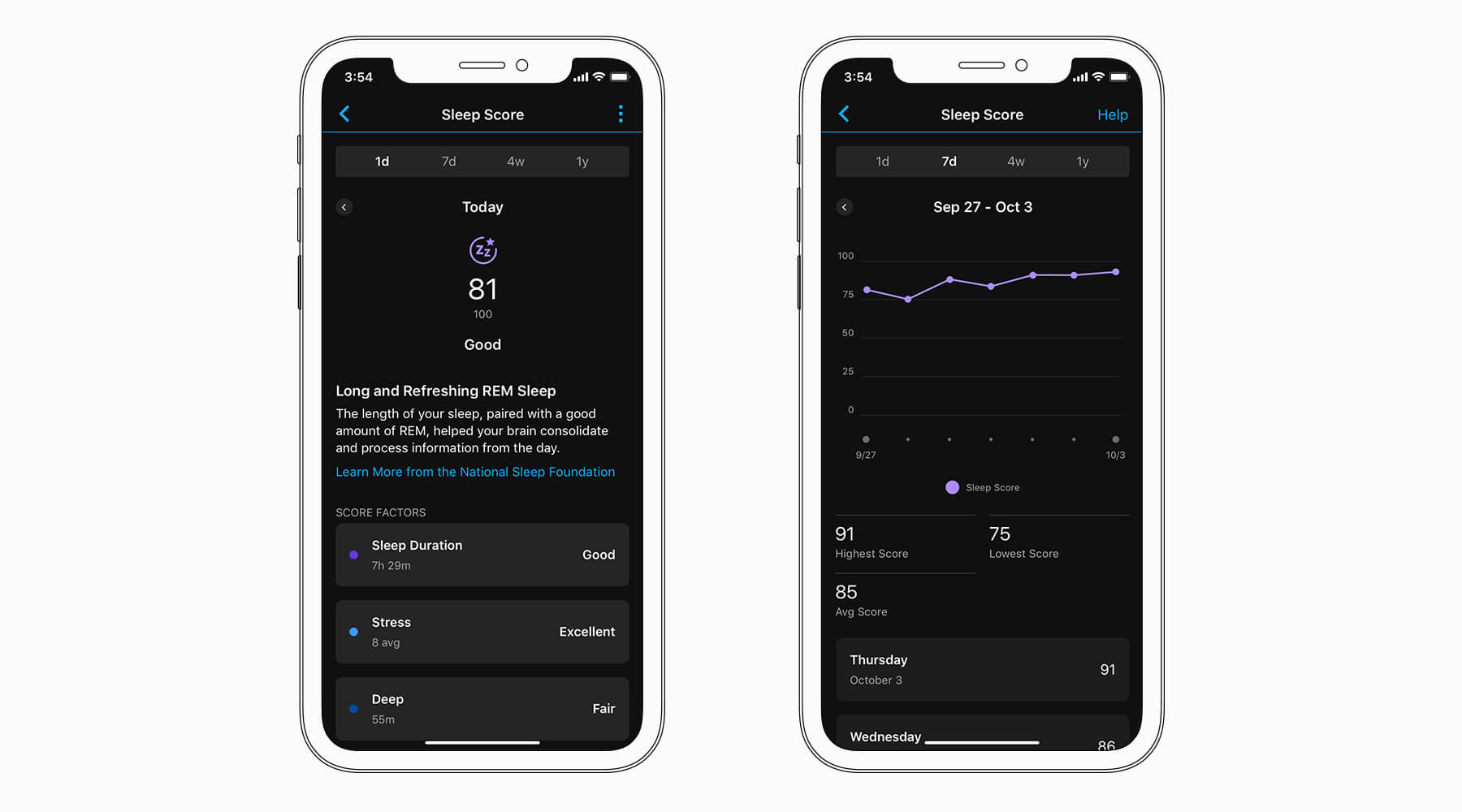
Understanding where Garmin stops is useful, not because it’s a flawed product, but because it clarifies what it was built to do.
Garmin is built to track. That’s what it does well, and for many athletes it’s enough. But tracking does have a natural boundary; it can show you what happened, but not why, and it can’t change anything while you’re asleep. Those two constraints are worth understanding before looking at what Eight Sleep adds.
1. Wrist-Based Data Has a Ceiling
Everything Garmin reports comes from your wrist. Sleep stages are inferred from heart rate and movement rather than directly measured. Independent research comparing consumer wearables against polysomnography, the clinical gold standard, puts Garmin’s sleep stage accuracy at around 40 to 50% agreement. It’s not a disaster, but it matters. You’re working with a directional guide, not a clinical readout.
In practice, Garmin is better at telling you that something changed than explaining what changed or why. If your deep sleep drops for a week straight, it’ll show you that clearly. What it can’t do is tell you whether that drop is coming from environmental heat, a disrupted sleep cycle, accumulated training fatigue, or something else entirely.
2. It Can’t See Your Environment
Room temperature, heat retention in your mattress, airflow, seasonal changes in your environment aren’t minor variables. They directly affect how quickly you fall asleep, how long you stay in deep sleep, and how often you surface during the night. Garmin picks up the downstream impact through changes in HRV, heart rate, and sleep stage distribution. But it can’t connect those numbers back to the conditions causing them.
What Eight Sleep Does
Eight Sleep is built to shape the conditions that determine sleep quality while it’s happening, not measure them after the fact. While most products in this space are still essentially observation tools, Eight Sleep is not.
1. Active Temperature Control
Temperature is probably the most underrated factor in sleep quality.
Your core temperature needs to drop by roughly 1°F to 3°F to initiate sleep. It continues falling through deep sleep and rises again as you move into REM. That cycle is tightly linked to how your sleep is structured. If your environment is too warm or your bedding traps heat, the cycle gets disrupted and you spend more time in lighter sleep, wake more often, and get less of the deep sleep that drives physical recovery. For athletes, that means slower muscle repair, reduced growth hormone release overnight, and heavier legs in the next session.
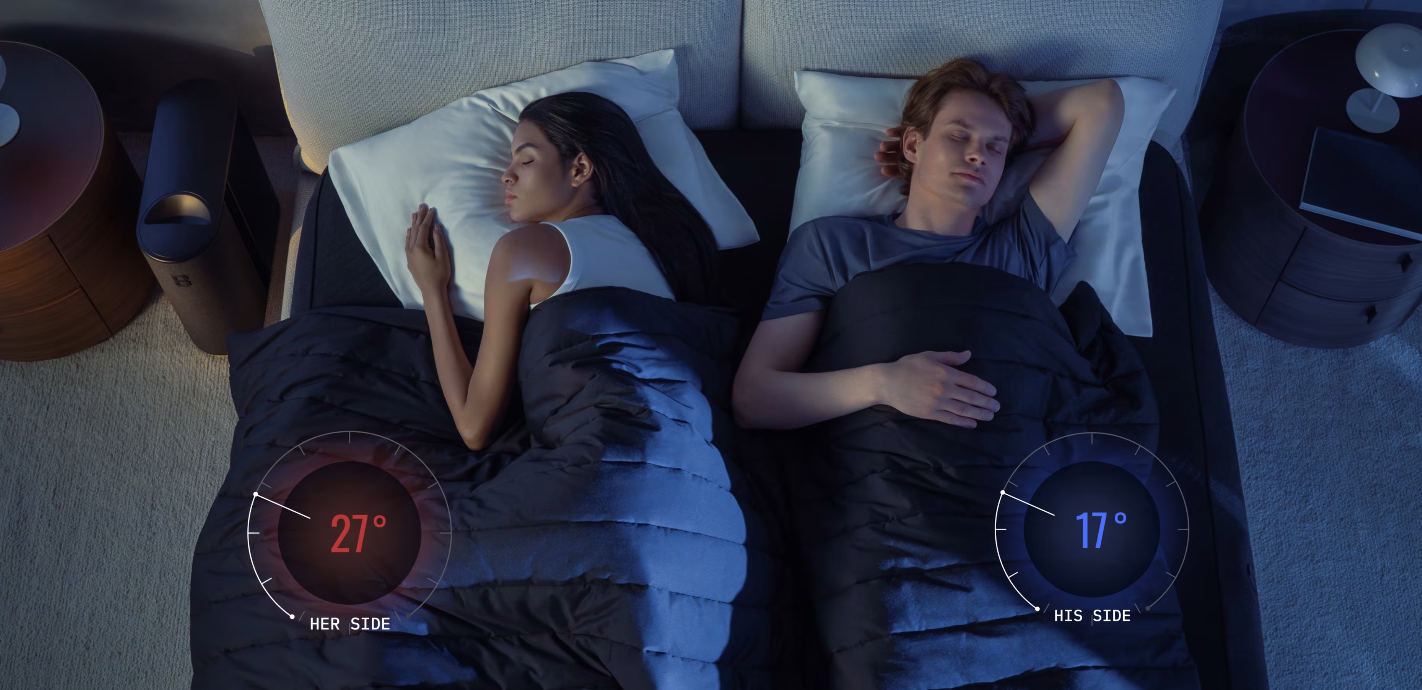
Eight Sleep adjusts your bed temperature throughout the night across a range of 55°F to 110°F, tracking your body’s natural temperature shifts as you move through each sleep stage. The Pod 5 can drop bed temperature by up to 20°F in under 30 minutes. If you share a bed, each side runs independently, so both partners can sleep at their preferred temperature.
2. Autopilot: A System That Learns Your Sleep
Eight Sleep uses a temperature controller called Autopilot. Autopilot uses biometric sensors, presence detection, and environmental inputs, including real-time room temperature and weather, to make continuous adjustments through the night. It accounts for your historical sleep patterns, temperature preferences, current sleep stage, age, and gender. The longer you use it, the more refined those adjustments become.
Most sleep systems give you a fixed set of controls and leave the rest to you. Autopilot removes that entirely. It accounts for the variables you’d never think to adjust manually, the shift in room temperature as the season changes, the difference in how you sleep after a hard session versus a rest day, and it handles them without you having to think about it.
3. Health Check: Clinical-Grade Tracking Without a Wearable
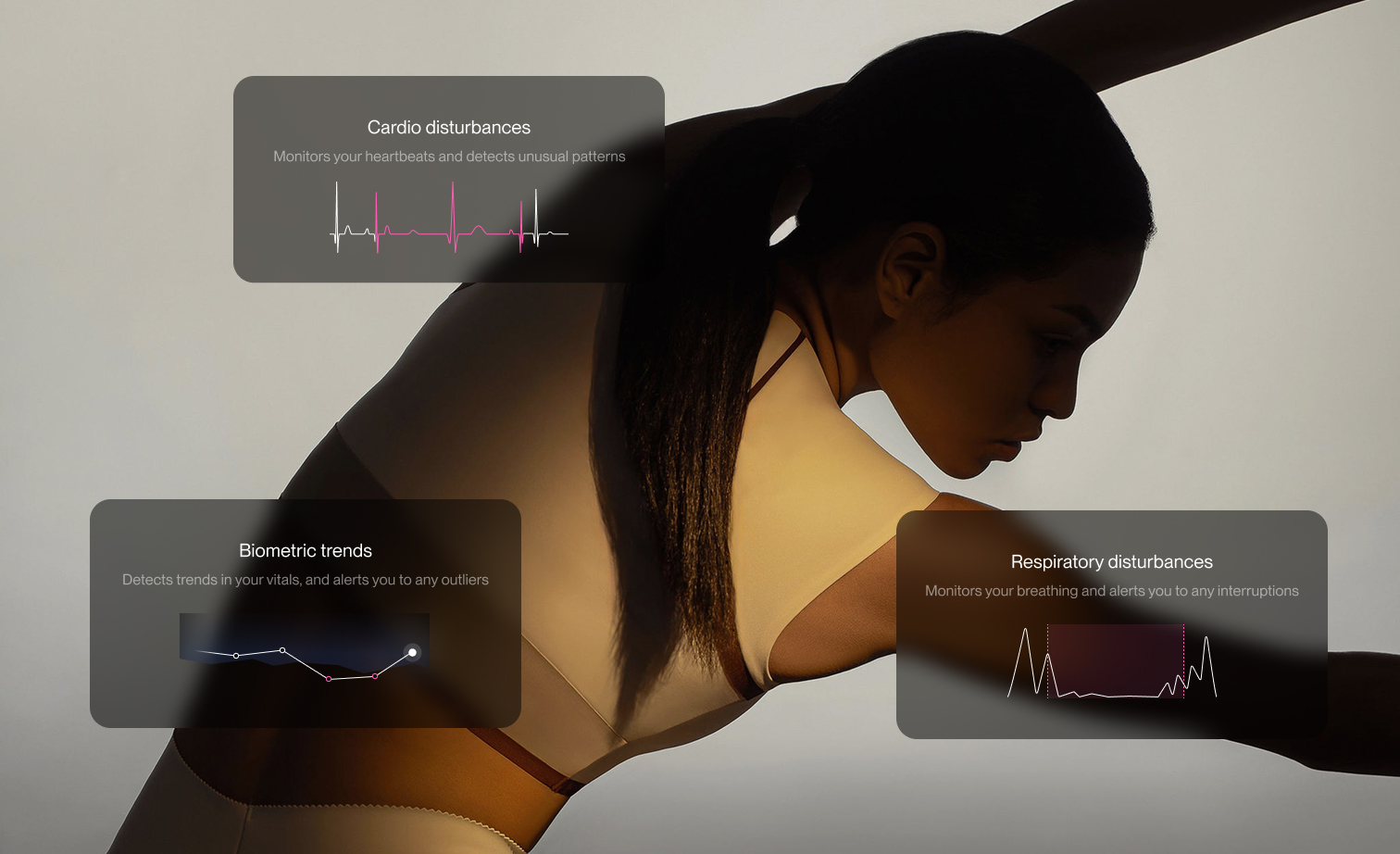
Eight Sleep tracks your sleep and health data without anything on your body. The Pod’s cover uses ballistocardiography, a method that detects the subtle physical movement your heartbeat creates in the mattress, along with other embedded sensors to monitor heart rate, HRV, and breathing patterns continuously through the night. Heart rate accuracy sits at 99% compared to ECG devices, without the signal limitations of wrist-based optical sensors.
4. Snore Detection and Physical Adjustments
Eight Sleep goes beyond temperature with physical interventions most people won’t expect from a mattress cover. But for anyone whose sleep gets broken during the night, these are the features that make the biggest practical difference.
The system detects snoring and adjusts head elevation automatically to open the airway. This has been clinically shown to reduce snoring by up to 45%. For athletes, sleep continuity is recovery, and anything breaking that up is costing you.
The Base also supports recovery positioning: adjustable elevation for back pressure relief after hard sessions, and an integrated speaker for white noise or soundscapes if your room needs settling before sleep. Eight Sleep can also extend into a temperature-regulating blanket and pillow cover, giving you full top-to-bottom thermal control across the entire sleep environment.
Where Eight Sleep Has Limits
Eight Sleep is a focused product. That focus is its strength, but it also defines what it doesn’t do.
1. It Doesn’t Connect to Your Training
Unlike Garmin, Eight Sleep doesn’t integrate with your workouts, training load, or daily activity. The data it produces is sleep-specific. If you want to understand how a hard session affected your recovery, or track strain across a training block, you’ll need another tool for that. For most athletes, that tool is already on their wrist.
2. It requires Setup and Commitment
Eight Sleep is a dedicated system. It requires installation, a water connection to the hub and time for the system to learn your patterns. Health Check builds its baseline over two to four weeks. Athletes looking for instant insight from day one will find Garmin’s approach more immediate. Eight Sleep gets better over time, but it asks for patience upfront.
Two Tools, One Goal
The two products essentially address different problems. Garmin allows athletes to understand recovery, while Eight Sleep focuses more on improving the conditions that shape it in the first place.
Garmin does what it was built to do well. It gives you a connected picture of your sleep, your training, and your recovery in one place. For a lot of athletes, that’s exactly enough.
Eight Sleep operates in a different space. It doesn’t track your training load or connect to your workouts. What it does is work on the quality of the sleep itself – the environment, the temperature, the conditions that determine how well you recover before any data gets recorded.
The two don’t compete, and a Garmin athlete adding Eight Sleep isn’t replacing anything. They’re just adding a layer that Garmin isn’t designed to cover.
- If you’re an athlete who wants sleep connected to training, strain, and recovery in one place – Garmin is built for that.
- If you’re an athlete who wants to actively improve the quality of the sleep itself, not just track it – that’s where Eight Sleep can come in.
- If you’re an athlete who wants both (the full picture and the ability to act on it) the two work naturally together.
The athletes who get the most from both aren’t replacing their Garmin. They’re using it to understand their sleep, and Eight Sleep to do something about it.
Related Posts:



Alt Protein Team is a team of professionals and enthusiasts committed to bringing you the most up-to-date information on alternative protein, health and wellness, workouts, and all things health-related. We’ve reviewed a lot of products and services so you don’t have to guess when you spend your hard-earned money on them. Whether you want to shed some pounds, build lean muscle or bulk, we can help you figure out what you need to do and what you need to have to achieve your goals.