
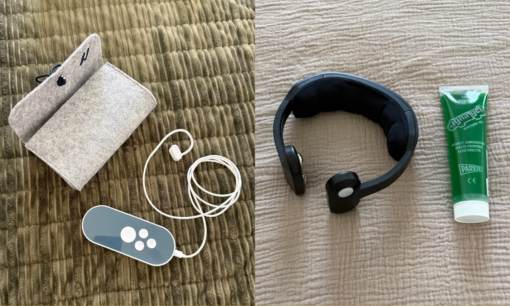
Nuropod and Pulsetto are two of the more searched consumer vagus nerve stimulation (VNS) devices on the market. Both are non-invasive. Both target the vagus nerve with electrical stimulation.
But the similarities stop abruptly once you look at the details. These two devices differ in how they look, how you use them, where they stimulate the nerve, what they cost to use over time, and how they may fit into a daily routine.
After spending the last several weeks testing both of them out, here are my thoughts when put side-by-side.
How Each Device Works
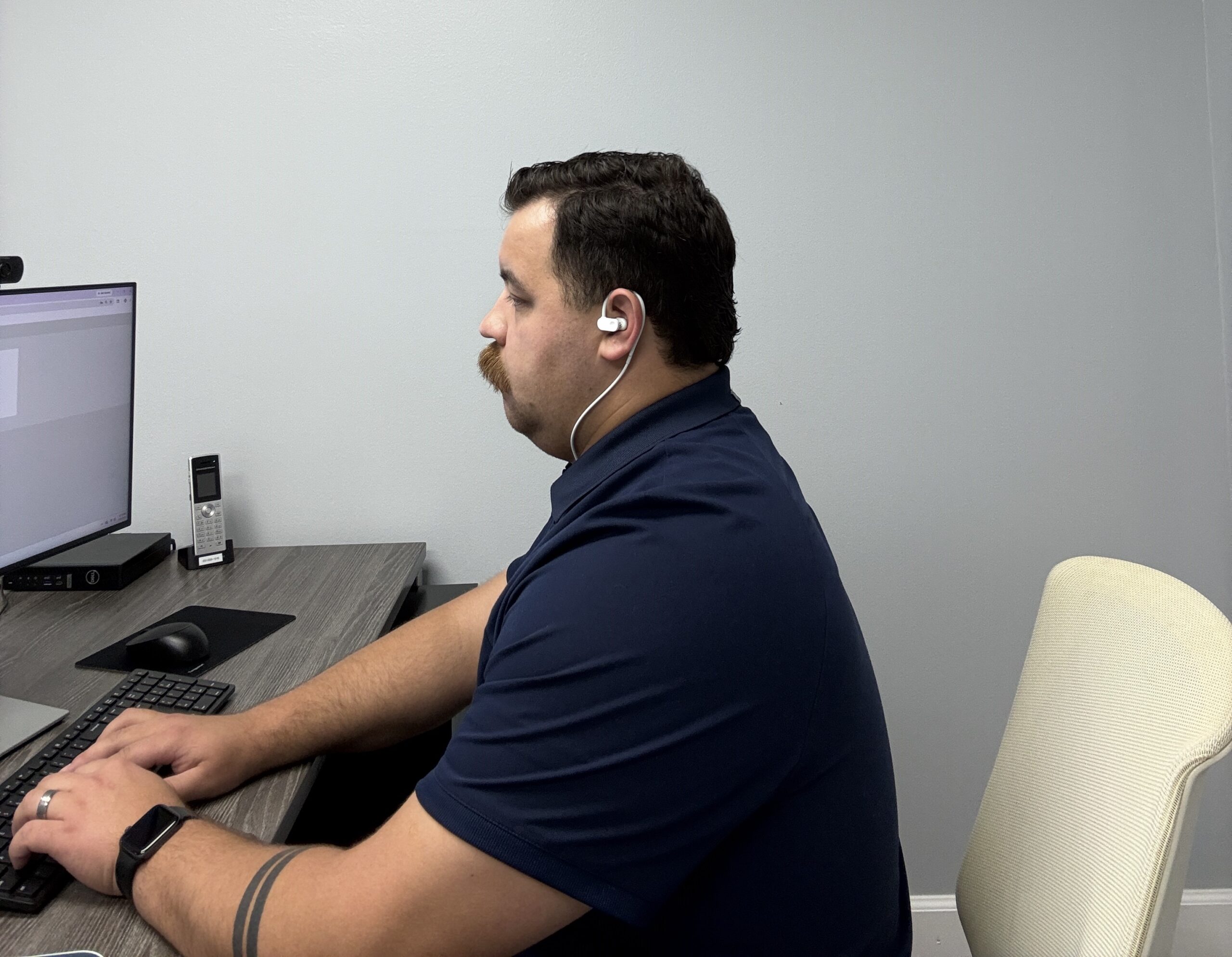
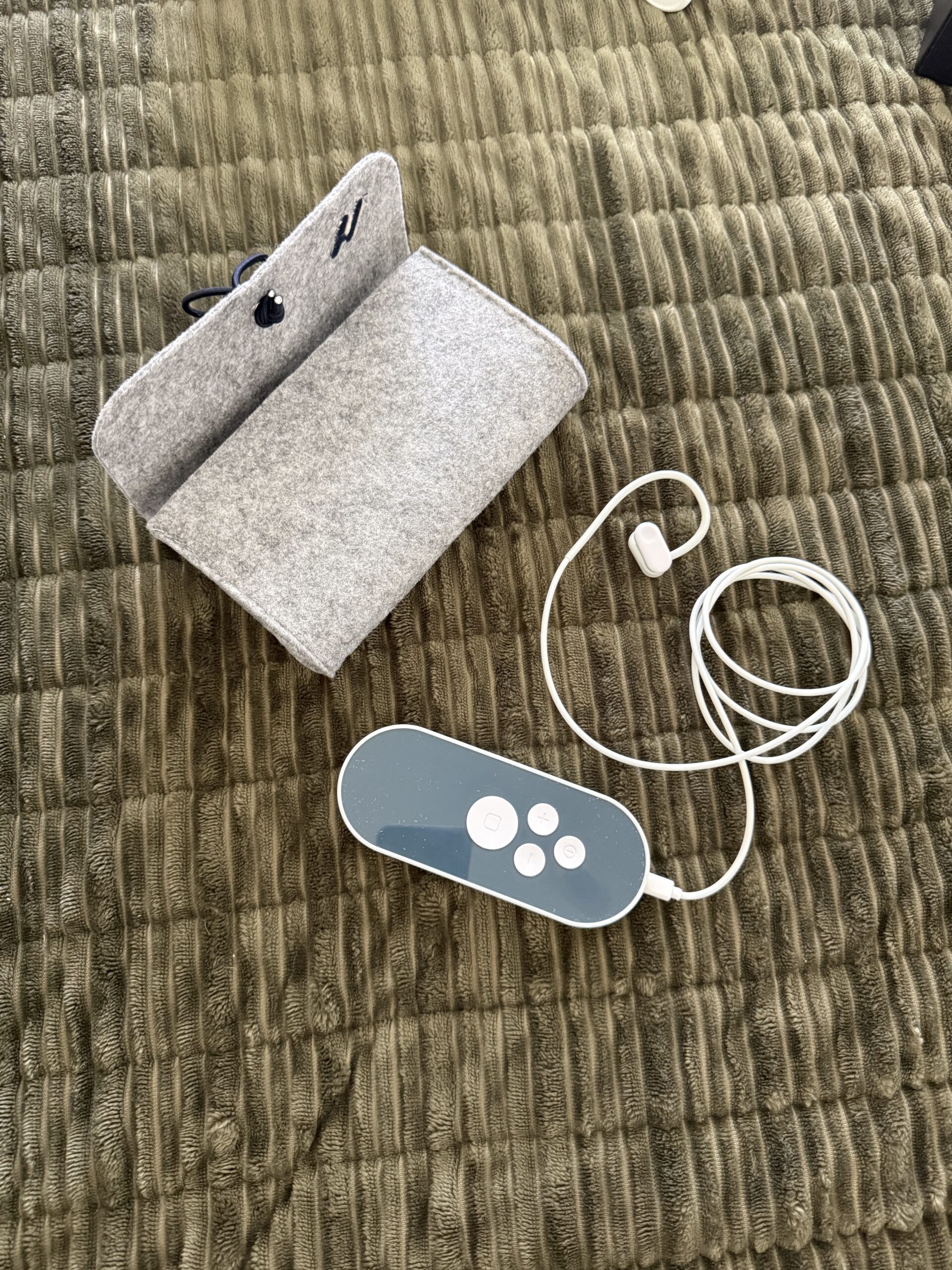
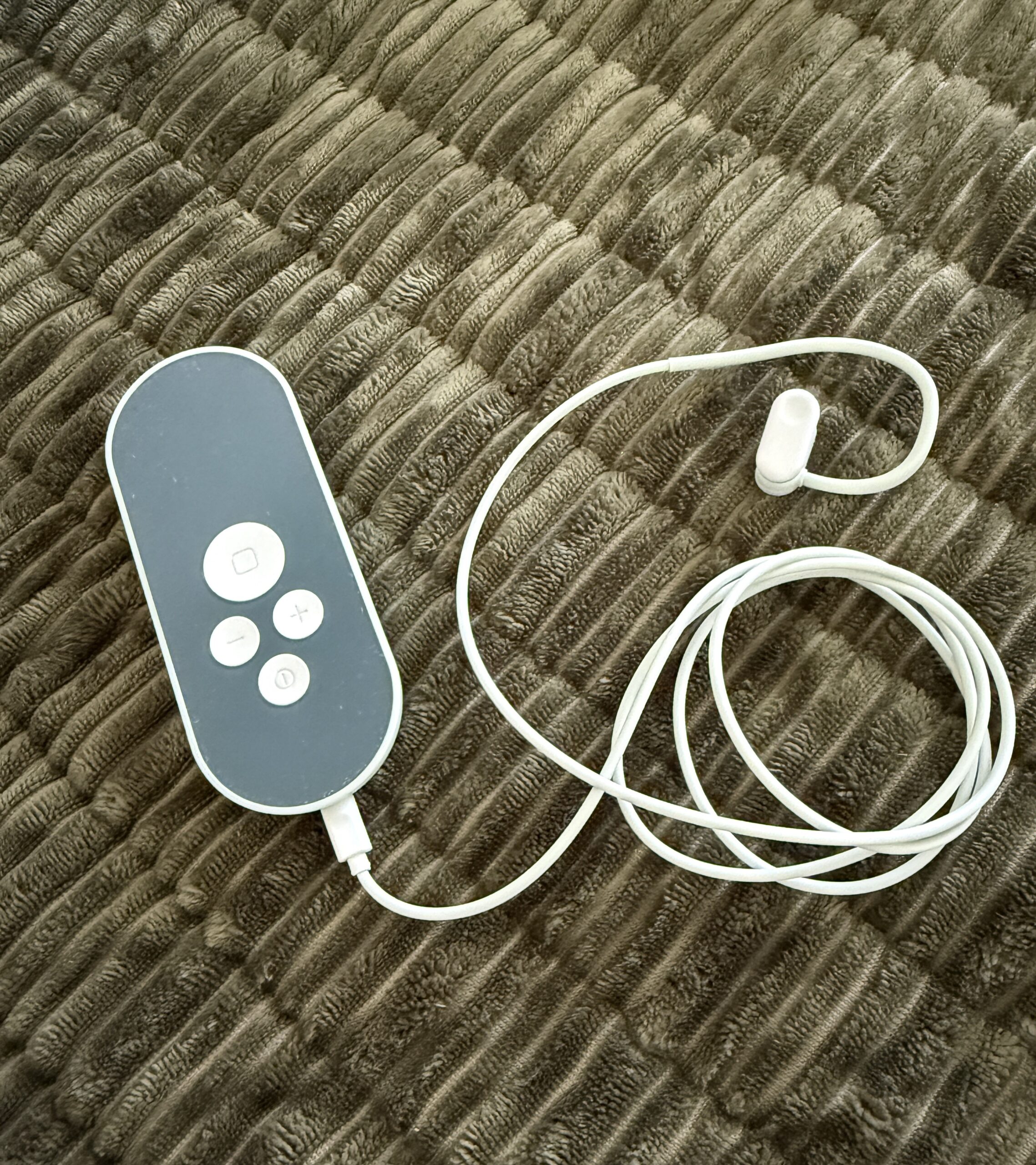
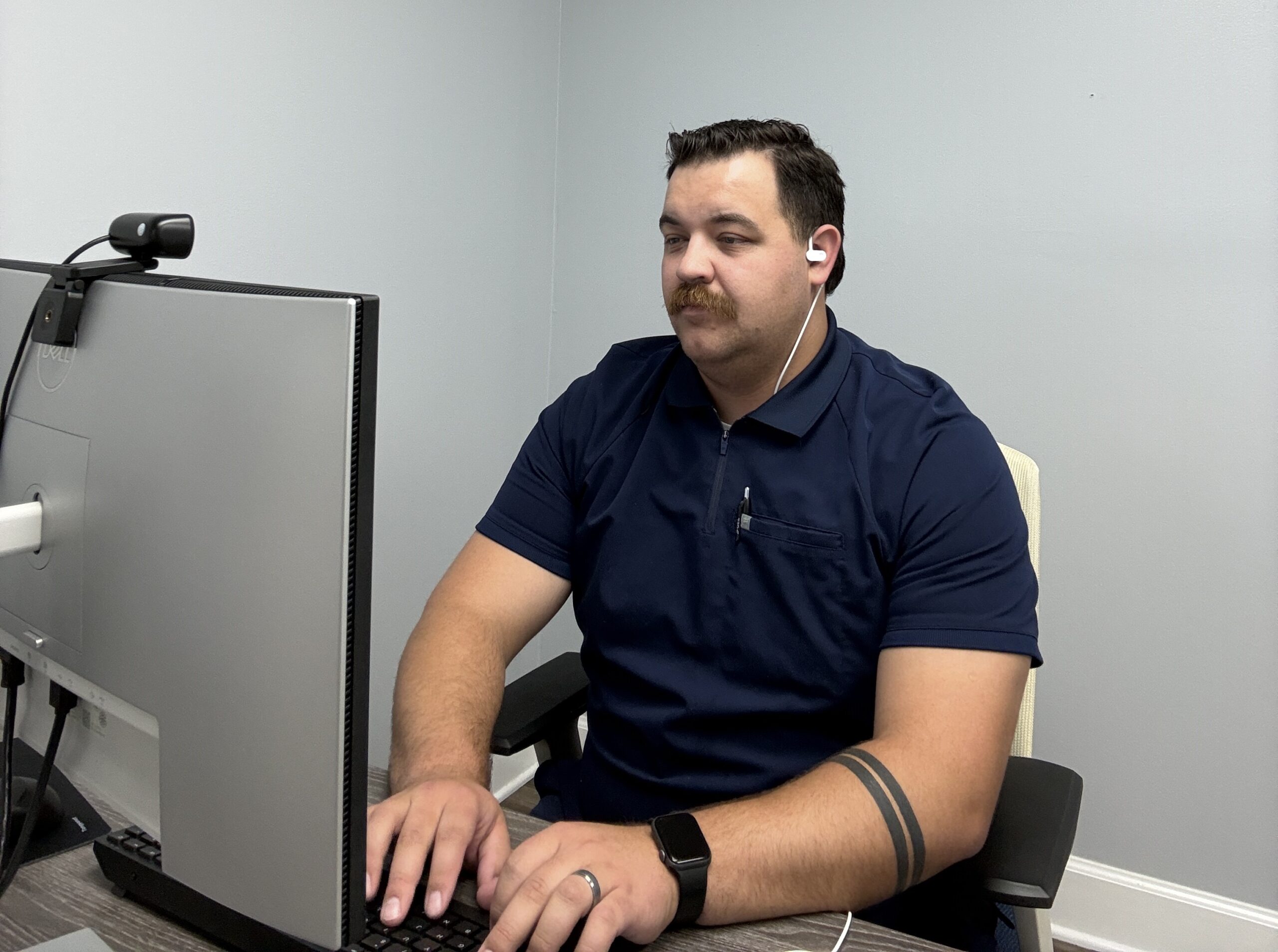
Nuropod clips onto the tragus of your ear, the small cartilage flap near the ear canal. This is where the auricular branch of the vagus nerve runs closest to the skin surface. The device uses Parasym’s AVNT™ (Auricular Vagal Neuromodulation Therapy) technology to send targeted electrical impulses to the nerve to influence the parasympathetic nervous system. Nuropod’s sessions can run 15 to 60 minutes, and it’s intended for long-term, consistent, daily use. It does not require gel, apps, or Bluetooth connectivity. You clip it on, set the intensity (45 adjustable levels), and go about your day.
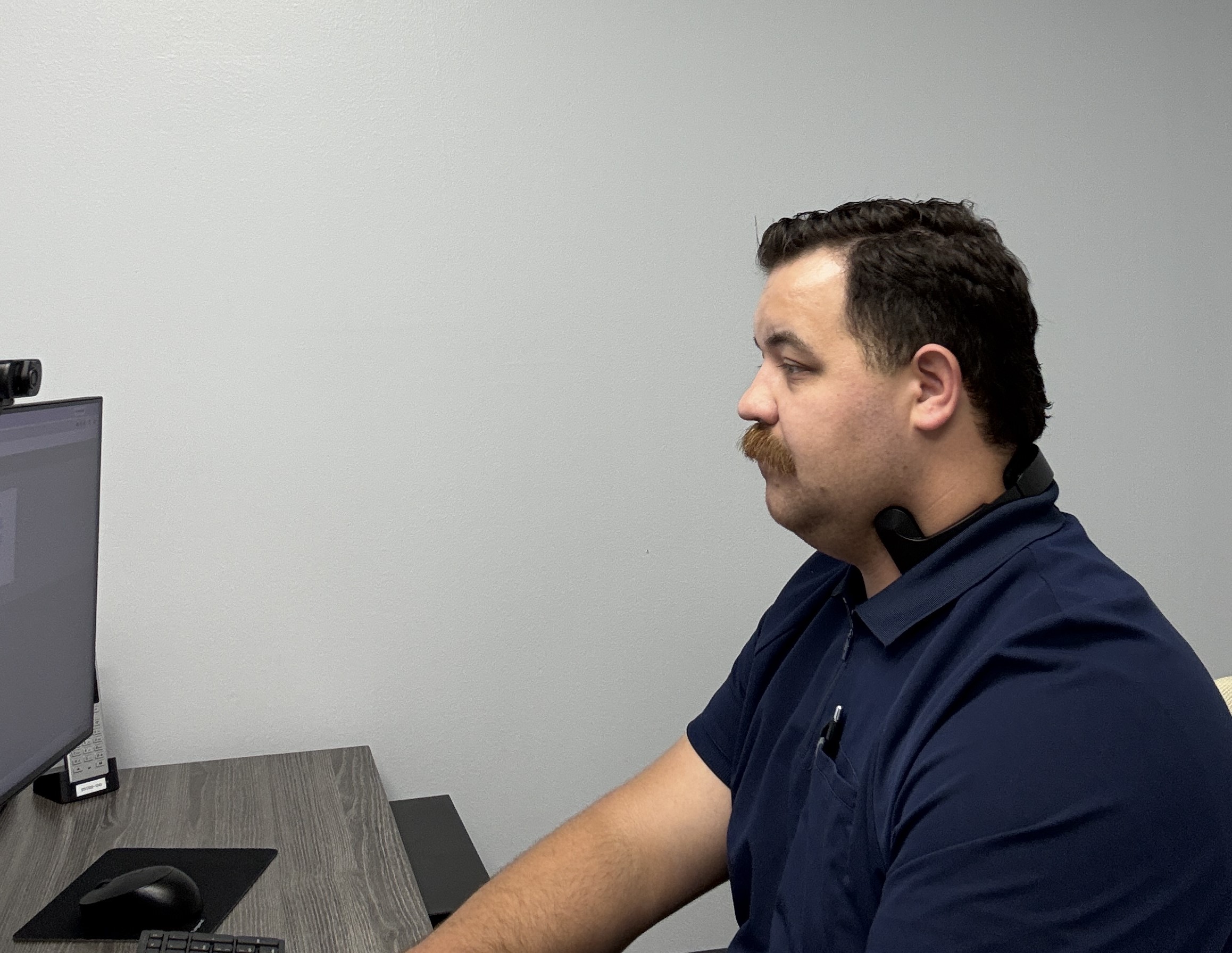
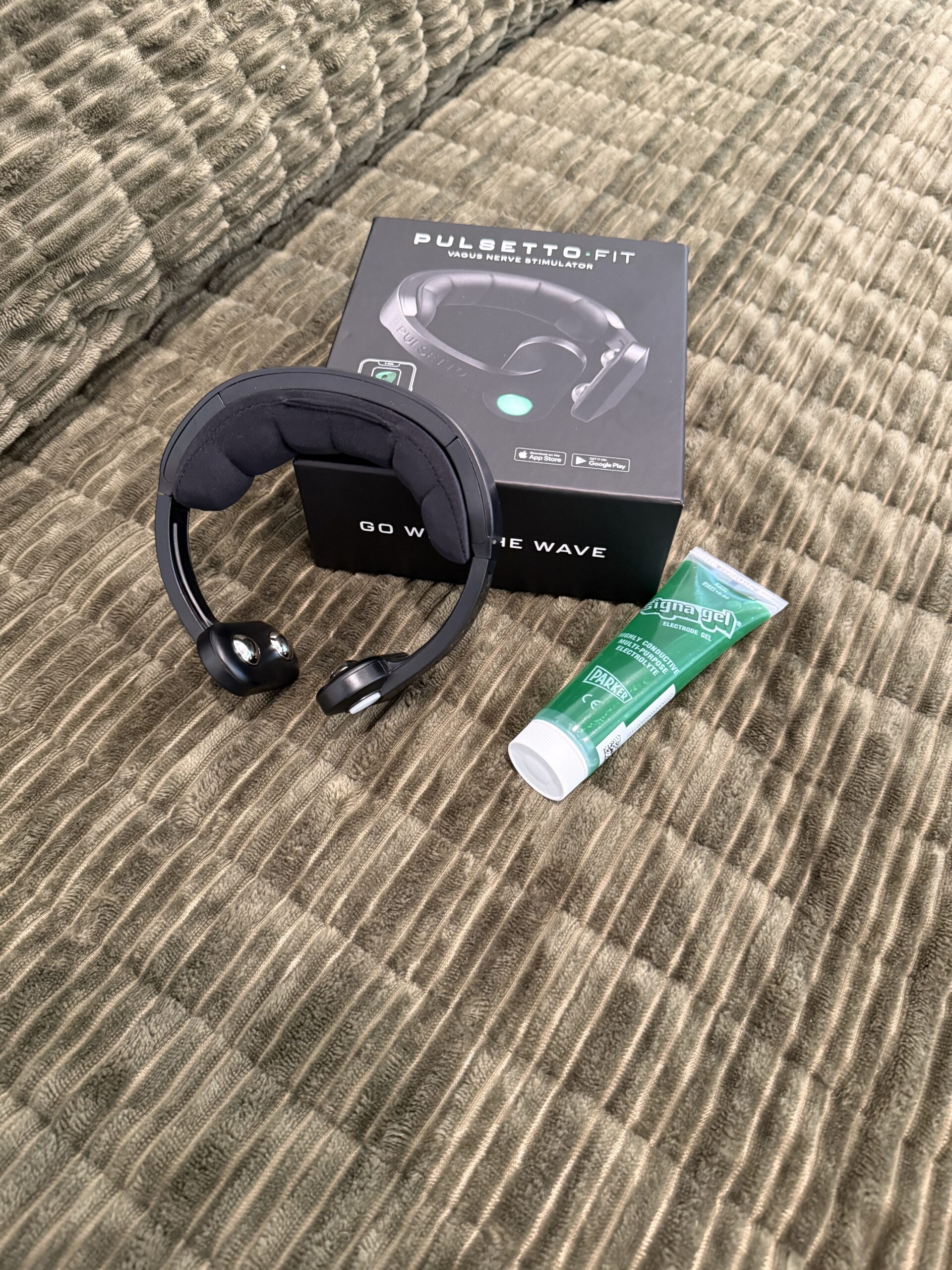
Pulsetto sits around the neck and delivers electrical pulses through two electrodes placed on either side, targeting the cervical branch of the vagus nerve bilaterally (on both sides). Due to the depth of the nerve here, the simulation parameters require conductive gel applied to the skin or electrodes before each session. This device pairs with a companion app over Bluetooth, which is required for operation. The app offers five preset programs (Stress, Sleep, Anxiety, Burnout, and Pain), and sessions range from 4 to 20 minutes. Pulsetto comes in two versions: Lite (the original model) and Fit (a newer design with an adjustable neck fit and longer battery life).
Ear vs. Neck: Does Stimulation Location Matter?
This is one of the more important differences between the two, and the anatomy is worth understanding.
Nuropod targets the auricular branch of the vagus nerve at the tragus. This method, called transcutaneous auricular vagus nerve stimulation (taVNS), has been the focus of the majority of published clinical research on non-invasive VNS. The auricular branch of the vagus nerve at the tragus sits only about 1–3mm below the skin’s surface.
Pulsetto targets the cervical branch of the vagus nerve at the neck. This method is called transcutaneous cervical vagus nerve stimulation (tcVNS). The cervical vagus nerve sits considerably deeper. The ear offers a much shorter path to the nerve, which is one reason ear-based stimulation does not require conductive gel or spray to maintain signal delivery.
This does not mean neck-based stimulation is ineffective. The FDA-cleared prescription device gammaCore uses cervical stimulation for headache treatment, and clinical research supports the approach at clinical-grade parameters. But the anatomical reality is that stimulating through the neck requires the signal to pass through more tissue, and the research behind the specific parameters Pulsetto uses is thinner than the research behind ear-based AVNT.
Daily Use and Practicality
This is where personal preferences come into play, and it is worth thinking through what daily use looks like over weeks and months with each device.
Nuropod requires no consumables. There is no gel, no spray, no replacement electrodes. You clip the device to your ear and adjust the intensity. The battery life runs about a month on a single charge. For people who want a device they pick up, turn on, and forget about while they work, read, or go for a walk, the overall friction is low. Typically, I use the Nuropod during my afternoon paperwork block at the clinic, with sessions usually lasting 30 to 45 minutes. The setup is quick, and the simplicity is what keeps me consistent with it.
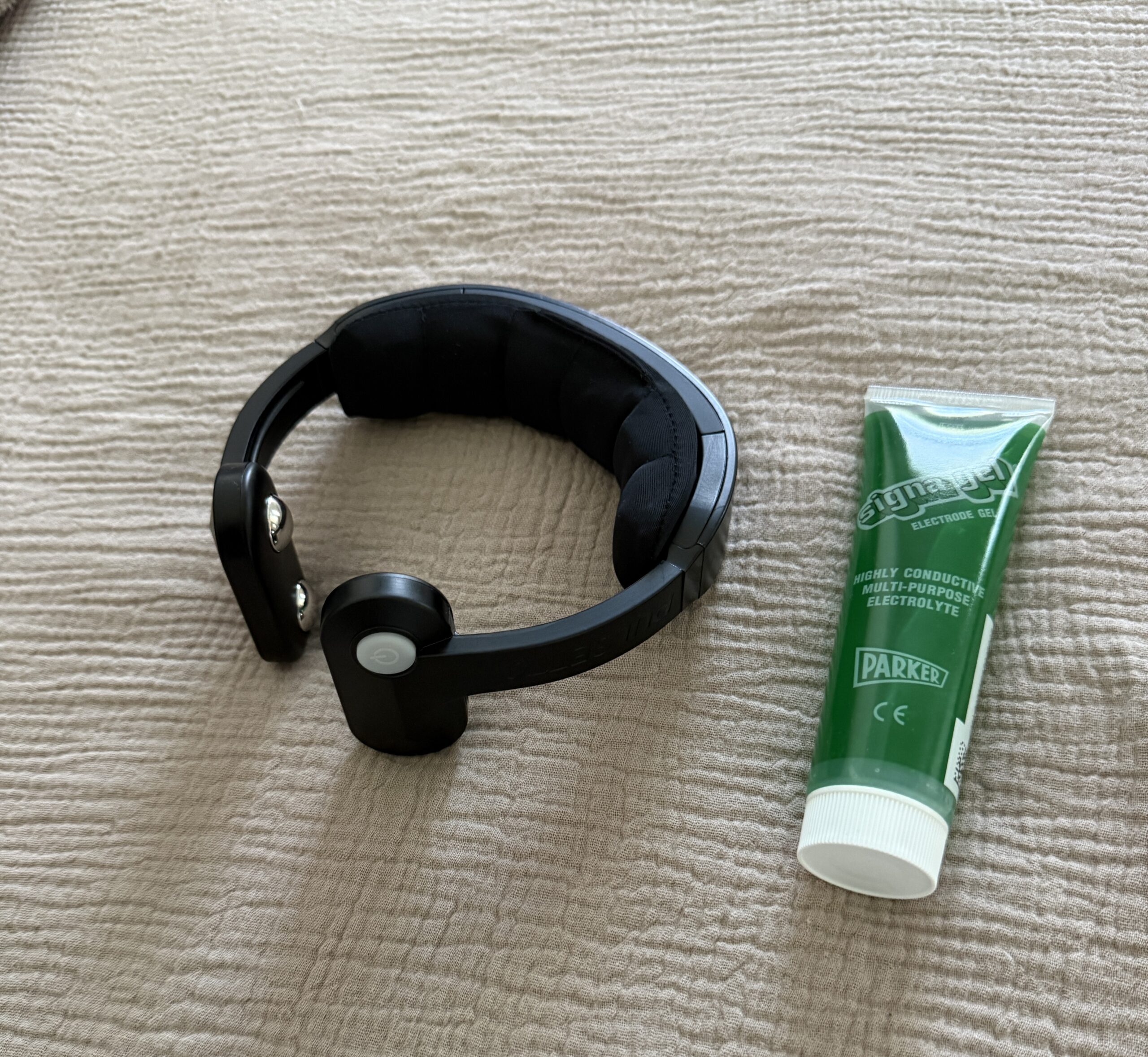
Pulsetto requires conductive gel before every session. The gel tube included with the device lasts roughly 30 days at daily use, after which you need to reorder. The device also requires the Pulsetto app to operate, meaning you need your phone nearby and a Bluetooth connection active during each session. On the plus side, sessions are shorter (as brief as four minutes), and the app provides guided programs with soundscapes that some users prefer. The Fit model was redesigned to better accommodate different neck sizes, addressing a common complaint about the original design. However, for me, this did not help. I have a somewhat larger neck, so I had to remove the comfort pad on the back of my neck to allow the electrodes to reach their proper placement. So while this was a good change, it still doesn’t seem like it will fit everyone perfectly.
Cost of Ownership
On sticker price alone, Pulsetto is the more affordable device. The Lite model lists at around $524 and the Fit at around $592, but they regularly have a major “sale” where you can get ~50% off ($224 – Lite / $242 – Fit at the time of writing this article). Nuropod lists at $900, but consistently runs a 10%discount promo, so you can pick it up for around $810. Both brands offer 30-day money-back guarantees and 2-year warranties.
The cost picture shifts when you factor in ongoing costs. Nuropod has none. No gel, no subscriptions, no replacement parts. Pulsetto requires conductive gel as a recurring expense, and the optional Pulsetto Premium app subscription runs about $15 per month. Over a year of daily use, those costs add up. The base experience is still functional without the subscription (the five core programs are free), but gel is non-optional.
Nuropod vs. Pulsetto: Side-by-Side Comparison
| Nuropod | Pulsetto Lite | Pulsetto Fit | |
| Price | ~$810 – $900 | ~$224 – $524 | ~$242 – $592 |
| Stimulation type | taVNS | tcVNS | tcVNS |
| Placement | Ear (tragus clip) | Neck (wrap around) | Neck (wrap around) |
| Session length | 15–60 min | 4–20 min | 4–20 min |
| Gel required | No | Yes | Yes |
| App required | No | Yes (Bluetooth) | Yes (Bluetooth) |
| Hands-free use | Yes | Yes | Yes |
| Battery life | ~1 month per charge | ~8–12 days | ~”20% longer than Lite” |
| Ongoing costs | None | Conductive gel + optional app premium (~$15/mo) | Conductive gel + optional app premium (~$15/mo) |
| Warranty | 2-year warranty | 2-year warranty | 2-year warranty |
| Money-back guarantee | 30 days | 30 days | 30 days |
| HSA/FSA eligible | Yes | Yes | Yes |
A Clinician’s Take
I work with patients dealing with pain, inflammation, and autonomic dysregulation on a daily basis. Before I learned about devices like these, my best options for supporting vagal tone at the clinic were breathing exercises. They worked for some patients, but they require daily practice, consistency, and focused effort that most people, especially those people dealing with dysregulation, don’t have bandwidth for.
What draws me to auricular vagus nerve stimulation, and to Nuropod specifically, is the depth of published research behind AVNT technology. When I look at a device for clinical relevance, I want to see randomized, placebo-controlled trials conducted at reputable institutions with measurable physiological endpoints. Parasym’s research portfolio meets that standard in a way that no other consumer VNS device does right now. This is important to me as a practitioner who has D.R. in front of my name. People, patients, take my recommendations with a little more weight, so I need to make sure what I am recommending has solid ground to stand on.
On a personal level, after several weeks of daily trials of both of these devices, it was during my Nuropod use that I noticed improved sleep and more consistent afternoon energy. My 2 p.m. coffee habit has faded to the point where my office assistant asked if I was starting to notice and expressed concern. Don’t get me wrong, these changes didn’t happen overnight. They built up gradually over time, and the impact grew gradually.
Pulsetto is a more affordable option, and the shorter sessions appeal to people who want a quick daily routine. I would not discourage someone from trying it if cost is their primary concern. But the gap in clinical evidence is significant, and to me, that matters when you are spending money on something meant to influence your nervous system.
Who Should Consider Each Device
Consider Nuropod if:
- You prioritize clinical evidence in your purchasing decisions.
- You want a zero-consumable, zero-subscription daily routine.
- You are comfortable with a higher upfront investment.
- You are dealing with persistent stress, fatigue, poor recovery, or sleep issues, and want a tool grounded in published research.
Consider Pulsetto if:
- Budget is your primary constraint, and you want to try electrical VNS at a lower entry point.
- You prefer guided, app-based sessions with pre-built programs.
- You want shorter session times (as brief as four minutes).
- You are comfortable with gel as part of your daily routine
- You are comfortable with the current, more limited evidence base.
Bottom Line
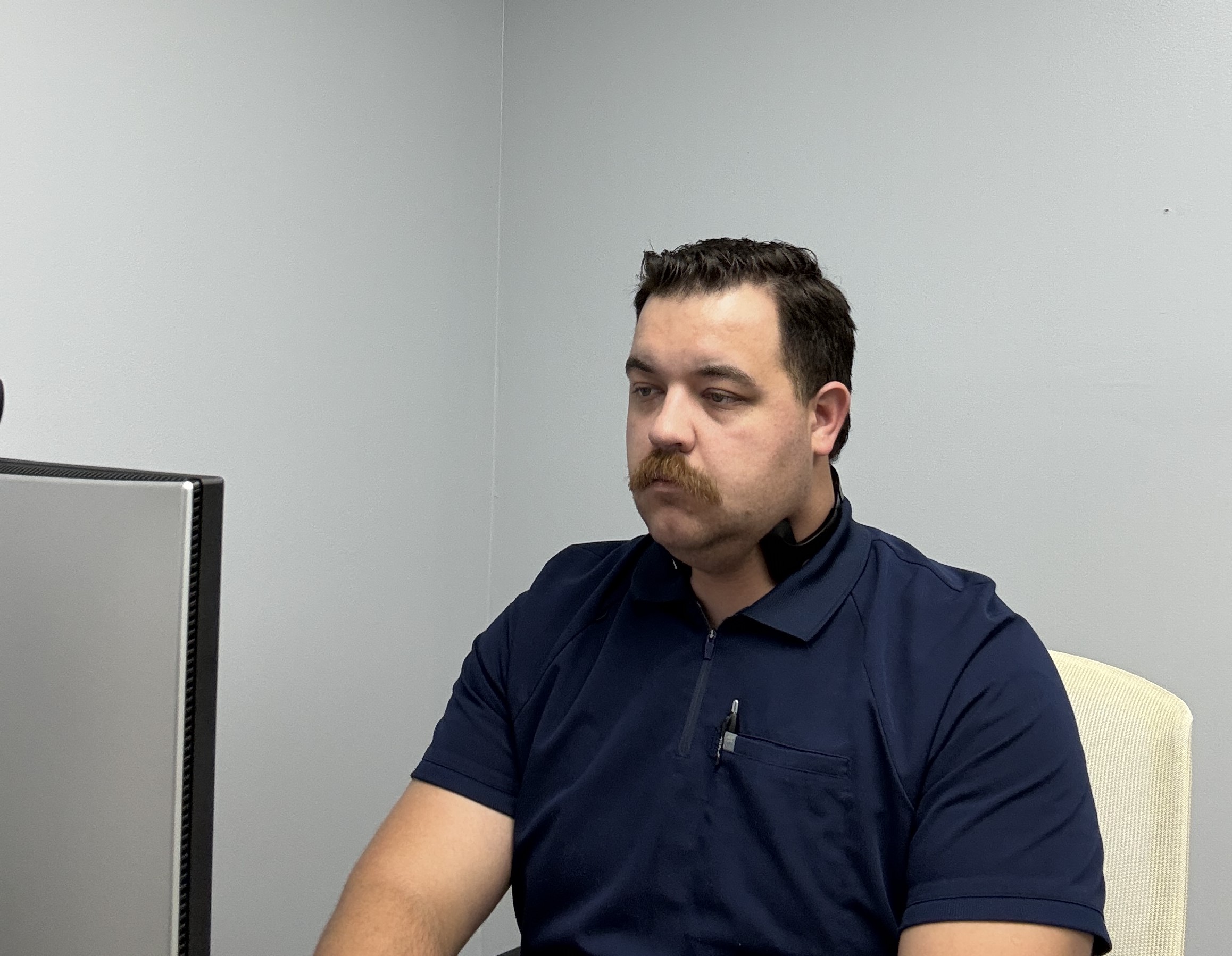
Both devices use electrical stimulation to target the vagus nerve. Both are marketed as wellness devices for stress, sleep, and nervous system support. The differences come down to where they stimulate, how much evidence supports them, and what the day-to-day ownership experience looks like.
Nuropod costs more upfront but carries no ongoing costs, requires no consumables, and is supported by the largest body of published clinical research in the consumer VNS category. The ear-based approach also has an anatomical advantage: the auricular branch of the vagus nerve sits 1–3mm below the skin at the tragus, compared to ~36mm at the neck. That difference matters for signal delivery and is one of the reasons Nuropod requires no gel.
Pulsetto gets you into the VNS space at the lowest-cost entry point. But if the research matters to you, and it should when you are putting an electrical device on your body, Nuropod might just be the solution.Disclaimer: This article is for informational purposes only and does not constitute medical advice. The devices discussed here are consumer wellness products and have not been approved by the FDA to diagnose, treat, cure, or prevent any disease. Consult your healthcare provider before beginning any new health intervention.
Related Posts:


Trevor is a licensed chiropractor with a Master’s degree in Sports Medicine and hands-on experience in rehabilitation and physical therapy. He works daily with patients to restore movement, reduce pain, and improve performance. His real-world experience in injury recovery, mobility training, and evidence-based care allows him to translate complex musculoskeletal and sports medicine concepts into clear, practical guidance so people can move better, recover smarter, and stay active for the long term.