
If you wake up feeling tired every morning, no matter how much you sleep, you’re not alone. Unfortunately, there are too many factors that impact your quality of sleep aside from how long you’re in bed, including suboptimal temperatures, snoring, restless partners, and a whole host of other potential disruptions.
Many people start tracking their sleep in hopes of getting answers, and while this is a good first step, all it does is provide you with information. It doesn’t actually fix anything until you take action, especially if you don’t know what the data means and don’t know what action to take.
This is where active sleep optimization comes into play, shifting the focus from passively measuring your rest to improving it. This can mean a number of things, ranging from timed aromatherapy devices and smart lights to wearables that send calming vibrations and sleep systems that respond to your body and adjust the temperature instantly. The result, ideally, is a proactive approach to giving your body the conditions it needs for deep, restorative sleep.
So let’s go over some of the best devices that actively optimize your sleep environment from dusk till dawn.
Temperature Regulation: The Foundation of Deep Sleep
Most people know that their body wants to be on the cooler side as they fall asleep. Mid-sleep, the right temperature will enhance REM cycles while improving heart rate variability. The problem is that a room that feels perfect at bedtime might cause you to wake up sweating just a few hours later.
Thankfully, temperature-regulating devices have come a long way since the basic thermostat.
The Chilipad Dock Pro
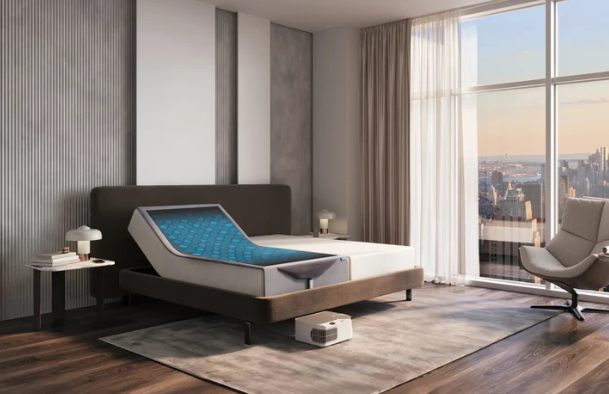
The Chilipad Dock Pro uses water flowing through a mattress pad to regulate your sleep temperature, offering excellent cooling for hot sleepers and letting users set specific temperature schedules throughout the night.
It comes in two versions: for individual sleepers and for two sleepers. So a decent budget-friendly option if you sleep alone and don’t want to invest in temperature regulation for the entire bed.
If you already know what temperatures are ideal for your body across the night (maybe from tracking via a wearable), you can get a lot of mileage out of the Chilipad without looking for something that intelligently responds to your body.
Smart Thermostats
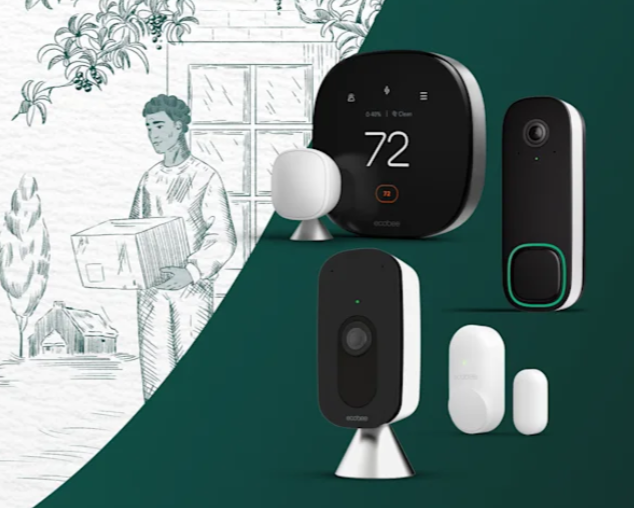
If you prefer to control the room temperature rather than the bed itself, a smart thermostat connected to your HVAC system can be a good option.
For example, devices like the Nest or Ecobee can lower the temperature automatically at bedtime and raise it at specified points during the night. This can be a great solution for families who need more control over the house, rather than just the bed.
Similar to the Chilipad, though, you’ll need to know in advance what temperature is best, and it can involve a lot of uncomfortable experimentation until you find the perfect setting.
Eight Sleep Pod
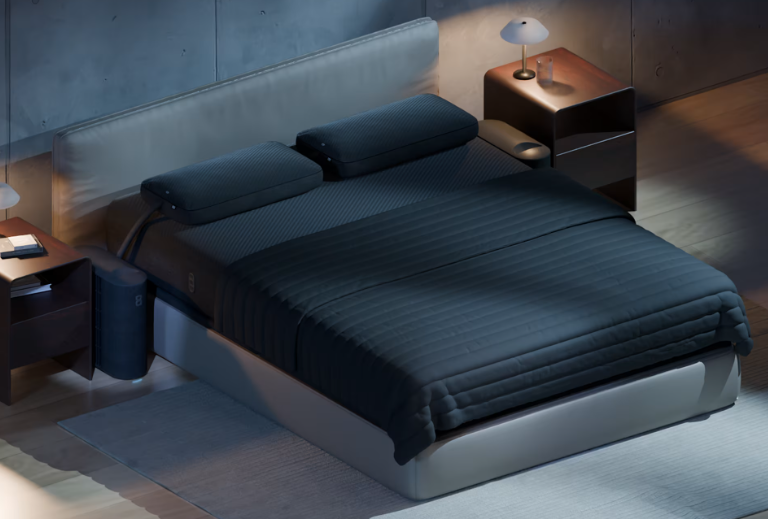
The Eight Sleep Pod is a mattress cover and pod combo that adapts to your body as you sleep, monitoring your body temperature and adjusting the cover in real time. It’s probably the most “active” device out of any on this list, as it responds not just to your sleep environment but your sleep state. Its dual-zone feature also allows two people to set different sleep temperatures, ranging from 55°F to 110°F. It includes a health check feature that flags sudden breathing or heartbeat disturbances without you having to rely on a wearable device.
What makes it really stand out is its Autopilot subscription. This extends the instant response of the Eight Sleep technology into something that improves your sleep long-term. Using biometric, presence, and environmental sensors, it learns how you sleep best and continues to make adjustments over time.
Light Modulation: Syncing Your Circadian Rhythm
Light exposure is the main way to regulate your internal clock, since your brain relies on light cues to know when to release melatonin for sleep and cortisol for waking up. The issue here is that the sun’s schedule is constantly changing. However, using light modulation devices, you can stimulate natural light patterns, easing you into sleep and gently waking you up.
Smart Lighting Systems
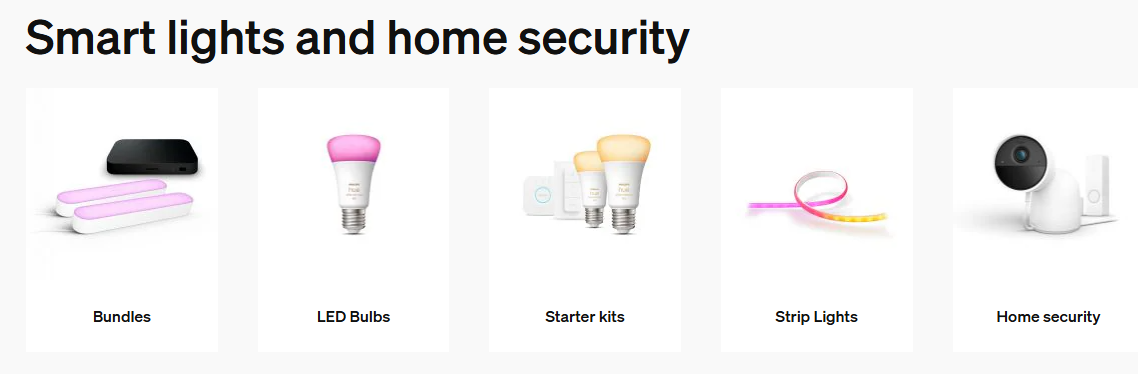
Smart lighting systems like the Philips Hue allow you to actively manage your bedroom’s light environment. Besides programming certain times and brightness, you can also automatically shift them to warm, amber tones as your bedtime approaches (mimicking a sunset) to encourage your brain to produce melatonin. In the morning, the lights can gradually brighten with cool, blue-toned light to wake you naturally.
Light Therapy Lamps
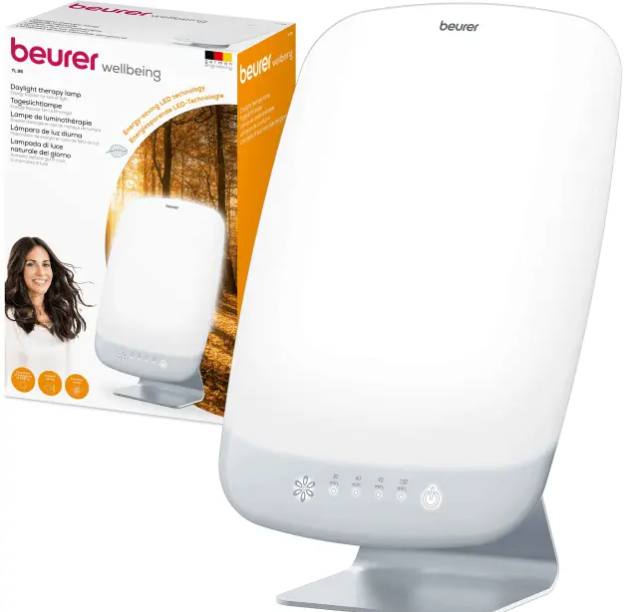
Light therapy lamps offer a more concentrated solution that’s often more programmable and accessible than just a lightbulb.
For example, the Beurer TL95 can simulate daylight, helping you keep a healthy circadian rhythm even when the sun doesn’t show up. In fact, using one for as much as 20 minutes in the morning might help reset your circadian rhythm, making it easier to fall asleep at night.
Therabody Sleep Mask
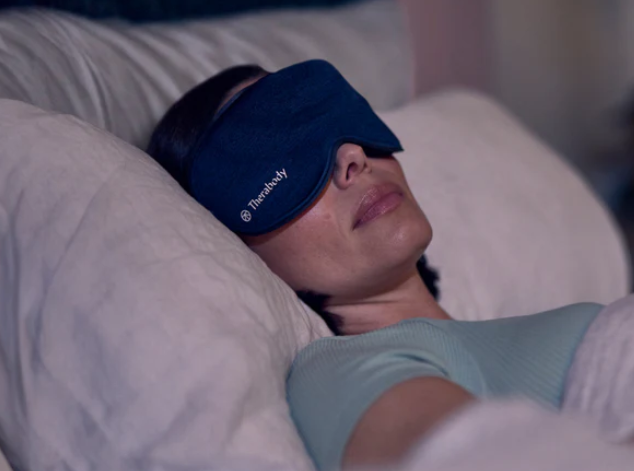
Total darkness is important for uninterrupted sleep, but standard eye masks tend to be rather limited in both comfort and light suppression.
The Therabody Sleep Mask tends to be far more effective for blocking light than a standard mask, but it also integrates light vibration patterns that are designed to lower your heart rate and relax facial muscles — calming your nervous system and providing a much deeper level of relaxation than a traditional mask.
Sound and Neurostimulation: Guiding Brain Waves
In most cases, a quiet room can be great for sleeping. However, complete silence can make sudden noises (like a dog barking or a car driving by) much louder in comparison. Some people can’t stand the silence, and their minds become more prone to wandering, keeping them from falling asleep.
Sound devices can help a lot here, whether by canceling noise, playing white noise or soundscapes, or using vibrations that work with your nervous system to promote relaxation.
Hatch Restore 3
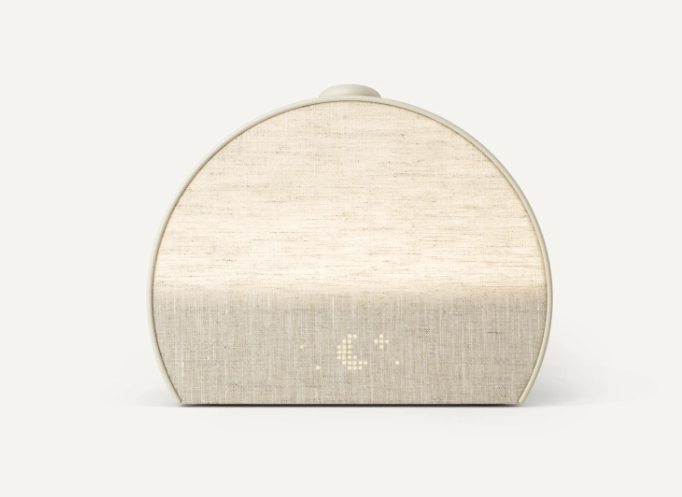
The Hatch Restore 3 combines sound and light into one sleep system that offers guided sleep meditations, soothing soundscapes, and integrated sunrise alarm features. It actively transitions you through different phases of your bedtime routine, playing calming sounds while you read and slowly fading out as you drift off to sleep.
Ozlo Sleepbuds
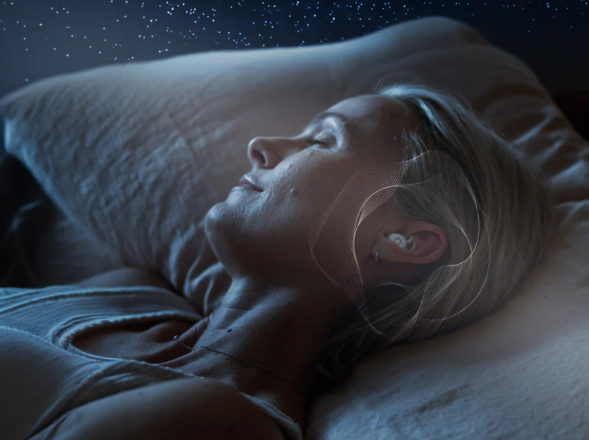
The Ozlo Sleepbuds are wireless earbuds that blend noise-masking technology with soothing sleep sounds. They feature a wide variety of preloaded sounds, from white noise to nature melodies, and thanks to their long battery life and compact charging case, they’re perfect to use when traveling.
Apollo Neuro Wearable
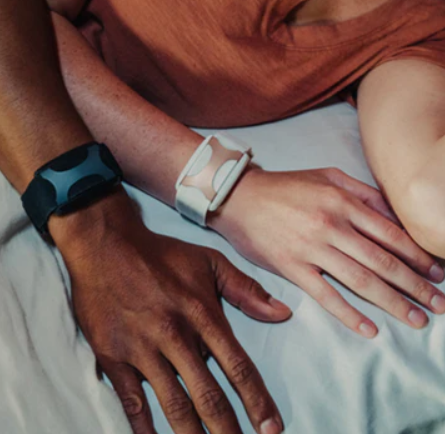
The Apollo Neuro Wearable is a wristband that uses soothing vibrations to engage your sense of touch and promote relaxation. Made by neuroscientists, this device delivers specific vibrational frequencies that send signals of safety to your brain, making it a great option when you’re having trouble falling asleep.
For example, the Calm Vibe mode is a 30-minute session that helps relieve restlessness, while the Sleep mode promises to promote deeper, restorative sleep with nighttime vibrations. What changes is the frequency and intensity of the vibrations, without stepping into obtrusive or annoying territory.
Other Sleep Gadgets
Here are some other kinds of sleep tech that can make a big difference in your night’s rest.
Adjustable Bases for Snoring
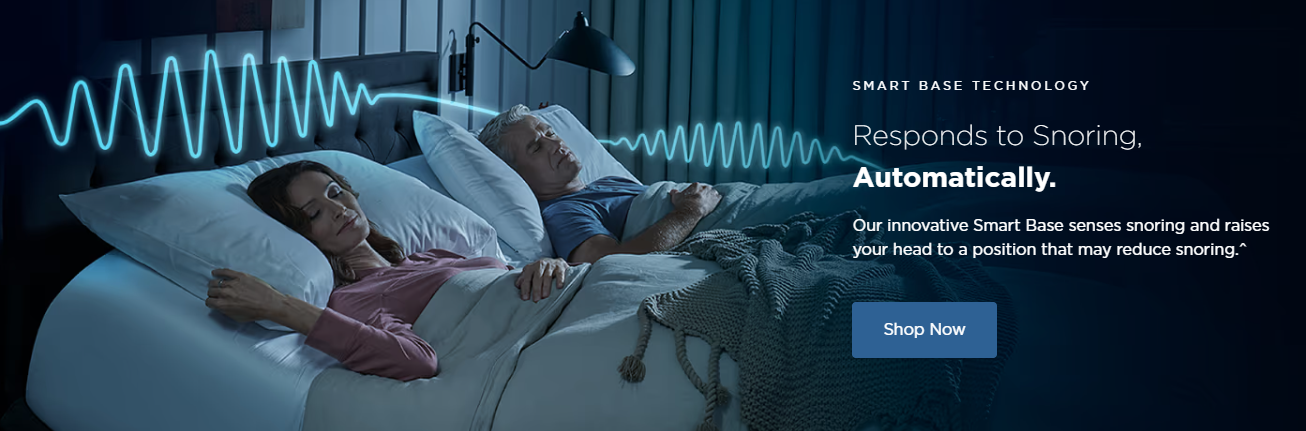
Snoring is a major sleep disruptor — for both the snorer and their partner. Smart adjustable bases, like Tempur-Pedic’s, are capable of detecting snoring and then adjusting your head’s elevation to open your airways.
If you’re looking for a multipurpose solution, the aforementioned Eight Sleep Pod has an optional add-on that does precisely this in conjunction with the real-time temperature optimization.
Smart Aromatherapy Devices
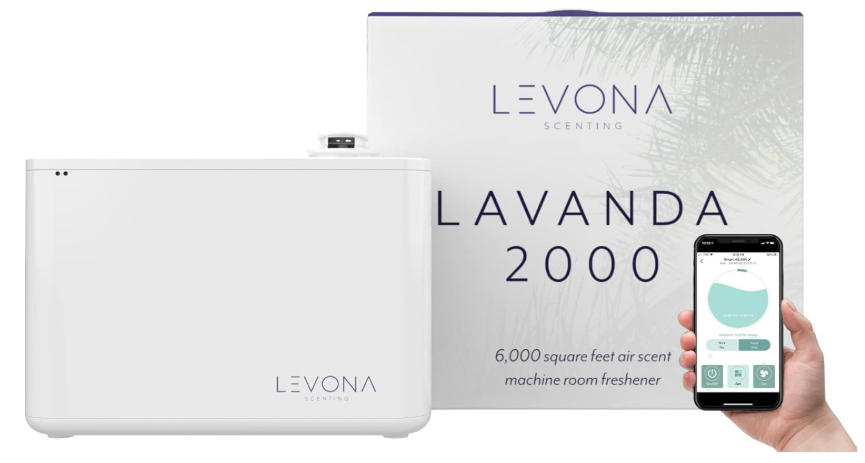
Scent plays a powerful role in relaxation. That’s why many people spray lavender oils on their pillows to promote better sleep.
Similarly, smart diffusers can be programmed to release calming essential oils like lavender or chamomile as soon as you get into bed. The Pura 4 in particular goes a bit deeper by controlling the scent based on your home’s temperature.
You can even pair two fragrances so it releases an energizing citrus scent in the morning to help you wake up feeling refreshed.
Air Purifiers
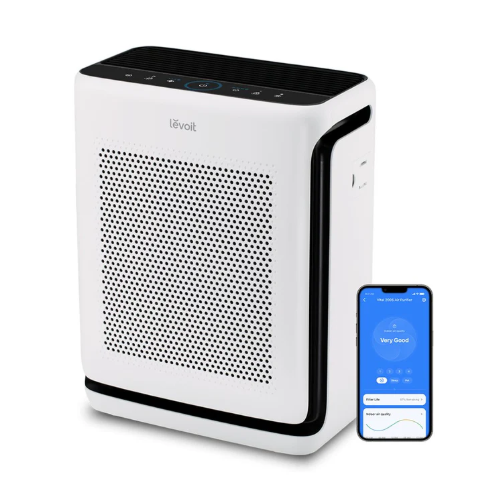
Poor air quality can lead to congestion, snoring, and restless sleep. Smart air purifiers, like the Levoit Vital 200s, can monitor your surroundings and make real-time adjustments to combat dust, pollen, or pet dander. In doing so, they can continually adjust the fan speed to clear the air, ensuring you can breathe easily throughout the night.
Choosing the Right Active Sleep Optimization Device
There are varying levels of “active” technology that you can use to improve your sleep. Some, like the Philips Hue, are simply automatic or timed, delivering precise adjustments at predetermined moments. Others, such as Levoit’s smart air purifier, adapt to the environment in hopes of creating a healthier sleep ecosystem. Others still are integrated sleep systems that use biometric tracking to measure your sleep quality and make temperature adjustments on the fly; the Eight Sleep is one of the most robust options on the market for doing so, also including long-term optimization via its Autopilot program.
As a tip, introduce one device at a time. If you buy a cooling cover, a sunrise alarm, and a wearable neurostimulator all at once, you’ll have a hard time figuring out which device is actually making a difference.
Whichever devices you choose, they’re all a significant step up from simply tracking your sleep — or worse, doing nothing at all. By shifting your approach to actively optimizing your sleep, you can more reliably wake up feeling rested, recharged, and ready to tackle the day.
Related Posts:






Brenda Peralta is a Registered Dietitian Nutritionist and Certified Diabetes Educator with over a decade of experience in clinical nutrition, health coaching, and evidence-based wellness. She specializes in weight management, metabolic health, diabetes care, and sustainable lifestyle changes. Brenda breaks down complex nutrition science into clear, practical guidance that helps readers make informed choices to improve their health.