
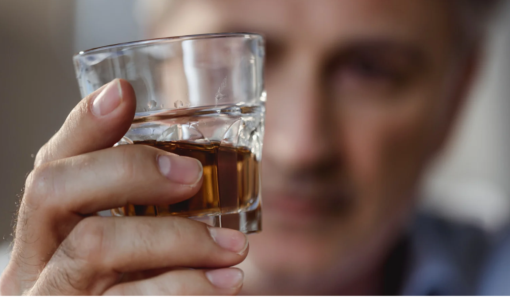
Alcohol cravings happen because drinking changes how your brain’s reward system works, and because alcohol becomes tied to certain feelings, activities, and situations in your life.
Alcohol activates the brain pathways involved in pleasure, motivation, and reward. When you drink repeatedly, your brain strengthens the link between alcohol and feeling relaxed, happy, or temporarily relieved from stress. After a while, a situation, a feeling, or even a memory can set off an urge to drink, sometimes before you’ve consciously thought about it. These cravings can show up even after someone has stopped drinking.
Having cravings doesn’t automatically mean you have alcohol use disorder (AUD). Plenty of people notice an urge for a drink at the end of a hard day without it meaning there is a larger problem underlying it. What matters more is how strong the cravings are, how often they come, and how much they affect your life. Understanding where cravings come from is the first step toward managing them.
What Happens in Your Brain When You Crave Alcohol?
Some of the specific mechanisms of how cravings work can be difficult, but the short version is that your brain learns from experience, and alcohol is a powerful teacher.
Alcohol and the Brain’s Reward System
Alcohol affects dopamine and several other brain chemicals involved in reward, mood, and stress. When drinking leads to pleasure or temporary relief, your brain takes note and connects alcohol with that outcome. Eventually, reminders of alcohol can trigger a craving even when you don’t consciously want a drink.
How Repeated Alcohol Use Changes Your Response
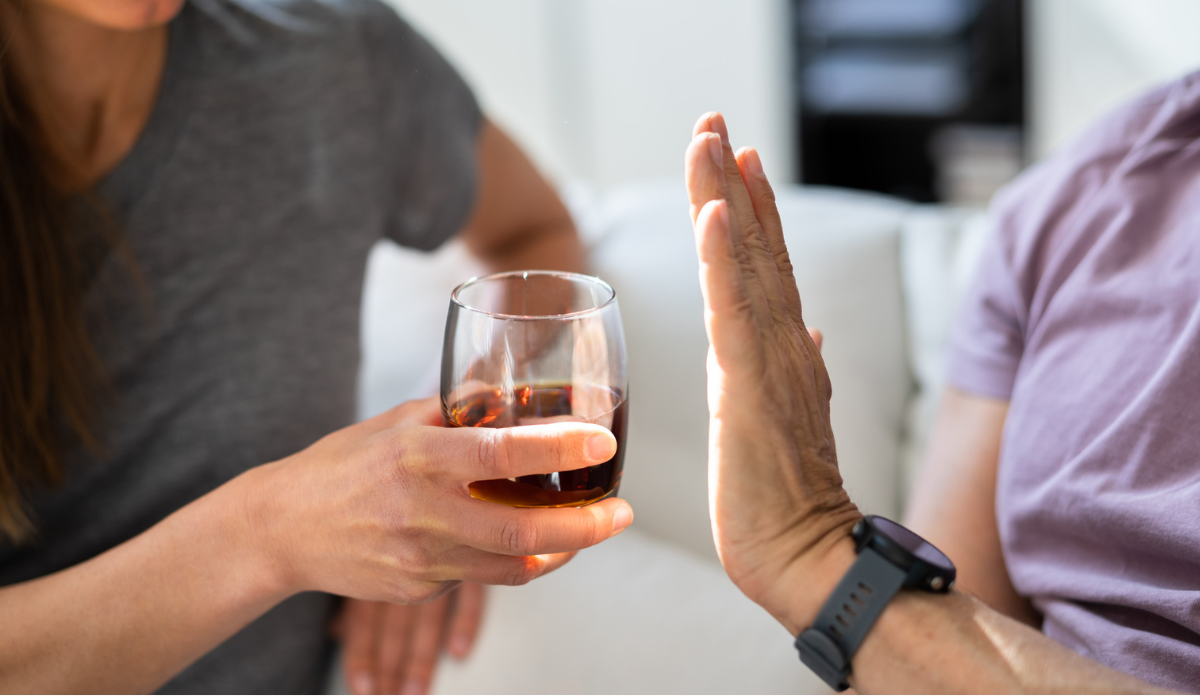
The more often you drink in a particular setting or mood, the stronger that learned connection becomes. Your brain starts to anticipate alcohol when it encounters familiar cues, like walking into a certain bar or reaching a certain time of night. That anticipation is what a craving feels like. Stress and difficult emotions make it harder to manage, because the brain has learned that having a drink will make it feel better. These changes aren’t necessarily permanent. The brain can adapt in the other direction too, and treatment can help people build healthier responses to the same cues.
What Are the Most Common Triggers for Alcohol Cravings?
Cravings can be set off by things happening around you and by things internally. Some of the most common triggers include:
- Stress and anxiety: If alcohol has become your way of taking the edge off, your brain will suggest it whenever you’re feeling stressed, even if you aren’t consciously wanting to drink. A hard day at work, money worries, or an argument at home can all bring the urge on quickly.
- Social situations: Parties, restaurants, and gatherings where drinking is expected can bring on an urge, especially when everyone around you has a glass in their hand. Being offered a drink, or feeling like the only one not drinking, can add to the pressure.
- People and places: Seeing the friends you used to drink with, or going back to places tied to drinking, can bring cravings on quickly. Even driving past a familiar bar or liquor store can be enough. For many people, it can happen even when they’re driving by a place that isn’t inherently tied to alcohol use, like someone’s house where they used to drink.
- Time of day and routines: Cravings often appear at the times you used to drink, such as right after work or on weekend evenings. Activities you paired with alcohol, like cooking dinner or watching a game, can have the same effect.
- Negative emotions: Loneliness, sadness, frustration, boredom, and anger can all create a desire to drink. Boredom is easy to overlook, but having unstructured time with nothing to do is a common trigger.
- Positive emotions and celebrations: Good news, excitement, and special occasions can be triggers too, since many people associate celebrating with alcohol. Holidays, weddings, vacations, and promotions are frequent examples.
- Physical discomfort: Poor sleep, fatigue, and withdrawal-related symptoms lower your resilience and make cravings harder to manage. Being hungry or run down can also make an urge feel stronger than it otherwise would.
Everyone’s triggers are a little different. Paying attention to when your cravings show up, and what was going on right before, can help you recognize your own patterns.
Why Do I Crave Alcohol Even When I Don’t Want to Drink?
This is one of the most confusing parts of cravings. Cravings aren’t always connected to a conscious decision to drink. Your brain can respond automatically to cues linked to past alcohol use, the same way your mouth waters when you smell food you like. That reaction happens whether or not you’ve decided you want it to. So you can sincerely want to stop drinking and still experience strong urges. Both things can be true at once.
Cravings can also continue even once you’re in recovery and have stopped drinking, particularly when you run into familiar triggers. Having a craving doesn’t mean you have to act on it. A craving is a feeling, and feelings rise, peak, and pass. Experiencing one isn’t evidence that recovery is failing or that you aren’t trying hard enough. Cravings may not disappear completely, but they are manageable, and for many people they become less frequent and less intense with time and support.
How Long Do Alcohol Cravings Last?

It’s totally understandable to want to know how long cravings last, because when you have them, they can be incredibly uncomfortable. But it can help to separate it into two questions. How long does a single craving last, and how long do cravings keep showing up overall? An individual urge tends to rise, peak, and fade instead of staying at full strength. Some pass quickly, and others hang around longer, especially if you stay in the situation that set them off.
Either way, an urge that feels unbearable right now will not feel that way indefinitely. Over the longer term, cravings usually become less frequent and less intense. Some people still notice an occasional one months or years into recovery, often when something reminds them of drinking. How often they come can depend on your stress level, how well you’re sleeping, your surroundings, and how much you’re still exposed to your triggers.
There’s no reliable way to predict the day cravings will stop. Learning how to respond when one arrives is more useful than waiting for them to disappear.
What Can You Do When You Crave Alcohol?
When you experience a craving to have a drink, it can feel like the only solution is to actually have that drink. But that’s not at all the case. There are many other options. The following strategies can help you get through an urge and make the next one easier to handle.
Identify the Trigger
One of the first things you want to do is notice what happened right before you started experiencing the craving. Were you stressed or upset about something? Did you pass by a particular place? Keeping a brief record of when cravings occur can give you a better idea of patterns that arise and how to try to avoid them going forward.
Delay Acting on the Urge
You don’t have to decide anything the moment a craving hits. Give yourself some time first. Cravings build and then ease, so putting a little distance between the urge and the decision often takes away some of its power. Focusing on something else while you wait makes that easier.
Change Your Environment
If where you are is making drinking more tempting, leave. Where you can, remove alcohol from your immediate surroundings so it isn’t within arm’s reach when you experience a craving seemingly out of nowhere. For many people, this means not having alcohol in their house or removing all alcohol from the minibar if they’re staying in a hotel. It also helps to plan alternatives for activities that used to involve alcohol, like meeting a friend for coffee in place of drinks.
Use Healthy Coping Strategies
One of the best things you can do is distract yourself by doing something healthier for your mind and body. This might include taking a walk or going for a run, lifting weights, meditating or deep breathing, or listening to music. Pretty much anything you enjoy doing that will distract you for a few minutes can be a good way to give cravings a chance to pass.
Reach Out for Support
Cravings are harder to manage alone. Talk with a friend, a sponsor, a family member, a counselor, or someone else who supports your recovery. An AA or SMART Recovery meeting is also a useful option if you’re experiencing severe cravings and don’t know what else to do. When cravings get difficult, the instinct is often to withdraw, but that tends to make things worse.
No single technique works for everyone, and what helps one day may not help the next. Managing cravings usually means trying different approaches and keeping track of the ones that work for you.
Can Cognitive Behavioral Therapy (CBT) Help With Alcohol Cravings?

Yes. CBT is one of the most widely used approaches for managing alcohol cravings, and it focuses on skills you can keep using long after therapy ends.
How CBT Works
Cognitive behavioral therapy helps you recognize the connections between your thoughts, feelings, and behaviors. A craving isn’t always just a physical urge. It may also come with a thought attached, and that thought can make drinking seem necessary. CBT can help you:
- Identify the situations that trigger your cravings
- Recognize thoughts that make drinking seem necessary or appealing
- Challenge unhelpful thinking patterns
- Develop healthier responses to stress
- Practice coping strategies before you’re in a difficult situation
- Build confidence in handling cravings without drinking
What This Looks Like in Real Life
Let’s say you’ve had a stressful day at work, and on the drive home, you start thinking that the only thing that will help you relax is to have a drink. Before CBT, that thought might feel like a simple fact.
Through CBT, you learn to catch the thought and question it. Is alcohol the only way you can relax, or is it just the one you’re used to? From there, you can choose something else, like going for a run, calling a friend, or giving yourself half an hour to unwind before deciding anything.
Are There Medications That Can Reduce Alcohol Cravings?
For some people with alcohol use disorder, medication is an option worth discussing as well. Three are commonly used:
- Naltrexone: Can help reduce cravings and the rewarding effects of drinking.
- Acamprosate: Helps support abstinence and may ease certain symptoms that come with a long period of not drinking.
- Disulfiram: Discourages drinking by causing unpleasant physical reactions if you consume alcohol. It does not directly reduce cravings.
Medication isn’t necessary or appropriate for everyone. A healthcare professional can help determine whether it makes sense for you based on your medical history, your treatment goals, and your individual needs. Medication and behavioral therapy can also be used together. Medication may help reduce cravings or support abstinence, while behavioral therapy builds the skills to recognize triggers and respond to them differently.
When Should You Seek Professional Help for Alcohol Cravings?
An occasional craving doesn’t necessarily call for intensive treatment, but professional support can help when cravings become difficult to manage on your own. Signs to watch for include:
- Frequently thinking about drinking
- Repeatedly drinking more than you intended
- Trying to cut back or stop without success
- Cravings that interfere with work, relationships, or everyday responsibilities
- Returning to drinking despite efforts to abstain
- Using alcohol to manage anxiety, depression, or other emotional difficulties
Cravings are one possible symptom of alcohol use disorder, but cravings alone don’t establish a diagnosis. A professional assessment can give you a clearer picture. Treatment programs can also teach these skills in a structured setting. For example, Avenues Recovery uses cognitive behavioral therapy techniques in its treatment programs and incorporates 12-Step programming as well, so people can build practical coping skills and peer support at the same time.

Important Note: If you’ve been drinking heavily or regularly for a long time, it’s important to speak with a healthcare professional before suddenly stopping. Alcohol withdrawal can cause serious symptoms, including seizures, and may require medical supervision. A treatment provider can help you determine the safest way to stop drinking.
You Don’t Have to Manage Alcohol Cravings Alone
Alcohol cravings are common, and they can sometimes come when you least expect them. They can occur because of how alcohol affects the brain, the routines you’ve built around drinking, and the emotions you’ve been using alcohol to manage. Fortunately, having cravings doesn’t mean you lack motivation or can’t achieve recovery.
With practice, you can learn to recognize your triggers and respond to urges differently. When cravings feel overwhelming, structured treatment can provide support that is hard to build alone. Reaching out to a counselor, a doctor, or a peer support group is a practical next step, and you never have to try to handle them all alone.
Related Posts:






Rachael Goldstein is a licensed attorney who spent six years as a public defender in Philadelphia, handling a wide range of cases. That work gave her a close, firsthand look at how addiction and mental health affect people’s lives, and it’s shaped her writing ever since. Her writing focuses on mental health and wellbeing, drawing on both her legal background and hands-on experience in the field. She knows how high the stakes are when someone is searching for help, so she digs into the research and lays out the facts in a way that’s clear, honest, and easy to act on.
When she’s not writing, Rachael spends her free time traveling, hiking, and exploring new places.