

Choosing a personal trainer certification can feel like a lot once you start comparing options. There are dozens of programs out there, and many of them mention accreditation somewhere on their site.
But “accredited” can mean different things, and it’s worth knowing what to look for. The gold standard in the fitness industry is NCCA accreditation, from the National Commission for Certifying Agencies. And it applies to the exam, not the company or course behind it.
If you plan to work at a gym or wellness company, an NCCA-accredited certification can give you a real advantage, since many employers look for it. In this guide, we’ll explain what that accreditation means, compare five top certifications by cost and renewal requirements, and help you pick the right one.
NCCA-Accredited Personal Trainer Certifications At a Glance
Quick note before we start: all fees listed are from October 2026. Fitness education companies run frequent promotions, so treat every number as a starting point and confirm pricing before you enroll.
| Certification | Exam Fee | Recertification Requirements | Renewal Cost | Key Focus Area |
| NASM – National Academy of Sports Medicine | Exam only: $599Retest: $199Study packages: $999-1,899 | Every 2 years 2.0 CEUs (includes 0.1 CEU from CPR/AED) | $99 every 2 years | Optimum Performance Training (OPT) ModelProgressive program design. |
| ACE – American Council Exercise | Exam only: $499Retest: $249Study packages: $989-1,169 | Every 2 years2.0 CEUs (20 hours) | $129 for one credential (Price lowers if you need to renew more) | Integrated Training (IFT) ModelBehavior changeGeneral population clients |
| ISSA – International Sports and Science Association | Study packages: $868(NCCA exam included in packages) | Every 2 years2.0 CEUs (20 hours) | $99 every 2 years | Broad, self-paced curriculum.Exercise science, program design, and client assessment. |
| NSCA –National Strength and Conditioning Association | Non-member: $435Member: $300 | 6.0 CEU’s every 3 years. | Non-members: $60-90Members: $35-65 | Strength and conditioningPerformance science |
| ACSM – American College of Sports Medicine | Non-member: $410Member: $310Study packages: $449-610Retest: $150-205 | Every 3 years45 CECs | $60 every 3 years | Clinical, research-backedHealthcare-adjacent and corporate wellness roles. |
About NCCA Accreditation

Before we look at each certification, let’s cover what NCCA accreditation means. It applies to the certification itself (the exam and how it’s run), not the school or company that offers the course.
In NCCA’s own words: “NCCA only awards accreditation for certification programs and doesn’t accredit an entire organization.”
So, what does the NCCA review? Here are some things they consider during their accreditation.
- Governance: Whether a certification governing body has clear authority over certification decisions and whether it is kept separate from the organization’s education or membership arms.
- Candidate standards: What are their eligibility requirements, fee transparency, and if they offer public information regarding their certification.
- Job analysis: A documented process that defines what the exam is meant to measure and ties it to the job’s real-world demands.
- Exam development and security: How the test is built, administered, scored, and protected from compromise, including how the passing score is set.
- Recertification and discipline: Policies that maintain the credential and how they handle violations.
Notice that the course itself isn’t on the list. That’s by design. NCCA’s job is to make sure the exam is a fair test, not to grade how you studied for it. So an NCCA-accredited certification tells you the exam is solid, but it doesn’t tell you whether the study materials are any good. You’ll want to judge those separately.
So why get an accredited certification at all? Many large gyms, health clubs, corporate wellness programs, and online coaching platforms require or strongly prefer it when hiring trainers. It’s not required to train clients on your own, but it can give you an edge if you want to work for a company or commercial gym.
What to Look for in an NCCA-Accredited Certification

Here are some things you might want to consider to help you narrow down your decision.
- Confirm which specific exam is accredited. A company can offer multiple exam formats, but only one will carry NCCA accreditation. Don’t assume that every exam from the provider is accredited. And, when in doubt, ask directly and get it in writing.
- Choose based on your target section. Choose a certification in the area you want to focus on. For example, NASM, ACE, and ISSA lean toward general-population commercial gym work. However, ACSM leans toward clinical settings, and NSCA focuses on strength and conditioning.
- Factor in the full cost over time. A lower upfront exam fee may mean higher recertification costs or shorter renewal cycles.
- Accreditation doesn’t guarantee a job. Accreditation confirms the exam was developed and administered to NCCA standards. It doesn’t guarantee a specific employer will accept it, since hiring preferences vary. Choose a certification your target employers expect, and when in doubt, ask them.
Top 5 Accredited PT Certifications
Now that you know what NCCA accreditation means, here’s a closer look at five accredited personal trainer certifications.
NASM: National Academy of Sports Medicine
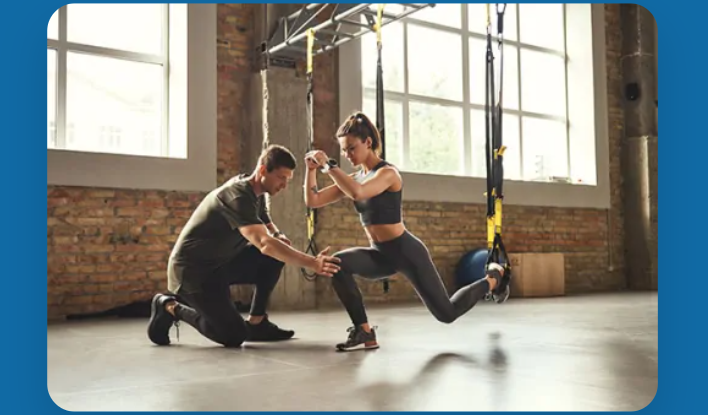
Best for: Trainers interested in corrective exercise, injury prevention, and building a career in commercial gyms.
NASM has held NCCA accreditation since 1987, making it one of the industry’s longest-accredited certifications. It’s also accredited by the Distance Education Accrediting Commission (DEAC).
The certification is built around its Optimum Performance Training (OPT) model, which guides trainers through stabilization, strength, and power phases when designing training programs.
Study materials include video lessons, practice exams, a hard-copy textbook, an AI study companion, and access to NASM’s Gymtership program for hands-on experience. The exam has 120 questions for a 2-hour time limit. Most candidates complete the self-paced coursework in 4-6 weeks, with up to 180 days from enrollment to sit the exam.
Strengths
- Strongest brand recognition in the industry with more than 14,000 gym partnerships.
- Deep specialization options, including corrective exercise, performance enhancement, nutrition, senior fitness, weight loss, and behavior change.
- Backed by an extensive reference library.
Weaknesses
- Higher price point than other competitors.
- The textbook is dense.
- It can have a steep learning curve for those new to the fitness industry.
Cost and recertification
Pricing ranges from $999 to $1,899 for their study package option. If you want to take only the exam, it costs $599. Recertification requires 2.0 continuing education units (CEUs) every 2 years with a $99 fee.
ACE: American Council Exercise

Best for: Trainers who want broad fitness knowledge paired with strong behavior change coaching and business skills.
ACE is a non-profit organization and one of the most widely recognized NCCA-accredited certifications, with more than 90,000 certified fitness professionals worldwide. Its certification is built around the Integrated Fitness Training (IFT) model, which emphasizes client-centered coaching and behavior change alongside traditional exercise science.
The exam covers 150 questions over 3 hours, and you can take it remotely or in person. Most people take 3-4 months to complete the program.
ACE’s curriculum leans heavily into special populations, such as older adults, postnatal clients, and people managing chronic conditions (like diabetes and high blood pressure), making it a great option for trainers who want to work with a wide range of clients.
Strengths
- Deep coverage of special populations.
- Strong emphasis on behavior change and client coaching, which helps build long-term client relationships.
- Their nonprofit status adds credibility in some circles.
Weaknesses
- Retest fees run high if you don’t pass the first time ($249).
- The basic package lacks extras like audiobook access or live Q&A sessions.
Cost and recertification
Prices range from $989 to $1,169, with an exam-only fee of $499. Recertification happens every 2 years and requires 2.0 CEUs and a $129 fee.
ISSA: International Sports and Science Association
Best for: Trainers who want full online flexibility and the option to stack multiple credentials.
ISSA has offered its personal trainer certification since 1988, and it’s built its name on online, self-paced learning. You can study when it suits you and take the exam from home.
But, there is something you need to understand about ISSA: they offer both an accredited and non-accredited personal trainer certification option. Their standard CPT exam is open-book, online, and untimed, but it is not NCCA-accredited.
However, in 2020 they acquired NCCPT (National Council for Certified Personal Trainers), and NCCPT’s certification is NCCA-accredited. Keep in mind that it’s a separate, closed-book, proctored exam.
The NCCPT exam has 140 multiple-choice questions and takes 2 hours to complete. Most people finish their certification in 4-6 months.
Strengths
- Fully online format available internationally.
- Deep catalog of specialty programs like nutrition, strength, yoga, and more.
- Job guarantee policy with NCCPT-accredited pathway.
Weaknesses
- Standard ISSA CPT exam is not NCCA-accredited.
- Open book format may carry less weight (not an accredited option).
- Fully online, which can be a struggle to motivate for some.
Cost and recertification
ISSA’s standard certification costs between $868 and $1,068, depending on the package that you choose. Recertification for the NCCPT credential requires 2.0 CEU’s every two years and a $99 fee.
NSCA: National Strength and Conditioning Association
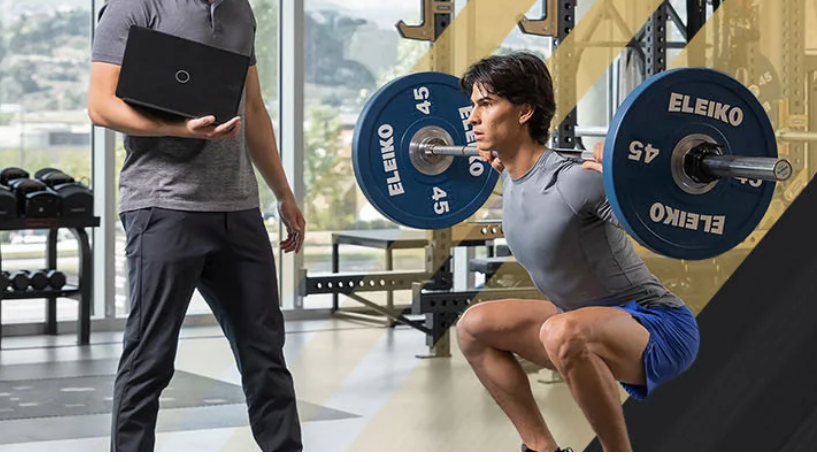
Best for: Trainers working primarily with athletes and performance-focused clients.
NCSA is built around strength and conditioning experience and has strong recognition in the athletic and performance industry. The certification requires an active NSCA membership, which starts at $130 per year and is separate from the exam and study costs.
The exam covers 155 questions over 3 hours, making it one of the most rigorous exams on the list.
For those looking to go further, NSCA also offers the Certified Strength and Conditioning Specialist credential, a more advanced certification that requires a bachelor’s degree.
Strengths
- Strong credibility in athletic and performance training.
- Clear pathway to the advanced CSCS credential for trainers who want to specialize further.
Weaknesses
- Requires an annual membership fee on top of exam and study costs.
- Study materials are sold separately rather than as a bundle.
- Narrower focus than generalist certifications, which may limit the appeal for trainers looking to work with general populations.
Cost and recertification
Exam and certification costs range from $500 to $1,000 or more. While the exam alone costs only $300-435, you need to purchase the membership, materials, and any other supporting materials. Recertifications require 6.0 CEUs every 3 years with a $60-90 fee.
ACSM: American College of Sports Medicine

Best for: Trainers interested in clinical and medical fitness settings, including hospital wellness programs.
ACSM’s certification is based on its Guidelines for Exercise Testing and Prescription, a scientific framework widely referenced in clinical exercise settings. This makes ACSM particularly common among trainers in hospital-affiliated wellness centers, cardiac rehabilitation programs, and other health-care-adjacent fitness roles.
The exam covers 135 questions over 150 minutes. They also offer higher-tier credentials: Health Fitness Specialist (requires a bachelor’s degree) and Clinical Exercise Physiologist.
Strengths
- Strong fit for trainers pursuing medical fitness or research-backed training methods.
- Clear progression to advanced, degree-requiring credentials for trainers who want to specialize clinically.
Weaknesses
- Less consumer brand recognition than NASM or ACE in commercial gym settings.
- Clinical orientation may be less relevant for trainers focused on general fitness coaching.
Cost and recertification
Prices can range from $449 to $610 depending on the package. If you want to take only the exam, it costs $300-$410. Recertification requires 45 CECs every 3 years and a $60 fee.
FAQs
Is NCCA accreditation required by law?
No, no US law requires personal trainers to hold any certification, accredited or otherwise. NCCA accreditation functions as an industry recognition standard, not a legal requirement.
Do I need a college degree to become a personal trainer?
No, most certifications require only a high school diploma or GED, current CPR/AED certification, and a minimum age of 18. However, some certifications do require a bachelor’s degree so always double check the requirements before signing up.
How long does it take to get certified?
It depends on the certification, but the process can take 4-6 weeks.
Your Next Steps

Remember that the NCCA accreditation is for the exam, not the organization or course behind it. It’s the credibility marker that matters most when you are evaluating a personal trainer certification.
A company can still run excellent courses without that accreditation, and it can hold accreditation for one exam while offering other courses that don’t qualify.
Before you enroll, confirm the current exam fee, which specific exam carries NCCA accreditation, and the recertification requirements you’ll be responsible for down the line. Prices can change, so it’s best to check with the providers.
Related Posts:






Brenda Peralta is a Registered Dietitian Nutritionist and Certified Diabetes Educator with over a decade of experience in clinical nutrition, health coaching, and evidence-based wellness. She specializes in weight management, metabolic health, diabetes care, and sustainable lifestyle changes. Brenda breaks down complex nutrition science into clear, practical guidance that helps readers make informed choices to improve their health.