

You might get eight hours of sleep but still wake up exhausted and sluggish. The time you spend in bed doesn’t tell you much about how well you slept and what kind of recovery you experienced overnight; your HRV does.
HRV stands for heart rate variability. You may have seen your HRV numbers on your wearable device or in your Health app. I never really gave it much thought until I was diagnosed with obstructive sleep apnea and started to understand more about the connection between sleep and your overall health. I’m not in my 20s anymore, and I need better sleep, not just more hours.
What is HRV?
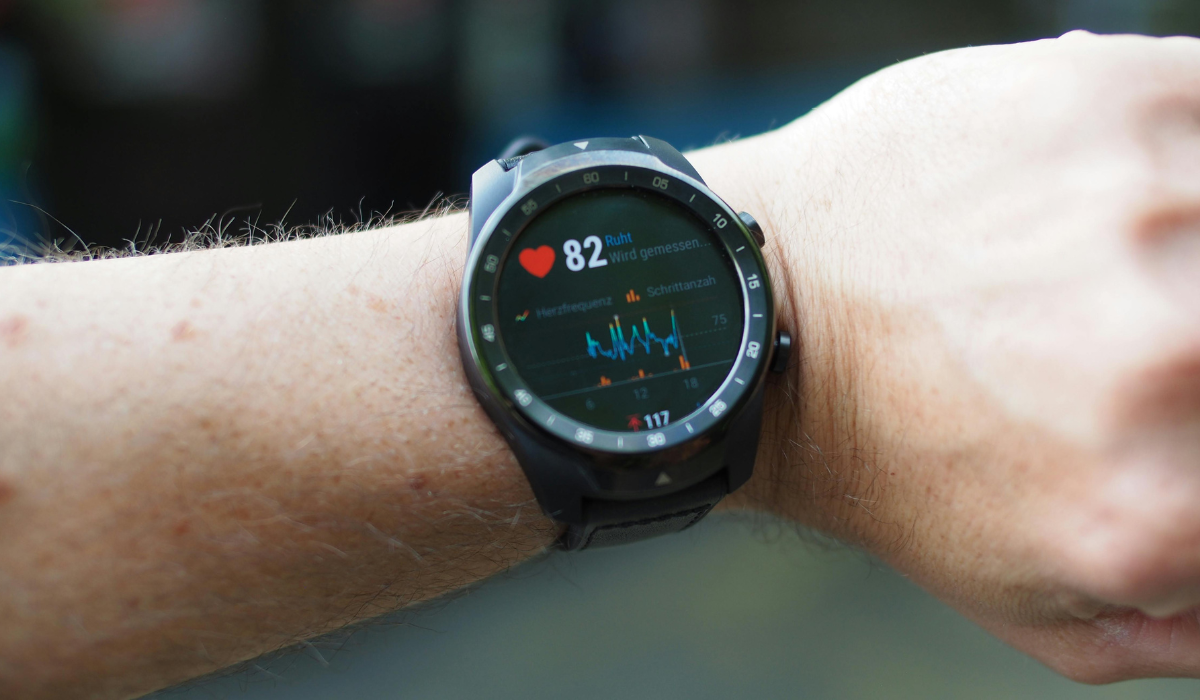
HRV is the variation in time between your heartbeats. A resting heart rate of 60 beats per minute doesn’t mean your heart beats exactly once every second. One gap might be 0.95 seconds and the next 1.05. Those millisecond changes are your HRV.
Those differences are controlled by your autonomic nervous system. That’s the part of your body that keeps your heart beating, your lungs breathing, and your food digesting without you having to think about it. It has two sides:
- Sympathetic: speeds things up when you’re under stress (fight or flight)
- Parasympathetic: slows things down so you can rest and recover (rest and digest)
When your HRV is higher, it usually means your body can switch between those two modes easily. When it’s lower, the stress side is usually running the show, and your heart has less room to adjust.
Why HRV matters

HRV is basically a snapshot of how stressed or rested your body is. That’s why a lot of athletes use it to decide whether to push hard or take it easy that day. Compared to your own normal, a higher number usually means you’ve recovered well. A lower one can be a sign of:
- Short or poor-quality sleep
- A hard workout you haven’t recovered from yet
- Ongoing mental stress
- Alcohol from the night before
- An illness coming on
That last one is the one people tend to pay the most attention to. If you see a lower HRV for a couple of nights and then start to feel under the weather, you can usually connect the two.
The best time to measure

During the day, your HRV moves around constantly. Caffeine, a stressful meeting or phone call, climbing stairs or walking briskly, even standing up from your desk can change it. While you’re sleeping, those variables are gone, so you get the best and most consistent readings from one night to the next.
Sleep is also when the parasympathetic side should be doing most of the work. Deep sleep in particular is when your heart rate settles and your body does a lot of its physical repair. That’s when you’re getting restorative sleep. So your overnight HRV gives you a solid read on how well your body recovered, not just how long you were in bed.
What’s a good HRV?

HRV is personal, and it depends on:
- Age (HRV tends to go down as you get older)
- Genetics
- Fitness level
- Sleep habits
- Stress
- Overall health, including conditions like diabetes and some medications
Because HRV is personal to you, two healthy people the same age can have completely different numbers. Comparing yours to a friend’s, or to a chart online, isn’t comparing apples to apples, and you shouldn’t be alarmed if your number is much higher or lower. What matters is your own baseline. Track it for a few weeks to learn your normal range, then watch for changes. One low night after a late dinner or an evening of drinks with friends isn’t a big deal. A drop that sticks around for a week or more is worth paying attention to. And if you’re feeling unwell, always check in with your doctor.
Evening habits that affect HRV

The hours before bedtime tell your overnight HRV story. These are some habits that can make a difference:
Cut back on alcohol, especially close to bedtime
Alcohol is one of the fastest ways to tank your HRV. You might think a drink will help you fall asleep, but once your body starts breaking it down, your heart rate goes up, and your HRV goes down, often for most of the night. If you’re tracking your HRV, this is usually the first pattern you’ll notice. If you’re going to have a drink, having it earlier in the evening and keeping it light will help your number.
Finish dinner two to three hours before bed
When you eat a big meal late, your body is still digesting when it should be winding down, and that keeps your heart working harder overnight. Give yourself a two- to three-hour buffer between your last meal and bedtime. If you need a late-night snack, keep it on the smaller and lighter side.
Stop caffeine by early afternoon
Like alcohol, caffeine stays in your system for hours, so an afternoon latte pick-me-up can still be in your system at bedtime. It also makes it harder to get into deep sleep, which is when HRV usually climbs. Try cutting caffeine earlier in the afternoon and see if your numbers change.
Hard workouts earlier in the day
Working out is great, and regular moderate cardio, like brisk walking, cycling, or swimming, tends to raise HRV over time. Hard, intense workouts are different. They can lower HRV temporarily while your body recovers, and a hard session later in the evening will keep your system going into the night. Do your high-intensity training earlier if possible, and keep a balanced workout routine with lighter days like stretching, yoga, or an easy walk. Overtraining can show up in your HRV number quickly.
Practice slow breathing before bed
Slow breathing, meditating, and sitting quietly before bed shift your body toward rest. Breathing at about five or six breaths per minute stimulates the vagus nerve, which plays a role in the parasympathetic system. An easy way to do it is to breathe in for four counts and out for six.
Box breathing can work too:
- Breathe in for four counts
- Hold for four
- Breathe out for four
- Hold for four
Repeat this for about 10 minutes before bed.
Bedtime schedule
Having a consistent sleep schedule keeps your circadian rhythm steady, and your body recovers better when it knows what to expect. That includes weekends, which can be difficult, but it’ll help you in the long run. Aim for seven to nine hours a night.
Put your phone and tablet down
Bright light and scrolling keep your brain alert when you’re trying to wind down. I know it’s hard, but put your phone or tablet away an hour before bed if you can, or at least turn the brightness down. You could even start putting all your tech away 10 minutes earlier each night. It’ll get easier as you get into a routine.
Drink water during the day
When you’re dehydrated, your heart has to work a little harder. Drink water throughout the day so you’re not trying to cram in your eight glasses right before bed and then waking up several times a night to use the bathroom.
Sleep cool
Your core body temperature drops as you fall asleep, and a cool room helps that happen. When you sleep hot, you tend to wake up more and spend less time in deep sleep, which can cut into your recovery. A cooler bedroom helps, and so does controlling the temperature of the bed itself.
How to track your HRV
To know if any of these changes are actually working, you need a way to track your HRV. The most common options are:
- Chest strap heart rate monitors: very accurate, but most people won’t wear one to bed every night
- Smartwatches and fitness rings: convenient, but you have to wear and charge them
- Bed-based tracking: sensors in your bed collect data while you sleep, with nothing to wear
Whatever you use, try to measure under the same conditions every time. If your tracker reads your HRV overnight, that part’s already taken care of.
Tracking HRV with Eight Sleep

I wear an Oura Ring, and I also sleep on an Eight Sleep Pod. The Pod is a cover that goes on top of the mattress you already have, with sensors built in that track your heart rate, HRV, breathing rate, and sleep stages while you sleep. Every morning you get a sleep and health report in the Eight Sleep app, and there’s nothing to put on or charge before bed.
The Health Check feature is where it gets useful for HRV. It spends the first few weeks learning what’s normal for you, then keeps an eye on your heart rate, HRV, and breathing for gradual changes. So instead of stressing over one bad night, you can see if your numbers actually move after you change something, like skipping the nightcap or moving your workouts to the morning.
Temperature control is my favorite feature, especially because one minute I’m hot and the next I’m cold. I like that you can set each side of the bed anywhere from 55°F to 110°F, so you and your partner don’t have to fight over the thermostat, and Autopilot adjusts it through the night based on your sleep stage and the room. According to Eight Sleep, members saw their HRV improve 13% on average and got up to 34% more deep sleep. More deep sleep means more recovery time, and that’s the difference between waking up groggy and feeling like you actually slept.
Individual results may vary. Eight Sleep is not a medical device.
Baby steps

Start small and be realistic with your evening routine changes. You don’t need to change everything on night one. Pick a couple of small things you can start the first week, then add another the next week. For example, start with your phone and tablet. Cutting back your screen time each night is an easy first step. Then maybe shift your dinner earlier, or meal prep over the weekend so dinners are easy to cook and ready sooner. Make a couple of changes, watch your numbers, and look for a trend in how those changes affect your HRV. You’ll usually see improvements over a few weeks, not overnight.
If you’ve made these changes, your HRV stays low, you can’t figure out why, and you don’t feel like yourself, talk to your doctor. HRV is a helpful signal of restful sleep and overnight recovery, but it can’t tell you what’s wrong.
Related Posts:






Alt Protein Team is a team of professionals and enthusiasts committed to bringing you the most up-to-date information on alternative protein, health and wellness, workouts, and all things health-related. We’ve reviewed a lot of products and services so you don’t have to guess when you spend your hard-earned money on them. Whether you want to shed some pounds, build lean muscle or bulk, we can help you figure out what you need to do and what you need to have to achieve your goals.