
When I first started researching how to become a Pilates instructor, I noticed pretty quickly that there wasn’t just one path to certification.
You might see mat Pilates training, reformer training and/or comprehensive programs that cover several pieces of equipment. And while the difference between mat and reformer Pilates may seem obvious (using a mat vs using a spring-loaded reformer) the differences become much more important when you’re thinking about Pilates as a career.
How much training will you need? How much will it cost? What will you actually be qualified to teach? Perhaps most importantly, what kind of studio or gym do you eventually want to work in?
In short, through my research I have learned, there really isn’t one right answer for everyone. The best starting point depends on where you want your Pilates career to take you.
Mat vs. Reformer Pilates Certification: Key Differences at a Glance
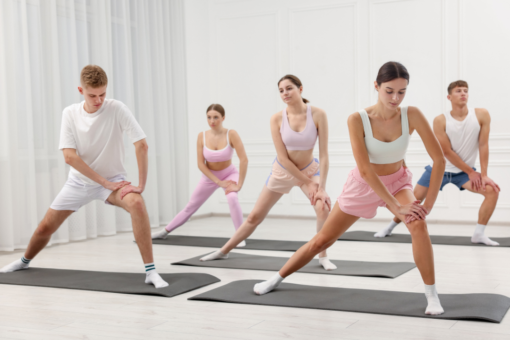
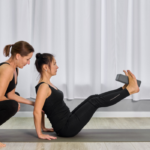
Mat Pilates is often the more straightforward entry point because it focuses on the foundational Pilates repertoire without requiring a reformer or other large apparatus. Exercises focus on core strength, control, and alignment through bodyweight movements like leg circles, roll-ups, and the hundred.
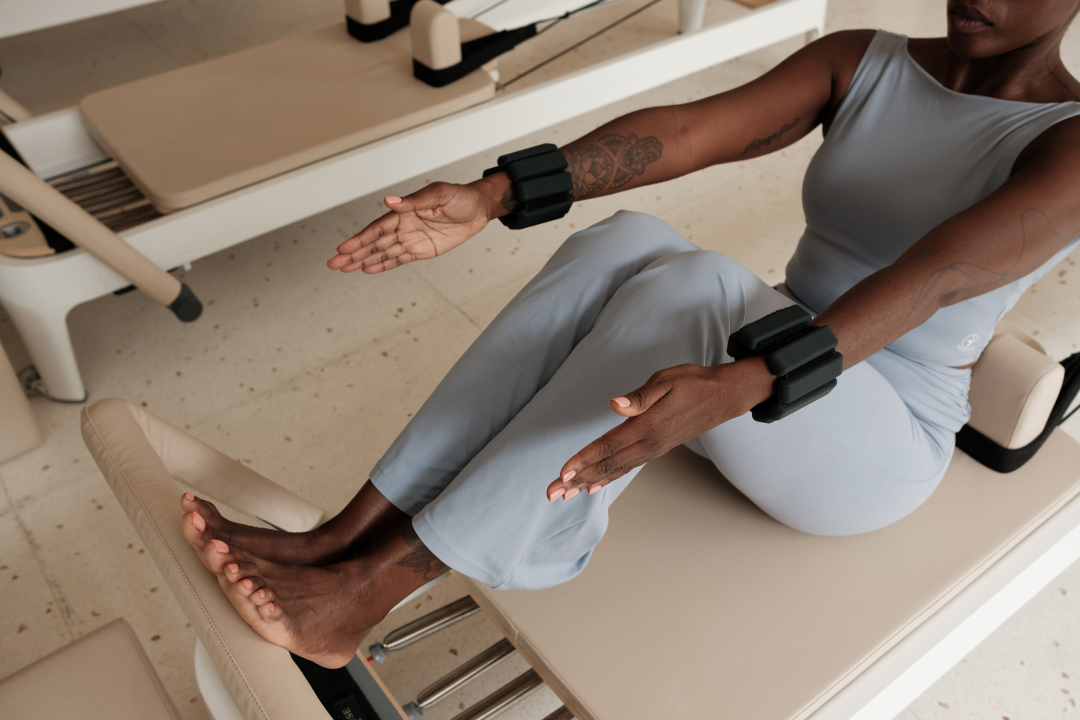
Reformer training adds specialized equipment and the skills needed to teach clients on it. The springs create adjustable resistance, so instead of just working against gravity and your own body weight, you’re pushing or pulling against spring tension as the carriage glides back and forth on tracks.
Comprehensive programs go even further, incorporating multiple apparatuses and a broader range of Pilates exercises. As one example, Balanced Body currently lists the following total hours for its programs:
- Mat Instructor Training: 134 hours
- Reformer Instructor Training: 214 hours
- Mat & Reformer (combined): 332 hours
- Comprehensive Instructor Training: 520 hours
Those totals include specific modules and practical teaching requirements. One thing to note is that most reputable certifications will also require functional anatomy training hours, but they are not always included with the courses.
This doesn’t mean every certification provider follows the same structure. Programs can differ significantly in how many hours they require, whether training is online or in person, and what students are expected to complete prior to receiving their certification.
So instead of asking which certification is “better,” it makes more sense to ask yourself which one aligns best with the instructor you want to become.
What Mat Pilates Certification Qualifies You to Teach
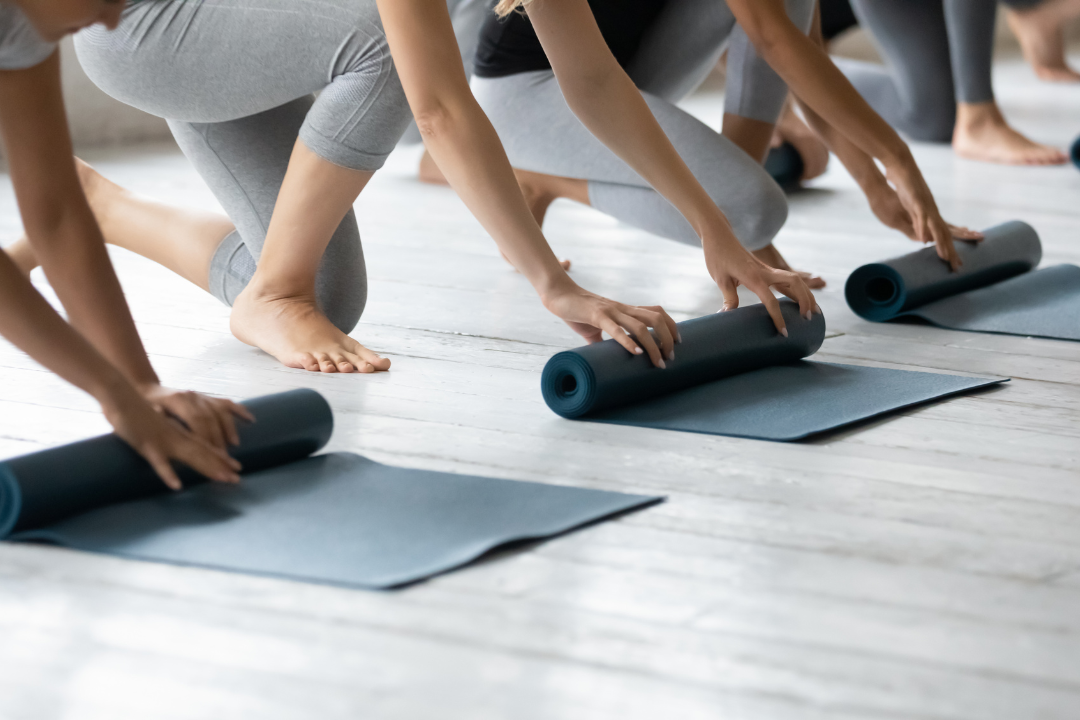
Mat Pilates is built around the foundation of the method: controlled movement, alignment, breathing, stability, core strength and body awareness.
A good mat program should teach you much more than a list of exercises. You’ll learn how to cue movements, sequence exercises into a class, modify movements for different clients and understand the principles behind what you’re teaching.
That distinction matters, so make sure you are doing your research on each certification provider.
Being able to perform a Pilates exercise yourself is one thing, but teaching a room full of people with different fitness levels, movement patterns and experience requires a different set of skills.
Mat training can also make sense for someone who wants to teach in a traditional gym or group fitness environment. Because you don’t need a reformer for every participant, mat classes can work in a wider range of spaces and gyms.
For someone who is still deciding whether Pilates instruction is the right career move, starting with mat training can provide a way to build a foundation without immediately committing to a much larger apparatus program.
What Reformer Pilates Certification Adds to Your Training
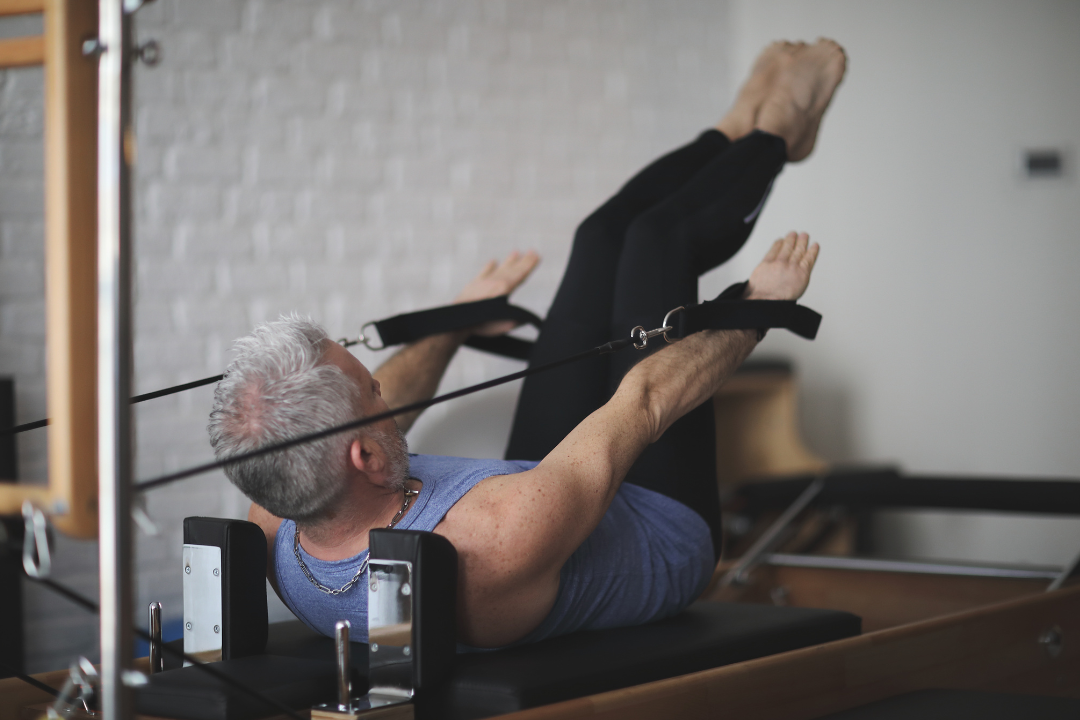
With a reformer’s moving carriage, springs, straps and footbar, the instructor has to understand how equipment setup and resistance affect each exercise. You’ll also need to become comfortable giving equipment-specific cues and helping clients transition safely between movements.
That hands-on experience with the equipment is one of the biggest differences between mat and reformer training.
Balanced Body’s current Reformer Instructor Training, for example, includes 150 practical hours, broken down as:
- Personal reformer sessions: 30 hours
- Observation hours: 30 hours
- Student teaching hours: 90 hours
Its total training requirement is 214 hours (before anatomy). Students taking the program online are also required to have access to a reformer throughout the program. That’s because reformer certification isn’t just an online course about how the machine works.
Depending on the program, you may need substantial time actually practicing on the equipment and teaching other people on it.
How Much Does a Pilates Certification Cost?
There is a wide range in Pilates certification pricing because you’re not always comparing the same type of education.
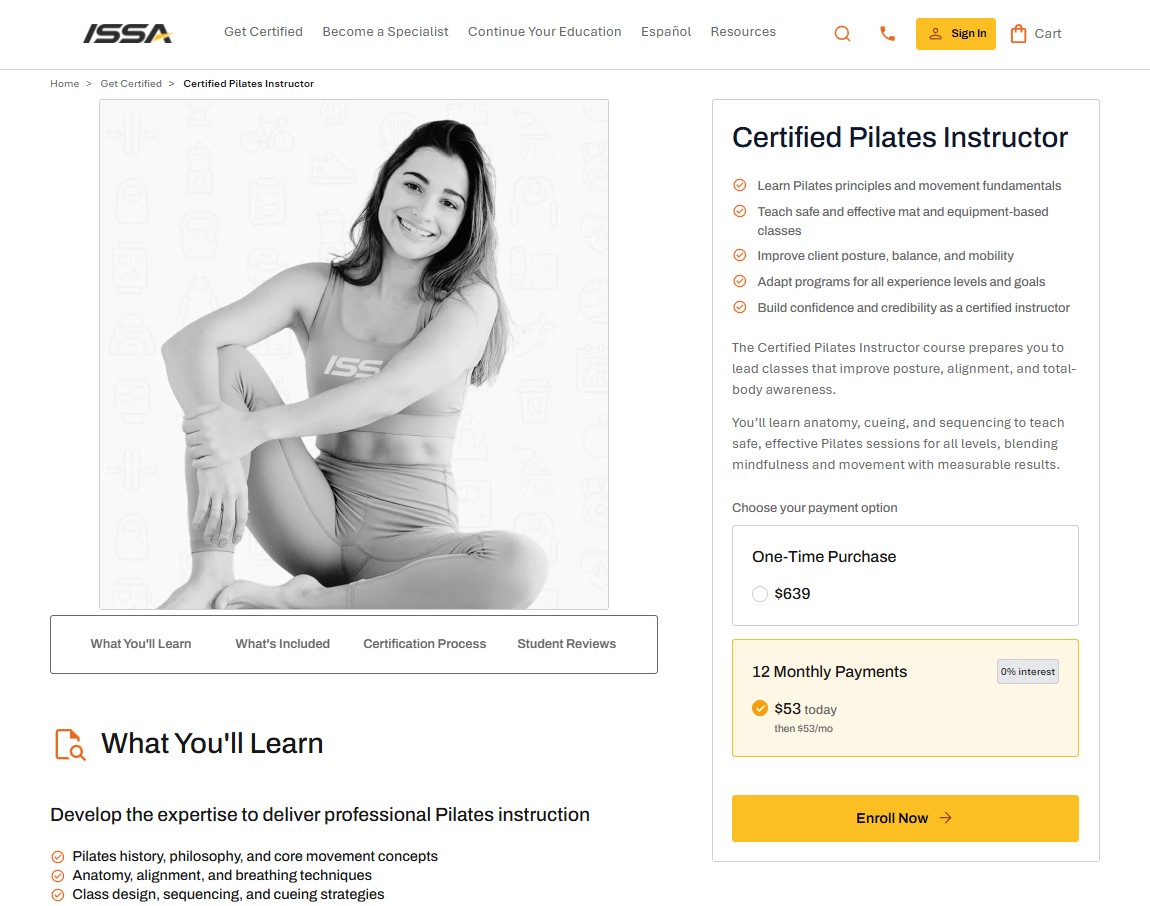
ISSA’s current Certified Pilates Instructor program, for example, costs $639 when paid in full or $53 per month. It’s an online, self-paced program that teaches Pilates principles and movement fundamentals and prepares students to teach both mat and equipment-based classes.
That looks very different from an in-person apparatus program. Power Pilates currently lists its Reformer I program at $1,249 for regular U.S. pricing, although specific locations may offer exclusive pricing. The program breaks down as:
- Lecture: 16 hours
- Practice teaching, exercise performance, and observation: 68 hours
- Final evaluation: remaining hours to reach 100 total hours
And comprehensive training can require a much larger investment. Balanced Body’s comprehensive pathway is 520 hours (before anatomy), while other comprehensive programs can have their own hour requirements, schedules and tuition structures.
So it doesn’t really make sense to compare certifications based on price alone.
Questions to Ask Before Enrolling:
I always recommend that people look at potential curriculums and ask:
- How many total training hours are required?
- How much hands-on practice is included?
- How many observation and student-teaching hours are required?
- Will I have access to the equipment I need?
- Is anatomy included or separate?
- Does the program match the type of Pilates job I want?
A lower-cost online certification and a multi-hundred-hour comprehensive program are designed for different goals. One isn’t automatically a better investment than the other.
What Studios and Gyms Actually Require From Instructors
This may be the most important part of your decision.
A gym looking for someone to teach a mat-based group fitness class may have very different requirements from a boutique studio hiring instructors for reformer classes.
Some employers may accept a broad Pilates certification. Others may want specific apparatus training. Some studios may have their own training programs or require instructors to complete additional education after being hired.
That’s why I’d recommend looking at actual job postings before choosing your certification.
If you’re dreaming about teaching at a particular reformer studio, check what that studio asks its instructors to have. If you’re already working at a gym, ask whether it requires a specific Pilates credential for group fitness instructors.
This small bit of research can save you from paying for training that doesn’t line up with the job you actually want.
National Pilates Certification (NPCP): What’s Changing in 2027
Another thing that can get confusing when you’re researching programs is the difference between completing a school’s training program and earning a separate professional certification.
The National Pilates Certification Program (NPCP) has its own eligibility and examination requirements. Its mat pathway is distinct from its comprehensive credential, so it’s worth understanding what a particular school certificate actually represents before enrolling.
The requirements are also changing.
Beginning January 1, 2027, the NPCP’s updated mat eligibility standards require a minimum of 100 hours of Pilates mat teacher education, along with in-person components for Pilates repertoire and special populations. Observation, practice and teaching must also be supervised in person or live virtually.
If you’re planning your training now with the goal of pursuing a national credential later, check the current requirements before choosing a program. Certification standards can change, and you don’t want to discover after completing your training that you need additional education to meet an exam’s eligibility requirements.
Should You Start With Mat or Reformer If You Want Both Eventually?
If you know you want to teach both, you have a couple of options.
One is to start with mat, build your foundation and add reformer training later. This can be appealing if you’re new to Pilates or want to start teaching sooner while figuring out what type of instruction you enjoy.
The other is to choose a combined or comprehensive program from the beginning.
There can be an efficiency advantage to following a structured combined path. Balanced Body’s current Mat & Reformer program totals 332 hours, compared with 134 hours for mat alone and 214 for reformer alone. The combined pathway is therefore not simply a matter of adding the two standalone totals together.
Starting with mat can still be a smart choice, particularly if you’re unsure about investing in comprehensive training right away.
Think of it as building your education in stages.
You can learn the fundamentals, get some teaching experience and then decide whether you want to invest in reformer or additional apparatus training based on the clients and studios you actually want to work with.
Which Pilates Certification Path Is Right for You?
If you’re primarily interested in teaching mat classes at a gym, fitness facility or community setting, mat-focused training may give you the foundation you need to get started.
If you already know you want to work in a reformer-focused studio, look for a program that includes meaningful hands-on reformer training rather than assuming a general Pilates certification will be enough.
And if you want the flexibility to teach across different environments, a broader Pilates program may make sense. ISSA’s current Certified Pilates Instructor program is one example of a flexible, self-paced option that covers both mat and equipment-based instruction.
The important thing is to think beyond the certification itself. Your goal is to develop the knowledge, teaching skills and experience that will help you become the kind of instructor you want to be.
Start by figuring out where you’d like to teach and then look at what those employers expect. Compare the training hours and costs, and choose a program that fits both your current situation and your long-term goals.
Your first certification doesn’t have to be the final stop. It can be the foundation for a career that keeps growing as your skills and interests do.
Related Posts:

Alt Protein Team is a team of professionals and enthusiasts committed to bringing you the most up-to-date information on alternative protein, health and wellness, workouts, and all things health-related. We’ve reviewed a lot of products and services so you don’t have to guess when you spend your hard-earned money on them. Whether you want to shed some pounds, build lean muscle or bulk, we can help you figure out what you need to do and what you need to have to achieve your goals.