

You wake up tired almost every day. You think you’re getting enough sleep, but are you getting good, restorative sleep? You’re dragging in the morning, pouring another cup of coffee, and then the 3 p.m. crash hits. Getting eight hours doesn’t always mean you got eight hours of good sleep. Over the night, you move through light sleep, deep sleep, and REM, and it’s mostly the deep and REM stages that leave you feeling rested. You could be in bed for a full eight hours and still wake up several times without remembering, sleep too hot, snore, or barely hit deep sleep at all. Then you wake up tired and have no idea why.
But figuring out why a night went wrong isn’t impossible anymore. A sleep tracker can show you how much time you spent in each stage, how many times you woke up, and what your heart rate and breathing were doing overnight. After a while, you start to see your own patterns. It can also catch changes that might be worth a closer look, like your resting heart rate creeping up or your HRV (heart rate variability) dropping when life gets stressful. Of course, these aren’t a replacement for your doctor. It just gives you a baseline and real information instead of guessing based on how you feel in the morning.
I’ve been wearing an Oura Ring for a while, and it’s helped me understand my sleep so much better. Recently I added an Eight Sleep Pod 6 to my bed, so now I’m using both and comparing them. Sharing is caring, and we all need better sleep, so I put together what I’ve learned about the different kinds of sleep trackers out there, from wrist wearables and smart rings to bed-based systems like the Eight Sleep Pod. I’ll go over what each one tracks, what they cost once you factor in the memberships, and how a bed system compares to the wearables most people already know.
What Each Tracker Measures

All of these devices read the same basic things: your heart rate, your HRV, your breathing, and how much you move. The difference is where the sensor sits.
The Best Wrist Wearables: Whoop and Garmin
Wrist trackers use a small light on the back of the device to read your pulse through your skin, and they use motion to tell whether you’re sleeping soundly or tossing around. From that info, they estimate your sleep stages, how long you slept, HRV, resting heart rate, and breathing rate.
Whoop
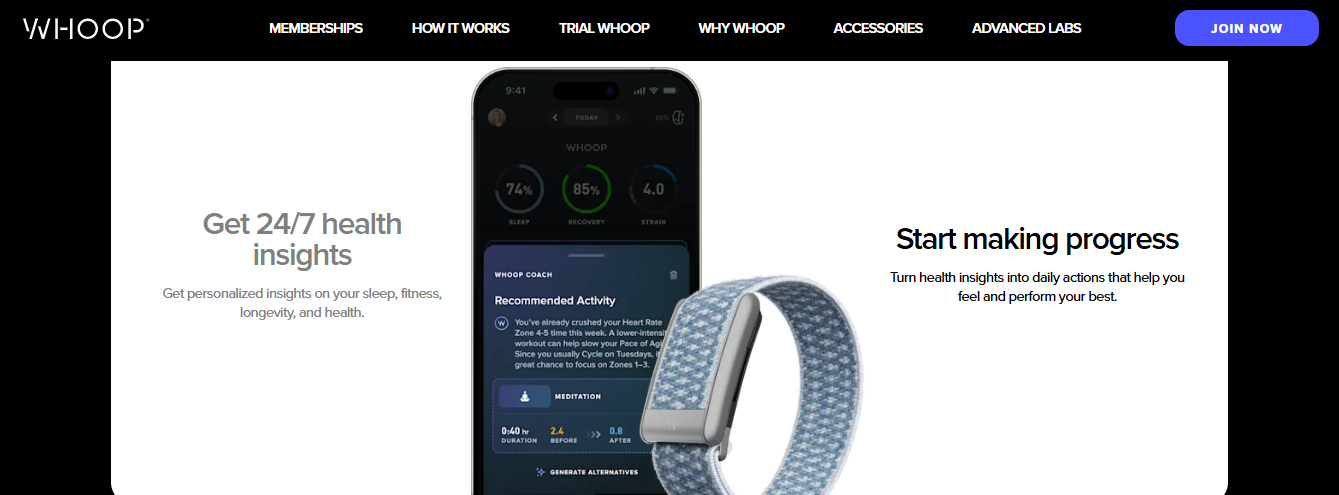
Whoop focuses on recovery. It tracks your sleep stages and works out how much sleep you need based on how demanding or stressful your day was. You get a sleep score, a suggested sleep schedule, and your trends over time. The one thing that kinda throws me off is that there’s no screen on it. You’re meant to wear it all day and all night, and you check the app the next morning for your sleep scores.
Garmin
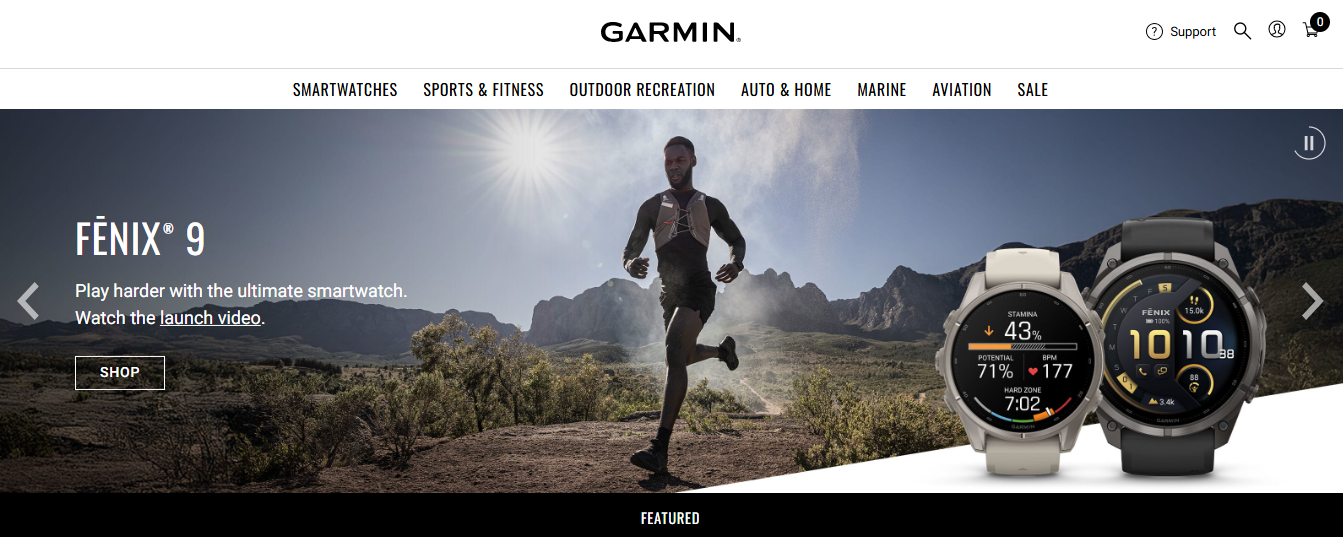
Garmin‘s Venu 3 and Venu 4 are full smartwatches that also track sleep really well. You get detailed overnight insights, automatic nap detection, and personalized sleep coaching, plus a bright display and solid battery life. This is a fitness watch with sleep and health tracking info.
The Best Smart Ring: Oura
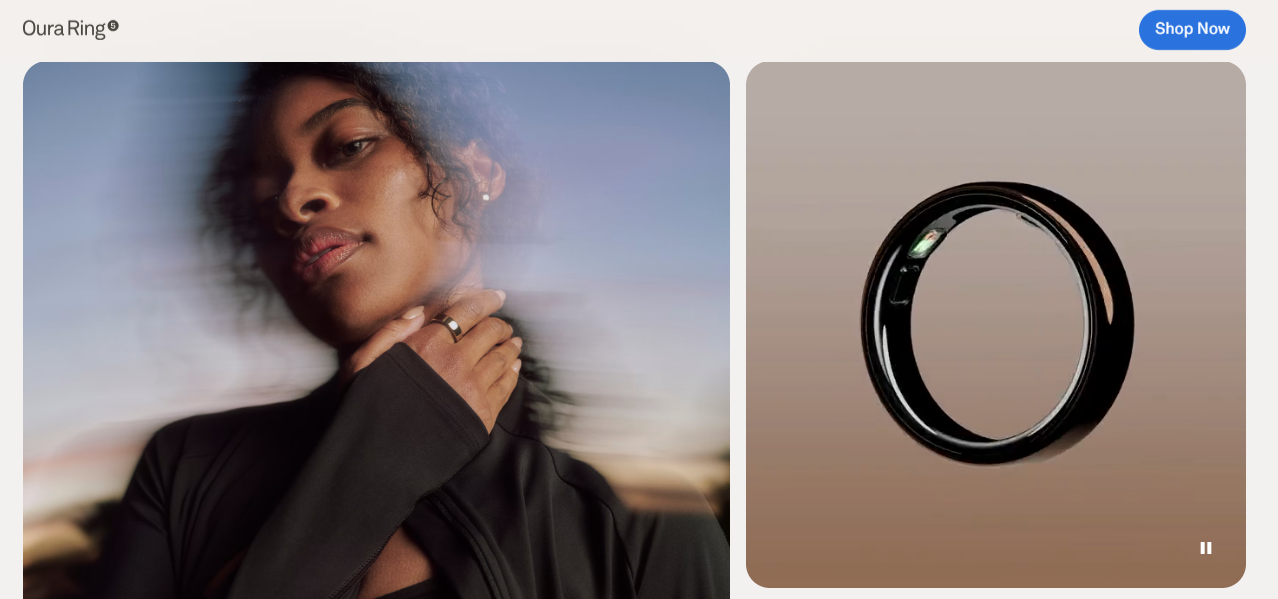
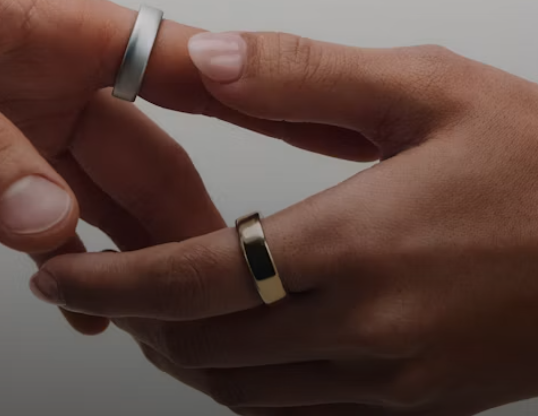
Oura is a ring that reads your pulse from your finger, where the blood vessels are close to the surface, so it can get a strong reading from something small. It tracks your sleep stages, HRV, resting heart rate, body temperature changes, and blood oxygen, and turns it all into a daily sleep score and readiness score. I had a Garmin watch but switched to the Oura Ring because I didn’t love wearing a big watch, and the ring is more stylish. For me, the Oura also seemed to track my sleep better than the Garmin did.
The Best Bed-based Systems: Eight Sleep
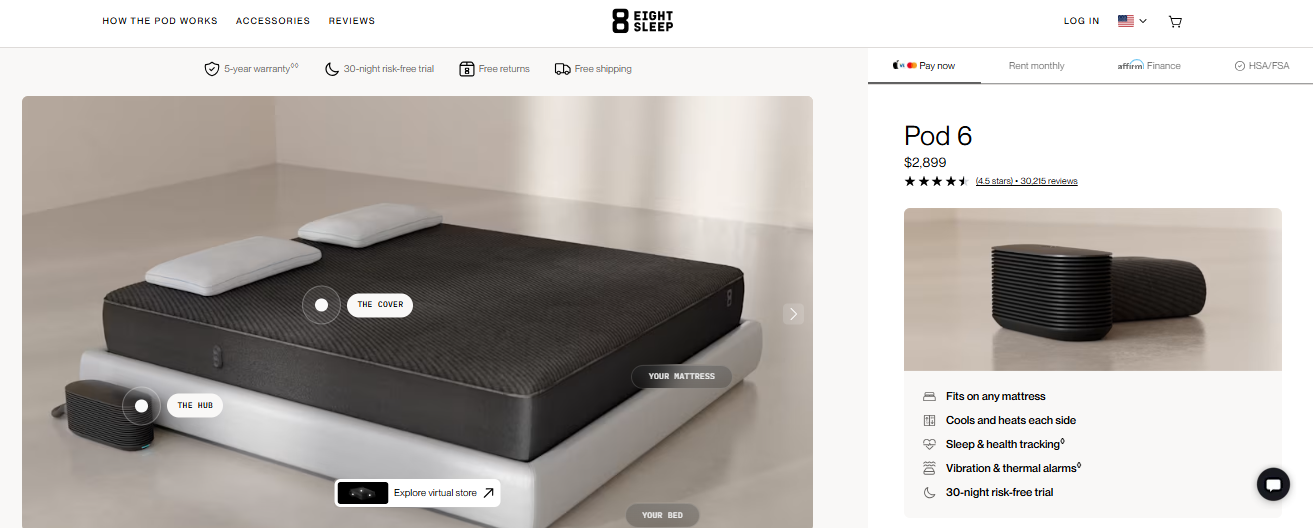
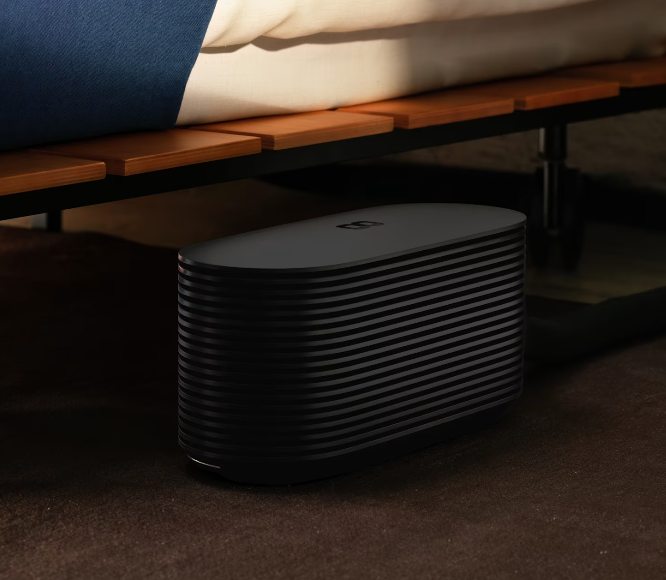
With a bed-based system, you don’t wear anything. The sensors are built into a cover that goes over your mattress, similar to a mattress pad. There’s nothing to charge. You just get in bed, and it starts tracking.
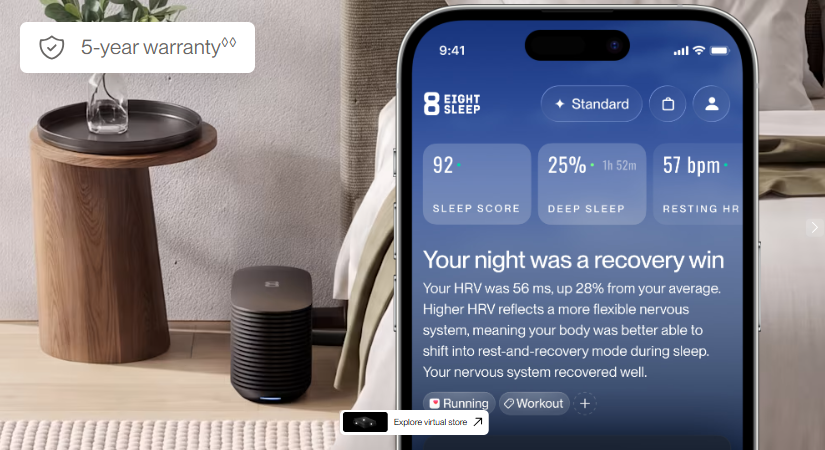
The Eight Sleep Pod tracks deep, REM and light sleep, how long you slept, when you fell asleep and woke up, when you got in and out of bed, HRV, resting heart rate, breathing rate, and snoring. According to Eight Sleep, its heart rate and HRV readings are 99% accurate compared to gold-standard ECG devices.
The Pod also has a feature called Health Check. For the first two to four weeks it learns what’s normal for you. From then on it keeps an eye out for gradual changes in your resting heart rate, HRV and breathing, and it’ll flag sudden changes in your breathing or heartbeat overnight. One of my favorite things about the Pod 6 is the heating and cooling technology. You fill the Pod with water, it heats or cools the water, and you feel it through the cover. When my body temperature rises at night, it automatically cools down.
How Much Does It All Cost?
The device is only part of the cost. Most of these come with a membership, and that’s what you keep paying for. These are list prices, I always recommend checking pricing before you buy, since there may be discounts or sales.


Garmin
Garmin is the one you can buy once and be done with.
- Garmin Venu 3: $449.99 for the watch, with no membership required
- Garmin Venu 4: $549.99 for the watch, with no membership required
Whoop
With Whoop, you pay every year you use it, and if you cancel, your data stops.
- Whoop One: $199 a year with the band included
- Whoop Peak: $239 a year with the band included
- Whoop Life: $359 a year with the band included
Oura
With Oura, the membership is how you get the most out of the ring. Without it you only get the basics, like your sleep, readiness and activity scores.
- Oura Ring 4: from $349 for the ring plus $69.99 a year for the membership
Eight Sleep
Eight Sleep’s Standard membership covers the automatic temperature changes, sleep, heart rate, HRV and breathing reports, and the vibration and thermal alarms.
- Eight Sleep Pod 6 on the Standard plan: $2,899 plus $199 a year for membership
- The Enhanced membership is $299 a year and adds a five-year warranty.
- Elite is $399 a year and adds more advanced health monitoring that tracks heart and breathing patterns over time.
Eight Sleep also offers a 30-night risk-free trial with free shipping and returns.
How the Eight Sleep Compares to a Wearable
The biggest difference is that a wearable tells you how you slept, but the Pod can adjust things during the night to help you sleep better. If my Oura shows my deep sleep dropped or my HRV was low, it’s on me to do something about it. Maybe I turn down the AC, stop drinking coffee earlier or go to bed sooner.
Mostly the Pod does that through temperature. Each side of the bed can be set anywhere from 55°F to 110°F. Autopilot, the software that comes with the membership, adjusts the temperature as you move through your sleep stages, using your sleep history, your preferences, the room temperature and even the weather. Temperature plays a big role in how deeply you sleep, and Eight Sleep says the Pod can add up to an extra hour of sleep per night.
It’s also great if you and your partner never agree on the temperature. One side can run cool and the other warm, and you each get your own sleep data, which for obvious reasons isn’t possible with a wearable.
Another neat feature is how the Pod can wake you up with warmth or a gentle vibration, so there’s no alarm sound jolting you awake. Eight Sleep also offers a Base that raises and lowers the head and foot of the bed and can lift your head when it notices snoring. There’s also a Blanket and a Pillow Cover that extend the cooling and heating.
The obvious drawback is that a bed system only knows what happens while you’re in bed, so you won’t get daytime heart rate, workouts or steps. It also doesn’t come with you when you travel.
And you may have heard about the Eight Sleep leaks from the Pod 3 and earlier models. Starting with the Pod 4, Eight Sleep redesigned the water tubing with fewer weak spots.
What’s Right for You
You don’t have to pick just one. Wearing my Oura Ring during the day and comparing it with a bed system has been helpful for my sleep. I was recently diagnosed with obstructive sleep apnea, and I’ve reached an age where everything is changing, so sleep has become even more precious to me. I like having two devices measuring my sleep, and I can share the details with my doctor. It really comes down to what you want and what you like.
- A Garmin watch is the easiest pick if you want sleep tracking without a monthly bill.
- Oura is great if you want something small you’ll hardly notice, and its membership costs the least of the bunch.
- Whoop makes sense if you’re focused on training and recovery, as long as you’re OK paying for the membership the whole time you use it.
- The Eight Sleep Pod is the one to look at if you want something that doesn’t just track your sleep but helps you get more of it. It cools or warms you through the night and can gently wake you up. It’s also a good pick if you’d rather not wear anything at night.
Most of these come with some kind of ongoing commitment, except Garmin, which has no membership. If it’s a yearly membership, check the fine print on canceling. With a wearable, you’re charging a device every few days and wearing something to bed. The Pod skips both of those, but it costs a lot more up front. The best pick is the one that fits your budget and the way you sleep, and one you’ll keep using after the first few weeks.
Related Posts:






Alt Protein Team is a team of professionals and enthusiasts committed to bringing you the most up-to-date information on alternative protein, health and wellness, workouts, and all things health-related. We’ve reviewed a lot of products and services so you don’t have to guess when you spend your hard-earned money on them. Whether you want to shed some pounds, build lean muscle or bulk, we can help you figure out what you need to do and what you need to have to achieve your goals.