
Deciding between Eight Sleep and Oura Ring comes down to choosing how you want to improve your sleep. Both are leading names in sleep technology, but they take fundamentally different approaches. Oura focuses on tracking your body’s signals through a discreet biometric ring, while Eight Sleep transforms your sleep environment with an active system that automatically adjusts bed temperature throughout the night.
For this comparison, I’m focusing on how each product approaches sleep: how well it tracks sleep data, whether it can actively improve sleep quality, and which type of user gets the most value from each device.
Eight Sleep vs Oura Ring: At a Glance
| Eight Sleep Pod | Oura Ring | |
| Core Function | Active sleep optimization | Passive sleep tracking |
| How It Works | Adjusts bed temperature in real time based on sleep data | Tracks biometrics via a wearable ring |
| Sleep Improvement | Yes; direct intervention during sleep | Possibly; with user behavior changes |
| Sleep Tracking | Yes | Yes |
| HRV + Heart Rate | Yes | Yes |
| Temperature | Environmental + skin temperature | Skin temperature trends |
| Wearable Required | No | Yes |
| Portability | Fixed to bed | Fully portable |
| Best For | Improving sleep quality automatically | Tracking sleep and recovery trends |
| Effort Required | Minimal | Moderate, must wear + interpret data |
How Eight Sleep Improves Sleep
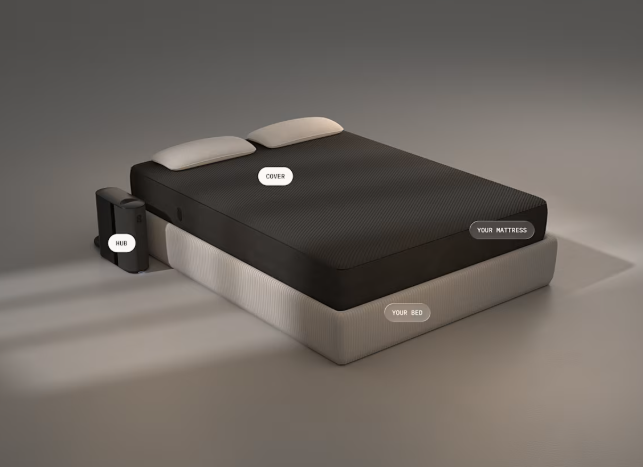
Eight Sleep Pod is a smart mattress system that goes beyond tracking by actively adjusting your sleep environment throughout the night. It combines a sensor-enabled mattress cover, a control hub, and a companion app that work together to monitor and optimize sleep conditions.
For performance-focused users, such as athletes or high performers, Eight Sleep’s design is a recovery tool rather than just a tracker, because sleep quality is one of the biggest drivers of recovery.
Unlike passive trackers, Eight Sleep continuously adjusts temperature during the night based on your sleep stages and biometrics. It tracks heart rate, HRV, breathing patterns, and snoring, and automatically optimizes conditions through its Autopilot system.
Temperature Adjustment
The temperature of your bed and in your bedroom matters most. There are some situations where it tends to fluctuate or become disruptive, such as:
- People who naturally sleep hot or experience night sweats
- Partners with different temp preferences
- Early-morning wake-ups tied to rising body temperature
- Poor sleep quality despite good sleep habits
One reason temperature has such a big impact on sleep is that it directly influences how your body transitions through the stages of sleep. Your core body temperature needs to drop to help you fall asleep. When that doesn’t happen, whether from a warm room, heavy bedding, or natural fluctuations, you’re more likely to experience delayed sleep onset or lighter, more fragmented sleep early in the night.
Later in the night, temperature continues to play a role in maintaining your deep sleep. Temperature fluctuations can influence sleep comfort and may contribute to nighttime awakenings for some people, particularly those who sleep hot or experience temperature sensitivity.
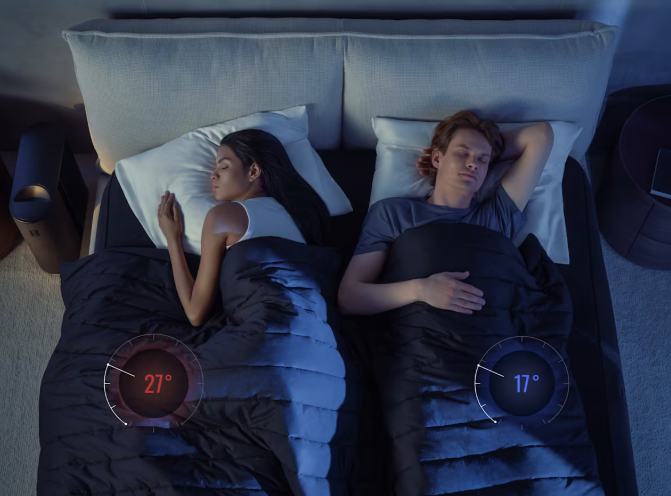
Eight Sleep is designed to help users create a more consistent sleep environment by cooling or warming the bed based on preferences, sleep patterns, and biometric data. Couples can also set different temperatures on each side of the bed, so one partner can sleep cool while the other sleeps warm.
Over time, the system learns your sleep patterns and automatically adjusts the bed temperature to match. If you struggle with overheating at night, sleep disturbance, or poor-quality sleep, this is one of the most impactful devices in sleep technology.
The trade-off is that Eight Sleep is a premium product that’s designed for use at home, making it significantly less portable and more expensive than a wearable like Oura Ring.
Non-Wearable, Fully Automated Tracking
Eight Sleep’s sensors are built directly into the mattress cover. There’s nothing to wear, charge, or remember to do before bed.
If you don’t like sleeping with a wearable, this is a major advantage. Eight Sleep provides non-wearable overnight health tracking, monitoring metrics such as heart rate, HRV, respiratory rate, and sleep stages while you sleep.
Automated Sleep Environment Optimization
Eight Sleep uses data to automatically adjust to your needs. It applies your data to adjust bed temperature in real time, adapts to sleep stages, and optimizes the sleep environment continuously. The smart pod system learns your patterns over time and personalizes its benefits.
How Oura Ring Improves Sleep
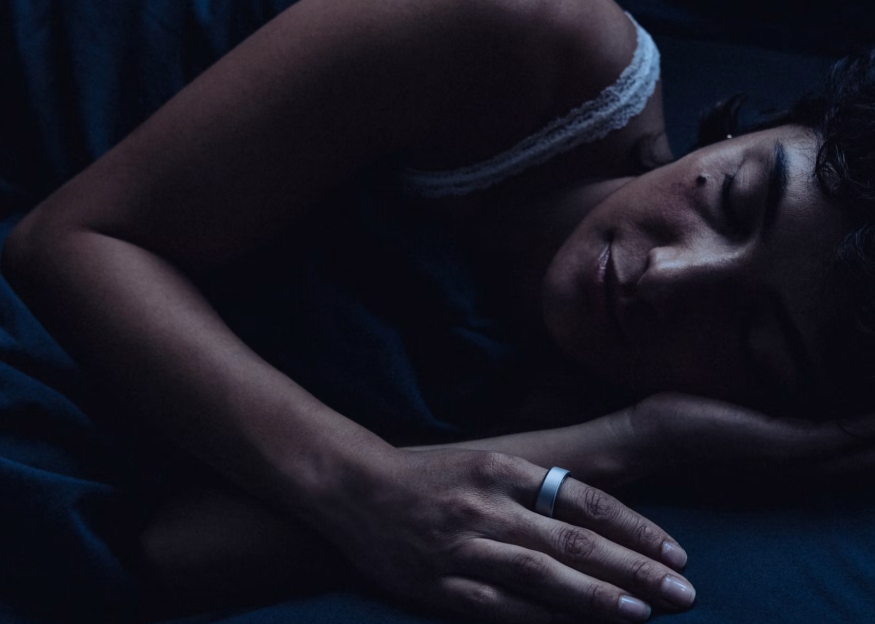
Oura Ring is a finger-worn wearable focused on passive tracking and long-term health insights. It collects biometric signals including heart rate, HRV, respiratory rate, body temperature trends, and sleep stages, then translates that data into readiness and recovery scores.
Rather than changing your sleep directly, Oura is intended to help you identify patterns so you can make informed adjustments to your training, routines, and recovery habits.
Some advanced features also require an ongoing membership, which is worth considering alongside the purchase price.
However, there are some trade-offs. You will need to wear the device as much as possible to collect accurate data. It also can’t improve your sleep in real time. Any improved outcomes depend on how you respond to the insights it provides, since behavior change is required.
Daily and Portable Health Tracking
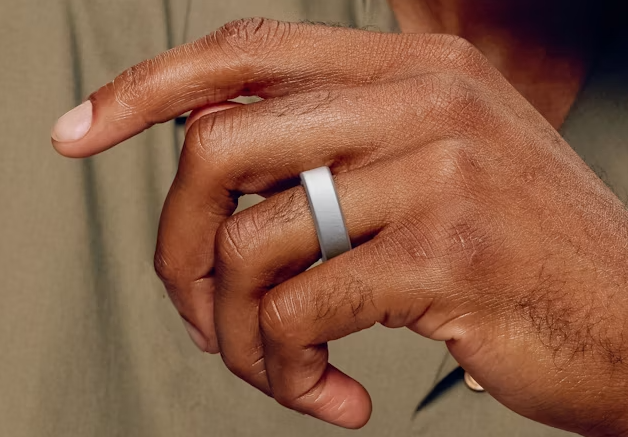
One of Oura Ring’s biggest strengths is its portability. It’s simple and lightweight, continuously tracks sleep, recovery, and daily activity to make it easy to build a long-term picture of your overall health. It’s worn on your finger with a long battery life, allowing it to work consistently across different environments, whether you’re at home or traveling.
When Is Tracking Not Enough?
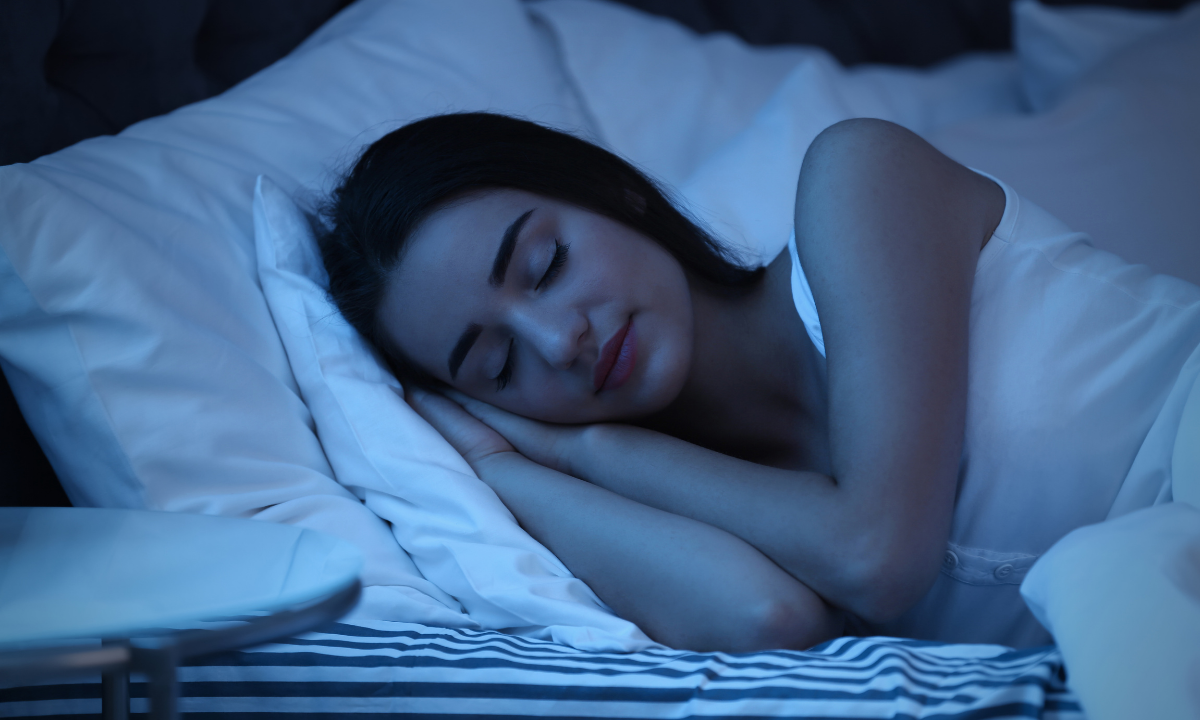
If you’re searching for a sleep tracker, you probably already know that your sleep isn’t ideal. You’re may be seeing:
- Reduced deep sleep
- Frequent wake-ups
- Declining HRV trends
- Daytime fatigue
Just knowing that doesn’t always translate into better sleep. Most common suggestions, such as going to bed earlier and reducing screen time, will require a consistent behavior change on your part. Unfortunately, these changes are often inconsistent or slow to yield results.
Some sleep disruptions are less about habits and more about environmental factors, such as room temperature, bedding, or sleep conditions.
Which One Makes More Sense for You?
The choice between Eight Sleep and Oura Ring comes down to what you want help with the most.
If broader recovery data that follows you throughout the day is what you need, Oura makes sense. It’s portable, easy to wear, and lightweight. It also gives useful insight into patterns involving sleep, stress, activity, and readiness.
Eight Sleep meets a different need. Instead of mainly reporting your sleep, it also actively changes your sleep environment while in bed. If you’re struggling with overheating, inconsistent sleep quality, or nighttime wakeups tied to temperature, that distinction matters.
If your goal is understanding your sleep, Oura Ring is one of the best trackers available. If your goal is actually sleeping better without changing your nightly routine, Eight Sleep is solving a different problem altogether.
The two aren’t direct substitutes so much as complementary tools, and which one makes more sense depends on whether you’re looking for insight or intervention.
Related Posts:


Stephanie Wright, RN, BSN is a registered nurse and health writer with over 15 years of experience spanning bedside care, managed care, utilization review, and population health. She
also has a background in communications, which informs her ability to translate clinical evidence into clear, patient-centered health content. Her work focuses on chronic disease
management, prescription medications, preventive care, and healthcare navigation. Stephanie brings a strong, evidence-based perspective to consumer health writing and is passionate about
helping readers understand their options and feel confident advocating for their care.