
Menopause is like the end of an era. The end of youth, attractiveness, and a woman’s worth as an individual. At least that’s how society makes women feel.
Just the other day, I saw it depicted on TV – a thriving woman doing great things with her life slowly begins to experience symptoms of menopause. One doctor’s confirmation later, and she’s acting like her life is over. She has officially become old and is mourning her youth.
But women, trainers, and fitness professionals are slowly beginning to poke holes in that storyline. Women have known for years that there should be another option, a way to stay healthy and vibrant through menopause, and the fitness industry is slowly catching up to that.
There are an estimated 1 billion women currently experiencing menopause. But only 20% of them are receiving the care and support they need. That number can and will change with the growth of menopause coaching programs like those from Girls Gone Strong and ISSA.
If you’ve been waiting for a sign to up your coaching game, this is it. Menopause certifications are here, and so is the client base.
So, which program will you choose?
The Meat and Potatoes: What Menopause Certifications Actually Cover
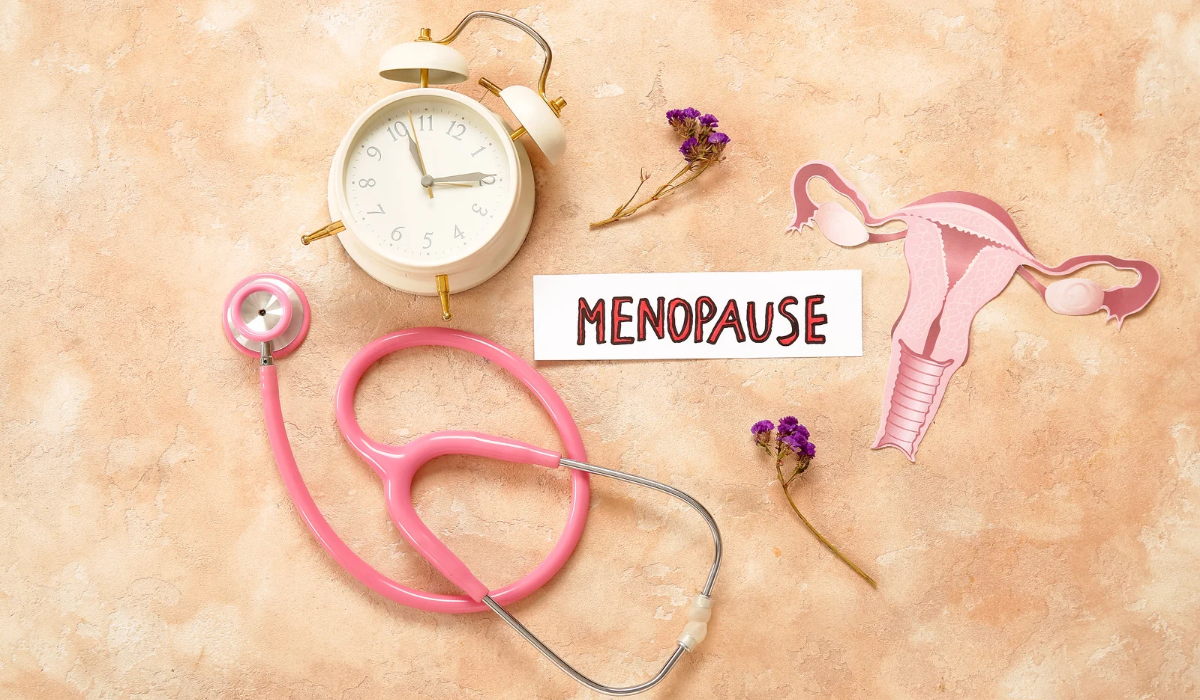
Menopause is lightly covered in most CPT programs, but few programs go into detail. If you’re exclusively training men or young adults, you may not need the depth that a specialty certification offers. But most trainers at some point in their career will train women who are dealing with menopause.
Ask any woman who’s been through menopause, and they’ll probably tell you that general advice just doesn’t cut it. And there’s no wonder why. As Dr. Stacy Sims puts it, “Women are not small men.” But exercise programs are often written as though we are.
Many of the exercise guidelines we have today come from years of research. Unfortunately, that research has historically favored men (whether by choice or by circumstance). A 2026 meta-analysis showed that only 37% of exercise-related research participants are women.
While this research gives us a great base to work from, more is needed for women to have truly effective and lasting results from their fitness programs.
This is where a menopause coaching certification comes into play. There are several menopause certifications out there, with varying degrees of depth and effectiveness. I’m diving into two of the most prominent menopause certifications – Girls Gone Strong (GGS) and the International Sports Sciences Association (ISSA).
ISSA Menopause Coach Course Content
ISSA’s Menopause Coach certification is new in 2026, but their history of certifying fitness professionals goes back to 1988. Their course is a comprehensive, fitness-forward program designed to help fitness pros guide women through the different stages of menopause. It highlights the pillars of fitness, nutrition, and recovery.
The course itself is broken down according to the stages of menopause, so you’ll see units on pre-menopause, peri-menopause, and post-menopause. This breakdown makes it easy to learn about stages as a whole and know what to look for and address in each stage of a woman’s menopause journey. These aren’t simply lists of symptoms and adjustments either.
Early in ISSA’s course, it points out that changes during menopause don’t just affect hormones and the reproductive system. The course notes that it can “affect everything from energy levels and body composition to joint integrity, emotional regulation, and recovery from exercise.”
The course stands by that idea and teaches students to look in-depth at how menopause affects their clients across all body systems as well as their mental and emotional health.
ISSA’s course saves some of its best information for the final unit of the course. This is where I saw the most noticeable learning happen. It talks about coaching clients who have coexisting health concerns and dives into the personalization of coaching through mental and emotional coaching strategies specific to women experiencing menopause.
GGS Menopause Coach Course Content
Girls Gone Strong was started in 2011 and launched their Menopause Coach certification in 2023. The program was developed by 14 women across various health fields, and its coursework is directed to women in the health and wellness industries and women experiencing menopause themselves.
It focuses on coaching and psychology alongside the physical aspects of exercise, nutrition, supplementation, and recovery.
The course breakdown differs a lot from ISSA. GGS addresses each component of menopause coaching separately, rather than addressing them from a timeline perspective. You’ll see units on anatomy and physiology, lifestyle and mental health, nutrition, and exercise program design.
The course pays special attention to the psychological and coaching aspects of menopause, with mental and emotional health components woven into each unit. The course is created in a way that makes it inviting to individuals in and out of the fitness industry. This is appealing for fitness pros who are new to training clients experiencing menopause as well as women who just want to understand and improve their own experience with menopause.
Girls Gone Strong’s certification offers a solid understanding of menopause without diving too deep. Its attention to the psychology of women in menopause is undoubtedly its strongest point.
Timing is (Almost) Everything: Menopause Course Format and Time Commitment
Both ISSA and GGS Menopause Coach certification programs have similar formats. They’re both online-based programs with no required in-person sessions or live calls. This is good news for fitness professionals or others who are working while taking the course.
Course Format
The content is delivered primarily via their online platforms. ISSA’s platform is all-inclusive, so you’ll have access to the textbook, quizzes, final exam, and client resources all from their online learning center.
Girls Gone Strong has a physical textbook shipped to you, and then utilizes their online platform for videos, resources, and exams.
You’ll do a lot of reading in both courses, so if you’re someone who prefers to learn primarily through video or audio lectures, you may want to look elsewhere.
Time Commitment
ISSA’s course is broken down into 5 parts, each with several modules, and typically takes 20-30 hours to complete. If you study an hour a day, five days a week, it takes about 4-5 weeks to complete. It’s entirely self-paced, so you’ll likely find sections that contain familiar information you can move through more quickly, and other sections you’ll want to spend more time on to really digest the information.
GGS’s course is also 5 parts, which are broken down into 18 total modules. They recommend spending 3-5 hours per week on the course to get through 1-2 chapters of textbook reading and their associated online activities. Following this method, you’ll finish the course in 8-16 weeks, or 2-4 months. It’s also self-paced, so you can move through the material at your own speed and on your own schedule.
Put Me In Coach: Enrollment and Pricing
Course content is paramount, of course, but timing matters a lot when it comes to certifications. Before choosing a cert, think about what you need from it.
Do you need continuing education credits? Are you working against a deadline to get them?
And as much as we wish it didn’t matter, cost is something to be taken into account. Are you planning to pay monthly or in a single payment? What are you willing/able to pay for your education now versus the payout the certification will bring?
Menopause Coach Certification Enrollment
ISSA’s Menopause Coach course is an ongoing, open enrollment course, meaning that you can sign up and start the course any time. This is great if you need CECs before a deadline or if you’re ready to start learning today.
Girls Gone Strong has more limited enrollment options. They offer a pre-sale list that you can sign up for, and then enrollment happens periodically, with the next opening being November 2026. There is a limited number of spots available in the course, available on a first-come, first-served basis. If you’re not in a rush to get your CECs and are okay waiting, this may be a great fit.
Menopause Coach Certification Pricing
The ISSA Menopause Coach course is a one-time payment of $639. You can also break it up into 12 monthly payments of $53 if you prefer to pay over time. This is on par with most other specialist certifications offered by ISSA and other major fitness organizations.
If you join the Girls Gone Strong pre-sale list and sign up from that list, the one-time cost is $899, or $89 per month. If you don’t get on the pre-sale list and snag a spot during their open enrollment period, the cost is $1,500. This certification is on the higher end if you’re comparing it to large fitness organizations, but is similar to other private, independent bodies.
Who The Courses Are Best for

Both ISSA and GGS offer some of the best and most comprehensive menopause coaching certifications out there. While the programs are relatively new, they’re rooted in years of research and backed by professionals and organizations in the health and fitness industry.
If you are a fitness professional in any capacity – personal trainer, nutritionist, coach, or group instructor, ISSA is going to build on the knowledge you already have and give you a certification that is recognized worldwide. It’s a detailed and actionable course, making it easy to implement in your day-to-day work.
If you’re someone without experience in the fitness industry or want an approach that feels more woman-to-woman, Girls Gone Strong is a great start to your menopause education or to understand the journey of a woman experiencing menopause.
It really highlights the mentality and emotional changes that menopause often brings and how to work with them instead of against them.
No program is perfect, though. ISSA’s menopause certification is still new, which means you get the latest in research and programming, but without a lot of graduates in the program, it’s still gaining traction. Girls Gone Strong has been around a little longer, and graduates speak highly of the program, except for the name itself. Some have noted that Girls Gone Strong lacks the professional nomenclature of other organizations and may not be taken as seriously when it comes to job applications or merit-based promotions.
Both offer value to different individuals. If you’re applying for a position at a gym or wellness-based business, the name behind your certification tends to matter more than in the private sector. But if you’re in business for yourself, the name matters less, and the quality of the content matters more. Girls Gone Strong offers relatability, and ISSA offers application, so your decision rests on what you want to do with the knowledge once you have it.
The Best Menopause Coach Certification For You
You really can’t go wrong when it comes to a menopause coaching certification. In such an understudied field, all education is going to benefit you.
Girls Gone Strong’s menopause coaching cert was one of the first in the business, and remains a top certification for a reason. If you’re looking for a woman-to-woman connection, they’re the obvious go-to.
For greater depth and understanding of each stage of menopause, look to ISSA. Their course is accessible, affordable, and actionable, making it exactly what a fitness pro needs.
Whichever course you choose, wield it well. With education and understanding, you can help women change their story not only for themselves, but for the women who will follow after them.
Related Posts:





Sara has a B.S. in Exercise Science and is a 200-hr yoga teacher, mat Pilates Instructor, certified life coach, and certified personal trainer. She provides workshops, content, and consulting for individuals and businesses to foster growth and improve well-being. She has worked on the corporate level for international fitness companies, trained other fitness professionals across the U.S., and worked with numerous fitness start-ups and wellness businesses around the globe promoting whole-person wellness. Sara loves helping others live and move in a way that empowers and uplifts them. She encourages people to connect to their bodies and the world around them through fitness, nutrition, and mind-body work. When she’s not in the gym teaching, she’s probably outside somewhere, finding her soul up in the mountains or out in the desert.