
You wake up in the middle of the night, swimming in sweat, or worse yet, you haven’t slept a wink because you’re lying there feeling like molten lava. You feel like you’re PMSing all the time, biting people’s heads off because the sound of their chewing is grinding down your last nerve. Or maybe you look in the mirror and see a strange bulge where your once flat(ish) belly lived, and you’re beginning to understand that icky phrase “menopause middle.”
At this point, you can throw up your hands in resignation and say, “It sucks getting old!” Or you can take charge of your well-being and do something. For you go-getters, join me in an examination of whether you may need hormone replacement therapy (HRT) and where to begin if you do.
Follow the Signs

Certain experiences seem nearly universal for women transitioning into menopause. These include, but aren’t limited to: brain fog, anxiety, low mood, vaginal dryness, night sweats, and hot flashes. These symptoms stem from the ovaries shrinking and producing less estrogen and progesterone until they barely produce hormones.
Not all women experience this transition the same; for some, the experience is relatively mild, and for others it’s genuinely debilitating. If you fall into the latter camp, it might be time to seek support.
What Clinicians Look For
There are a few things a clinician will look for when determining if someone needs hormone replacement therapy. For starters, they will look at your age, namely if you are under 60 and/or within 10 years of your last period. The replacement part of hormone therapy indicates that you are replacing hormones that are lower than ideal. For older women, it is no longer a replacement; it is simply hormone therapy (HT). If you are between 40 and 45, you are more likely to be recommended hormone replacement therapy because it is considered early menopause, and the goal will be to protect long-term heart, brain, and bone health.
After age considerations comes symptom assessment. If you are experiencing moderate to severe symptoms like hot flashes, night sweats, or pain during intercourse, it is a cause for concern. This is especially true if the impacts on sleep, intimacy, and mood are interfering with your daily life. Your clinician will also assess bone density risk based on family history, lifestyle, and imaging or other tests if needed.
Important Considerations
Before launching into HRT, there are some key points to consider. First, it’s necessary to look at whether the benefits outweigh the risks. This is an individual decision based on lifestyle, age, and personal and family history. Women under 60 who get regular checkups, eat well, exercise, and take a progestin as well as an estrogen will generally experience symptom relief with a low risk of adverse effects. However, it’s necessary to keep in mind that possible risks include:
- Increased risk of uterine cancer (only if you still have your uterus and aren’t taking progestin along with estrogen).
- Increased risk of heart disease if you begin using HRT 10 years after menopause starts.
- Increased risk of blood clots and stroke.
- Increased risk of gallbladder disease.
- Increased risk of breast cancer with long-term use.
Before You Begin
As you weigh your decision, there are a few more steps to take to ensure your safety and to rule out other conditions. Clinicians will rarely test hormones directly because they tend to fluctuate wildly through the day. However, your provider may want to test your thyroid to rule out thyroid dysfunction as a cause of your symptoms, and they may also want to check specific diagnostic markers such as follicle-stimulating hormone (FSH) and estradiol. Before starting a particular treatment, they may order a comprehensive metabolic panel and lipid profile to assess organ function and cardiovascular risk.
Getting Started
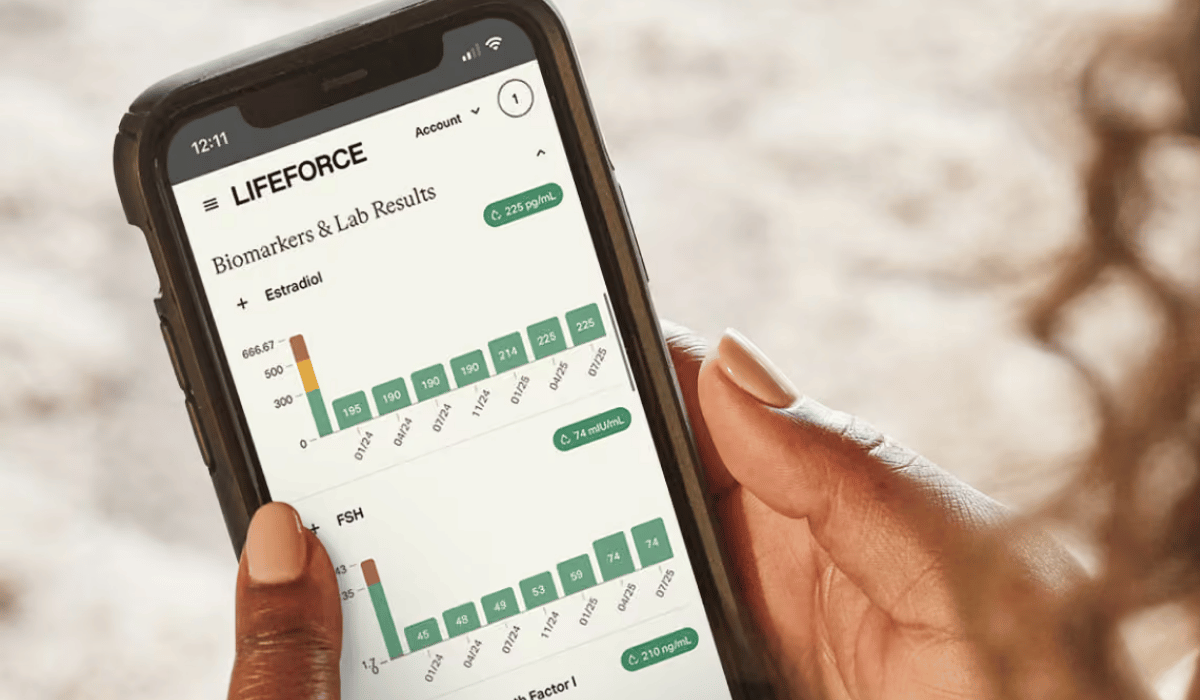
Now that you’ve done your due diligence, you may be unsure of what route you want to take to begin HRT. If you live in an area with limited clinical resources, in a very congested area where wait and commute times are prohibitive, or you simply prefer exploring options from the comfort of your home, then using an online resource may be your best bet. Midi Health, Hone, and Lifeforce are three great telehealth options. Let’s see how they stack up.
Midi Health
This company was created by women for women and is all about making the journey of midlife more graceful, enjoyable, and easily navigable. They tailor their process to the individual, and all it takes is a quick questionnaire, followed by a telehealth appointment with a clinician, which leads to the creation of a personalized plan. Midi Health is in-network, so most insurance is accepted. If not, the price is $250 for the first visit with a clinician and $150 thereafter. All labs and prescriptions are paid for separately, and what you need is determined by your unique plan.
Hone
This company is built around the concept that traditional healthcare scenarios tend to overlook the nuances that affect quality of life. They recognize the frustration many feel with suboptimal function and challenges people face getting the answers they seek. Their approach begins with a temporarily discounted blood draw for $65 from one of their 2,000+ partner labs, which measure 50+ biomarkers to assess overall health and reveal imbalances. From there, you choose the membership level you want. The Premium membership is $155 a month and includes biomarker tests every three months, a physician consult, and a personalized plan. The Basic membership is $25 dollars a month and includes biomarker tests every six months.
Lifeforce
This company focuses on health and longevity, promoting healthspan and emphasizing personalized care. They believe that, equipped with the right information, people can make choices that enable them to live their best lives. Their process begins with an at-home blood draw that tests 50+ biomarkers and a clinician review of the results. They offer a monthly membership that is $199 for the first month and $149 thereafter. This includes quarterly labs with broad biomarker analysis, a clinical review and comparison of previous tests, and unlimited health coaching. They also offer a Core annual membership for $599 for the year that includes two blood draws and one clinician review, an Annual Classic membership for $1,548 that includes four blood draws and four clinical consults, and a One-Time Diagnostic for $599 that includes one blood draw and one consultation.
Who to Choose?

The best option depends on your individual needs. If you’re pretty sure of what you need and know how to articulate it, Midi Health is a great option. It’s likely covered by insurance, and the woman-centered approach should make getting your hormone replacement therapy figured out in a thoughtful and directed manner feel easy and seamless.
However, if you want more extensive information that isn’t based solely on you trusting your ability to direct your healthcare plan, Hone could be a really solid option. Their broad testing gives real-time information about what’s going on in your body and should automatically catch if there’s something else wreaking havoc in your body besides midlife changes. The clinician overview and personalized plan should answer your questions and help you start course-correcting.
Even with the more extensive testing, you might feel like you need a deeper dive. This is where Lifeforce comes in. Their regular testing, clinician review, and health coaching take things to the next level. There’s no doubt that midlife presents unprecedented challenges; having a coach who understands your specific needs and can steer you toward the right incremental changes can be the final nudge you need to feel your best.
The Takeaway

Our bodies are both miraculous and mind-boggling. Life changes can put you through things that make you question your sanity. When this happens, it helps to know how to get back on track and feel your best. If hormonal changes in midlife have left you sleep-deprived and blue, hormone replacement therapy might be in the cards for you.
However, not all treatments are created equal. Your needs, wants, and unique context matter. With this in mind, knowing what options are available is priceless. From there, with a little soul-searching, you can make an informed decision that will put you on the road to a more balanced and functional you.
Related Posts:






Alt Protein Team is a team of professionals and enthusiasts committed to bringing you the most up-to-date information on alternative protein, health and wellness, workouts, and all things health-related. We’ve reviewed a lot of products and services so you don’t have to guess when you spend your hard-earned money on them. Whether you want to shed some pounds, build lean muscle or bulk, we can help you figure out what you need to do and what you need to have to achieve your goals.