

If you’re reading this, you’re likely in one of two places. Maybe you’re in recovery and something feels off lately, or you’re watching someone you love drift in a way that worries you. Or maybe a relapse has already happened, and you’re searching for what to do now, carrying more shame than any person should have to hold.
Wherever you’re starting from, the most important thing to know is that relapse is a common part of many recovery journeys, and it is not proof that recovery failed or that you’re beyond help. Addiction is a chronic condition, and like other chronic conditions, symptoms can return. Understanding signs of relapse and what to do after one happens, including what to do in the hours and days afterward and how families can help, can make all the difference.
Relapse Usually Begins Before Substance Use Does

One of the most useful things to understand about relapse is that it’s a process, not a moment. It rarely starts the day someone drinks or uses again; it usually starts weeks earlier, moving through stages that are recognizable if you know what to look for.
| Stage | What It Looks Like | What Helps |
| Emotional | Not thinking about using yet. Bottled-up emotions, poor self-care, skipped meetings, isolation | Self-care, reconnecting with support, telling someone how you’re really doing |
| Mental | The internal tug-of-war, including romanticizing past use, bargaining thoughts, imagining opportunities to use | Saying the thoughts out loud, extra meetings or therapy, avoiding triggers |
| Physical | The return to use itself | Stopping and reaching out for help the same day, adding professional support |
The Emotional Stage
In this first stage, a person isn’t necessarily thinking about using at all. But something is shifting. Self-care slips, emotions get bottled up instead of talked through, meetings get skipped, and isolation quietly replaces connection. Nothing about this stage looks like relapse from the outside, which is exactly what makes it easy to miss.
When I relapsed, it wasn’t something I was thinking about from the beginning. I stopped spending as much time with my friends in recovery, wasn’t going to meetings anymore, and just generally didn’t make recovery a priority in my life. I wasn’t thinking about drinking or using drugs, but I wasn’t actively engaged in protecting my sobriety. I didn’t fully recognize these warning signs until after I relapsed, but if I had known more about the process, that might have helped me see it sooner.
The Mental Stage

This is often the moment when the conflicted feelings show up. One part of you knows you want to stay in recovery, but another part starts thinking only about the good memories or the comfort you once found from drugs and alcohol, ignoring all the damage it caused. You might begin having “what if” thoughts and imagining ways you could go back. Quietly, that old part of you starts looking for justifications or small openings to take a risk.
The Physical Stage
This is the return to use itself, the part most people picture when they hear the word “relapse.” By this point, the process has usually been underway for some time.
The reason these stages matter is simple. The earlier the stage, the easier the intervention. Reaching out during the emotional stage might mean adding a meeting and seeking support before the relapse actually happens; waiting until the physical stage means needing more help from a harder place. Knowing the signs is what makes early action possible.
Early Warning Signs to Watch For

Warning signs look different from person to person; some people notice changes in their emotions first, while for others, the earliest shifts show up in behavior or thinking. Still, certain patterns appear often enough that they’re worth knowing, whether you’re watching for them in yourself or in someone you love.
Emotional changes
- Constant stress
- Irritability
- Feeling overwhelmed
- Mood swings
- Emotional numbness
Behavioral changes
- Isolation
- Skipping meetings
- Pulling away
- Poor sleep habits
- Increased secrecy
- Neglecting responsibilities
Changes in thinking
- Bargaining thoughts, like “I could have just one” or “no one would ever know”
- Romanticizing use
- Overconfidence, such as believing you no longer need meetings or other support
- Minimizing risks
- Hopelessness
No single item on this list means a relapse is coming, and a person may show several of these signs and never return to use. What they are is information and signals that something needs attention, whether in your own recovery or in someone you care about.
Looking back on it, the strongest warning sign for me was overconfidence and isolation. I didn’t feel like I needed sobriety or support anymore. I had it in my mind that maybe I could drink or use drugs like a “normal” person. This led me to step away from connecting with others who were in the recovery community.
Ultimately, the right response to warning signs isn’t panic or accusation; it’s reconnection.
What to Do If You Notice Warning Signs of Relapse

Noticing warning signs in yourself or in someone you love is not a reason to panic. It’s a reason to act, and acting early is exactly what keeps warning signs from becoming something more.
Pause and Acknowledge What’s Happening
The first step is simply being honest about what you’re seeing. That means recognizing the changes without judgment. Try to think of it as something being off and needing attention, not that you’re failing. That distinction matters more than it might seem, because shame pushes people toward hiding, and hiding is where relapse becomes more likely. People who catch the early signs are in the best position anyone in recovery can be in: they’ve seen the process starting, and they still have every option available.
Reach Out Before Things Escalate
Warning signs lose much of their power the moment they’re spoken out loud. Once you’ve acknowledged what’s happening and told someone, there are more options than most people realize. You can reach out to:
- A sponsor, who has likely been exactly where you are
- A therapist or counselor who can help you understand what’s driving the shift
- A trusted friend, especially one who supports your recovery
- A family member you feel safe being honest with
- Your recovery community, whether that’s a meeting, a group, or the people you’ve met along the way
Who you tell matters less than that you tell someone. I’ve found that simply saying it out loud has made the thoughts much less overwhelming. Saying that I was considering using drugs or drinking didn’t make my craving or thoughts go away, but it allowed people to know what I was going through and then reach out to check on me.
Return to Healthy Recovery Habits
Warning signs often appear precisely because the routines that support recovery have slipped, which means one of the most effective responses is simply returning to them. That can include:
- Meetings: Going back, or going more often, even when you don’t feel like it
- Therapy: Scheduling an extra session or resuming regular ones
- Daily routines: Rebuilding the structure that keeps days steady and predictable
- Sleep: Protecting a consistent schedule, since exhaustion amplifies every other risk
- Nutrition: Eating regularly and well, which may sound basic, but is actually very important
- Exercise: Movement of any kind, as a stress outlet and mood support
- Journaling or mindfulness: Ways of noticing what you’re feeling before it builds
None of these habits are dramatic, and that’s the point. Relapse prevention usually isn’t one big decision but a return to many small ones. The routines that built your recovery the first time are the same ones that protect it now.
A Slip Doesn’t Have to Become a Full Relapse
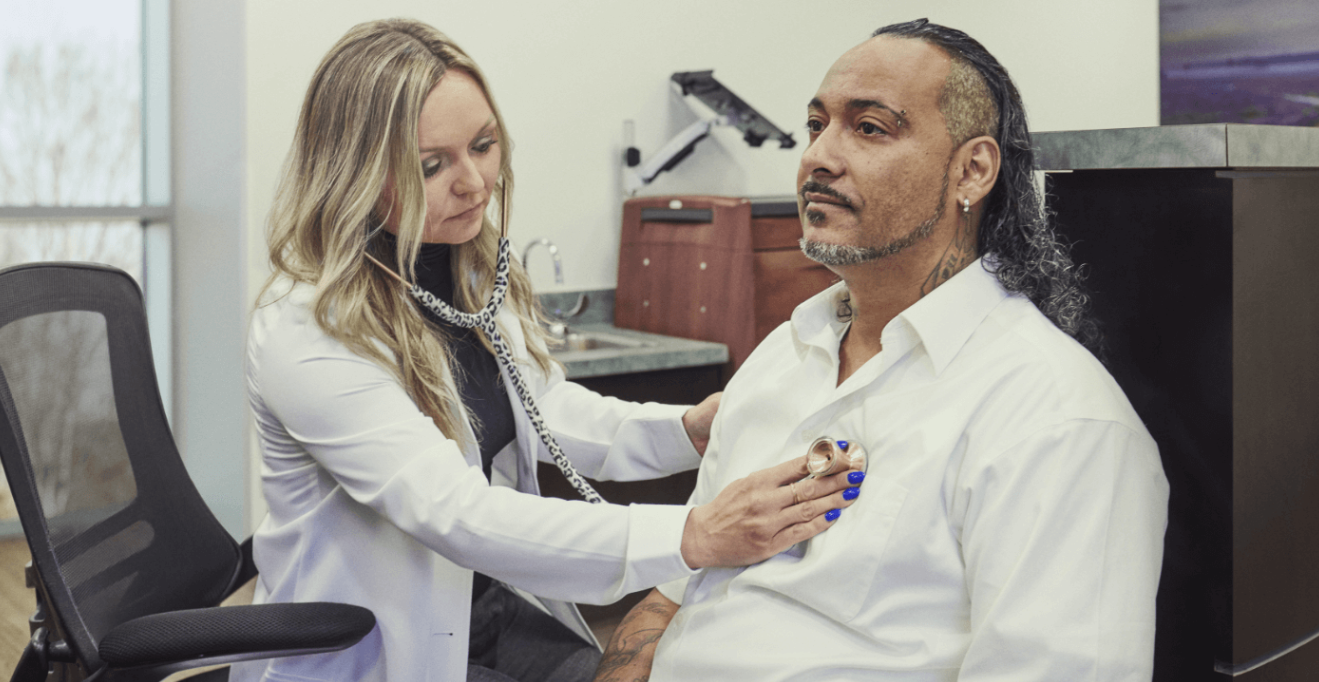
If you’ve used once, the most important thing you can do is stop now, not after the weekend, not once things settle down, but immediately. Call someone the same day and ask for help. The most dangerous thought at this moment is “I already ruined it, so what’s the point” because that thought, not the single use, is what turns a slip into a full relapse.
Using once doesn’t mean your recovery is over. Everything you’ve built is still there, and stopping now, with support, is exactly how people come back from a slip stronger than before.
I wish this is something I had realized for myself before I relapsed. I saw a slip as “throwing everything away,” and figured since I had already messed up, I might as well “make it worth it.” I now understand that there’s a different way to look at this. My goal is to never slip again, but it’s important to recognize that one slip doesn’t mean everything is ruined.
What to Do After a Relapse
A relapse can bring shame, fear, or disappointment, often all three at once. But what happens next often matters more than the relapse itself. The steps below can turn a painful moment into the beginning of a stronger recovery.
Put Safety First
Before anything else, there’s one thing everyone who has returned to use needs to know: During sobriety, tolerance drops and the body can no longer handle the amounts it once did, which makes the risk of overdose highest right after a period of not using. If a return to use happens, do not use alone. If opioids are involved, carry naloxone (Narcan) and make sure someone nearby knows where it is and how to use it. And if an overdose or any medical emergency occurs, call 911 immediately. These aren’t comfortable things to talk about, but they matter, because every other step in recovery depends on staying safe through this one.
Practice Self-Compassion Instead of Self-Blame

After safety, the next task is being compassionate with yourself instead of blaming and shaming yourself. How you talk to yourself about what happened matters. Shame tells a person they’ve ruined everything, that everyone will be disappointed, that there’s no point in trying again, and shame is precisely what keeps people stuck, because it pushes them toward hiding and away from help.
The truth is simpler and kinder. One setback does not define the future, recovery remains fully possible, and everything learned in sobriety is still there. Treating yourself with the same compassion you’d offer a friend in the same situation isn’t letting yourself off the hook; it’s what makes the next right step feel possible.
Identify What Led to the Relapse
When the immediate moment has passed, it helps to look back, not to assign blame, but to understand. Most relapses have a story behind them and can be traced back to certain things, whether that’s a trigger that appeared, a stressor that built up, warning signs that went unnoticed or unaddressed, or support that you slowly stopped utilizing.
Asking what was happening in the weeks before turns the relapse into information rather than failure. Every answer points to something that can be adjusted, and that’s how a setback becomes the reason the next stretch of recovery is stronger than the last.
Reconnect With Professional Support
For many people, what a relapse reveals is the need for more support than they’d been getting. That can mean returning to therapy or increasing session frequency, speaking honestly with treatment providers about what happened, exploring medication management where it’s appropriate, or stepping up to more intensive outpatient support.
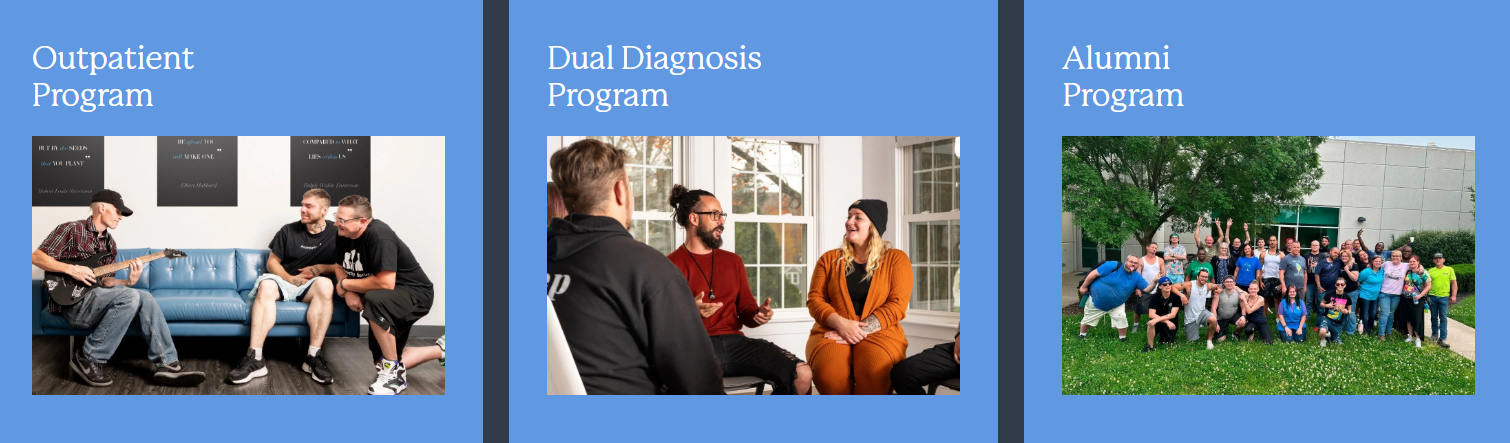
Sometimes returning to treatment is the right next step, particularly when someone needs additional structure or support. Many programs such as Avenues Recovery offer multiple levels of care, dual-diagnosis treatment for people managing both substance use and mental health conditions, and continuing-care services that can help people reconnect with recovery after a setback.
How Family and Friends Can Help After a Loved One Relapses
Watching someone you love relapse is frightening and painful, and it’s normal to feel angry, heartbroken, or exhausted. How you respond, though, can genuinely influence what happens next.
Respond With Compassion Instead of Blame
The instinct after a relapse is often to confront or lecture, but shame rarely moves anyone toward recovery. Choose a moment where things are calm, listen before responding, and lead with concern rather than accusations. Compassion doesn’t mean approving of what happened. It means keeping the connection alive, because connection is what makes the way back possible.
Encourage Treatment and Recovery Support
Practical support often matters most. Getting back into treatment can feel overwhelming after a relapse, and small acts lower that barrier. This could include helping find programs, making calls together, offering rides to appointments, and attending family programs where available. At the same time, respect the person’s autonomy. Recovery decisions ultimately belong to them, and support works better than pressure.
Take Care of Yourself
Supporting someone through relapse is draining, and you can’t do it well while running on empty. Support groups like Al-Anon and Nar-Anon exist for exactly this, and your own counseling can help as well. Don’t forget that your needs and boundaries matter; taking care of yourself makes you better positioned to help your loved one without losing sight of your own well-being.
When to Seek Immediate Help
Some situations call for immediate action rather than reflection or planning. Get emergency help right away if any of the following occur:
- Overdose: If someone is unresponsive, breathing slowly or not at all, or has blue-tinged lips or fingertips, call 911 immediately. If opioids may be involved and naloxone (Narcan) is available, administer it while you wait for help, and stay with the person until responders arrive.
- Suicidal thoughts: If you or your loved one is having thoughts of suicide or self-harm, call or text 988 to reach the Suicide & Crisis Lifeline any time, day or night. If there is immediate danger, call 911 or go to the nearest emergency room instead of waiting.
- Severe withdrawal symptoms: Symptoms like shaking, confusion, hallucinations, seizures, or a racing heart after stopping alcohol or benzodiazepines can be medically dangerous. Don’t try to push through them at home. Call a doctor, a detox program, or 911 if symptoms are severe.
- Any medical emergency: Chest pain, seizures, trouble breathing, or loss of consciousness connected to substance use needs emergency care like any other health crisis. Call 911 or get to an emergency room. Be honest with responders about what was used, because it changes the treatment.
In these moments, the most important thing is to keep yourself or your loved one safe.
Recovery Is Still Possible After a Relapse

If there’s one thing to understand, it’s that many people go on to lasting recovery after a relapse. Asking for help is a sign of strength, not failure, and the sooner someone reaches out, the sooner healing can begin. Recovery is about progress, not perfection, and a setback isn’t the end of the story. Whatever today looks like, the next step is the same: tell someone what’s going on and let them help you.
Related Posts:






Rachael Goldstein is a licensed attorney who spent six years as a public defender in Philadelphia, handling a wide range of cases. That work gave her a close, firsthand look at how addiction and mental health affect people’s lives, and it’s shaped her writing ever since. Her writing focuses on mental health and wellbeing, drawing on both her legal background and hands-on experience in the field. She knows how high the stakes are when someone is searching for help, so she digs into the research and lays out the facts in a way that’s clear, honest, and easy to act on.
When she’s not writing, Rachael spends her free time traveling, hiking, and exploring new places.