
If you’ve ever gone down the late-night rabbit hole of sleep supplements, gadgets, and “biohacks,” you probably know how hard it is to separate science from marketing. Two devices that consistently show up in that search are Somnee and Apollo Neuro. I used both for several months. Here’s the straightforward breakdown: how they work, where the science stands, real-world pros and cons, and who each device is actually best for.
After spending months testing both, I want to simplify the comparison and help you figure out which one actually makes sense for you.
Topic Contents
A Quick Overview
Before I jump into my experience, let’s start with what these devices are, because despite both being advertised in the “sleep tech” category, in reality they couldn’t be more different in their approaches.
Somnee:
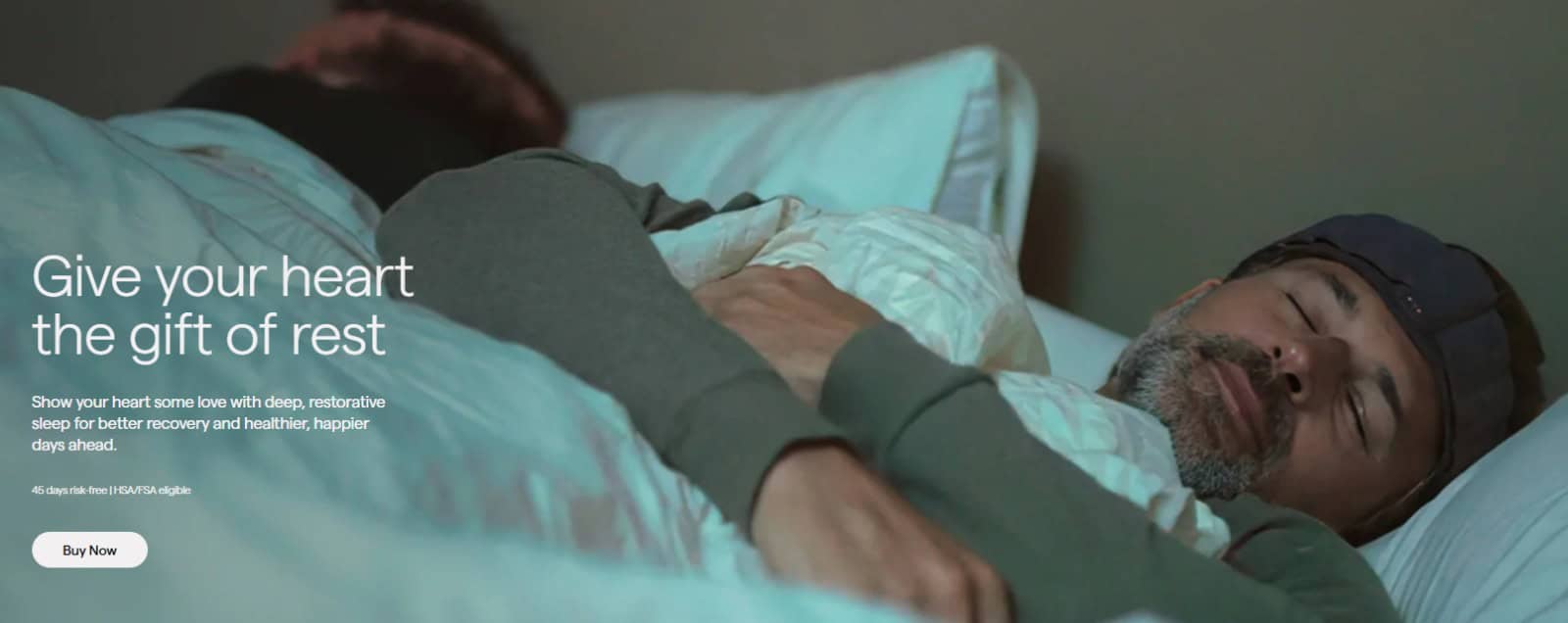
Somnee is a headband that was developed by a team of UC Berkeley neuroscientists. You wear it for 15 minutes before bed, and it delivers gentle electrical stimulation, known as transcranial alternating current stimulation (tACS), which directly targets your brainwaves through forehead electrodes. The idea is that the headband reads your unique brainwave patterns via clinical-grade EEG sensors, then sends personalized currents that help guide your brain into the wave patterns that are associated with sleep. Think of it as speaking to your brain in its own language: electricity. You can control the level of electrical stimulation and view your sleep data through their app.
Apollo Neuro:
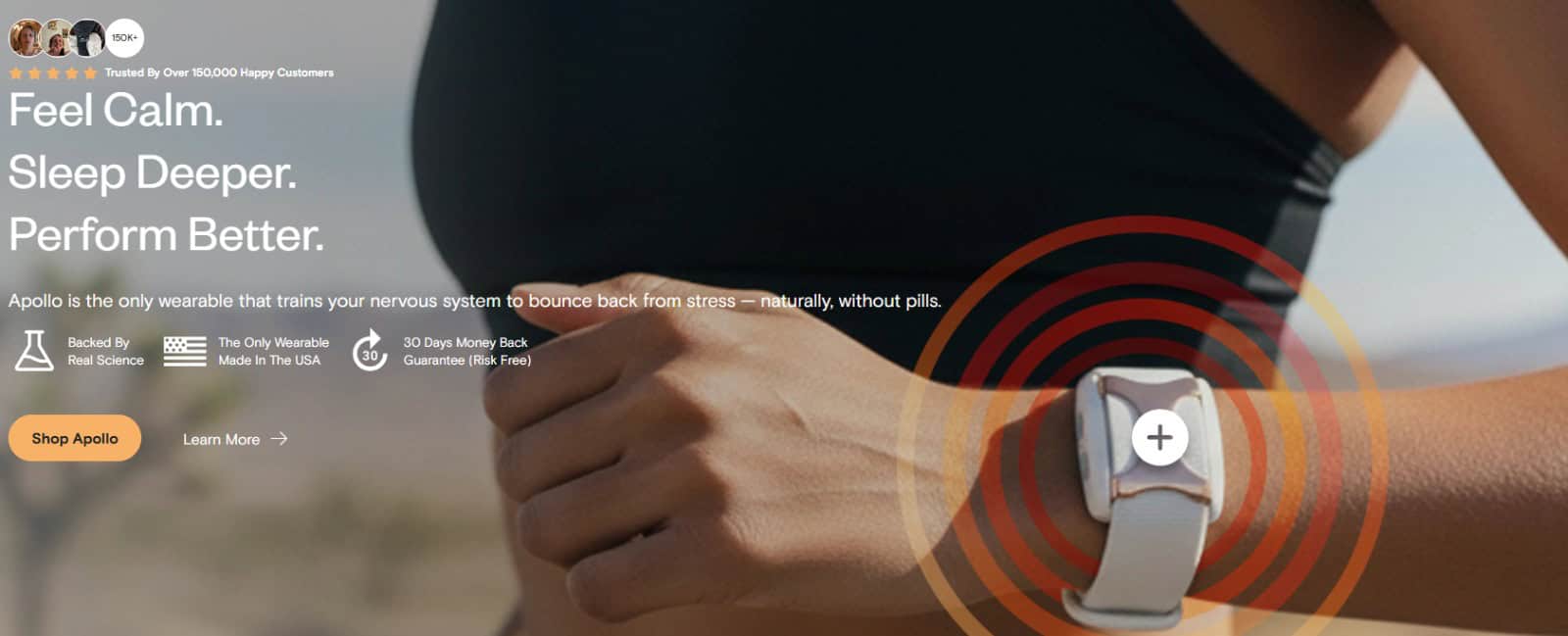
Apollo is a wristband (or ankle band) created by Dr. David Rabin, a psychiatrist and neuroscientist from the University of Pittsburgh. It uses gentle vibrations to stimulate the vagus nerve and influence your autonomic nervous system. The vibrations are designed to shift your body out of fight-or-flight mode and into a calmer state. It has multiple modes beyond sleep, including options for focus, energy, recovery, and social situations. You control everything through a companion app.
The Science: Direct Brain Stimulation vs. Nervous System Regulation
Right away, the core distinction should be clear: Somnee targets the brain directly with electrical signals. Apollo works through the body’s nervous system via vibration on the skin. That difference matters more than you might think.
This is where things get interesting, and frankly, where I started forming my opinion before I even put either device on.
Somnee’s Approach: tACS and Brainwaves
Somnee’s method of influence, tACS, has decades of research behind it in neuroscience literature. The basic principle: your brain produces electrical rhythms (brainwaves) that correspond to different states. Alpha waves are associated with relaxed wakefulness, theta waves with drowsiness and light sleep. When these patterns get disrupted by stress, diet, or maybe an overactive mind, falling asleep becomes a battle.
tACS applies a low-level alternating current through electrodes on the forehead, gently nudging your brainwave frequencies toward the patterns that promote sleep. And here’s the most amazing part: Somnee personalizes this. During the first week or so, the headband’s EEG sensors map your unique brain patterns, and then its AI tailors the stimulation to your individual “sleep sweet spot.” Everyone’s brainwaves are a little different (your peak alpha frequency might be 10 Hz while mine is 11 Hz), and that personalization is what separates this from older, one-size-fits-all tACS studies that showed inconsistent results.
A study published on medRxiv by StimScience Inc. in October 2025 tested this personalized approach on 31 participants. Results showed improvement in sleep efficiency (how long you sleep vs how many times you wake), sleep onset latency (how fast it takes you to fall asleep), and total sleep time compared to sham therapy.
Apollo’s Approach: Vagus Nerve Stimulation Through Vibration

Apollo takes a fundamentally different route. Rather than targeting brainwaves directly, it sends gentle vibration patterns through the skin to activate the vagus nerve. The vagus nerve was all the rage a few years back, with many people using all sorts of techniques to regulate it, from vibration to breathing exercises. The Vagus Neve is a major nerve that runs from the brainstem down through the body and plays a central role in the parasympathetic (“rest and digest”) nervous system. The theory is that specific frequencies of vibration signal “safety” to the brain, helping to calm the stress response and make it easier to relax, focus, or fall asleep.
Apollo has been studied across several clinical trials. A double-blind, placebo-controlled crossover study at the University of Pittsburgh showed improvement in heart rate variability (HRV) and improvement in cognitive performance under stress. A more recent randomized controlled trial published in The American Journal of Medicine found that medical students using the device experienced reductions in burnout scores and improvements in overall well-being over 12 weeks. An ongoing observational study with Oura Ring users has shown improvements in deep sleep and HRV with consistent use.
However, a Harvard Health review in 2021 pointed out that much of Apollo’s early research was conducted by people with ties to the company, with limited independent replication, and that the studies would not have met the standard required for FDA drug approval. The research landscape has improved since that 2021 critique, but it’s still worth keeping in mind when evaluating the evidence.
My Experience
Somnee in the Real World
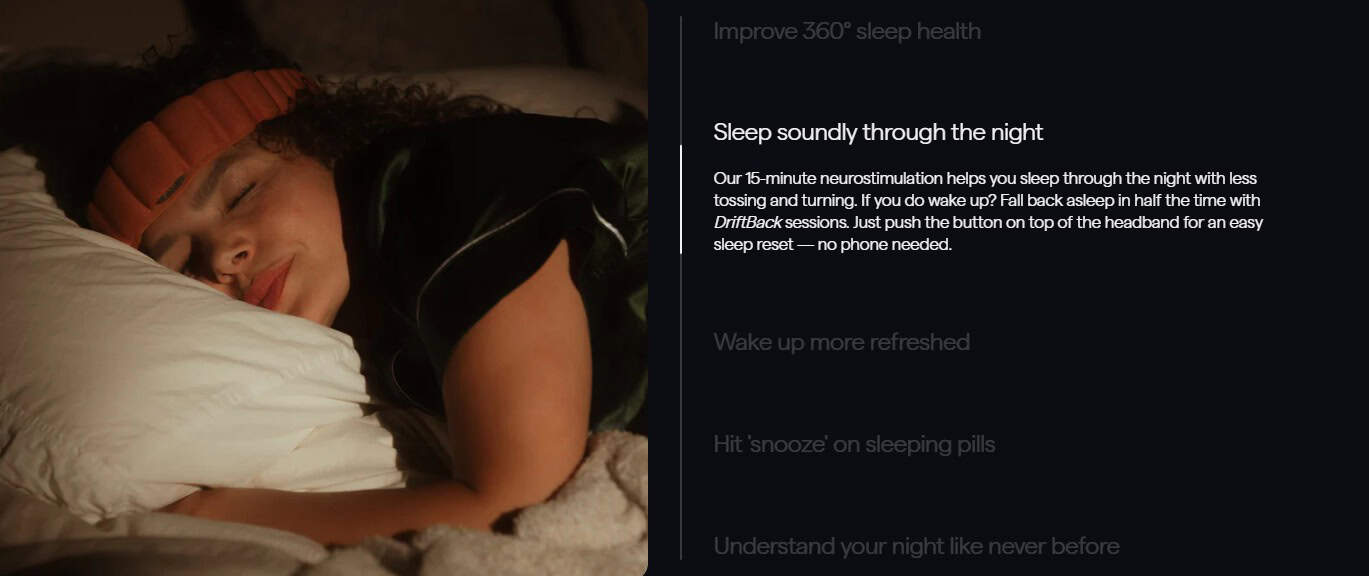
I started with Somnee, and the first thing that struck me was the setup simplicity. The headband arrived with clear instructions, paired with the app in under five minutes, and the 15-minute pre-bed session is simple: press a button and lie back. The fabric is soft, genuinely comfortable, and the electrodes produce a subtle tingle that fades fast.
The first few nights, I wasn’t sure how much it was actually doing. But around night six or seven, I started noticing I was drifting off faster and waking up more refreshed. Over the following weeks, the app showed fewer wake-ups and higher deep sleep percentages. My mornings felt different. Less foggy. More alert throughout the day without my afternoon rescue coffee.
The overnight tracking was surprisingly detailed. It is an optional component of the Somnee experience, as the 15-minute stim session is really the only interventional piece. If it’s too cumbersome for you to sleep, you can take the headband off after the tACS session. The reports were way more detailed AND easy to understand than what I was getting from my smartwatch.
The comfort learning curve is real, though, especially if you’re a side sleeper. The first week with the headband it took some trial and error with pillow and strap adjustments, but it’s not a dealbreaker.
Apollo Neuro in the Real World
With Apollo, I appreciated the wrist/ankle application. It’s discreet and looks like a chunky fitness tracker, and you can wear it on your wrist or ankle, or use the clip to attach it to your shirt in the chest area. Setup was straightforward: Charge the device, download the app, pair via Bluetooth, and then choose a mode during setup.
For sleep, I used the “Goodnight” mode, typically starting it about 30 minutes before bed. The vibrations are subtle; gentle rhythmic pulses that do feel calming. There’s something almost meditative about them. I also used the “Unwind” mode during evenings and found it took a bit of the edge off after stressful days.
Truth be told, for sleep specifically, the effects were hard to measure. I felt more relaxed getting into bed, but that is where the progress ended. I felt like the vibrations became more distracting than actually helpful when trying to sleep.
What impressed me about Apollo was that during the day, when using other vibe settings, like “Focus” and “Calm”. Apollo is really a multi-purpose nervous system tool, and I think that’s where its strength lies. It’s not purely a sleep device.
Cost Breakdown: What You are Paying For
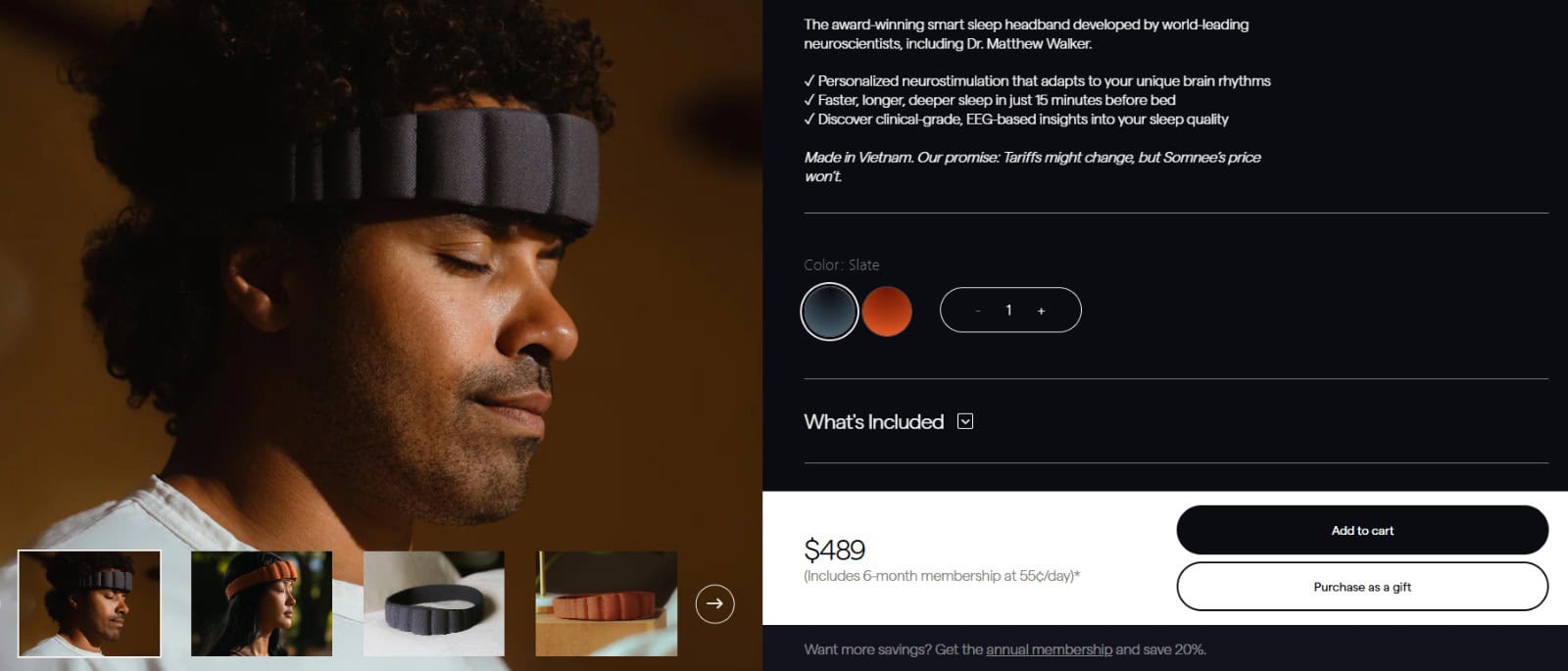
Somnee comes in at $489 upfront, which includes the headband and a 6-month membership. That membership covers monthly hydrogel electrode replacements (you go through them fairly quickly), ongoing AI personalization, and full app access with detailed sleep reports. After six months, it auto-renews annually at around $160 unless you cancel.
Apollo is $349, and there’s no required subscription. The app is free, and the core vibration modes work out of the box. There’s an optional SmartVibes AI membership for advanced “personalization” for $99/year, but it’s not necessary for basic use. No replacement parts or pads to worry about.
If you’re comparing purely on sticker price, Apollo wins. But if your primary concern is sleep — and especially if you’re comparing to the ongoing cost of supplements, melatonin, or sleep aids — the math on Somnee starts to look more reasonable.
TL;DR Chart – A Head-to-Head Comparison
| Somnee | Apollo Neuro | |
| How It Works | Direct electrical brainwave modulation (tACS) through forehead electrodes | Vibration-based vagus nerve stimulation through skin contact |
| Sleep Focus | Purpose-built for sleep; that’s its entire job | Sleep is only one of 7+ modes; it’s a general wellness device |
| Personalization | AI maps your unique EEG brainwave patterns over ~7 days; stimulation adapts nightly | Adjustable intensity; SmartVibes AI learns patterns over time if you pay for membership |
| Sleep Tracking | Yes, clinical-grade EEG sensors built in | No built-in tracking; requires a separate device (Oura, Apple Watch, etc.) |
| Session Length | 15 min pre-bed; optional overnight wear for tracking; Optional “Drift Back” Session for nighttime wake-ups | 15 min to 2 hours, depending on mode; recommended 3+ hrs/day for best results |
| Comfort | Soft headband; slight learning curve for side sleepers overnight | Wrist/ankle band/chest clip; comfortable for all-day and overnight wear |
| Clinical Evidence for Sleep | Controlled study showing faster sleep onset, Increased total sleep time, and improved sleep efficiency | HRV improvements and user-reported sleep quality gains; less sleep-specific clinical data |
| Price | $489 (includes headband + 6-month membership); membership renews ~$160/year | $349 one-time purchase; SmartVibes membership available – $99/year |
| Trial Period | 45-day risk-free trial | 30-day return window |
| HSA/FSA Eligible | Yes | Yes |
| Best For | Those primarily trying to solve sleep problems or optimize sleep quality | People who want an all-day stress management and nervous system regulation tool |
Final Thoughts

These are two of the most interesting devices out there in this space. Both are backed by solid neuroscience, and I don’t think either one is a scam. But they’re built for different problems, and that’s important to understand before you invest in either and spend the money.
If my goal was better sleep and I had to pick one, I’d absolutely go with Somnee. The direct approach, the personalization, and the sleep data give it an edge that’s hard to argue with. I’m falling asleep in under 10 minutes, I’ve got fewer middle-of-the-night wake-ups, and in the mornings I actually feel rested, and that is what I was after, and it delivered.
If my goal was general stress management with some sleep benefits mixed in, Apollo might fit the bill. It’s a solid, well-researched device for nervous system regulation, and the fact that you can wear it all day across different modes gives it a versatility that Somnee simply doesn’t offer.
Both come with trial periods (45 days for Somnee, 30 for Apollo), both are HSA/FSA eligible, and both are non-invasive with no significant side effects reported. If you’re genuinely on the fence, try the one that matches your primary need. And if it doesn’t work out, you’re not locked in.
Sleep is too important to keep guessing at. Whatever you choose, commit to it for a few weeks, pair it with solid sleep hygiene habits, and give your body a fair chance to respond. Your rested self will thank you.
Related Posts:






Trevor is a licensed chiropractor with a Master’s degree in Sports Medicine and hands-on experience in rehabilitation and physical therapy. He works daily with patients to restore movement, reduce pain, and improve performance. His real-world experience in injury recovery, mobility training, and evidence-based care allows him to translate complex musculoskeletal and sports medicine concepts into clear, practical guidance so people can move better, recover smarter, and stay active for the long term.