

We all get heartburn from time to time. Maybe it hits hardest after you were so hungry you inhaled dinner at record speed. Or perhaps it followed that fiery curry and extra glass of red wine during date night. Maybe it was having one too many of those free coffee refills with brunch at your favorite greasy spoon.
Whatever the cause, it’s usually clear in hindsight. The first warning signs creep in along with the sinking realization that you accidentally overdid it. With belly ablaze, filled with regret, you reach for an antacid and wait out the discomfort.
When heartburn strikes after a little overindulgence, we can usually trace it back to our own choices. But what about the times it catches you off guard, when you’re not overdoing it at all? When you’re simply going about your day, even trying to do something good for your health, like heading out for your daily run?
Imagine carving out a little time in your day just for yourself: you lace up your running shoes, head to the trails, and press play on your favorite workout playlist. The scenery pulls you in, your breathing finds a rhythm, and you’re enjoying that energizing rush as your heart starts pumping harder. You’re in your stride, feeling focused and strong.
Topic Contents
Then It Hits: The Dreaded Heartburn.

If this sounds all too familiar, you’re not alone. Heartburn, a common symptom of acid reflux, is often associated with trigger foods or chronic conditions like GERD. But it’s also surprisingly common among runners and other athletes. To understand why a good run can sometimes lead to that uncomfortable burning sensation, it helps to take a closer look at what’s happening inside your body.
So, What Exactly Is Acid Reflux?
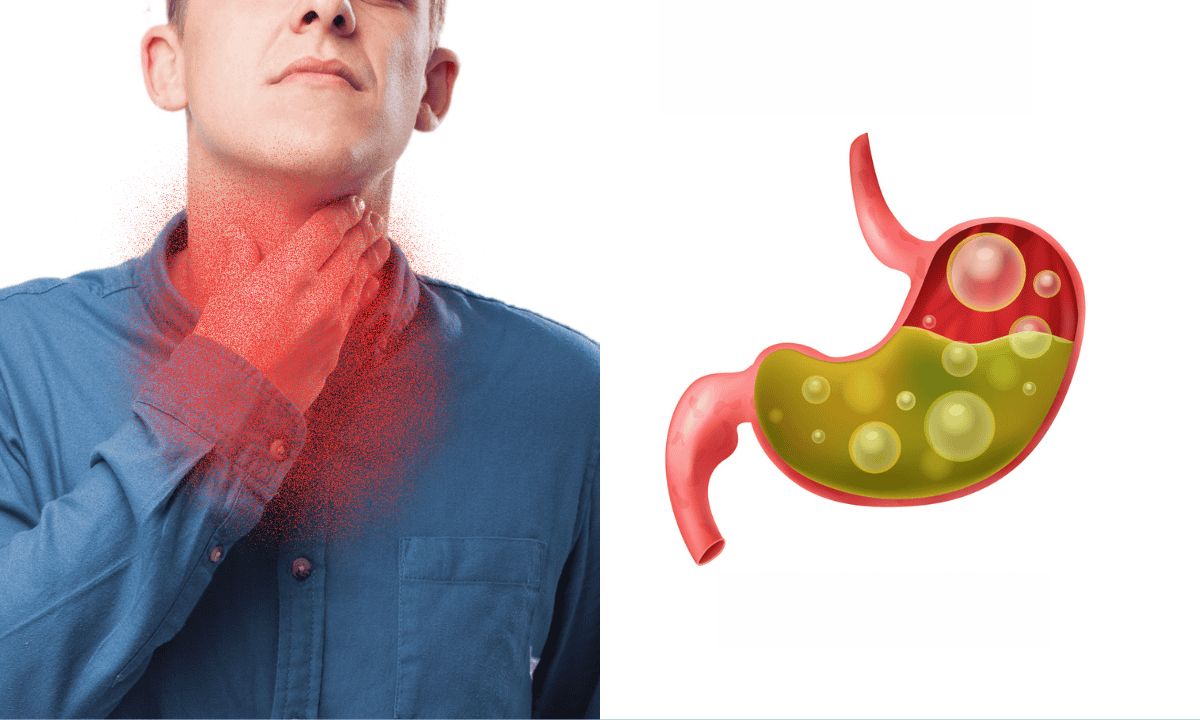
Acid reflux happens when stomach acid flows the wrong way, back up into the esophagus, the tube that carries food from your throat to your stomach. Normally, a small ring of muscle at the bottom of the esophagus (called the lower esophageal sphincter, or LES) acts like a one-way valve. It opens to let food into the stomach and then closes to keep acid where it belongs.
When that muscle weakens or relaxes at the wrong time, acid can escape upward. This backflow irritates the lining of the esophagus and causes the burning sensation known as heartburn. Other common symptoms of reflux include a bitter taste in the mouth, burping, bloating, regurgitation, chest discomfort, and sometimes a slightly sore throat or cough.
But, why does acid reflux happen during running?
Although the whole process is not fully understood, there are some theories about why high-intensity activities like running can cause reflux and heartburn. Without getting too deep into the science of it all, a few reasons why heartburn might accompany running are outlined below.
Changes in digestive processes: High-intensity exercise diverts blood away from the digestive system. This slows digestion, causing food to remain in the stomach longer than usual and a buildup of gastric fluids.
Pressure in abdomen: The jostling movement of running can cause increased pressure in the abdomen, which can trigger the “gatekeeping” muscle valve to fail, causing stomach acid to flow upwards.
Effects of physical exertion on LES: Breathing rapidly, swallowing air, and rhythmic movements could cause weakening or relaxation of the LES muscle, inducing reflux.
How Can You Stop Acid Reflux and Heartburn When Running?

There are a variety of strategies you can use to prevent heartburn. An easy way to remember how to stop heartburn in its tracks so that you can keep running is by using the acronym MATCH.
Meals
Acid Suppressive Therapy
Trigger Foods
Clothing
Hydration and Breath
Meals

Try to plan your meals around your runs. Eating too close to exercise is one of the biggest triggers for acid reflux and heartburn. As a general rule, aim to give yourself about one to three hours after a full meal before heading out for a run. If you do need a little fuel beforehand, keep it light. A small, easily digestible snack can give you the energy you need without weighing you down or bothering your belly. Think high-carb and low-fiber foods that go easy on the stomach, like bananas and peanut butter, honey on toast, or an energy bar.
Acid Suppressive Therapy

You might add medication or acid-reducing support to your routine. There are several options, depending on what works best for you. Over-the-counter antacids like Tums or Pepto-Bismol can help neutralize acid quickly, while H2 blockers such as Pepcid work a bit differently to reduce acid production.
If you’re looking for a more convenient and portable option, an alginate gum like Reflux Gourmet may be worth trying. Reflux Gourmet offers a functional, sugar-free chewing gum formulated by reflux physicians using natural alginate from brown seaweed plus bicarbonate to help neutralize acid. It’s designed to provide fast, on-the-go relief and is easy to chew before or even during a run.
The bonus? It not only helps to calm reflux using natural and safe ingredients, but promotes gastrointestinal and oral health as well. Kind of a win all around!
Trigger Foods
It helps to steer clear of the usual heartburn troublemakers, especially on days you’re running. Things like caffeine, spicy and fried foods, chocolate, citrus, and carbonated drinks are common triggers. These foods can affect the lower esophageal sphincter (LES), the muscle that’s supposed to keep stomach contents where they belong, which makes reflux more likely.
This doesn’t mean you have to give them up forever. Just consider saving those treats for after your workout or for rest days. Guaranteed, your run (and your stomach) will thank you!
Clothing

You will also want to think about what you’re wearing. Lightweight, looser-fitting clothes can make a bigger difference than you’d expect. When your waistband, running tights, or compression shorts are really tight around your middle, it puts extra pressure on your stomach, making reflux more likely once you start bouncing down the trail.
You could try swapping super-snug gear for pieces that have a bit more give. Think soft, flexible waistbands and breathable fabrics that move with you, not against you! You still want support and comfort, but without that squeeze on your stomach. Sometimes, a small wardrobe tweak can go a long way in keeping that burn at bay.
Hydration and Breath

Steer clear of gulping water and air. Being strategic with these two seemingly simple rules can significantly reduce the occurrence of reflux. When it comes to fluids, you want to adequately hydrate before running and have small sips of water during your runs. Chugging water because you’re too thirsty is a recipe for reflux.
Bringing awareness to how you are breathing can also help battle heartburn. Focusing on using a deep diaphragmatic breathing technique (breathing from the chest into the belly) alleviates the added pressure in the abdomen that often contributes to reflux.
The Takeaway
Factors outlined in the acronym MATCH are a great place to start when it comes to winning the race against reflux. They cover many of the most common triggers and offer practical and easy solutions you can try for yourself right away.
Beyond MATCH, there are a few other things worth keeping in mind. Smoking and frequent use of anti-inflammatory medications (like NSAIDs) have both been linked to gastrointestinal irritation, so minimizing those can make a difference. It may also help to build stress-reduction habits into your routine. Acid reflux has been connected to increased stress levels, so incorporating relaxation practices like deep breathing, stretching, or yoga can support both your training and your gut.
And if you’re still struggling, take a look at your workout intensity. High-intensity exercise tends to be more activating when it comes to reflux that causes heartburn. Scaling back, adding more moderate sessions, or gradually building up your endurance might help keep symptoms in check.
At the end of the day, there’s no one-size-fits-all solution. Every runner is different, and what works for one person may not work for another. Be willing to experiment, pay attention to patterns, and adjust as needed. With a little trial and error, you can find the right balance, so you can focus less on heartburn and more on enjoying the run.
Related Posts:






Alt Protein Team is a team of professionals and enthusiasts committed to bringing you the most up-to-date information on alternative protein, health and wellness, workouts, and all things health-related. We’ve reviewed a lot of products and services so you don’t have to guess when you spend your hard-earned money on them. Whether you want to shed some pounds, build lean muscle or bulk, we can help you figure out what you need to do and what you need to have to achieve your goals.