
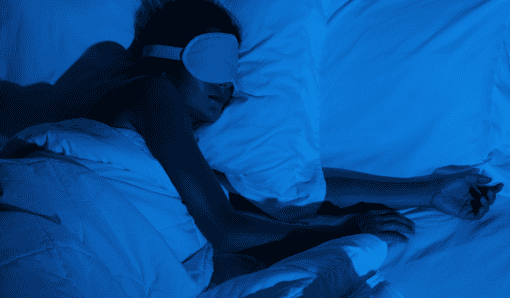
As a certified sleep science coach, one of the most common things clients tell me is: “I’m sleeping, but I don’t feel restored.” In almost every case, the issue isn’t total sleep time. It’s deep sleep. Deep sleep is when physical repair happens. Your muscles recover, your immune system strengthens, growth hormone is released, and your brain clears metabolic waste. If you miss it, you’ll wake up sore, foggy, and drained even after a full night in bed.
One of the most common drivers of deep sleep is body temperature, but it’s not the only one. Deep sleep depends on thermoregulation, a calm nervous system, and a consistent sleep environment.
Here are the the deep sleep optimization tips I give my clients to help them improve deep sleep in ways that actually stick.
Topic Contents
Optimize your sleep environment
Focus on your body’s natural temperature drop
Deep sleep doesn’t begin until your core body temperature falls. That drop is a biological signal to your brain that it’s safe to shift into repair mode. But, if you get into bed and it’s already warm, your body has to work that much harder to cool itself, which can delay or create fragmented deep sleep.
You should:
- Go to bed slightly cool, not bundled up or too cozy
- Begin with light layers instead of heavy bedding; adjust if needed
- Notice whether you wake up hot or restless, not just how you feel at bedtime.
Even in a cool room, your body can still overheat due to mattress insulation, hormonal shifts, or shared body heat. This is where some people look into active thermoregulation systems rather than relying solely on ambient air.
Keep it cool
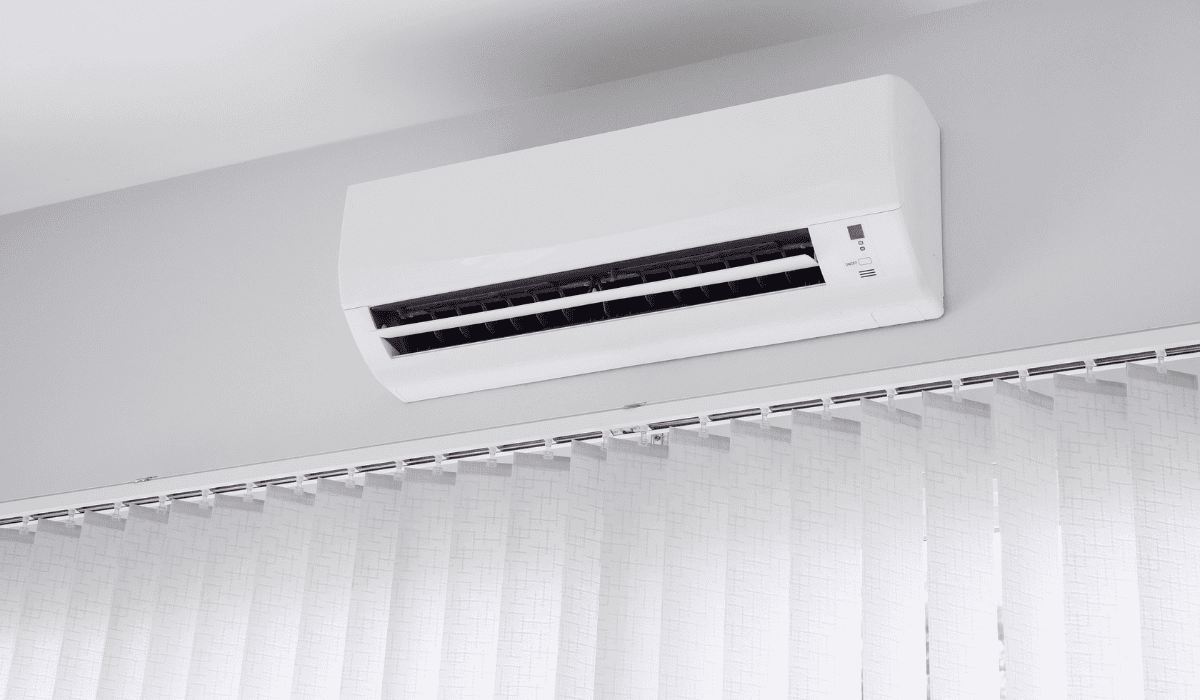
Set your room’s temperature to 60-67ºF to promote deep sleep. This might feel a bit chilly when you’re awake, but it’s optimal once your body settles.
You can also use a fan to improve air circulation, even if the room is already cool. Additionally, keeping the thermostat set consistently throughout the night can help prevent temperature swings.
Reduce Heat Traps
Your bedding and mattress play a larger role in how well you can achieve deep sleep than you may realize. You things you can try are:
- Switch your old sheets out for something breathable, like percale cotton or linen.
- Avoid memory foam topper that trap heat unless they’re actively cooled with some sort of technology.
- Another easy switch might be to just keep your pets off the bed if overheating is an issue.
- Lightweight, breathable sleepwear can also help allow heat to dissipate.
This is often where people realize that fans and thermostat tweaks only go so far. If your mattress itself is holding head, you’re still fighting against your body’s natural cooling process.
That’s why some clients explore active thermoregulation systems that control temperature directly at the mattress level. Instead of adjusting the entire room or layering blankets, a system, like Eight Sleep for example, regulates the sleep surface itself and adapts as your body temperature changes throughout the night. For people who consistently wake up hot, sweat during the second half of the night, or struggle with fragmented deep sleep despite what feels like the perfect room, this kind of temperature control can help remove a major problem in the equation.
Ensure darkness
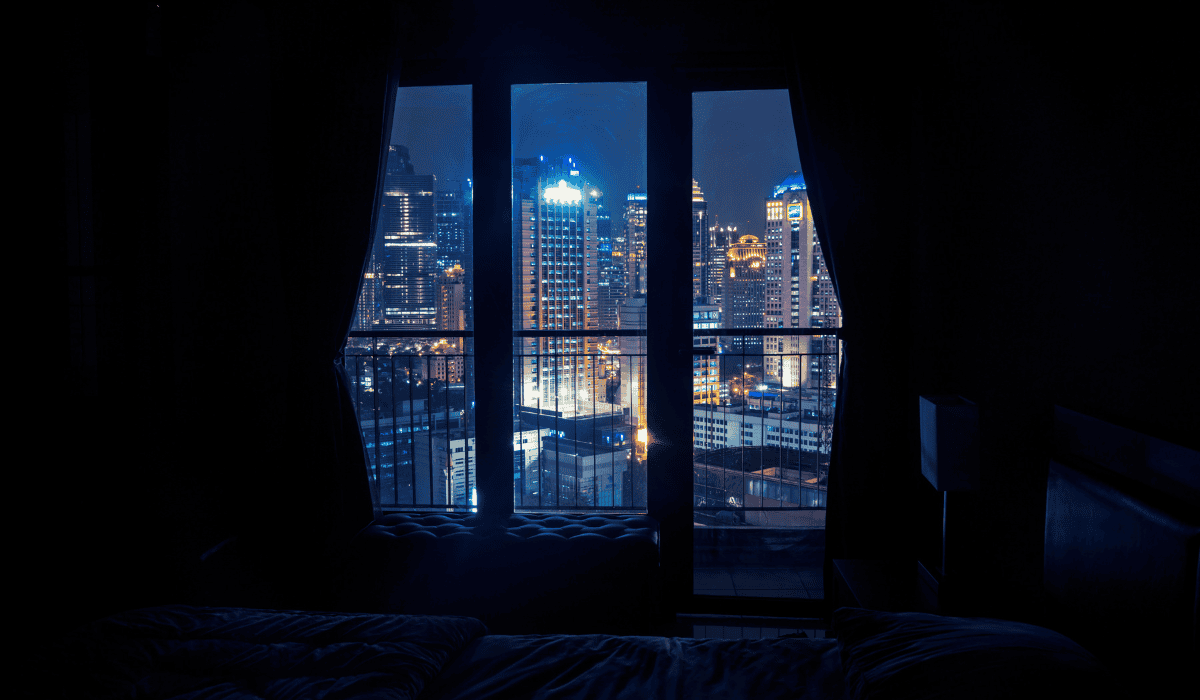
Light exposure interferes with melatonin, and this plays a key role in regulating nighttime body temperature. Most people think their room is dark until they actually eliminate all light. Consider switching your curtains to blackout options, covering your LED lights, blocking hallway or street light, and avoiding sleep masks that trap heat.
Even dim light can delay deep sleep onset, especially in the first half of the night when deep sleep should dominate.
Reduce noise
You might brag to friends that you can “sleep through anything”, but noise doesn’t need to wake you fully to disrupt deep sleep. Micro-arousals can pull you out of deep stages without conscious awareness. Consider a white- or brown-noise machine to mask sudden sounds. If your home is normally noisy, focus on creating a consistent sound rather than complete silence.
From a nervous system standpoint, predictability is more important than quiet. For example, if you live in the city and are used to traffic noise, you may find it difficult to get restful sleep in a rural area.
Refine your daily routine
Consistent schedule
Deep sleep typically happens in the beginning of the night. So if your bedtime schedule shifts, you may miss the ideal window. To avoid this, keep bedtime within a 30-60 minute window every day and prioritize earlier bedtimes if possible.
Exercise regularly

Regular exercise is one of the strongest predictors of deep sleep, but timing it is crucial. You should also avoid late-night workouts that elevate core temperature too close to sleep. Aim for consistent daytime or early-evening movement. Any intense workout should be completed at least three hours before bed. However, gentle movement, like stretching or walking, is fine to do later in the evening.
Limit late-day stimulation
Deep sleep requires a calm nervous system and late-night stimulation will keep your system on high alert long after you turn the lights off. But stimulation isn’t just about light exposure; it can be mental and emotional activation as well. Basically, anything that triggers problem-solving, emotional reactions, or rapid information can delay the nervous system’s ability to shift into a true rest state.
This could include:
- Intense TV shows or endless social media scrolling
- Heating conversations or emotionally charged topics
- Work emails, planning anything, or making any kind of big decisions
Yes, that means you probably shouldn’t get into an argument with your partner or a stranger on the internet right before bedtime. Treat the last hour before bed as a wind-down buffer instead of a continuation of your day. Think of it as a specific transition period, instead. This is where you intentionally lower stimulation so your brain and body get the message that it’s time to slow down. That shift is what makes deeper sleep possible.
Time alcohol intake
Alcohol is one of the biggest deep sleep disrupters I see. It may help you fall asleep faster, but it almost always disrupts your sleep at night by raising your body temperature and fragmenting your sleep cycles. If you want to have alcohol, finish it 3-4 hours before bed and hydrate afterwards. Even with this timing, you should expect more night sweaters and restlessness than usual.
Pre-bedtime habits
Promoting deep sleep doesn’t have to just begin in the bedroom. You can prepare for better sleep by changing up your pre-bedtime habits.
Unplug

Screens don’t just emit light. They keep your brain in “alert” mode when it should be shifting into rest. When you scroll, reply, or watch stimulating (or overstimulating) content, your brain continues processing input, which delays the nervous system’s transition into the slower, parasympathetic state required for deep sleep.
Additionally, exposure to artificial light can suppress melatonin and confuse your internal clock about when it’s actually time to wind down. Even low levels of screen time can be enough to push that signal later. As tempting as scrolling in bed feels, you should make a conscious effort of unplugging.
- Power down your devices (or just put them away) at least 30-60 minutes before bed.
- Keep phones off the bed to avoid subconscious checking in the middle of the night.
- Go analog. Try reading, journaling, stretching, or listening to calm audio.
This isn’t about demonizing screens; it’s about reducing stimulation when your body needs the clearest signal that, okay, it’s time to wind down.
Relaxation techniques
There’s really no right way to relax and you’ll find countless ideas online on “how to relax”, which might just stress you out. The most important thing is to practice a few options, find one that feels like you can practice it consistently without much effort, and ensure it’s actually effective for you. Some options that can help:
- Slow breathing, like box breathing
- Gentle stretching or yoga
- Body scans or meditation
- Read something non-stimulating, like light fiction
- Listen to calming music or soundscapes
Relaxation helps reduce your cortisol levels, which will allow your body temperature to drop more smoothly into deep sleep.
Manage stress
We all deal with stress, obviously. But the problem is, we’re not all doing a very good job at managing it. Waking up late, fighting with someone in traffic on your way to work, a last minute meeting you weren’t expecting, a looming deadline you forgot about—stress accumulates throughout the day. You may think it’s over when the moment passes, but the stress most likely remains unresolved. When this happens, the nervous system stays activated at night, keeping sleep lighter and broken. Some habits you can pick up are:
- Exercising regularly: Even just a daily walk can help reduce your stress levels and promote better sleep.
- Writing: Before going to sleep, it can help to journal your thoughts and worries down, as it can get them out of your head and reduce the likelihood of rumination before falling asleep.
- Short daytime breaks: Taking breaks throughout the day from your work, schooling, or whatever is causing you any stress can help break up the flow. Use this time to go for a walk, read a book, call a friend, or eat a healthy snack.
Deep sleep happens when the body feels safe enough to let go. When your nervous system gets the occasional signals of safety throughout the day, not just at night, when you’re trying to wind down, it’ll make it that much easier to actually reset. Managing stress creates a foundation for deeper, more restorative sleep instead of relying on sheer willpower and one breathable sheet.
The Big Picture on Deep Sleep
Deep sleep isn’t something you can force, much to our dismay. It’s something you can support using various methods.
Temperature regulation, darkness, low noise, stress management, and consistent routines all work together. For some people, simple habit changes make a huge difference. For others, especially if you’re dealing with overheating, hormonal changes, or chronic restlessness, adding a controllable element like a sleep system with temperature control, like the aforementioned one from Eight Sleep, can make a meaningful difference.
From a sleep science perspective, the goal isn’t perfection, and it’s important to remember that it’s a process. You can’t expect immediate results with just a few changes. You may find yourself trying a few things and realizing it’s not working for you. Or you could sleep better with more layers if the room is cool enough. I recommend starting a sleep journal and tracking your results each day, as well as the changes you have made. This way, you can look through your data and find the best set-up to optimize your sleep.
The most important thing is that you create an environment where your body gets the message that it’s okay to rest now.
Related Posts:






Alt Protein Team is a team of professionals and enthusiasts committed to bringing you the most up-to-date information on alternative protein, health and wellness, workouts, and all things health-related. We’ve reviewed a lot of products and services so you don’t have to guess when you spend your hard-earned money on them. Whether you want to shed some pounds, build lean muscle or bulk, we can help you figure out what you need to do and what you need to have to achieve your goals.