

When was the last time you had some blood work done? If you are not sure or it’s taking you some time to think, you might be missing important clues about your health.
Regular blood work offers important insights into how your body is doing. Is everything on point and running smoothly? Or, is there an underlying condition that maybe you haven’t realized?
Blood tests are among the most powerful tools you have for preventive medicine. By tracking biomarkers over time, you and your healthcare team can make informed decisions about your lifestyle, diet, and medical care.

This proactive approach allows you to move from simply treating illnesses when they happen to helping you optimize your health and wellness before something major happens, providing you with more long-term effects and benefits!
Now, how often should you have blood work done?
Here, we will help you understand the importance of blood work, how often you should get it, and factors that can affect its frequency.
Topic Contents
Understanding Blood Work
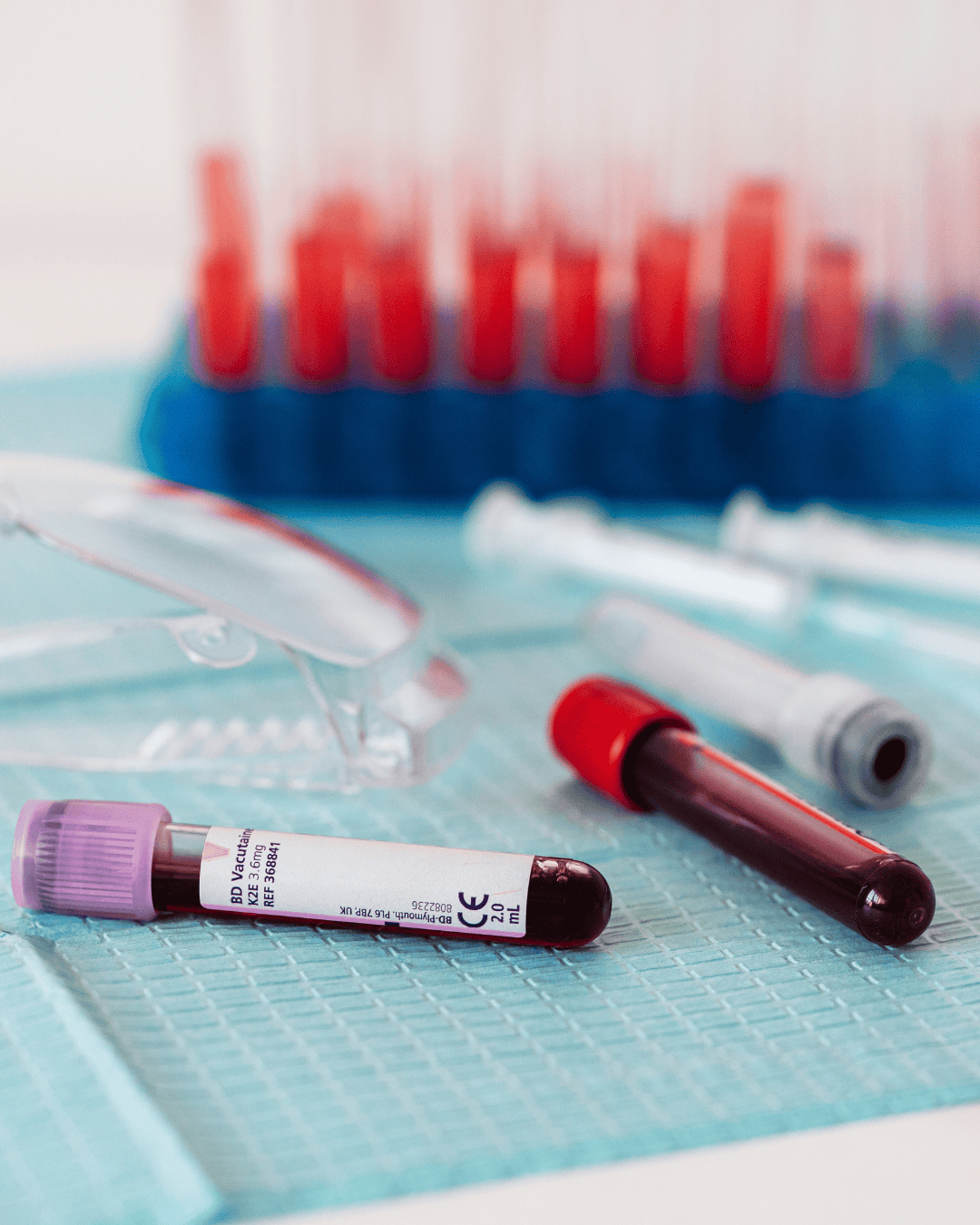
Blood work is when you get a small sample of your blood, which then gets sent to a laboratory for analysis. The results can offer a great deal about what’s happening inside your body, from how well your organs are functioning to whether you have an infection or nutrient deficiency.
What Does Blood Work Measure?
Your blood is in charge of transporting oxygen, nutrients, hormones, and waste products throughout your body. Common blood tests measure:
- Blood Cells: A complete blood count (CBC) assesses the three main types of blood cells: red blood cells (which carry oxygen), white blood cells (which fight infection), and platelets (which help with clotting).
- Metabolites: These are substances produced during your metabolism, like blood sugar (glucose) and cholesterol. A comprehensive metabolic panel can also check your electrolytes and kidney and liver function markers.
- Hormones: Hormones are chemical messengers that help regulate everything (like your mood and metabolism). Tests can measure levels of thyroid hormones, sex hormones (such as estrogen and testosterone), and stress hormones (such as cortisol).
- Vitamins and minerals: Blood tests can detect nutrient deficiencies or excesses. The most common ones are vitamin D, B12, and iron.
- Biomarkers: These can provide insights into a specific biological state or condition. For example, high levels of C-reactive protein (CRP) can be a warning sign of inflammation.
What Are Some Different Types of Blood Tests?
There are hundreds of different blood tests, each meant to give you insight into how your body is doing. But, we don’t need to go into every one of them. Here are some of the most common panels:
- Complete Blood Count (CBC): It provides a broad overview of your overall health. It can help detect common conditions such as anemia, infections, and certain cancers (like leukemia).
- Comprehensive Metabolic Panel (CMP): It assesses your body’s chemical balance and metabolism. It’s a helpful way to provide you with information about your liver, kidneys, blood sugar levels, and electrolyte balance.
- Lipid Panel: It gives you your cholesterol and triglyceride levels, helping assess your risk of heart disease.
- Thyroid Panel: They assess how well your thyroid gland is doing by measuring thyroid-stimulating hormone (TSH), T3, and T4 levels.
- Hormone Panel: These tests can help measure specific hormones. For example, men use it to test testosterone levels, while women use it to test estrogen, progesterone, and follicle-stimulating hormone (FSH).

Factors That Influence Blood Work
There is no one-size-fits-all approach when it comes to how often you should get blood work done. There are several factors that can affect how often you should get blood work, such as age, current health status, family history, and lifestyle choices.
Age
As you get older, the risk of certain health conditions increases. Some glands might start to produce fewer hormones, your body might slow down cellular repair, and you’re more likely to get a chronic disease like heart disease and diabetes.
Existing Health Conditions
If you have a chronic condition like diabetes, high blood pressure, thyroid disease, or heart disease, you might need more blood tests to monitor your condition. Your healthcare provider can help you determine how frequently you need them.
This regular monitoring can make sure that your condition is under control, or identify any possible lifestyle changes or medications to help you manage it. For example, if you have diabetes, a healthcare provider might recommend getting an A1c test every three to six months to monitor your average blood sugar levels.
And, if you take any chronic medication, you might also need more frequent blood work (every few weeks or months). This can help determine if the medication is working properly and if there are no negative effects. For example, people on blood thinners might need more frequent blood tests to get an idea of their current blood clotting situation.
Family History
Your genetic makeup can mean you are more likely to get a disease. If you have a strong family history of diseases like diabetes, heart disease, or certain autoimmune conditions, you might need to start screenings earlier to stay ahead of any potential risks.
Lifestyle Factors
There are certain lifestyle factors that can increase the risk of getting a chronic condition. There are some factors that may require you to get more frequent blood work done:
- Diet: A diet high in processed foods, refined sugars, or unhealthy fats (like trans fats) can affect your cholesterol, triglycerides, and blood sugar levels.
- Exercise: Your activity levels can affect your cardiovascular health and your hormone balance.
- High-Stress Levels: Chronic stress can disrupt certain hormone levels (like cortisol), which can produce unwanted effects in your body.
- Substance Use: Smoking and excessive alcohol intake can have a negative impact on your organ function and overall health.

How Often Should You Get A Blood Test?
In Your 20s
For most healthy adults in their 20s, it should be enough to get a comprehensive blood panel every couple of years. The main goal is to establish a healthy baseline and understand how your body works.
The most important tests you might want to focus on are a complete blood count, a comprehensive metabolic panel, and a lipid panel. These can help provide an overview of your organ function, blood cell counts, and cholesterol levels.
In Your 30s
As you enter your 30s, you might start to notice changes in your hormones and metabolic function. You can still get a blood test every 1-2 years, but if you start noticing any symptoms, it’s a good idea to get them annually.
Besides complete blood count, metabolic panel, and lipid panel, you might want to start considering hormone tests (especially if you are trying to start a family) and inflammatory markers.
In Your 40s
Here, the risk of chronic diseases may start to increase. While some people might still need a blood test every couple of years, it might be a good idea to start getting them annually, especially if you have a strong family history. In this case, your doctor might recommend specific tests.
In Your 50s+
After 50, it’s important to do an annual or biannual blood work to make sure your body stays in the best condition. The risk for cardiovascular disease, changes in your hormones, and other age-related conditions are at their highest. A doctor might recommend the basic tests, but also hormonal analysis, inflammatory markers, and nutrient levels.
Now, if you want a more personalized and in-depth approach, an option like Life Force can be a good choice. They test over 50 biomarkers, covering hormones, metabolic conditions, organ health, and key risk factors for illness and disease. This can provide you with a more comprehensive approach to your current health and create a tailored plan to help you optimize your health.
The Role of Blood Work in Preventive Care
Most people think about blood work when they already have a condition. But, blood work can be a key player to help you be proactive rather than reactive when it comes to your health.
Many serious diseases, such as diabetes, kidney disease, and heart conditions, can develop silently over the years without causing any noticeable symptoms. Blood tests can detect subtle changes in your body long before you feel sick.
As a result, this gives you an opportunity to make lifestyle changes or start the necessary treatment to handle the condition. For example, getting regular blood work can reveal prediabetes, a condition where your blood sugar levels are high but not so high that they are in a diabetes range.
Preparing for a Blood Test
If you are thinking about getting blood work, it’s important to prepare for it to ensure you get accurate results.
Now, this might depend on the test you are getting, but generally speaking, healthcare providers recommend fasting for 8-12 hours beforehand. This means avoiding food, beverages (other than water), and certain medications. It’s important that you stay hydrated since dehydration might show inaccurate results.
If you have any concerns or questions about the instructions, always reach out to your healthcare provider to get any clarifications to avoid any complications or inaccurate readings.
Understanding Your Blood Test Results
You got your results, but you don’t know what to look for in them or how to interpret them. This can be a very overwhelming moment, but understanding the basics can make things easier.
Your test results often come with a reference range. You want to pay attention to values outside the recommended range. However, keep in mind that this doesn’t always mean that there is a serious issue. It’s always best to speak with your healthcare provider to get the right interpretation.
Frequently Asked Questions
Question: Do I need to fast before getting blood work?
Answer: It is going to depend on the blood work that you are getting. Tests like glucose and lipids usually require you to fast for 8-12 hours to ensure you get an accurate reading.
Question: How long does it take to get the results?
Answer: In most cases, you should get your results within a few weeks (sometimes the same day). However, more specialized tests may take up to a week or longer.
Question: Are blood tests painful?
Answer: You might feel a small prick when the needle is inserted, but the discomfort is usually brief. Some people are scared of getting blood drawn. If this is the case, speak with a healthcare provider about your concerns.
Question: Is blood work covered by insurance?
Answer: Most insurance plans cover blood tests that are necessary for a healthcare provider to do a proper diagnosis or monitor a condition. Some insurance companies might also cover preventive screening, but it’s best to check with your provider.
Final Words
So, how often should you get blood work?
It’s all going to depend on current health status, family history, and age. However, if you can get blood work every year, it’s the best investment for your health. It can empower you with knowledge to make informed decisions, catch potential problems early, and create a personalized plan with your healthcare provider. You can make this even simpler by using an option like Life Force, which takes some of the hassle out of having bloodwork done.
A proactive approach will always go a long way. Don’t wait for the symptoms to show up. Blood work can help you uncover any potential issues before symptoms show up, giving you a better quality of life.
Related Posts:






Brenda Peralta is a Registered Dietitian Nutritionist and Certified Diabetes Educator with over a decade of experience in clinical nutrition, health coaching, and evidence-based wellness. She specializes in weight management, metabolic health, diabetes care, and sustainable lifestyle changes. Brenda breaks down complex nutrition science into clear, practical guidance that helps readers make informed choices to improve their health.