

You’re in the final stretch. A glance at the clock says you’re about to beat your personal best. Weeks of discipline, early morning runs and pushing past your limit have paid off.
An intense surge of sensations carries you forward. Muscles burn, tight and unrelenting. Breathing is sharp and urgent, chest rising and falling in quick rhythm. Every step feels louder and harder. Legs feel weighted, like they aren’t your own.
As you finish, a lightheaded wave of relief and satisfaction washes over you. You start to power down from high alert. Sweat cools against your skin as adrenaline starts to fade. Your body feels wrecked, but your mind is lit up.
Slowing down, you shake it out, steady your breathing, a tired smile on your face. It’s time to enjoy some well-earned rest. You’ve done your job, but your body is just starting its most important work. The real progress that makes you stronger, faster, more resilient… doesn’t happen during the race or the workout. It happens afterwards, during rest and recovery.
So, what’s actually going on beneath the surface when you stop pushing? And what can you do to support your body’s natural recovery process to maximise those gains?
Let’s break it down.
Topic Contents
The Exercise-Adaptation Cycle and Recovery
Athletic recovery is a necessary part of the exercise-adaptation cycle.
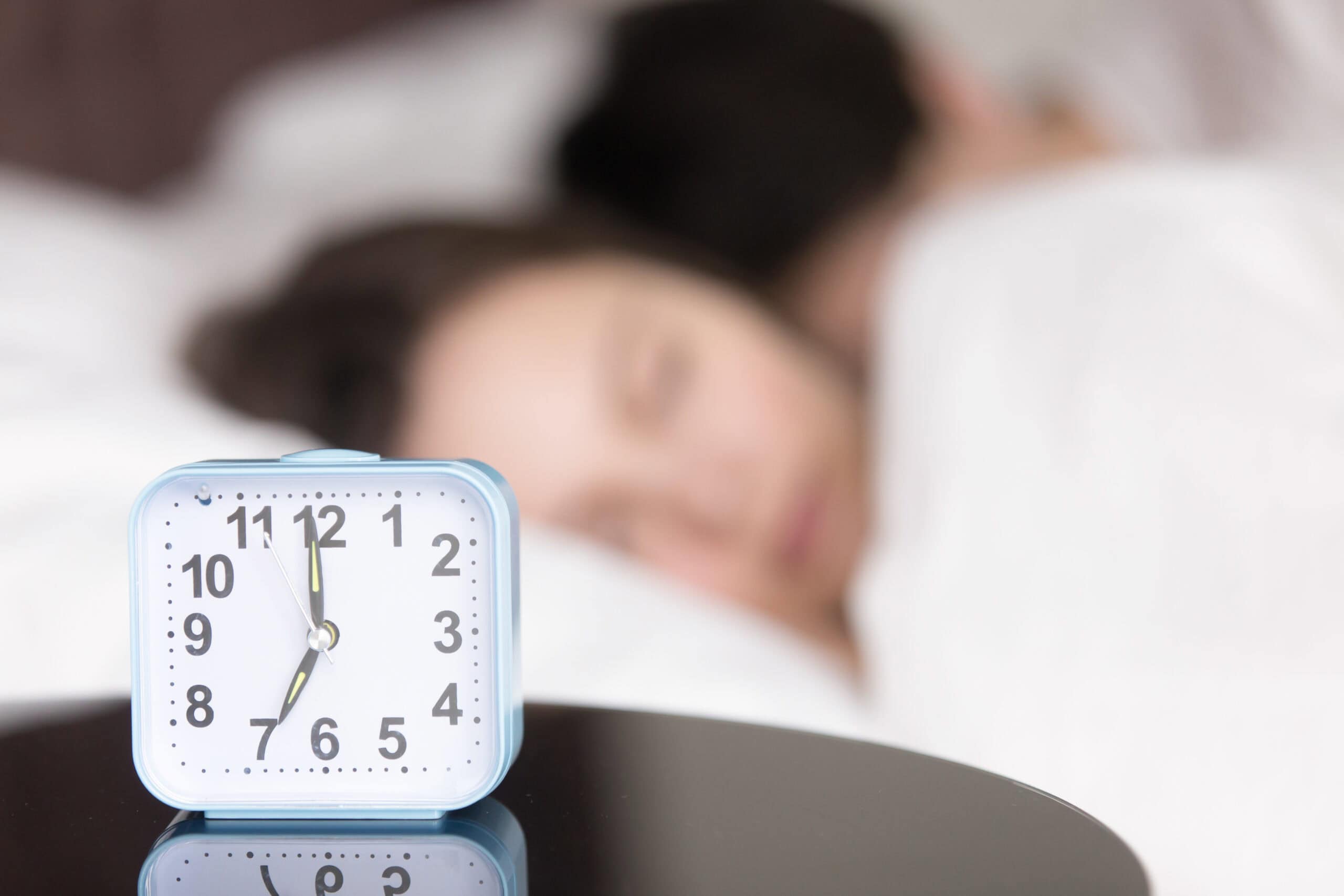
The cycle goes like this:
Stress or physical exertion (workout)
- Body breaks down (tiny tears in muscles happen, nervous system gets strained, body temperature elevates, inflammation happens, energy stores are drained)
Rest and recover
- Body heals and rebuilds (muscles repair, energy restores, nervous system balances and becomes more efficient, and inflammation goes down)
Repeat
- Bounce back stronger (better endurance, improved strength, quicker reaction time, sharper focus)
As this cycle shows, athletic recovery is really about restoring homeostasis (the body’s internal state of balance) after the stress of training disrupts it. The stress of exercise pushes multiple systems out of equilibrium. Recovery is the process of those systems returning to baseline, to grow stronger.
Although there are countless, interconnected physiological processes taking place during recovery, four key players are deep sleep, thermoregulation, inflammation and heart rate variability (HRV).
Deep Sleep: The Body’s Most Restorative Phase of Recovery
- Growth hormone is released, driving muscle repair and tissue rebuilding
- Energy stores are replenished, restoring glycogen for endurance
- The immune system strengthens, preventing illness and injury
- The brain recovers to improve reaction time, focus and decision making
Thermoregulation: The Gatekeeper of Sleep Quality
- Sleep and overall recovery depend on thermoregulation (body’s internal temp control)
- A drop in body temp at night is required to initiate and sustain deeper sleep stages
- Athletes often sleep hotter due to higher metabolic rates, so need extra support cooling
- If temp isn’t optimised, downstream benefits of sleep and recovery are compromised
Inflammation: Necessary, But Needs Controlled
- Exercise causes acute inflammation that signals a need for adaptation and repair
- When inflammation is excessive or long-lasting, it is no longer helpful, but harmful
- Uncontrolled inflammation can delay muscle repair, increase fatigue and injury risk
- Anti-inflammatory processes occur during deep sleep, and consistent recovery keeps inflammation in the adaptive zone, preventing chronic damage
HRV: The Nervous System’s Recovery Signal
- Reflects how well the autonomic nervous system is balancing stress and recovery
- Responds to both physical and mental stress, shows total load on the system
- Adjusting intensity based on HRV helps align effort with actual recovery capacity, reducing injury risk and improving performance
So we know what the body is up to during recovery, but how exactly can you determine how well you are recovering during each cycle? That’s where recovery metrics come in.
Recovery Metrics: The Roadmap to Recovery
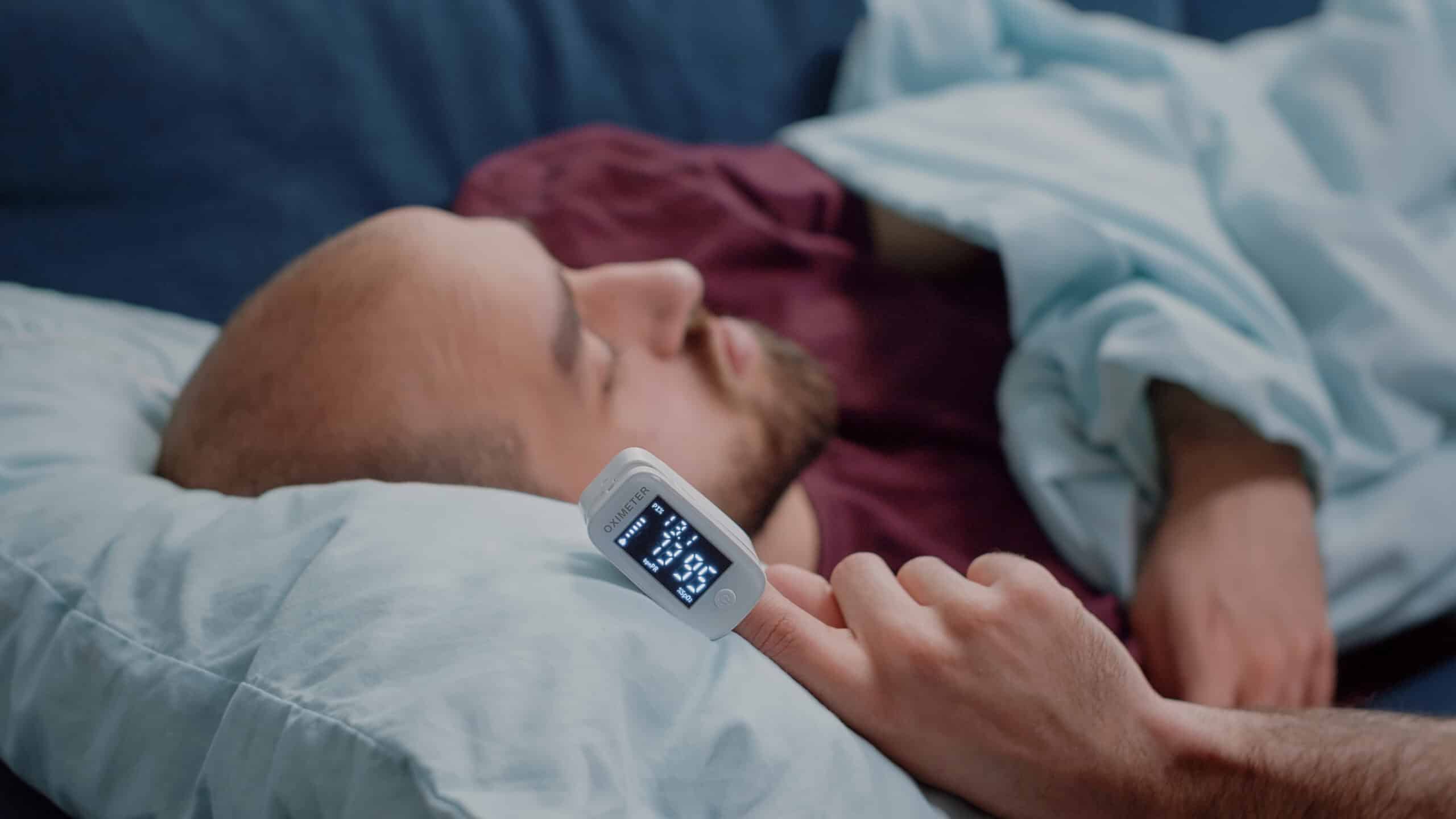
Recovery metrics are measurable data points that reflect how the body responds to and recovers from the stress of training. By analyzing physiological markers, these metrics help determine how close an athlete has returned to baseline. Common physiological metrics include:
Heart Rate (HR): Monitors beats per minute. Elevated HR can signal fatigue, dehydration, or incomplete recovery. Helps track training load vs. recovery balance.
Heart Rate Variability (HRV): Shows variation in time between heartbeats, and is one of the most sensitive indicators of recovery status. High HRV means body is in “rest and recover” state and is ready to train. Low HRV can indicate stress, fatigue, illness or overtraining, suggesting more recovery is needed. It is useful for adjusting training intensity each day.
Resting Heart Rate (RHR): Is heart rate at complete rest, and is usually measured during sleep or when waking. Lower RHR typically signifies better fitness and recovery, and a sudden increase can indicate fatigue, illness and overtraining. Helps to track long-term adaptation to training.
Pulse Rate Variability (PRV): Can be measured with wearables that have optical sensors, and shows variation in pulse wave. Can be a substitute for HRV when ECG isn’t available, reflects autonomic nervous system balance and can be useful for continuous recovery tracking.
Respiratory rate (RR): Is breaths per minute. Stable or lower RR may indicate efficient recovery and good conditioning, while elevated RR at rest may signal stress, fatigue, poor recovery and possible illness. Changes in RR could appear before other symptoms, making it a good “early warning” indicator.
Peripheral Oxygen Saturation (SpO2): Demonstrates percentage of oxygen in the blood, which ensures muscles and organs get enough oxygen for repair. Drops in SpO2 could indicate poor sleep quality, breathing issues or onset of illness. Stable high levels indicate good recovery.
Skin/ body temperature: Shows core and skin temperature changes and patterns, and is useful for tracking deviations from baseline. Slight increases in body temp can occur during adaptation to training, but consistently elevated temp could suggest inflammation, overreaching or illness.
Brainwave activity: Is electrical activity in the brain, such as alpha, beta, delta waves. Could show levels of physical restoration, relaxation and mental recovery based on types of brainwave activity happening. May also help identify stress, poor sleep or cognitive overload.
Sleep onset, quality and duration: Difficulty falling asleep may signal stress, while quality of sleep (time in deep sleep stages) is necessary for key recovery processes. Poor sleep leads to lower HRV, higher RHR, reduced readiness and performance.
How They Work Together: No individual metric provides a full picture. To get the most accurate understanding of recovery status and readiness, it’s best to use them together. For example, low heart rate variability occurring alongside increased resting heart rate and elevated respiratory rate could signal fatigue or overtraining, suggesting more rest is needed. Alternatively, good heart rate variability plus stable resting heart rate and a quality sleep report likely mean you’re ready to perform.
Measure or Move the Needle? Two Types of Sleep Tech
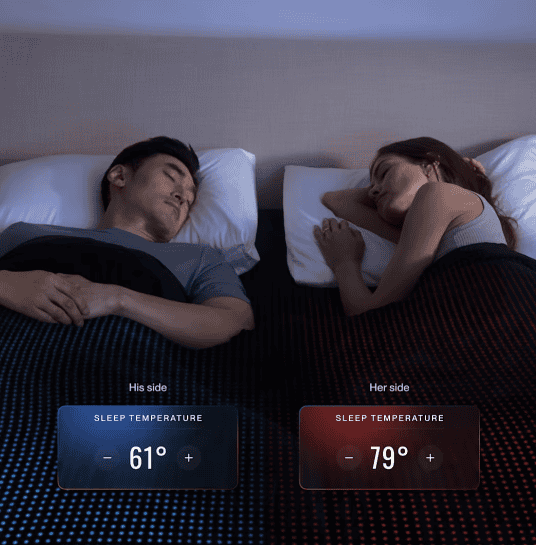
Today, technology makes it easier than ever to monitor recovery in real time. Advanced sleep-tracking technologies capture key recovery metrics overnight, providing valuable information about how well the body is recovering behind the scenes.
There is now a wide variety of sleep tech available for optimizing recovery – but not all tools do the same thing. Most fall into two distinct categories: devices that track your physiology, and ones that can change it. Understanding the difference may help to make sense of what actually moves recovery forward.
Below Is a Comparison of Different Wearables, Cooling Systems and Recovery Tools.
| Device (Type) | Metrics Recorded | Monitoring/ Recovery Goals | Application | Approximate Cost (USD) |
| Wearables | ||||
| Garmin/ Polar(Wrist Watch) | Heart rate, pulse, steps, sleep stages | Activity/ sleep logging | Actionable sleep data to help improve sleep quality | $200 to $700+ |
| Oura Ring(Ring) | HR/ HRV, skin temp, SpO2, sleep stages | Overall wellness/ recovery | Actionable sleep data to help improve sleep quality | $349 to $499 (plus subscription) |
| Polar H10 (Chest Strap) | HR/HRV (including intervals) | Precise HR/ HRV tracking | Actionable sleep data to help improve sleep quality | $90 to $100 |
| Somnee Smart Sleep (Headband) | Brainwave activity (EEG), sleep readiness/ onset, sleep stages | Neurostimulation to enhance deep sleep | Tracks progress, induces sleep during nighttime waking | $299 to $399 (plus subscription) |
| WHOOP Strap (Wrist Band) | HR/ HRV, skin temp, SpO2, sleep stages | Recovery/ readiness | Actionable sleep data to help improve sleep quality | $149 to $199 (plus subscription) |
| Sleep & Thermoregulation Systems | ||||
| Eight Sleep Pod(Active Cooling Smart System) | HR/ HRV, sleep time/ quality, sleep stages, RR, movement | Auto temp adjustment for sleep stage optimization, recovery/ readiness, proactive health-tracking | Improves deep sleep and HRV, reduces inflammation, speeds overall recovery | $2,295 to $4,500+ depending on model (plus autopilot subscription) |
| Withings Sleep Analyzer(Mat) | HR, sleep stages/ quality, RR, snoring/ sleep apnea detection | Improved sleep quality- detection of medical issues | Actionable sleep data to help improve sleep quality | $130 to $200 (with optional subscription) |
| Slumber Cloud, Saatva, Helix GlacioTex(Cooling Mattress Topper) | None | Passive cooling to reduce surface temp of bed | Boosts deep sleep, reduces inflammatory response | $200 to $500+ |
| Recovery Tools | ||||
| PolarCap(Head cooler) | None | Cold therapy system (uses fan & cooling gel) | Increase HRV, migraines/ concussions | $250 to $650 |
| Therabody SmartGoggles(Mask) | Heart rate/ HRV, pulse | Vibration and heat therapy for stress relief | Relaxation, reduce stress, improve deep sleep | $200 to $270 |
| Normatech Boots(Compression Therapy) | None | Dynamic air compression using patented pneumatic technology | Improves circulation, reduces inflammation, speeds recovery | $799 to $1149 |
Measurement vs. Regulation: Why Active Sleep Tech Goes the Extra Mile
At the physiological level, the difference between passive and active sleep tech comes down to passive measurement vs. active regulation. One way to think about it is like the difference between diagnosis and treatment. Some devices can diagnose what’s going on inside your body. But that insight alone doesn’t drive recovery. Active tools go a step further, applying interventions to directly influence and optimize recovery.
Wearables
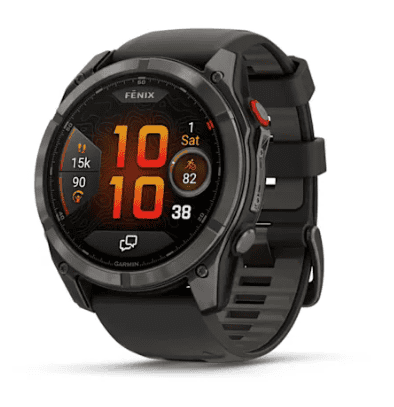
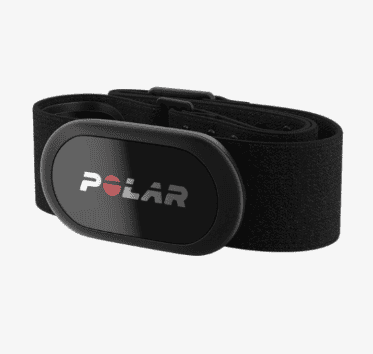
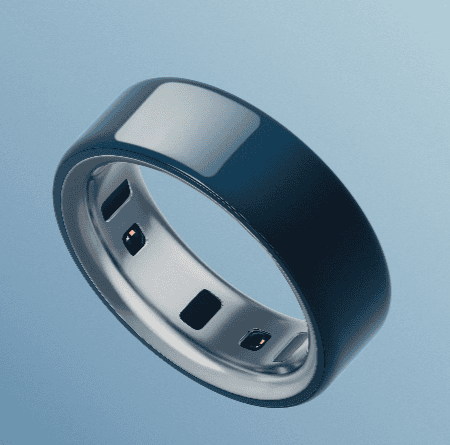
This category includes the durable Garmin and Polar watches of the world. The unassuming, smart sensing Oura ring. The comfortable, yet sleek, WHOOP strap and practical Polar H10 chest strap. We might consider these devices passive observers as they continuously monitor internal signals (heart rate, HRV, sleep stages, body temp, oxygen saturation), and collect data.
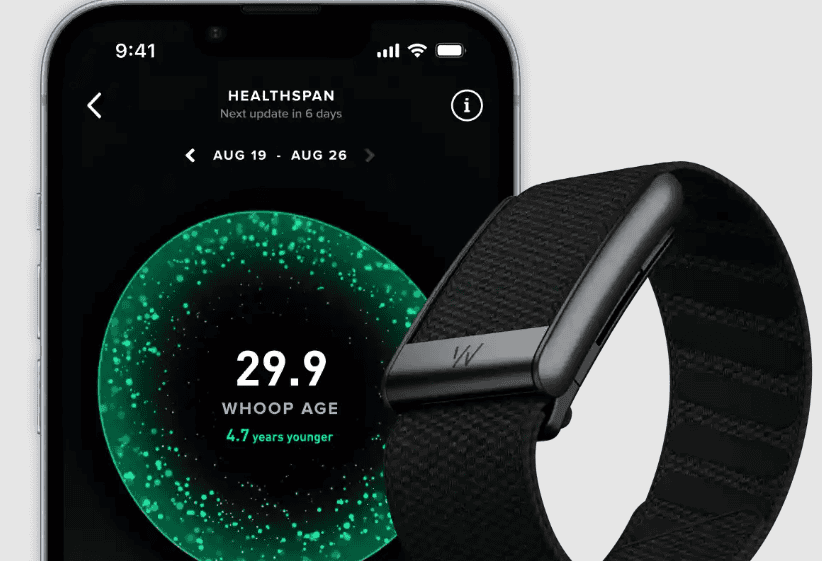
The aim of these devices is to translate complex physiology into recovery insights and readiness scores. They are valuable for increasing awareness and informing decisions. They can tell you if your system is fatigued, when you haven’t slept well, and when your body is primed to perform. But their utility ends there. Most wearables don’t directly improve recovery, leaving the intervention up to you.
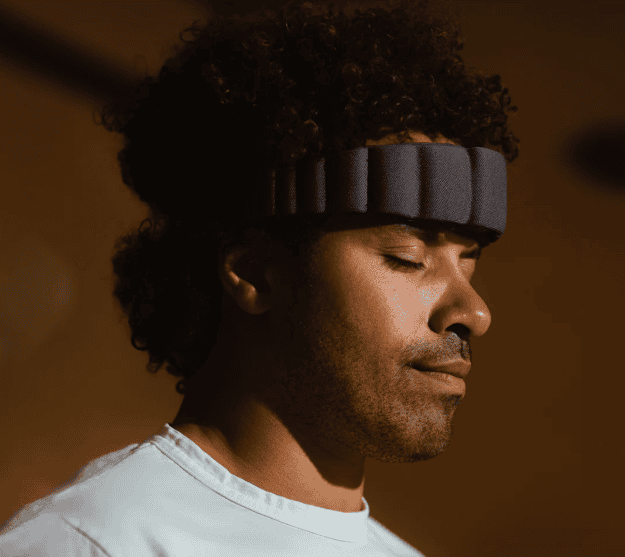
Certain devices do begin to blur the line between passive and active devices. A good example of this is the Somnee Smart Sleep headband, which both tracks brainwave activity and introduces neurostimulation to support sleep onset and deepen slow-wave sleep. Still, these are targeted, session-based interventions rather than continuous, adaptive systems.
Sleep and Thermoregulation Systems

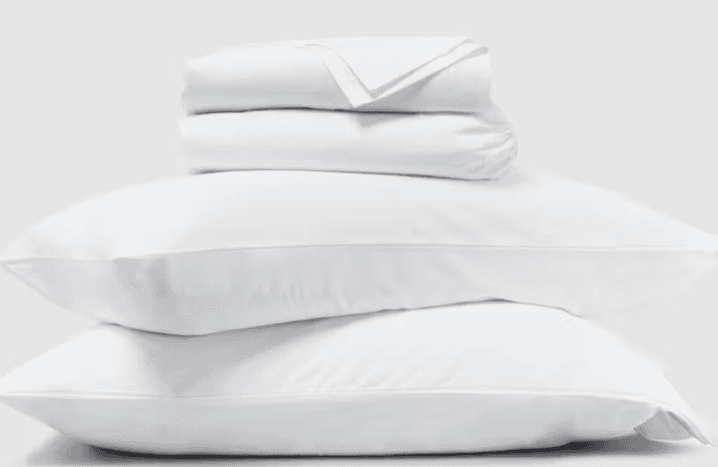
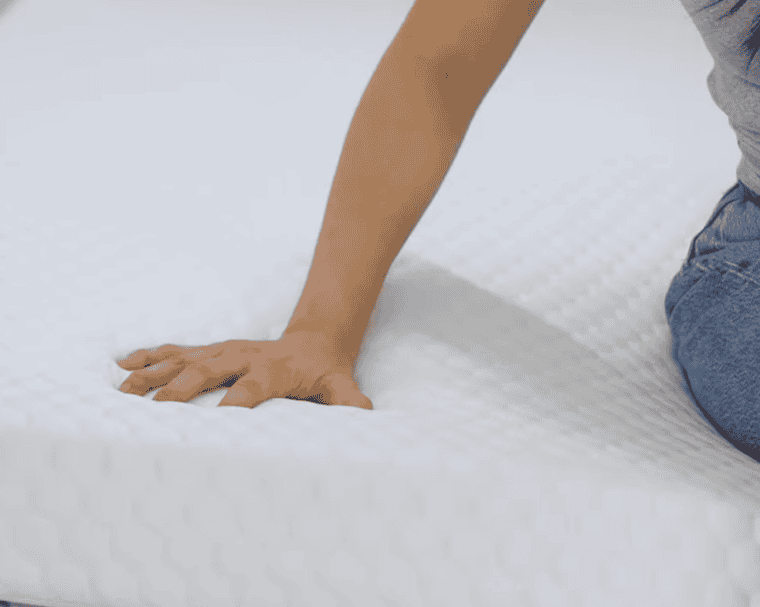
A similar distinction exists within sleep and thermoregulation systems. Cooling mattress toppers like Slumber Cloud, Saatva and Helix GlacioTex all aim to improve the sleep environment. They do so by passively reducing heat buildup to support deeper sleep and alleviate inflammation. And the Withings mat tracks key metrics with the goal of addressing underlying medical issues, informing potential interventions. But these systems remain static and cannot adjust dynamically to the body’s changing needs during the night.
This is where the Eight Sleep pod system fundamentally shifts the sleep tech landscape. It’s not just a tracking device, but a closed-loop recovery system that monitors physiology and actively responds in real time. It continuously monitors metrics, builds a live picture of your recovery state, then automatically adjusts the temperature of your sleep environment to influence it.
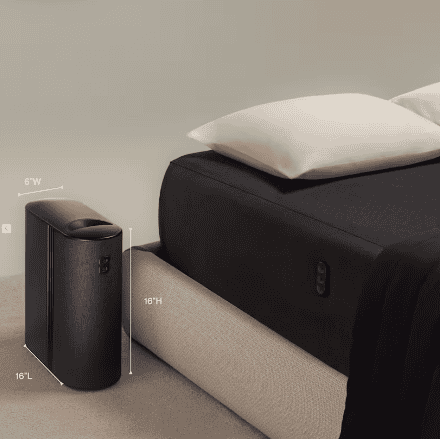
By dynamically cooling or warming the body, the Eight Sleep pod directly supports deeper, restorative sleep, improves autonomic balance (reflected in HRV), and helps regulate inflammatory processes. It doesn’t just tell you how well you’ve recovered; it actively helps you recover while you sleep.
Recovery Tools
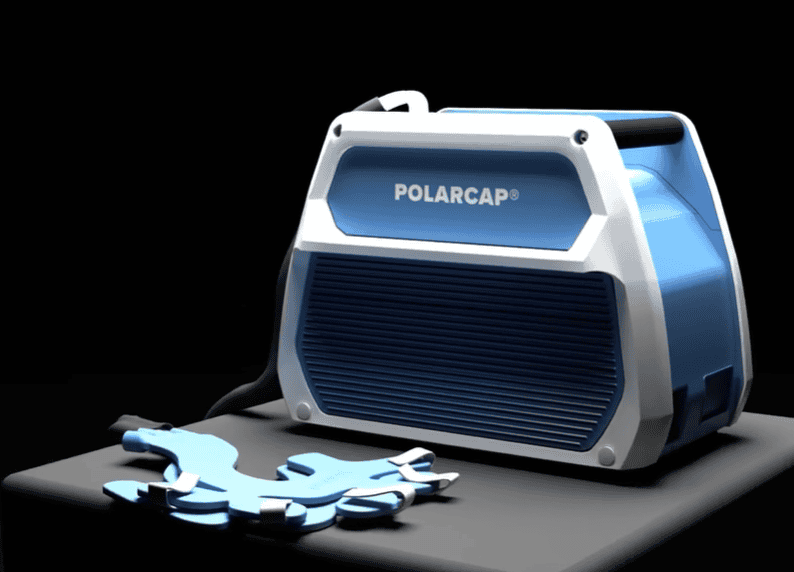
Other recovery tools take a more direct, but still manual, approach. Devices like the PolarCap deliver targeted cold therapy to the head, while Therabody SmartGoggles combine heat and vibration to reduce stress, and Normatec compression boots enhance circulation and reduce inflammation. These are active interventions, but require intentional use- specific sessions at specific times. No doubt they are helpful, but not continuous and automated.
From Insight to Intervention: Rethinking What Sleep Tech Should Do
The differences between passive tracking and active temperature automation can really change how we think about what effective sleep tech is. Of course, passive devices give useful insights, but you’re left guessing about how to act on them. Active systems do more of the heavy lifting for you.
By combining continuous monitoring with real-time adjustments, systems like the Eight Sleep pod shift the role of sleep tech from something that simply reports on your recovery to something that can help drive it- it actually moves recovery metrics. Ultimately, better recovery isn’t about doing more- it’s about creating the right conditions and letting your body do its thing.
Related Posts:






Kat has spent the last ten years as a psychotherapist and is passionate about both mental and physical health, as well as holistic wellness. From running hacks to deeper, more meditative approaches, she cares about helping people feel better in ways that are realistic, supportive, and sustainable. She balances her work with a full life that includes gardening, hiking, biking, and other outdoor adventures.