

Heartburn, bloating, and a sour taste in your mouth can turn your life into a constant struggle full of discomfort. Reflux affects the quality of your life. When the symptoms persist, it’s natural to become desperate for relief and look for safer and drug-free alternatives.
Deglycyrrhizinated licorice (DGL) is considered to be a natural and mild alternative that soothes your stomach lining and stimulates your defense against reflux and potential ulcers. But is it really a safe and best option for you?
In this article, I will walk you through natural and safe DGL alternatives, including alginate therapy from Reflux Gourmet. Learning about the pros and cons of DGL and other reflex remedies can help you decide what is right for you.
Why trust what I say? As a PhD-trained biomedical scientist and health communicator, I am committed to sharing evidence-based information you can rely on.
Topic Contents
At a Glance
- If you’re suffering from acid reflux and looking for better alternatives to DGL, there are science-backed options available.
- DGL doesn’t target acid production but protects your esophagus and stomach lining. However, there are concerns about inconsistent quality and limited clinical studies.
- Better alternatives exist that are safer and milder:
- Melatonin: Best if you want relief from acid reflux along with good sleep. Shows promising results in animals but is not as effective as PPIs in humans.
- Slippery Elm: Best if you want to protect the esophagus with something mild. Effective for some, but mostly found mixed with other ingredients.
- Marshmallow Root: Best if you want to calm irritated tissues with anti-inflammatory benefits. Promising but mainly supported by animal studies.
- Alginate Therapy (e.g., Reflux Gourmet): Best if you’re looking for a safe, clinically-supported, fast-acting solution that can be safe even for children and pregnant women. Not ideal for people with kidney disease.
- Lifestyle & Diet Changes: Works best when combined with PPIs and other medical interventions for acid reflux. Can never go wrong.
- Bottom line: Looking for a safer, evidence-based alternative to DGL? Reflux Gourmet’s alginate therapy combined with lifestyle changes is a reliable and practical option.
Before I present the best DGL alternatives for reflux, let’s understand DGL and its pros and cons.
What Is DGL and How Does It Work?
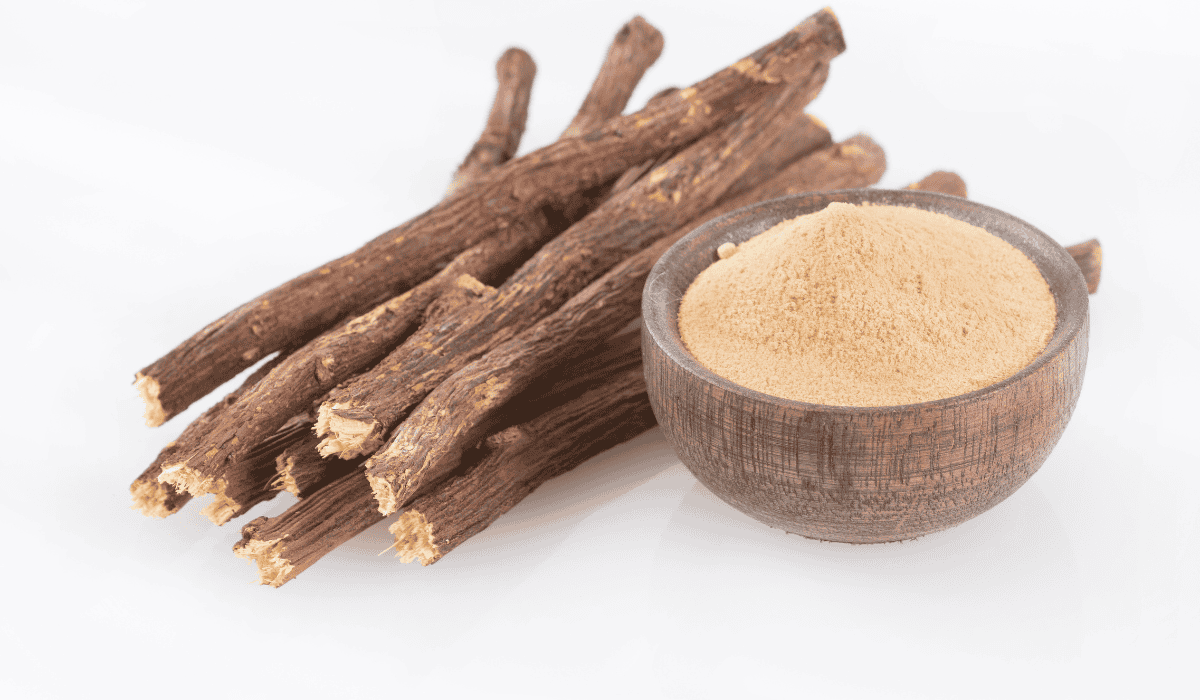
Licorice is obtained from the roots of the plants Glycyrrhiza glabra and Glycyrrhiza uralensis, and has known health benefits for digestion and acid reflux. Licorice acts by increasing the mucus production that protects the lining of the esophagus, thus preventing irritation. The magic ingredients that provide these soothing effects are saponins and flavonoids.
However, there’s a catch.
Consuming licorice in excess or taking it for a long time can cause a hormonal condition called hyperaldosteronism. In this condition, your body tends to produce high levels of aldosterone, a hormone that keeps a check on your salt and potassium levels and even your blood pressure. So, you can retain salt in your body, lose potassium, and develop high blood pressure and other metabolic disorders as a result.
In order to tackle the side effects like high blood pressure and fluid retention, glycyrrhizin is removed from the licorice root, making it deglycyrrhizinated licorice or DGL. Supposedly, it is an effective and safer option than regular licorice.
Let’s understand if DGL is worth the hype or not.
Pros & Cons of Using DGL for Reflux
Pros
- Has an anti-inflammatory effect, soothing the irritated mucosa and alleviating acid reflux.
- Promotes blood supply to the damaged mucosa and increases mucus production.
- Extends the lifespan of your intestinal cells, thus preventing ulcer formation in the future.
- Available over-the-counter in the form of lozenges, capsules, and extracts.
Cons
- Doesn’t inhibit acid production, so it might not give you immediate relief.
- Not regulated by the Food and Drug Administration (FDA).
- May still have harmful effects, depending on its quality and composition.
- Not enough studies to confirm the safety and reduction in side effects of DGL.
- Serious side effects like irregular heartbeat can occur in the presence of even small amounts of glycyrrhizin.
- Can be risky if you have high blood pressure, heart or kidney conditions.
How Did We Choose Our Top Five?
To shortlist trusted and safe alternatives for DGL, I assessed the following aspects:
- Natural and non-drug alternatives
- Mode of action
- Clinical and pre-clinical studies performed
- Access and availability
- Reported side-effects
Let’s discuss our top five DGL alternatives in detail in terms of these selection criteria.
Best DGL Alternatives for Reflux
1. Melatonin
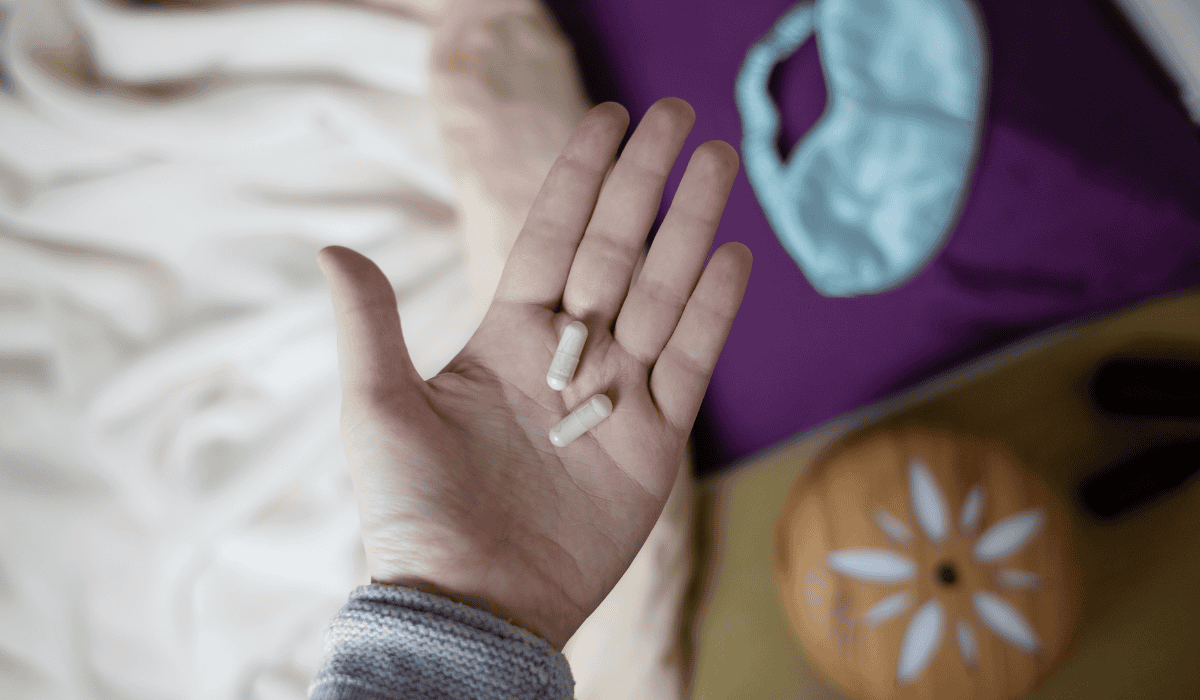
What and how? Melatonin is a hormone produced in our brain and performs several functions, including the regulation of our sleep and body clock. Melatonin is also produced in small amounts in your gastrointestinal tract and can protect your stomach and esophagus. It can work against acid reflux by increasing your blood flow, reducing acids, and strengthening the lower esophageal sphincter (LES), protecting the esophagus from potential damage, and controlling acid reflux.
Pros: While other sedative drugs tend to reduce our body’s natural responses against acids during sleep, melatonin is different. Studies in animal models have confirmed that melatonin protects our esophagus by inhibiting exposure to acids, increasing our pain-bearing threshold, promoting sleep, and easing our GERD symptoms.
Cons: Can give you drowsiness, headache, and upset stomach. Even though melatonin shows promising effects in animal models, it was less effective than PPIs in humans, thus needing further studies to confirm the results.
2. Slippery Elm
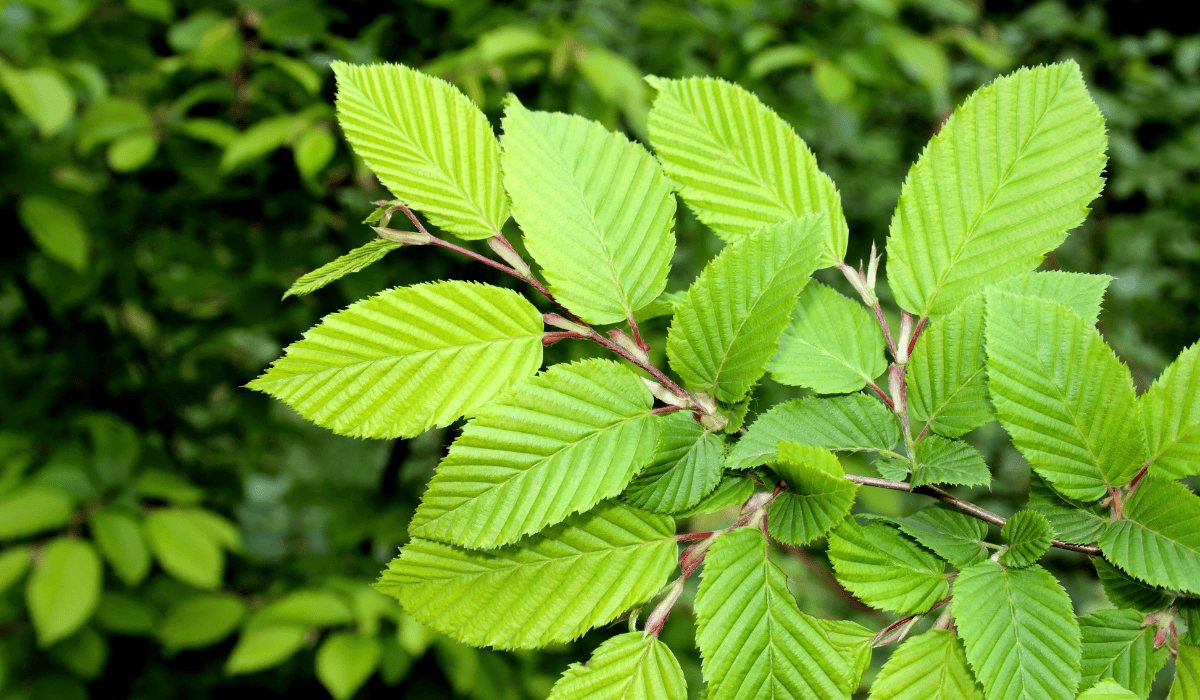
What and how? Slippery elm is a slimy or mucilaginous substance obtained from the bark of a tree called Ulmus rubra, and is widely used for traditional medicines. The slimy mucilage is made up of large sugar molecules and can form a thick gel, protecting the lining of your digestive tract from acids. It is available as teas, lozenges, or even supplements for treating your digestive problems, including acid reflux.
Pros: Studies have confirmed the efficacy of slippery elm in alleviating heartburn and indigestion in people, reducing their dependency on PPIs. It even helped people to start eating foods that would have earlier triggered GERD symptoms.
Cons: Slippery elm is usually tested as multi-ingredient formulation, so its individual effects need to be studied and verified. People often report intestinal pain and headaches after taking slippery elm.
3. Marshmallow Root
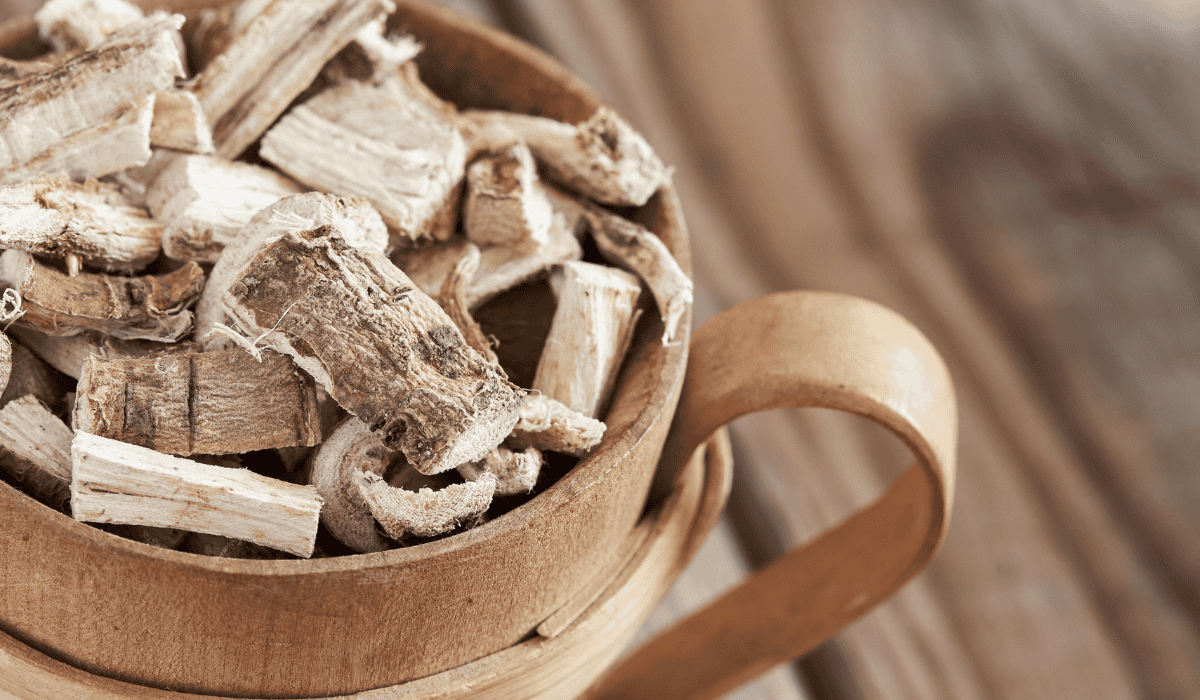
What and how? Althaea officinalis, or marshmallow, is a medicinal plant with mucus-protecting effects. Marshmallow root is rich in polysaccharides that can form a mucus-like protective layer on your damaged tissues and reduce acid reflux. In a way, it’s similar to slippery elm. The anti-reflux effects of marshmallow are due to flavonoids and antioxidants that lower inflammation and increase your protective enzymes, protecting your stomach lining.
Pros: Apart from protecting you from stomach acids, it has anti-inflammatory and immune-modulatory effects. It’s natural and mild, like the other DGL alternatives.
Cons: Most of the studies have been done in animals, so limited evidence exists when it comes to its efficacy in humans. If you’re on medication, there could be potential drug interactions.
4. Alginate therapy (raft-forming agents)

What and how? Alginates are natural, complex carbohydrates derived from seaweed. When alginates come in contact with our stomach acids, they form a gel-like raft structure that acts as a floating barrier. This barrier prevents the acids from reaching our esophagus, thus preventing acid reflux episodes.
Reflux Gourmet offers a chemical-free first line of treatment for acid reflux. You can take them any time before, after, or with your meals. Unlike antacids, they don’t leave you nauseated and pukish. Available easily in the form of gel and gums with different flavours, they are also effective for appetite control and weight loss. In short, it’s great value for the money.
Pros: Research has shown that alginates are more effective than antacids, as they are natural and free from side effects. For those with gastroesophageal reflux disease (GERD) without the usual symptoms or esophageal damage, alginates are more effective than proton-pump inhibitors (PPIs). Alginates are suitable even for children, lactating mothers, and pregnant women. Most importantly, they are Generally Recognised As Safe (GRAS) by FDA for food application as well as for over-the-counter treatment for GERD. This makes alginate therapy a better and safer option for acid reflux.
Cons: Not for those who suffer from kidney disease, and some might feel bloated or constipated.
5. Lifestyle and Dietary Changes

What and how? If you have mild symptoms of acid reflux, the first advice will be to make lifestyle changes. Eating dinner 2-3 hours before your bedtime, controlling your portion size, avoiding trigger foods, regular exercise, and adjusting sleep position are some examples.
For more details on lifestyle changes, read here.
Pros: Making healthy changes in your lifestyle and diet improves your overall health, and not just your reflux symptoms. Research shows that fast eating, eating beyond fullness, and preference for spicy or hot foods are the strongest lifestyle factors linked to GERD symptoms. Even the most popular medications for acid reflux, PPIs, work better with lifestyle changes such as losing weight and stopping smoking.
Cons: There are no real cons to making lifestyle and dietary changes for acid reflux, as they improve your general well-being, while managing your symptoms.
Final Thoughts
Most effective treatment options for chronic GERD are proton pump inhibitors (PPIs) or H2-Receptor Antagonists (H2RAs). They relieve symptoms by suppressing acid, but they don’t necessarily address the underlying issues. Moreover, long-term use of PPIs and H2RAs is associated with nutrient deficiency, altered gut health, increased risk of bone fractures, infections, and kidney and cardiovascular problems. While H2RAs are better than antacids, they can lose their effectiveness over time.
Reflux is not always due to GERD. There’s something called non-erosive reflux disease (NERD) with symptoms similar to GERD, except that the esophagus is very sensitive to both acidic and non-acidic reflux, and there’s no visible damage to the esophagus. PPIs are not effective against NERD-type reflux.
So, the need for better and safer alternatives is real.
Licorice or DGL can work wonders for NERD and GERD by increasing mucus production, blood flow, and providing a better barrier protection against reflux (acidic or non-acidic). It’s not a quick fix for reflux as it doesn’t inhibit the acid and has to be combined with PPIs and H2RAs, if needed. Since the formulations of DGL are not regulated by FDA, even a small amount of glycyrrhizin present in DGL can cause high blood pressure, fluid retention, and other metabolic disorders (reported in studies).
This is where alginate therapy can come to your rescue. It is clinically proven (tested in humans) to be more effective than antacids, providing a protective barrier to prevent your acids from reaching your esophagus. Reflux Gourmet offers alginates in the form of gel, gums in different flavours, and can be taken before, after, or with meals. They can be combined with PPIs or H2RAs.
All symptoms are different and need to be addressed accordingly. For chronic symptoms, consult a doctor before starting any plant-based or herbal alternatives to avoid any potential complications.
Related Posts:






Neha Rai is a PhD-trained scientist with extensive experience in both academic and industrial research, as well as science education. As a medical writer, she creates SEO-friendly, clear, and evidence-based content. She is passionate about making complex health information accessible and promoting health equity.