

If you get heartburn or reflux, you already know it doesn’t always match what you ate. You can have a meal that seems completely “safe,” then feel burning in your chest, or wake up with a sour taste and a scratchy throat and wonder what happened overnight.
PPIs (proton pump inhibitors) can be the right tool, especially during flares when symptoms are frequent, or when there’s documented irritation/inflammation. ACG guidelines support an 8-week trial of a once-daily PPI taken before a meal for classic symptoms when there are no alarm signs (ACG Clinical Guideline). If your symptoms are mild, intermittent, or mostly tied to timing and position, there are also solid non-PPI strategies that help many people.
Below is a “best of” list of realistic options, alternatives to PPIs, by the most common patterns I see: after meals, at bedtime, and during stress-heavy weeks.
Topic Contents
First: When reflux deserves a check-in
Most heartburn isn’t an emergency, but there are a few situations where it’s better to stop experimenting at home and get assessed.
If reflux comes with trouble swallowing, pain with swallowing, vomiting that won’t quit, black stools/GI bleeding, unintentional weight loss, or anemia, it’s time to talk to a clinician. Those symptoms often prompt further evaluation (sometimes including an upper endoscopy).
And if you’re having new, severe, or squeezing chest pain, don’t assume it’s reflux. Get urgent help until someone rules out heart-related causes.
Best overall foundation: Meal timing + reducing pressure
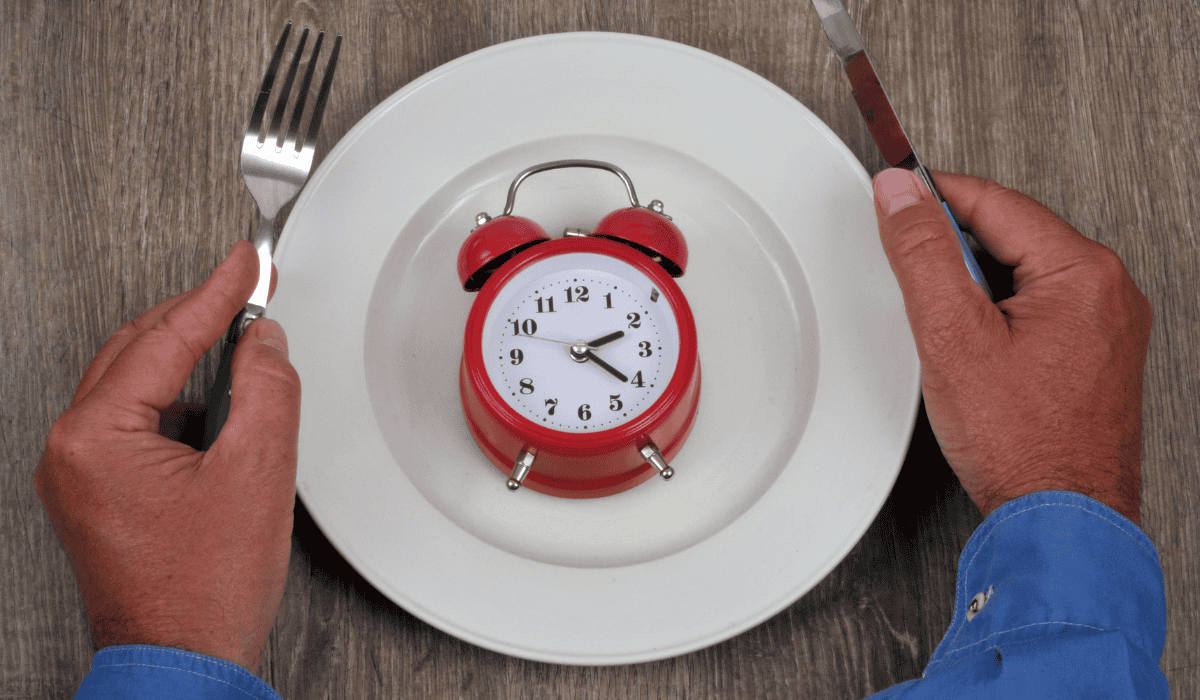
This part sounds simple, but it’s often the difference between “mostly fine” and “miserable at night.”
Reflux tends to flare when the stomach is fuller and when you’re lying down or compressed at the waist. The classic setup is dinner, then the couch, then bed, especially if the meal was big and late.
If you want the simplest two-week experiment, start here:
- Finish eating 2–3 hours before bed.
- Keep dinner smaller than your daytime meals (even temporarily).
If smaller dinners feel impossible at first, start by shaving off 10–15% and see if nights improve. You’re not trying to live like this forever; you’re trying to change the pattern.
Best after-meal, non-PPI option: Alginate “raft” therapy (Reflux Gourmet)
If your reflux is the “it hits after meals” or the “lying down flips the switch” kind, alginates are one of the most practical non-PPI tools.
What this looks like is: alginate products form a gel-like barrier (“raft”) that sits on top of stomach contents and helps reduce backflow into the esophagus (great overview here: Cleveland Clinic — Alginates for GERD). Evidence reviews suggest alginate therapies can improve GERD symptoms compared with placebo or antacids in many comparisons (Leiman et al., 2017 meta-analysis — full text).
Reflux Gourmet is an alginate-based option sold in the U.S. It uses the same raft approach. Many people use it after meals and before bed, since those are common reflux windows.
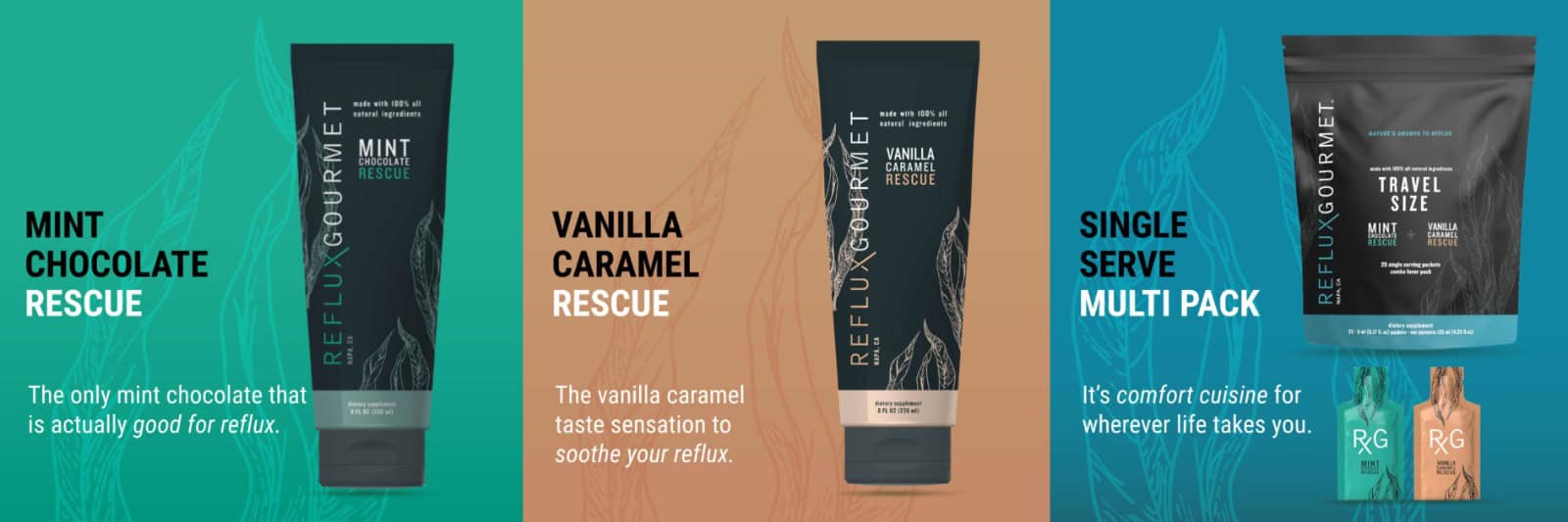
A couple of quick label realities that matter:
- Sodium alginate is listed under FDA regulations as a direct food substance affirmed as GRAS for certain uses (see 21 CFR §184.1724 and the FDA GINAS listing). That helps explain why it’s widely used, but it’s not the same thing as an FDA-approved drug claim for treating GERD.
- Some reflux and antacid products include sodium salts. If you’re on a sodium restriction (or managing heart failure, uncontrolled blood pressure, or kidney disease), check labels and ask your pharmacist what fits best.
If you’re stepping down from a PPI after longer use, some people use an alginate barrier as a short-term bridge for breakthrough symptoms. However, if you’ve been on a PPI for months or years, it’s worth discussing a taper plan with a clinician.
Best for nighttime reflux: Elevate your torso (not just your head)
Nighttime reflux can feel confusing because your daytime habits can be pretty steady, and nights are still rough.
Elevation helps most when it lifts your upper body, not just your head. Stacking pillows often puts you in a bent position that can add pressure at the waist — and MedlinePlus specifically notes extra pillows may not help (MedlinePlus patient instructions).
What tends to work better for many people is a wedge pillow or bed risers under the head of the bed. If you’ve tried a pillow stack and it didn’t help, you didn’t do it wrong — this is just one of those things that often needs a different setup. (Evidence review: Head-of-bed elevation systematic review (2021))
Best sleep-position tweak: Left-side sleeping

If you’ve noticed that reflux feels worse on your right side, that’s a common pattern. Research reviews suggest left-side sleeping is associated with reduced nocturnal reflux and improved quality of life in GERD (2023 systematic review/meta-analysis — full text).
You don’t have to force it all night. Even starting on your left side can be a useful experiment. And if your shoulder hates it, don’t fight your body; use a body pillow or focus more on bed elevation instead.
Best “pharmacy aisle” quick relief: Antacids (used as backup, not the whole strategy)
OTC antacids can be genuinely helpful for occasional symptoms. If it’s once in a while, that can be all you need.
If you’re using antacids most days, especially to sleep, it usually means you need a steadier baseline plan (timing, elevation, and possibly an alginate barrier), and it’s also a good time to check in with a clinician so you’re not managing frequent GERD indefinitely without reassessment.
US label note (because this varies a lot by country and product type): Gaviscon Extra Strength chewables (U.S.) list aluminum hydroxide and magnesium carbonate as active ingredients, with alginic acid listed as an inactive ingredient (see the DailyMed label).
Also, antacids can interfere with the absorption of some medications (thyroid meds and certain antibiotics are common examples). If you take daily prescriptions, ask a pharmacist about spacing doses.
Best “stronger than lifestyle, but not a PPI”: H2 blockers
H2 blockers reduce acid by blocking histamine-2 receptors in the stomach. They can be useful when symptoms are frequent enough that you want something more consistent, especially for nighttime reflux, but you’re not aiming for a full PPI approach.
One U.S. nuance: on November 24, 2025, the FDA announced approval of a reformulated ranitidine tablet after review of prior NDMA impurity concerns (FDA announcement). Availability may vary, and it won’t be appropriate for everyone, so this one is worth asking a pharmacist or clinician about.
If you’re pregnant, on multiple medications, or managing kidney/liver disease, it’s especially worth getting guidance before you make acid meds a long-term routine.
Best diet approach: A trigger audit (and a realistic carb trial if pressure is part of the story)
Reflux diet advice online often turns into a miserable list of “never again” foods. In real life, triggers are individual, and AGA guidance notes that avoiding late meals/foods/activities should be tailored to the individual (AGA guidance: Management of GERD).
A trigger audit looks like this:
You get reflux after tacos – but was it the spice, the portion size, the late timing, or the fact you ate quickly and then sat slumped for an hour?
You get reflux after coffee – but is it coffee every time, or coffee on an empty stomach, or coffee during a stressful week?

Common triggers people report include higher-fat meals, spicy foods, chocolate, coffee, tomato/citrus, carbonated drinks, and alcohol – but you don’t have to ban everything unless you’ve identified a repeat offender.
If bloating and pressure are a big part of your symptoms, a short, structured trial of reducing refined/simple carbs is one dietary angle with some evidence. A 2024 systematic review found low-carb diets improved some GERD outcomes, while also noting the overall dietary evidence is still limited, and better trials are needed (2024 meta-analysis — full text).
Best for gut support: Prebiotics first, fermented foods if tolerated, probiotics as an experiment
If you’ve ever tried a probiotic and felt worse, you’re not alone. This space gets oversold, and reflux isn’t a simple “take this, and you’re done” situation.
Fiber and prebiotic-rich foods can support overall digestion, and in some people, that reduces constipation and bloating-related pressure, which can make reflux calmer. Prebiotics are ingredients your intestines can’t fully digest (examples include certain starches, inulin, and pectin), and they tend to be plentiful in high-fiber foods (Harvard Health — prebiotics overview). The part people miss is how fast they ramp it up: increase fiber too quickly, and gas/bloating can spike, which can make reflux feel worse. Go slowly.
Fermented foods (yogurt with live cultures, kefir, sauerkraut, kimchi) can be a gentler starting point if you tolerate them.
If you try a probiotic supplement, treat it like a short test: one product at a time, for a few weeks, stop if symptoms worsen. NIH’s NCCIH notes possible harms (rare infections, harmful byproducts, antibiotic resistance gene transfer) and also notes that product contents don’t always match labels (NCCIH — Probiotics: Usefulness and Safety).
Best for stress-linked reflux: A small downshift that happens most nights
Stress doesn’t cause GERD all by itself. But it can change eating speed, sleep, muscle tension, and how sensitive the esophagus feels. That’s why reflux can flare during high-stress weeks even when meals look the same.
The most useful version of stress support is small and repeatable: a 10-minute walk after dinner, slowing down the last few bites, nasal breathing for a minute or two in bed, or a protected half hour at night where you don’t do emotionally activating admin. This isn’t about building a perfect routine. It’s about doing one small thing consistently.

Putting it together: A simple step-down-friendly reflux plan
If you want a plan that doesn’t revolve around staying on a PPI forever, build it in layers.
Start with timing and pressure (earlier meals, smaller dinners, upright after eating). If nights are the problem, add elevation and left-side sleep. If symptoms spike after meals or at bedtime, a barrier approach is often the most direct “mechanical” option – and this is where Reflux Gourmet fits for many people.
Use antacids as backup for occasional breakthrough symptoms, not as the whole strategy. If symptoms are still frequent, talk with a clinician about whether an H2 blocker or a short PPI course with a clear step-down plan makes sense.
And if alarm symptoms show up – trouble swallowing, GI bleeding/black stools, weight loss, persistent vomiting, anemia – don’t keep experimenting. Get checked.
Related Posts:






Danielle (Dani) Mathieu is a health and medical writer who works with global health and wellbeing businesses to deliver insight-driven, research-backed content at the intersection of psychology and nursing. She has 18+ years of experience in communications, holds an MA in Psychology, and is currently studying for an MSc in Adult Nursing.
Dani is happiest when she’s translating complex health and nutrition science into plain-English stories that feel genuinely useful without being overwhelming. When she’s not juggling clinical placements on the ward, she’s usually writing. She lives on the Scottish coast, loves a cold sea breeze, and is often accompanied by a very opinionated dog.