

If you own an Oura Ring, you might be familiar with the experience of waking up, opening up an app, and checking your sleep, readiness, and activity scores from the previous night.
Your Oura gives you a highly accurate map of your night, but navigating that map can require specific, targeted actions. Pushing your score from the mid-70s into high 80s (or even 90s) takes more than just going to bed early; your sleep environment, circadian timing, stress load, and thermal regulation all influence the metrics Oura tracks.
If you’d like to optimize your score, keep reading for 10 things you can do to help improve your sleep and readiness scores. We’ll cover the environmental changes, behavioral rhythms, and active interventions that help you get higher Oura scores.
10 Actionable Tactics for Better Sleep
1. Temperature: Cooling Down
Your core body temperature needs to drop by about 2–3°F to initiate sleep and stay in deeper sleep stages. You’ve probably noticed this yourself on hot nights when you keep waking up or tossing around trying to find the cool side of the pillow.
Studies have shown that 68-77°F can help promote efficient, restful sleep. There are several ways you can lower your body temperature.
Fans and air conditioning units help cool the room, but they do not do much for the heat trapped underneath your blankets. That “microclimate” around your body is often what actually disrupts deep sleep and raises overnight restlessness.
This is why a lot of Oura users experiment with active cooling layers instead of relying only on ambient air. Systems like Eight Sleep can regulate the temperature of the bed itself throughout the night, adjusting based on factors like sleep stage, room conditions, and body temperature trends.
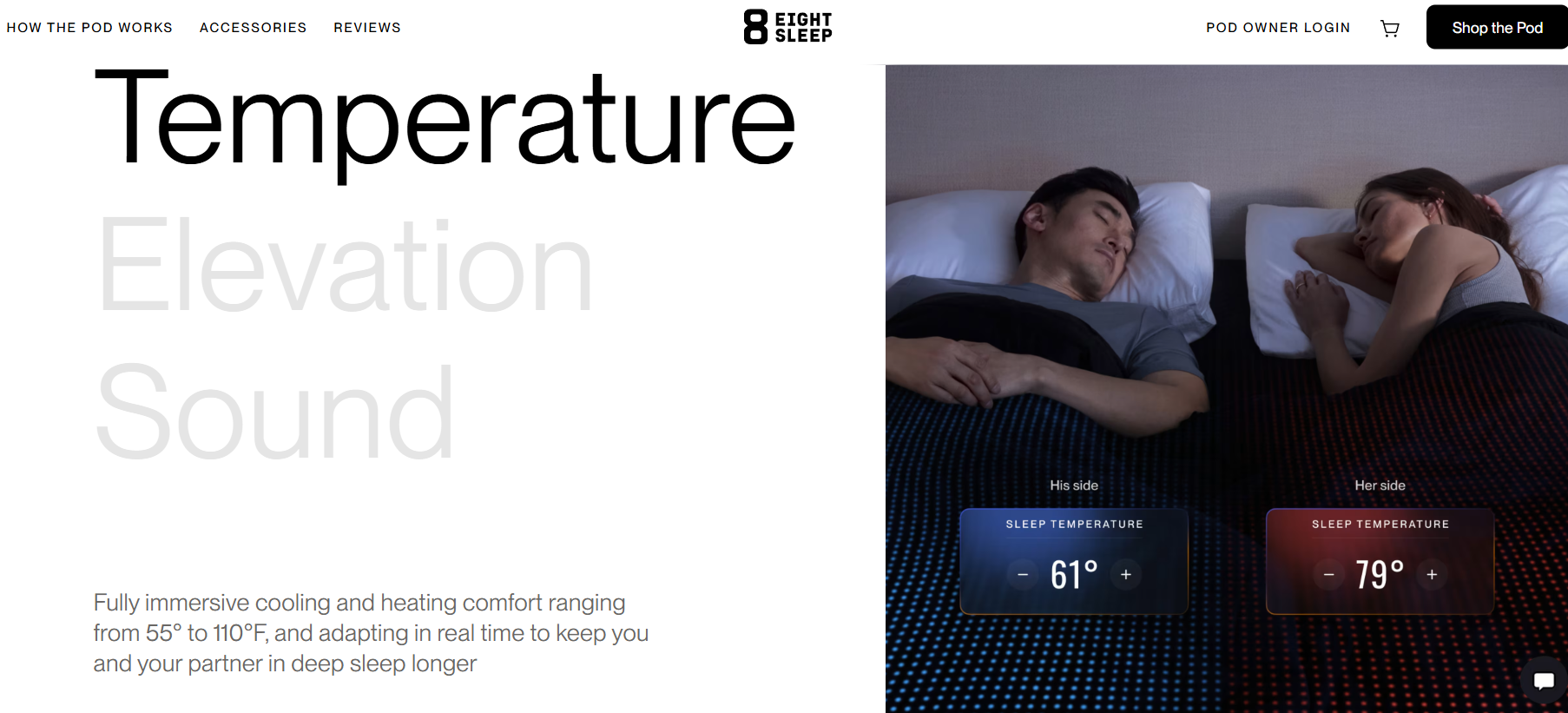
These systems can create a more active recovery setup for people already tracking metrics like HRV, resting heart rate, and sleep latency with Oura. Even small reductions in overnight overheating can noticeably improve restfulness and deep sleep consistency over time.
2. Create a Comfortable Sleep Environment
The quality of your bedding, mattress, and pillows all play an important role in your sleep quality. A supportive mattress tailored to your sleep position can reduce pressure points and reduce back and joint pain, while ensuring a restful night’s sleep.
Additionally, the material and firmness of your pillow help you maintain proper spinal alignment and neck support, helping prevent stiffness and discomfort.
Bedding materials, like the sheets and comforters, can also help with sleep regulation and skin comfort. Using breathable, moisture-wicking fabrics help prevent overheating, while softer materials can provide you with a sense of coziness and relaxation.
3. Light: Blocking Out the Noise
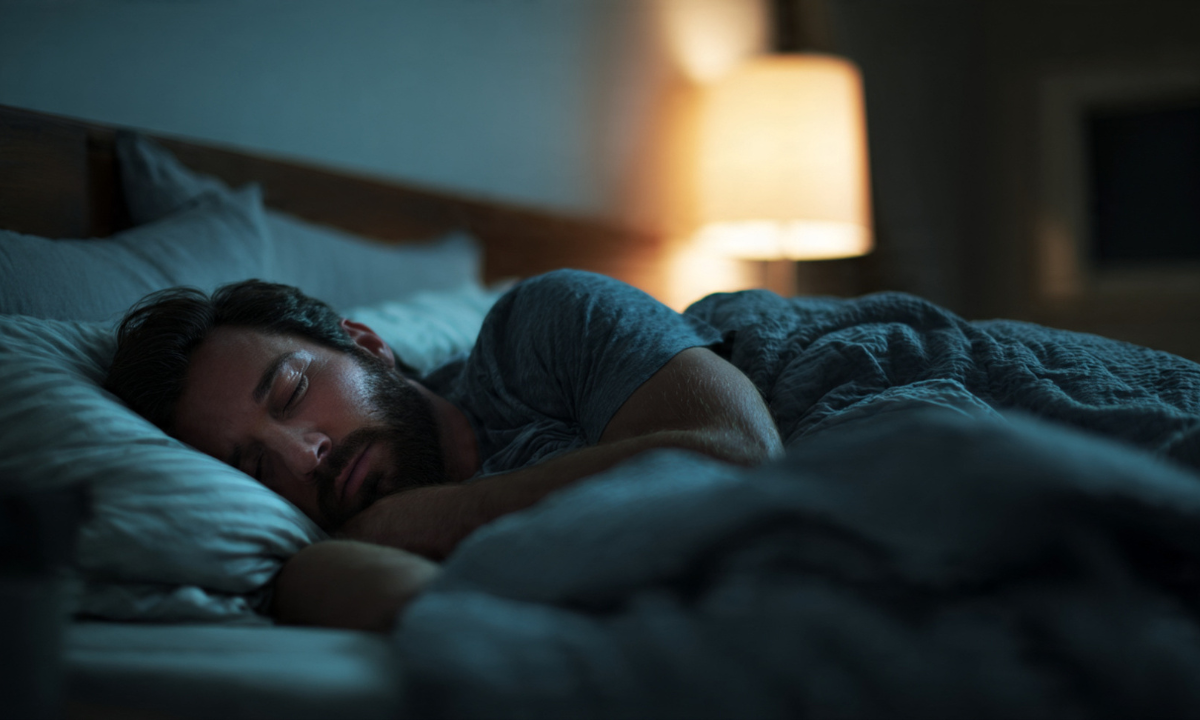
Light is the primary synchronizer of your circadian rhythm, your body’s internal clock. Exposure to light can suppress melatonin, which might delay sleep onset and fragment your rest (you know how important restfulness is in the sleep score).
So, to build a true sleep sanctuary, consider investing in high-quality blackout curtains that help block streetlights and early-morning sun. If you cannot get a blackout, try using an eye mask.
In the hours leading up to bed, you may want to swap your standard overhead bulbs for red light or warm light (yellow, not white). Red light does not disrupt melatonin production the way blue or bright white light does.
Many biohackers place red light bulbs in their bedroom to create a sunset-like environment that signals the brain that it’s time to wind down.
4. Sound: Silence or Soothing?
Hearing noises throughout the night can cause micro-awakenings, and while you may not remember them, your Oura will definitely detect them. For complete silence, custom-molded silicone earplugs are highly effective and comfortable for side sleepers.
However, if you don’t like sleeping in complete silence, you can try using ambient noise to help mask background sounds like traffic or noisy neighbors while still giving you a sense of peace.
5. Consistency Is Key: Keeping a Strict Schedule
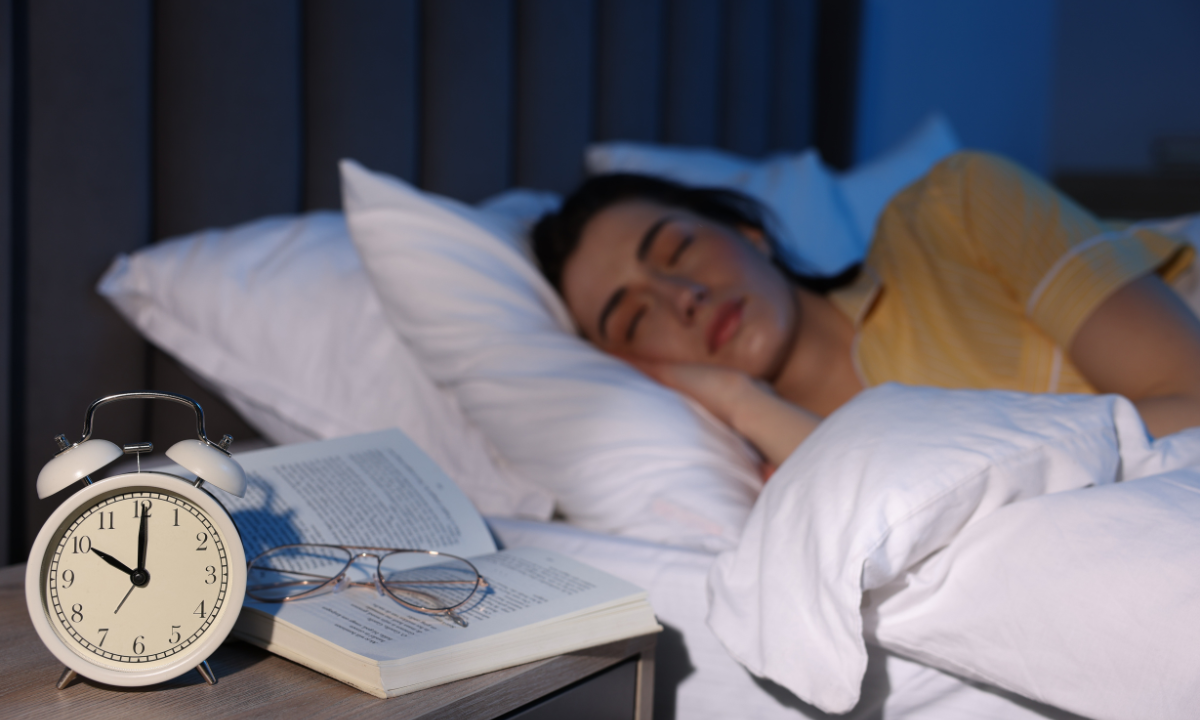
Going to bed and waking up at the exact same time every day stabilizes your circadian rhythm. Your body anticipates sleep, starting the necessary hormonal cascades right on schedule.
In its algorithm, Oura gives a lot of value to sleep timing and consistency. A solid eight hours of sleep from 2 am to 10 am is often going to lead to a lower score than seven hours of sleep that’s perfectly aligned to your biological bedtime.
6. The Wind-Down Routine
The brain requires a proper slowdown routine, and if you spring through your day, go to bed, and expect to fall asleep immediately, Oura will penalize your latency.
Try to implement strict screen time rules at least 60-90 minutes before bedtime. Blue light from phones and televisions mimics daylight, tricking your brain into staying alert. Replace doomscrolling with analogue activities like reading a physical book (or an electronic device designed for reading), or doing light stretching.
Relaxation techniques directly lower your heart rate and increase your HRA, two metrics Oura tracks closely. Trying meditation, a relaxing yoga routine, practicing aromatherapy, or box breathing help shift your nervous system from fight-or-flight to a rest-and-digest state.
7. Fueling and Fasting for Sleep
What you consume and when you consume it will determine how hard your body works at night.
While how fast your body absorbs caffeine varies from person to person, it usually takes roughly five hours for the caffeine to leave your system. That means a late-afternoon coffee is still active in your system at bedtime. For this reason, set a hard caffeine cutoff at 12 or 2 pm to protect your slow-wave sleep.
Alcohol can also contribute to poor sleep. Drinking can affect your REM sleep and elevate your resting heart rate. Make sure you avoid drinking any alcoholic beverages at least two hours before bedtime.
The timing of your meals also matters. Eating a hearty meal requires energy and can increase your body temperature. Try to finish your last meal three to four hours before bedtime to give your body enough time to digest.
8. Is Napping Good?
Naps can be an effective recovery tool, especially if you have an energy dip during the day. However, they can also sabotage your nighttime sleep.
If you are going to nap, keep them short (around 20-30 minutes) to avoid entering deep sleep. Waking up from deep sleep can cause sleep inertia, leaving you groggy for hours. Additionally, schedule naps early in the day; napping after 3 pm can decrease the natural sleep drive and affect how quickly you fall asleep at night (remember, Oura tracks how quickly you fall asleep or how long it takes).
9. Exercise Timing: The Best Time to Move Your Body
Regular physical activity increases your total sleep time and the quality of your deep sleep. However, timing matters.
Vigorous exercise elevates cortisol and body temperature. Completing a heavy weightlifting session or a high-intensity interval training right before bed will keep your heart rate elevated well into the night, affecting your recovery scores.
Try to schedule intense workouts for the morning or early afternoon. If you need to move it in the evening, stick to low-intensity activities like yoga or doing a slow walk.
10. Supplements That May Help

While not necessary, some supplements can improve your sleep. Magnesium glycinate can help regulate neurotransmitters that are directly related to sleep and muscle relaxation.
L-theanine, an amino acid you normally find in green tea, can also help promote relaxation without making you feel drowsy. Ashwagandha, an adaptogen, can help reduce stress and the effects of cortisol on your body, helping you feel relaxed before bed.
Make sure you always consult with a healthcare professional before adding a new supplement to your routine. They can determine if it’s the right supplement for you based on your goals and needs.
Checking Your Data: Insights into Action
While Oura can provide you with detailed data, it can become useless if you ignore the feedback loop it provides.
Spotting Trends: What’s Working, What’s Not
While one night gives you plenty of information, make sure you are taking a look at the bigger picture: your weekly and monthly trends. Oura makes it easy to see how your baseline resting heart rate and HRV fluctuate (you can also add tags to check patterns).
For example, did your HRV drop for three consecutive days? Look at your inputs. Maybe you ate late dinners or pushed your bedtime back by a couple of hours. Identifying these patterns allows you to correct course before sleep debt accumulates.
Experimenting, One Variable at a Time
The biggest mistake people make is changing five things all at once. If you buy blackout curtains, start taking magnesium, and use an intelligent sleep system in the same week, you will not know which intervention caused your score to improve.
Change one variable at a time, track the data you receive for at least five to seven days, and check the results. Doing so can help you build a sleep stack tailored to your specific needs.
A Pathway to Better Sleep
Achieving an optimal Oura score is an ongoing process of refinement that requires aligning your bedroom environment, daily habits, and active interventions with your natural biological rhythms.
Start by mastering the basics: keeping a consistent sleep schedule and blocking out disruptive light and sound. From there, manage your temperature with a system like Eight Sleep, cut off caffeine early, and experiment with targeted supplements (under medical guidance).
Let the Oura app guide your changes and determine if they are working to your benefit. Over time, these focused adjustments will help transform your sleep, leading to better recovery, sharper focus, and consistently high sleep and readiness scores.
Related Posts:






Brenda Peralta is a Registered Dietitian Nutritionist and Certified Diabetes Educator with over a decade of experience in clinical nutrition, health coaching, and evidence-based wellness. She specializes in weight management, metabolic health, diabetes care, and sustainable lifestyle changes. Brenda breaks down complex nutrition science into clear, practical guidance that helps readers make informed choices to improve their health.