Sleep scores are no longer just wellness metrics. For athletes and recovery-focused wearable users, they can act as a shorthand for how well your nervous system has recovered overnight.
Whether you’re using Garmin, WHOOP, Oura, Apple Watch, or a smart bed like Eight Sleep, the underlying recovery signals are broadly similar: heart rate variability (HRV), resting heart rate (RHR), temperature regulation, sleep continuity, and autonomic stress.
The good news is that improving these metrics usually comes down to a handful of high-leverage behavioral and environmental changes.Some of the most effective include:
- Temperature regulation: Active cooling systems can reduce overnight thermoregulatory strain, helping lower physiological stress and stabilize heart rate during sleep.
- Strategic eating and hydration: Meal timing, alcohol intake, and hydration status can all influence overnight HRV and resting heart rate.
- Sound masking: Brown noise, pink noise, fans, and other sound-masking approaches can reduce sleep fragmentation caused by sudden environmental noise.
Most wearable sleep scores are built around a combination of movement data (“actigraphy”) and autonomic nervous system signals like HRV and RHR. In practice, that means the biggest improvements usually come from optimizing sleep environment, recovery behaviors, and circadian consistency rather than chasing the data itself.
1. Environmental Optimization: Thermal Control
Let’s start with your sleep environment, one of the most consistent levers for improving sleep and sleep scores.
Easy Science: If you have a high core body temperature, it can result in restlessness and elevated heart rate as your cardio system tries to bring that internal temperature down.
Active Cooling
Dynamic cooling systems or cooling toppers can help to support a consistent skin temperature throughout the night. When you reduce how hard your body works to keep itself cool, it means deeper sleep and fewer disruptions.
Standard bedding acts as an insulator, trapping heat and leading to microclimate spikes. The Eight Sleep Pod is one example of bedding that can actively lower the bed’s temperature as you fall asleep. It uses “autopilot” features to listen to your heart rate and respiratory rate, making adjustments to the bed temperature in real time. Systems like these can prevent the rising core temperatures that lead to sleep disruptions and low sleep scores.
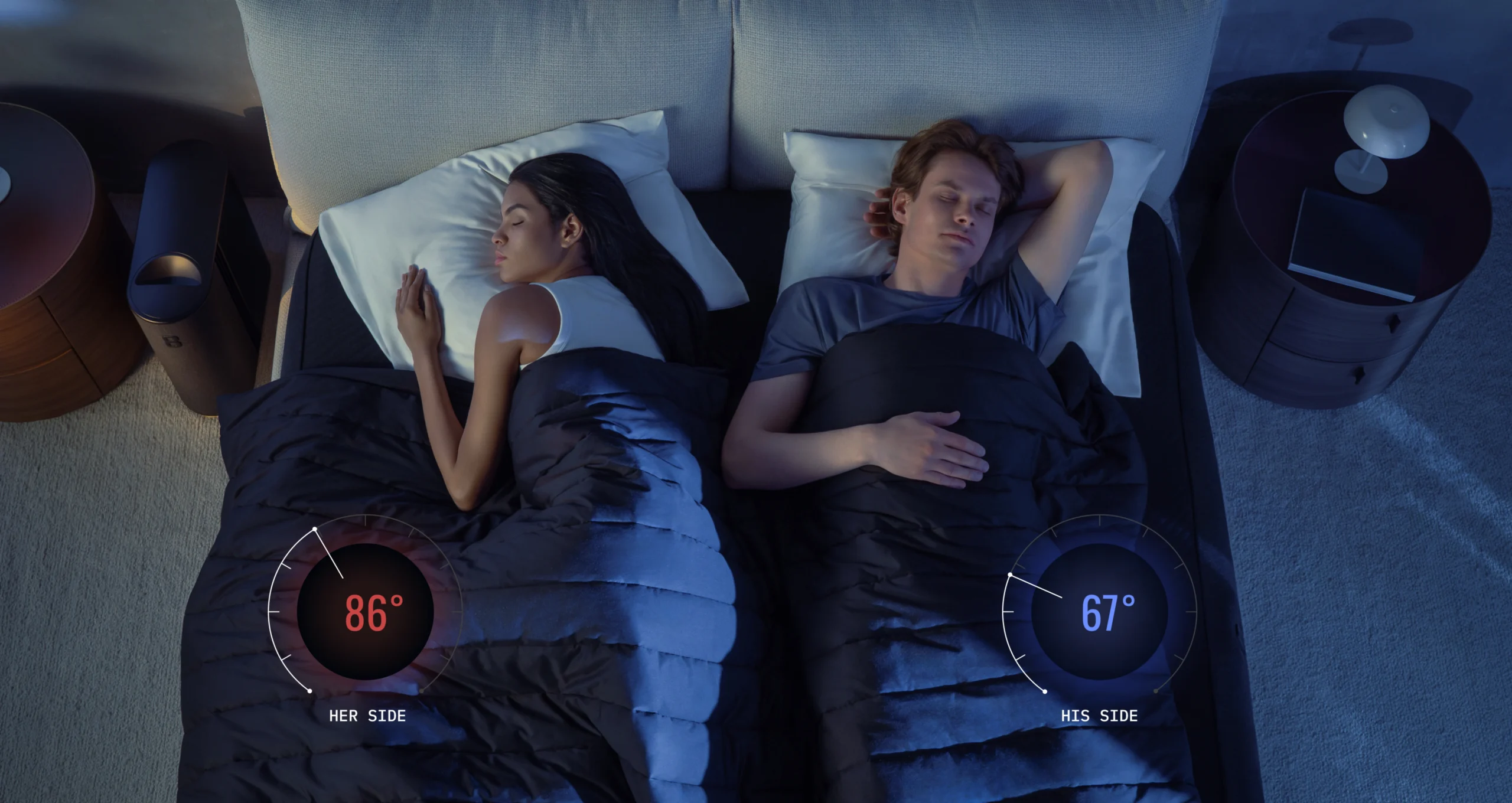
Notes for Athletes: This is especially important for endurance athletes where thermal control isn’t just about comfort but about high recovery sleep states. Endurance athletes need their body to drop its core temperature by around 2° F to initiate sleep and how quickly this temperature dump happens determines how quickly you get into the slow wave sleep cycle.
Ambient Range
Keep your room between 60–67°F (15–19°C). Research indicates that if you have mild increases in the ambient temperature, say your room goes above 75°, it leads to a measurable autonomic disruption.
The increase in your resting heart rate significantly reduces your heart rate variability and any wearable you have will interpret this as a high psychological stress factor leading to a lower sleep score. So do what you can to keep the temperature in your sleep space within that ambient range whether it’s with open windows, fans, or air conditioning units.
Other Tips
If you can’t use active cooling or change your thermostat just yet, there are still some things you can try.
- First, if you live in an area with high humidity, know that it will prevent sweat from evaporating; this is the most efficient way your body gets rid of heat, so get a dehumidifier or a fan to change the humidity indoors to 30-50%.
- Second, try taking a warm shower about one hour before bed. Even though the water is hot, as soon as you get out of the shower your body rapidly dissipates heat so your core temperature drops pretty dramatically which is exactly what you need before bed.
2. Behavioral Consistency: The Circadian Anchor
Wearables reward predictability, meaning you should aim to be predictable with your sleep behaviors.
Most scoring models penalize “social jetlag,” the delta between your weekday and weekend sleep times. This boost area is pretty easy to follow yet is often overlooked.
Have a Fixed Wake Window
Experts will attest that going to bed and getting up at the same time are the most important contributors to a good night’s sleep and a good sleep score. But really, the most important thing is when you get up.
The time you get out of bed effectively establishes your adenosine for the day, the chemical drive to sleep. So if you wake up at 6:00 a.m. Monday through Friday, but then wake up at 10:00 a.m. on Saturday and Sunday, your internal clock gets desynchronized and so does the wearable’s algorithm.
All of these wearable devices track social jet lag, so a shift in the time you wake up can lead to a lower sleep score because the devices detect that your RHR and HRV didn’t align with your normal sleep window.
An easy solution is to get up within half an hour of the same time, everyday, even weekends. Doing so will anchor your circadian rhythm and make sure that you have heart rate variability recovery on a predictable timeline.
Get Some Sun
As someone who knows a lot about seasonal depression, I can guarantee that getting some sun is well worth it. Just 15 minutes per day of direct sunlight can go a long way toward helping with vitamin D production.

I recently changed the window of time when I get my sunlight based on several studies as well as a New York Times Wellness article on the subject; turns out getting 15 minutes of direct sunlight shortly after waking helps to reset your cortisol melatonin loop and that leads to lower heart rate dips earlier in the night, something that most of your wearable devices will check regularly.
Now, I understand that this isn’t necessarily possible for everyone (and it really sucks in the winter), but I find myself waking up and meditating on the front porch with my coffee for 10 minutes before I start my day, even if that means I’m bundled up with a jacket and a blanket.
Other Tips
If these don’t work for you or you want some extra tips, try:
- Avoiding the trap of compensating for high midweek training volume by sleeping in on weekends because your score is going to stay in the yellow for devices like Oura and WHOOP if you do.
- Napping. Instead of changing your sleep time to sleep in on the weekends where you end up getting penalized via your sleep score, try a short nap during the day which can boost your daily score without actually disrupting your sleep score.
- Keeping your bedtime routine pretty similar as well, consistently going to bed at the same time (and avoid scrolling on your phone); instead try a similar pre-sleep routine where you do much the same thing every night whether it’s reading a chapter of a book, light pre-bed stretching, or listening to a guided meditation.
3. Recovery Protocols: The Autonomic Pivot
If you currently have a “Fair” score, but you are one of those overachievers even in your sleep time and you want to move to “Excellent,” you have to transition your nervous system from a sympathetic (stressed) to a parasympathetic (relaxed) state before your “official” sleep period begins. Remember that wearables don’t just track you if you’re asleep; they track how hard your heart works while you are asleep so you might get a really bad score because you had a low heart rate variability level with an elevated resting heart rate most of the night.
Fixing this takes a lot more concerted effort throughout the day being cognizant of things like when you eat, when you drink, and what exposure you have to blue light.
Eat Earlier

My top solution is eating your last meal at least three hours before you go to bed. I’ll be the first to admit that this is where I failed the hardest, like all the time. I will literally come in from gardening, help the kids with bedtime and homework, wrap up some of my extra work, and then have dinner approximately three minutes before I plan to pass out. And the entire time I’m eating there’s a voice in the back of my head screaming at me to be better at my time management.
So, for everyone who is not me, know that finishing your last meal at least three hours before you go to sleep gives you a dip early in the night for your resting heart rate, something that a lot of algorithms including Oura and WHOOP will reward.
Quit Drinking Before Bed
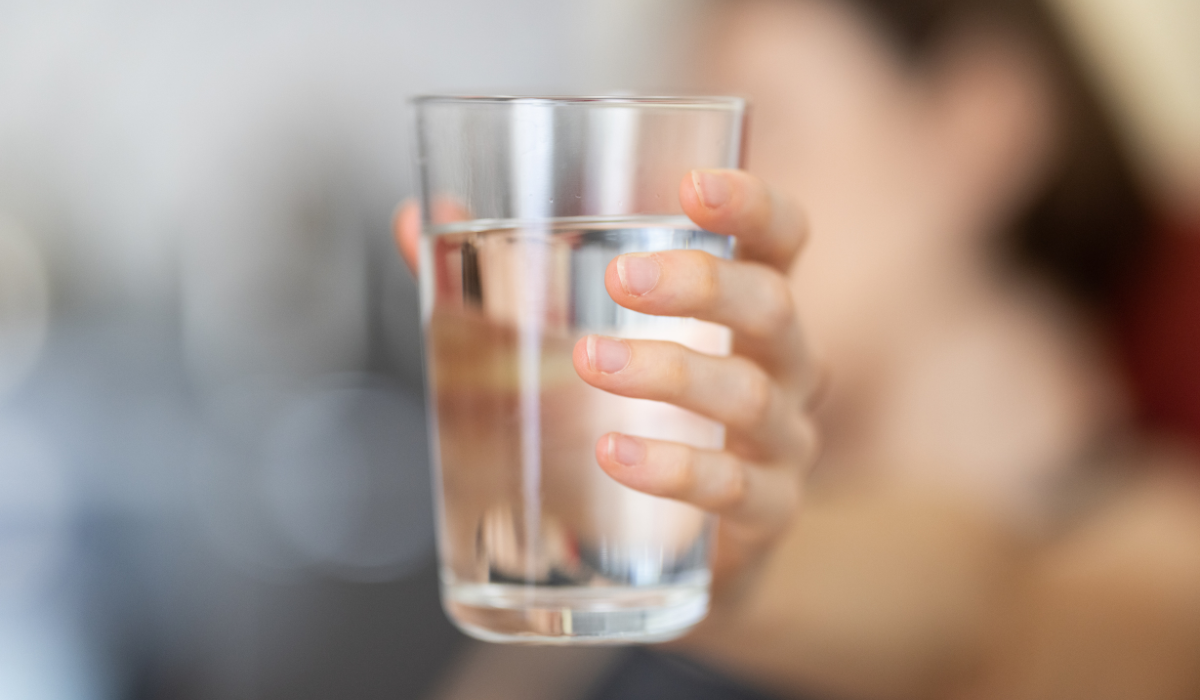
This actually goes hand in hand with my first recommendation which is to be aware of your hydration. This is also where I fail. It’s always the end of the night when I realize I’m dehydrated, I haven’t had enough to drink, and I pound an 8 oz glass of water right after my heavy meal, right before I pass out.
It is, therefore, no surprise to anyone reading this that I fall asleep like a rock and almost always wake up about 30 minutes to an hour later.
So, again, if you are not me, stop drinking fluids of any kind about two hours before bed to help minimize fragmentation.
Other Tips
There are a few other things you can do to move into that “Excellent” score.
- First, use a blue light blocking setup, whether on your television, on your laptop, your phone, or with the glasses you wear so that you don’t accidentally stop your melatonin production before bed.
- Second, start to trigger a parasympathetic response by using breathing techniques right before you go to bed like box breathing, which is where you hold your breath, exhale, hold at the bottom, and inhale for intervals of time. The more you practice this, the longer that number can be. This will physically lower your heart rate and increase your HRV in real time helping to reduce your stress score particularly during the first hour of sleep.
- Third, try some cognitive offloading where you reduce sleep fragmentation from micro stress by brain dumping all the things you have to worry about for tomorrow right before you go to bed. If you don’t, you’re probably going to keep waking up during that first critical hour of sleep with half-baked thoughts of all the things you still have to remember for tomorrow.
4. Active Interventions: Sound and Light Modulation
If you have a high stimulus environment, active interventions can mask the “noise” that wearables often misinterpret as poor sleep quality.
Sound Masking
The best thing you can do is some form of sound masking to prevent sudden spikes in your heart rate. These sudden spikes are often the result of an external sound, something in your environment that gets typically flagged as “awake time.”
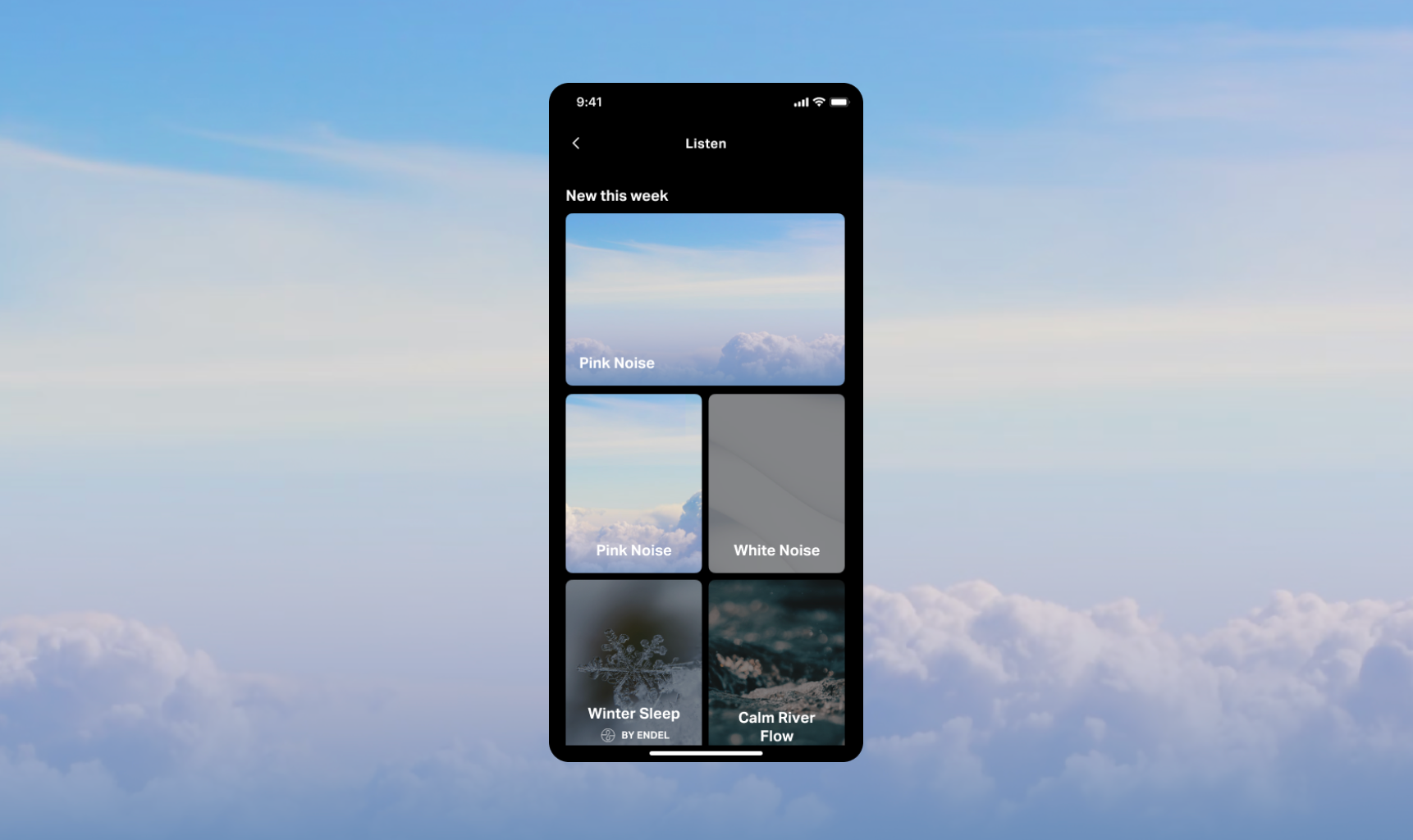
Eight Sleep Pod has several features that can help mask ambient sound like the natural sounds used to help you fall asleep that are emitted from the bed, as well as the automated technology that tracks ambient noise and makes adjustments to things like the angle of the head for yourself or a partner especially where snoring is concerned.
Other options are pink noise machines, white noise machines, or brown noise machines that can create some sort of consistent background noise that masks other noises like road noise, kids down the hall, or pet scrambling around.
Barring allllll of that, you can usually get away with an air conditioner or a fan that stays on low all night.
Blackout (Not that kind!)
My second solution in terms of an active intervention is to use blackout tools. This refers to things like curtains or barring that, a high quality eye mask. I use blackout eye masks that are very heavy duty so that if my partner is reading in bed next to me, I won’t be disturbed by the light. This leads to more deep stages of sleep instead of the light sleep stages to which Garmin and apple watches are increasingly sensitive.
Other Tips
Other options for active interventions include:
- Ear plugs especially if you have a very noisy environment, roommates, noisy neighbors, or live in a crowded area.
- Active cooling like a thermal environment controlled through sensors.
Summing Up
The highest-leverage ways to improve your sleep score are remarkably consistent across devices. Whether you’re using Garmin, WHOOP, Oura, Apple Watch, or a smart bed system, the same core recovery levers tend to matter most: environmental optimization, circadian consistency, lower overnight physiological stress, and fewer sleep disruptions.
That includes interventions like cooling the sleep environment, stabilizing sleep and wake times, reducing late-night stimulation, and using tools such as sound masking, blackout setups, or active temperature regulation systems like Eight Sleep alongside other light and thermal optimization strategies.
The important thing is not to overhaul everything at once. Start with one or two changes, then track how your sleep metrics respond over time. In most cases, sustainable improvements will come from consistent habits and recovery conditions, not from chasing perfect scores every night.