
You can put maximum effort into training (run farther, lift heavier, or log longer hours at the gym) but if your sleep setup is working against you, you won’t reach full benefits of your hard work.
Two factors matter most for restorative sleep: overall sleep quality and how well your body regulates temperature at night.
Training stresses the body, taxing the nervous system, tearing muscle fibers, depleting energy, and causing inflammation. Without enough high-quality sleep, stress accumulates, fatigue lingers, performance plateaus, and the risk of injury rises.
Every elite athlete understands that recovery and proper sleep not only feels good, but is a competitive advantage.
Comfort vs. Cool: Thermoregulation for Optimizing Sleep
When improving sleep for recovery, people often focus on consistent bedtimes, sufficient sleep duration, and avoiding caffeine, alcohol, and screens before bed. Environmental factors like lighting, room temperature, and mattress comfort also play a role.
Because mattresses are central to their sleep environment, many people assume it’s the most important factor for promoting sleep. And while a comfortable and supportive mattress certainly matters, sleep temperature and overall sleep quality are equally critical.
A mattress may provide excellent support, but if it traps heat and disrupts the body’s natural sleep cycles, it can undermine the recovery athletes rely on. Simply put: comfort helps you fall asleep, but thermoregulation sustains deep, restorative rest.
This understanding has prompted many athletes to shift focus from finding the “perfect mattress” to optimizing their entire sleep setup. A supportive mattress still provides a foundation for good sleep, but temperature-regulating systems (like those developed by Eight Sleep) enhance recovery by controlling sleep conditions.
Athletes Need Help Cooling Because They Sleep Hotter
When athletes go to bed before their body has fully cooled, sleep quality can suffer. A lot of athletes report common problems such as sleeping hot, waking frequently, or struggling to stay comfortable throughout the night.
Regular training typically increases basal metabolic rate (BMR), the energy expended at rest. A faster metabolism generates more energy and more heat. So, athletes tend to be warmer than average, even when not exercising.
Exercise also raises a person’s core body temperature, so after workouts, the body continues to produce heat as it gradually cools. This can last from 30 minutes to several hours. Which is why researching ‘best mattress for athletes’ is actually quite logical.
Thermoregulation: The Hidden Key to Better Sleep
Think of your body like a built-in thermostat.
As you get ready to sleep, your core temperature naturally starts to drop, signaling your body that it’s time to wind down. During the early stages of sleep (especially non-REM sleep) this cooling continues, helping you sink into the deep, restorative sleep your muscles and nervous system need to recover.
Things change during REM sleep, though. Your brain temporarily loses some control over your body temperature, which means your environment now plays a bigger role. If your room is too warm, your sleep can be disrupted, no matter how comfortable your mattress feels.
Keeping your sleep environment cool also encourages melatonin production, making it easier to fall and stay asleep. Most experts suggest aiming for a bedroom temperature between 60°F and 67°F. Small tweaks here can make a big difference in how rested and ready you feel the next day.
When your body can’t cool down effectively, you might notice it takes longer to fall asleep, your sleep cycles get interrupted, or you wake up more often during the night.
For athletes, this matters even more. Training generates extra heat, so helping your body cool off isn’t just comfortable, it’s essential for proper recovery.
Importance of Deep Sleep for Recovery
Every stage of sleep matters, but deep sleep (Stage 3 non-REM) is where your body really gets to work. This is when the body performs many of its most important restorative processes, including:
- Muscle healing and growth
- Energy renewal
- Nervous system recovery
- Cognitive restoration (focus, reaction time, decision-making)
Deep sleep and body temperature are closely linked. As your body cools, it naturally slips into these restorative stages.
Maintaining a cooler sleep environment may help:
- Reduce inflammation
- Improve muscle repair
- Lower cortisol levels
- Support tissue regeneration
Although sleep might feel passive, it is anything but. This is when your body performs some of its most important work, turning your training efforts into real gains.
Mattress Support Still Matters
While temperature plays a major role in sleep quality, your mattress must still provide proper support. For athletes, key mattress features include:
- Firmness
- Pressure relief
- Spinal alignment
- Responsive support
- Motion isolation
- Zoned and edge support
- Temperature control
Firmness
Mattress firmness is typically rated on a 1–10 scale. Most athletes benefit from medium-firm mattresses (around 6 to 7), which balance cushioning for joints with proper spinal support.
Body type can influence this preference:
- Heavier athletes may prefer firmer support (7 to 8)
- Broad-shouldered side sleepers may need slightly softer cushioning
- Lighter endurance athletes may prefer medium firmness
Pressure Relief
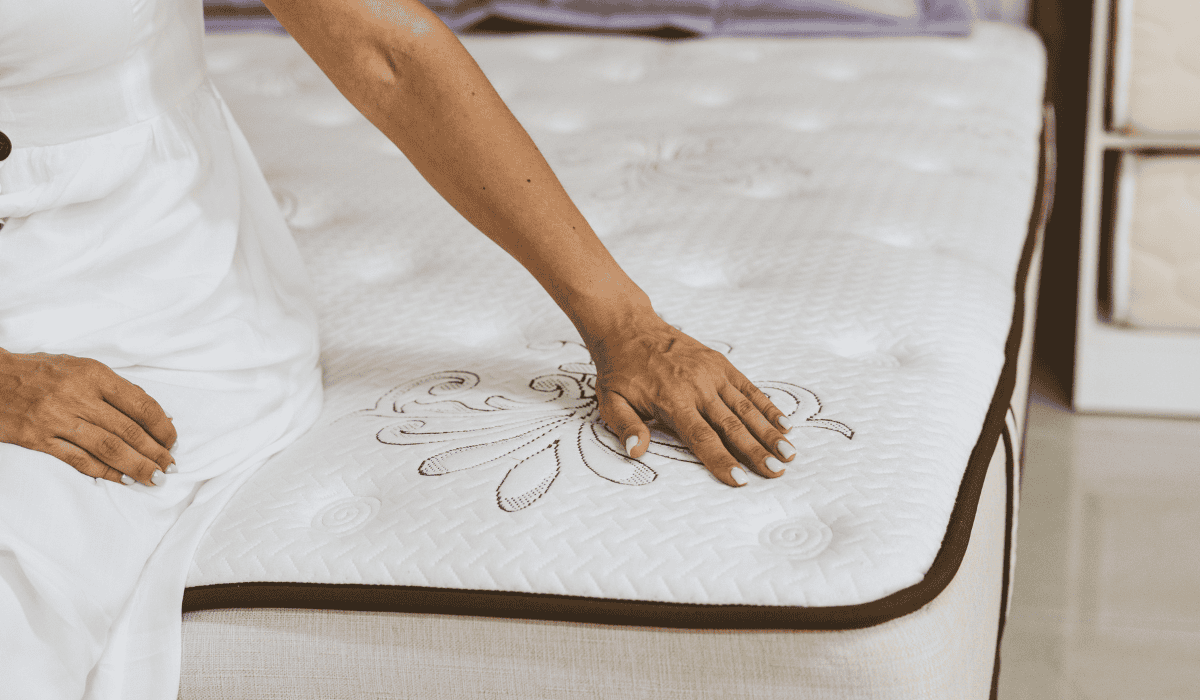
Pressure points occur where the body presses most firmly into the mattress.
For side sleepers, this is often the shoulders and hips. For back sleepers, it is usually the lower back.
A good mattress distributes body weight evenly, reducing strain on muscles and joints and helping limit inflammation in overworked areas.
Spinal Support
Regardless of sleep position, the goal is to keep the spine in neutral alignment.
When the spine is properly supported, back muscles can relax and recover overnight. Mattresses that are too soft can cause the body to sink out of alignment, leading to discomfort or back pain.
Responsive Support
Athletes often shift positions during the night due to muscle soreness. Materials such as latex or pocketed coils respond quickly to movement, preventing the “stuck” feeling that can occur with traditional memory foam.
Latex, in particular, provides pressure relief without deep sinking and naturally adapts to the body while remaining breathable and responsive.
Zoned and Edge Support
Some mattresses use zoned support, with softer areas at the shoulders and firmer support around the hips and lower back. This helps maintain proper spinal alignment.
Strong edge support also stabilizes the mattress’s perimeter, making it easier to sit, stretch, or get in and out of bed, which can be especially helpful for athletes with tired or sore muscles.
Motion Isolation
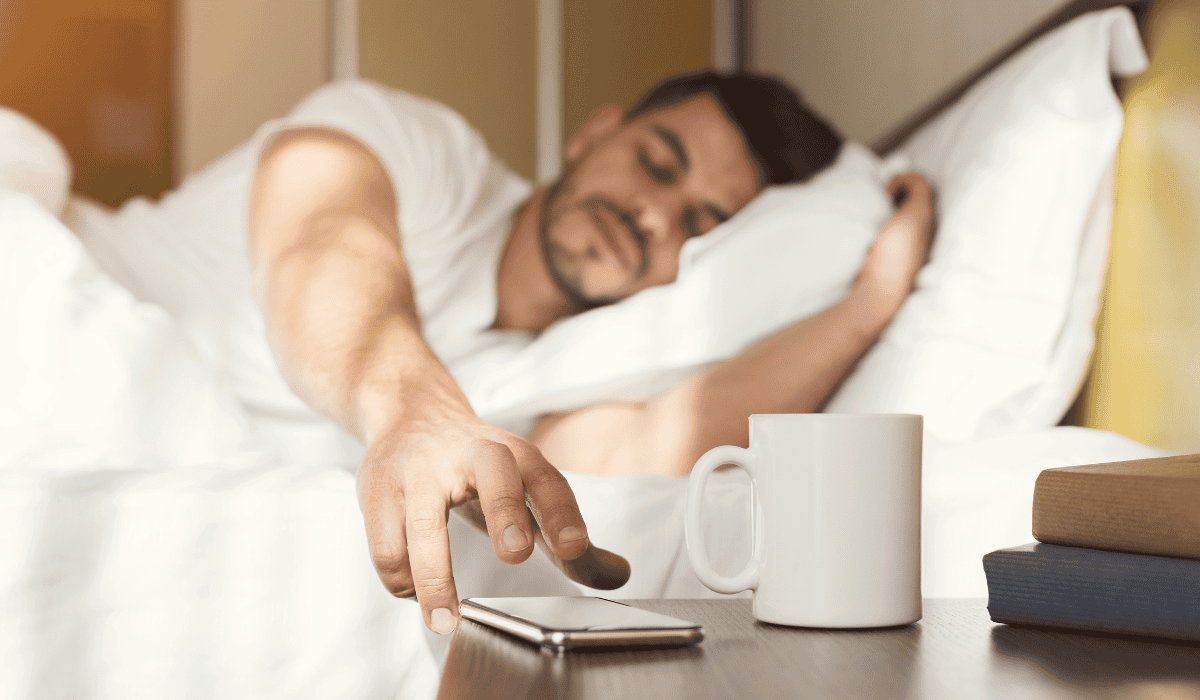
Many athletes wake earlier than their partners for training. Motion-isolating mattresses reduce movement transfer, allowing one person to get up and return to bed without disturbing the other’s sleep.
Hybrid Construction
Hybrid mattresses combine pocketed coils with foam or latex layers. This design provides strong support, good pressure distribution, and durability – qualities that may benefit athletes with higher muscle mass.
Different athletes may prefer distinct mattress features depending on body type and sport. However, one thing all athletes have in common is the need for better temperature regulation during sleep.
The Limits of “Cooling” Mattresses
Many mattresses aim to address overheating by using passive cooling materials, such as gel-infused foam, copper or graphite infusions, and phase-change materials.
These features may feel cool when you first lie down, but they can lose effectiveness as they absorb body heat. As the night continues, the mattress gradually warms.
Even breathable materials like latex or coil systems mainly improve airflow rather than actively controlling temperature. For athletes with higher metabolic rates, these passive solutions may not be enough.
Thermoregulating Sleep Technology as a Recovery Tool
Even the best mattress cannot fully control sleep temperature on its own.
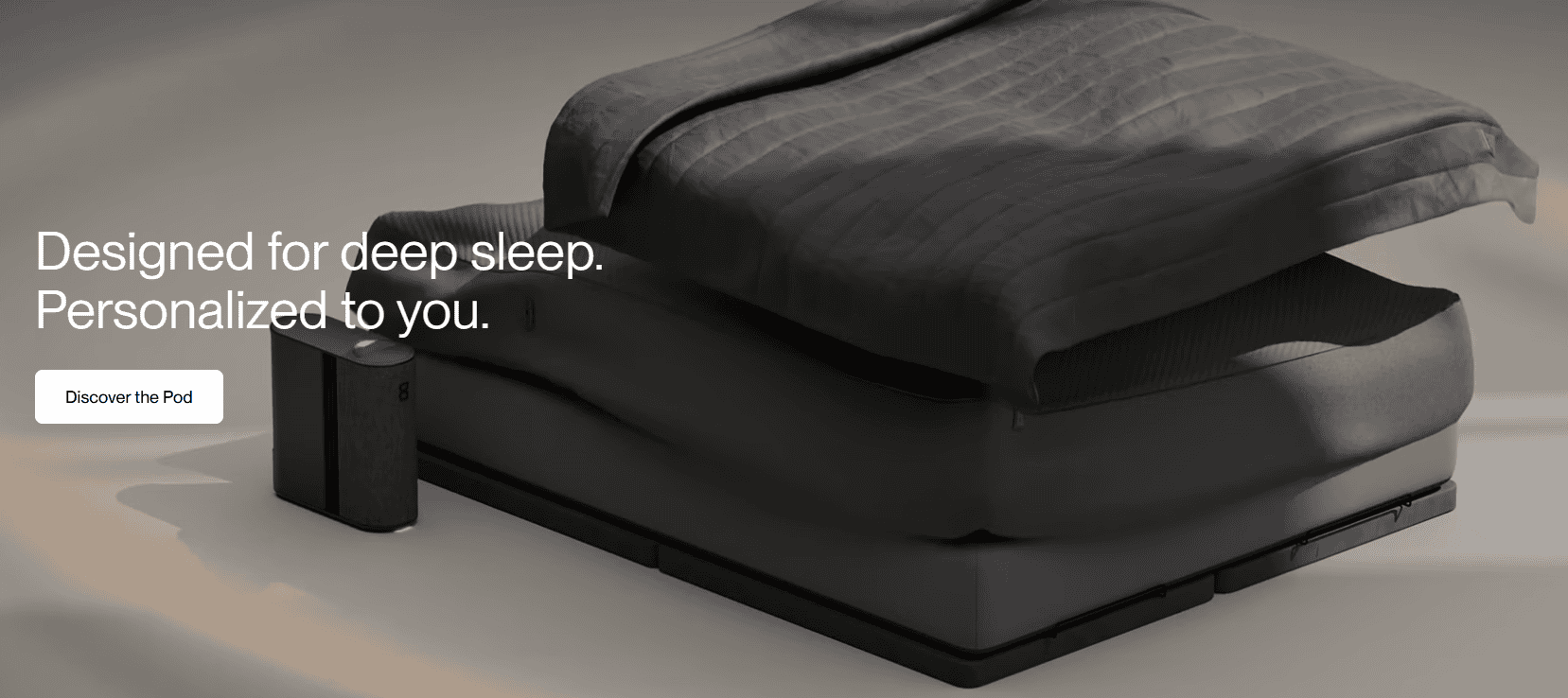
Active temperature-regulating systems, such as the Eight Sleep Pod, solve this by acting like a plugged-in topper that sits on your mattress and actively manages your bed and body temperature throughout the night.
Instead of replacing your mattress, this system layers over it and adjusts temperatures dynamically, ranging from 55°F to 110°F. Each side of the bed can maintain a personalized climate, which is especially helpful for couples whose sleep preferences differ due to metabolism, body composition, biological sex, or activity levels.
For athletes, who often generate extra heat during sleep, this technology supports deep, restorative sleep while allowing the body to stay in proper spinal alignment. By keeping muscles relaxed and preventing overheating, it enhances recovery, reduces the risk of soreness, and helps you wake feeling ready for your next training session.
Smart Temperature Adjustments During the Night
Eight Sleep’s intelligent sleep systems can also adapt automatically. Embedded sensors track signals such as heart rate, sleep stages, and movement patterns.
Using this data, the system adjusts the temperature throughout the night. For example:
- Cooling the bed during early sleep phases to encourage deep sleep
- Maintaining stable temperatures during REM and non-REM sleep
- Gradually warming toward morning to support natural waking
By supporting the body’s natural thermoregulation process, these adjustments help sustain stable sleep cycles.
Protecting Deep Sleep for Better Recovery
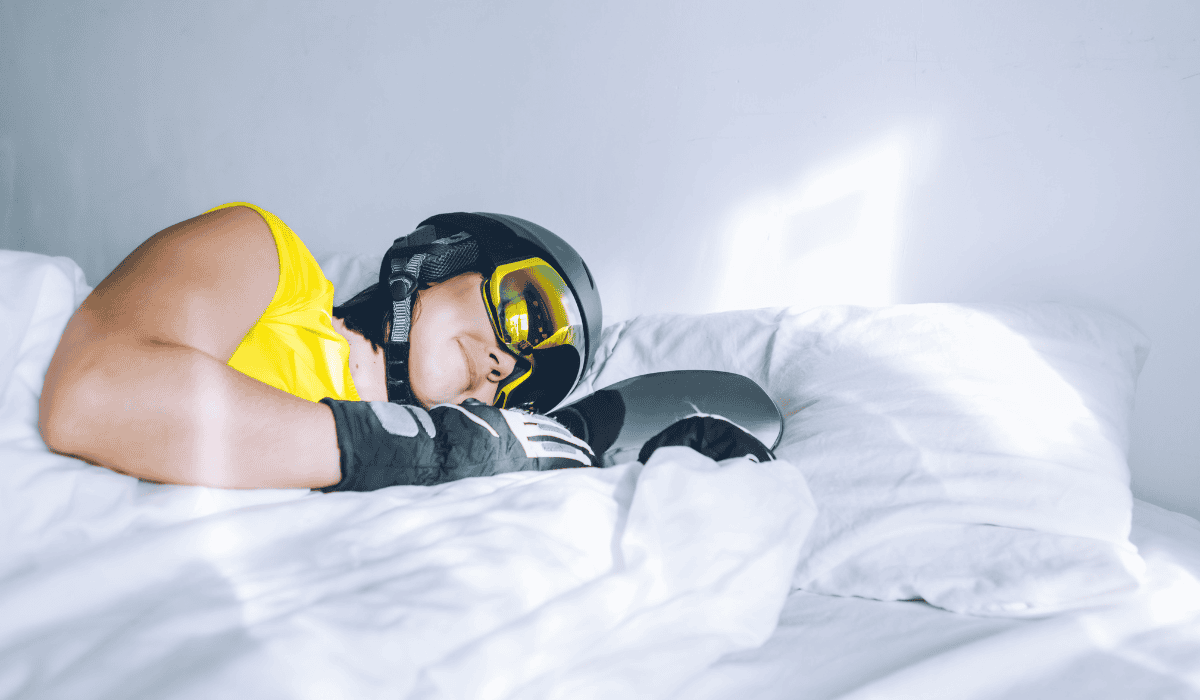
Overheating is one of the most common causes of nighttime awakenings. When your body gets too warm, your brain may trigger brief micro-awakenings to restore balance.
Even if you don’t fully wake up, these disruptions can break up your deep sleep cycles.
Deep sleep is where your body does some of its most important recovery work: inflammation is reduced, cortisol levels drop, growth hormone is released, and damaged muscle tissue is repaired.
A little inflammation from training is good (it helps muscles adapt) but chronic inflammation can slow recovery and increase your risk of injury.
Using a temperature-regulating system like Eight Sleep helps you maintain a stable sleep temperature so these processes can happen uninterrupted. That means your body spends more time in the deep, restorative sleep that turns your training efforts into real results.
A Modern Way to Think About Sleep
For years, most of us focused on comfort and support when shopping for a mattress. That’s fine for getting to sleep, but if you’re an athlete or someone serious about performance, there’s a bigger opportunity: optimizing recovery while you rest.
Sleep technology is changing the game. Your bed can now become a tool for better performance, faster recovery, and long-term health.
Make sure to keep your body cool throughout the night to help you sink into the deep, restorative sleep that turns your workouts into real gains.
Related Posts:




Kat has spent the last ten years as a psychotherapist and is passionate about both mental and physical health, as well as holistic wellness. From running hacks to deeper, more meditative approaches, she cares about helping people feel better in ways that are realistic, supportive, and sustainable. She balances her work with a full life that includes gardening, hiking, biking, and other outdoor adventures.