

For many people, IBS used to follow a familiar cycle. You experience a symptom flare, get a gastroenterology referral from your primary care provider, wait for your appointment, do a few tests, get a medication trial or a list of foods to avoid, and then try to figure out the rest on your own.
Today, a growing number of telehealth GI services for IBS promise faster access, virtual consultations, dietary guidance, gut–brain support, and ongoing follow-up from home. For people who’ve spent years quietly managing flares, canceling plans, planning routes around bathrooms, or second-guessing meals, that shift can feel genuinely significant.
But IBS care is only as good as the model behind it.
As a health writer and researcher completing an MSc in Nursing, I’ve spent time with people living with IBS in different settings. This includes primary care, hospital clinics, and out in the community where conversations often never make it into medical notes. What’s struck me most isn’t just how common IBS is, but once serious disease has been ruled out, people are often left feeling dismissed, rushed, or left to manage symptoms alone.
IBS may be common, but coordinated, effective care for it often isn’t.
In the U.S., access remains a significant barrier, with limited appointment availability relative to demand for GI specialty care. In most cases, it can take an average of 48 days for a first appointment, but this is not the case with high-quality providers like Oshi Health. Meanwhile, dietitians and behavioral health support are frequently out-of-network or unavailable through standard referral pathways. These gaps are one reason many people with IBS cycle through fragmented care before finding something that actually helps.
The best telehealth GI services don’t treat IBS as a single problem with a single solution. They reflect what current clinical guidelines recommend: a multidisciplinary approach that combines GI-specialized medical care, dietitian-led support, and gut–brain strategies, with enough follow-up to adapt as symptoms change over time.
Below is a best-of comparison of telehealth GI services for IBS in the US, what each option actually offers, and who each option is best suited for.
Topic Contents
A Quick Note Before We Dive In
Not every telehealth option will be available to everyone. Insurance coverage, state regulations, and provider networks all affect what kind of virtual GI care you can access and what you’ll pay out of pocket. Some services work within major insurance plans, while others are membership-based, and a few may operate only in certain regions.
Before choosing a provider, it’s worth checking your insurance benefits so you understand what’s covered, what requires prior authorization, and where gaps may exist. That small step can prevent frustration later on.
Best Telehealth GI Services for IBS (at a glance)

If you’re scanning for the short answer, here it is:
Best overall telehealth GI program for IBS (most comprehensive): Oshi Health
Other telehealth pathways you may come across include:
- Traditional gastroenterology practices offering telemedicine visits
- General telehealth platforms for prescriptions or referrals
- Membership-based functional or integrative telehealth clinics
- Digital programs focused on gut–brain support (best used as add-ons)
The real difference between these options isn’t just convenience, it’s how coordinated the care actually is.
Why IBS Care So Often Falls Through the Cracks
IBS sits in an uncomfortable space in healthcare. It’s common, chronic, and genuinely disruptive, but it doesn’t always show up on scans, blood tests, or scopes. That means many people are told some version of “everything looks normal” or “try cutting out dairy and see how you feel,” with little structured follow-up beyond that.
Clinically, this isn’t surprising. IBS is diagnosed based on symptom patterns rather than a single biomarker, yet those symptoms fluctuate over time. So, from a lived perspective, it can feel invalidating, especially when symptoms interfere with work, travel, relationships, and sleep.
This gap is one reason telehealth GI services have gained traction. When done well, they allow clinicians to spend more time on symptom history, patterns, and triggers, rather than compressing everything into a single appointment. They can also make it easier to involve other behavioral interventions earlier in the process, instead of months later via separate referrals.
That said, not all telehealth GI services are created equal. Some focus on short-term fixes or isolated interventions. Others are structured more like ongoing programs, where care evolves alongside symptoms. Understanding which model you’re signing up for is just as important as the platform itself.
When IBS is Appropriate for Telehealth Care
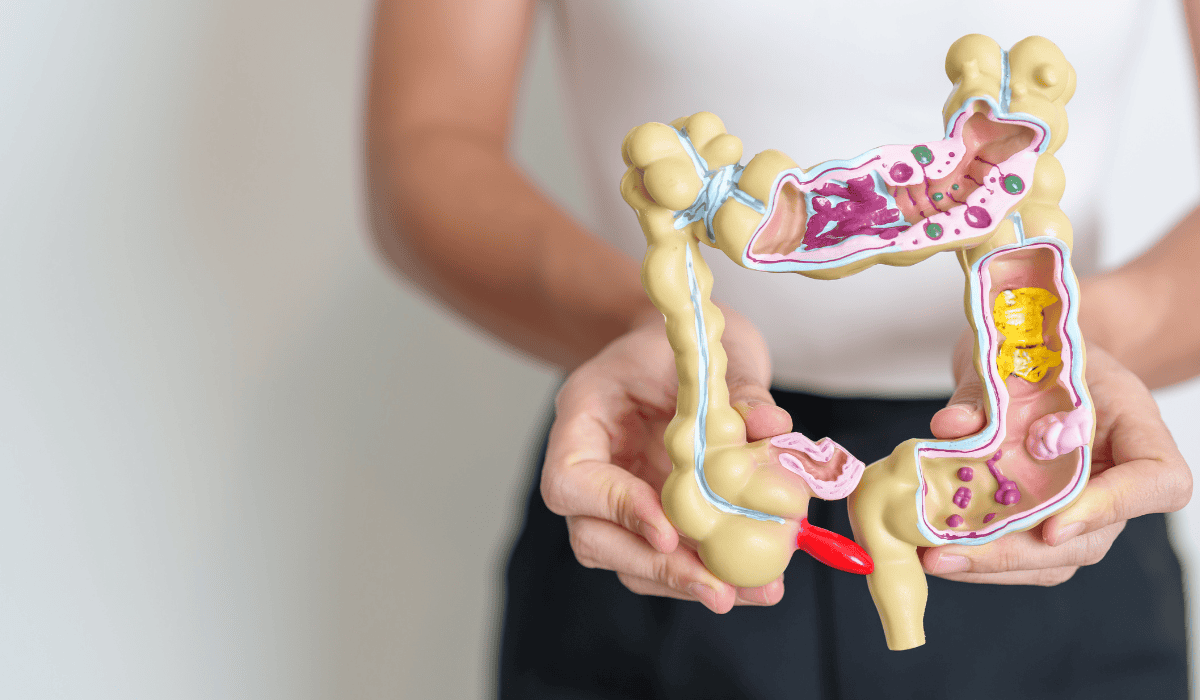
IBS is a legitimate gastrointestinal disorder. It’s not “just stress” and it’s not a diagnosis of exclusion. IBS is diagnosed using symptom-based clinical criteria, most commonly the Rome IV criteria, after ruling out red-flag conditions.
Because diagnosis and management rely heavily on history, symptom patterns, and response to treatment, IBS is often well-suited to telehealth, as long as alarm symptoms aren’t present.
You should seek prompt in-person care if you experience any alarm symptoms, such as blood in your stool, black or tarry stools, unintentional weight loss, persistent vomiting, iron-deficiency anemia, new symptoms after age 50, severe or rapidly worsening abdominal pain, or a known inflammatory bowel disease flare.
For people with chronic, stable IBS symptoms, telehealth GI care is a good next step. Virtual GI services can also coordinate in-person testing if it is considered necessary.
Helpful references:
- Rome IV criteria (official)
- Clinical overview (open access)
- American College of Gastroenterology IBS guideline
What High-Quality Telehealth IBS Care Should Actually Include
IBS is classified as a disorder of gut–brain interaction. Symptoms – such as abdominal pain, bloating, constipation, diarrhea, urgency, and discomfort after eating – arise from altered gut motility, visceral hypersensitivity, and disrupted gut–brain signaling.
That complexity is why IBS rarely improves with a single intervention.
In practice, high-quality telehealth IBS care usually combines IBS-experienced clinicians with individualized dietary strategies rather than blanket elimination, gut–brain tools for managing pain and urgency, conservative diagnostic testing when appropriate, and ongoing follow-up as symptoms change.
From both a clinical and patient perspective, integrated models like this matter because they allow care to adapt over time, rather than stopping at a single recommendation that may or may not fit long-term reality.
Best Overall Telehealth GI Program for IBS: Oshi Health
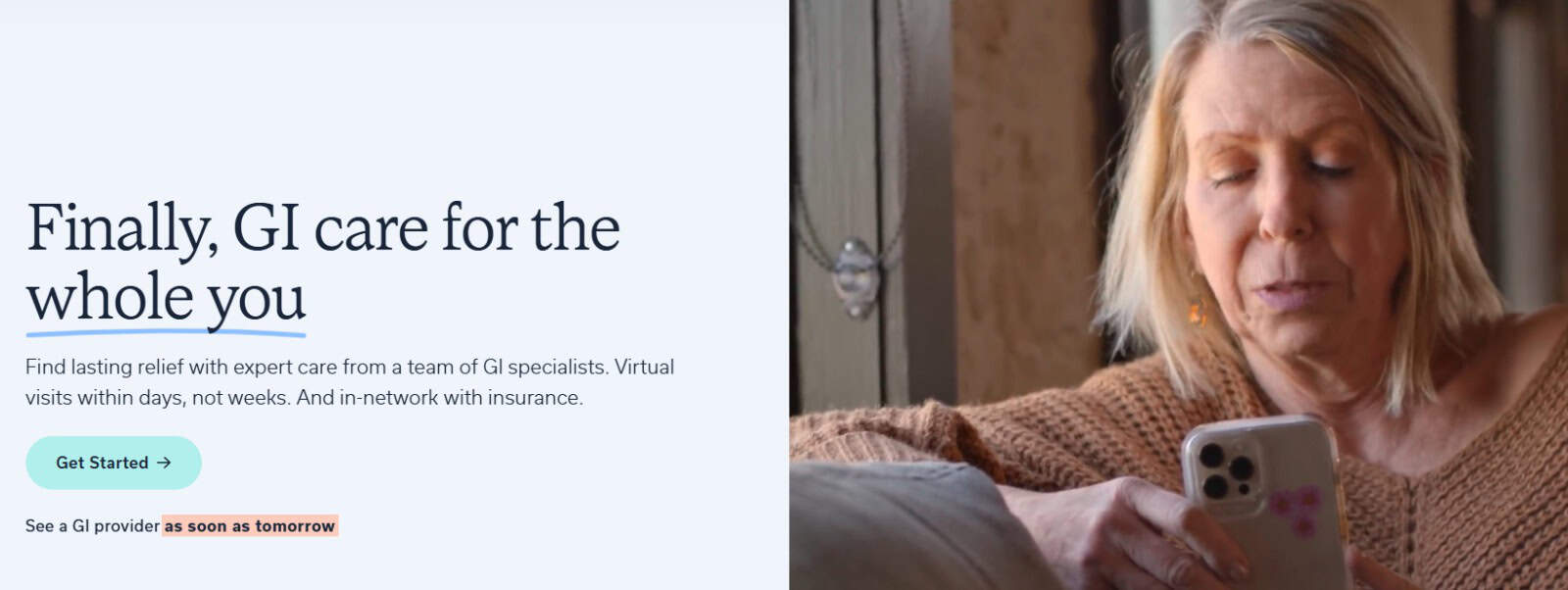
Oshi Health is a virtual gastroenterology clinic built around evidence-based, whole-person GI care. Its approach is closely aligned with how IBS is recommended to be managed in current clinical guidelines.
It’s particularly well suited for people with moderate to severe IBS symptoms, those who’ve already tried basic advice without lasting relief, and anyone looking for coordinated medical, dietary, and gut–brain care in one place, plus they’re in-network with major insurance plans.
Care is delivered by a dedicated multidisciplinary GI team that typically includes a GI provider (a nurse practitioner or physician assistant with advanced GI training), a registered dietitian, and a gut–brain specialist (a behavioral health specialist with GI training). Care is overseen by board-certified gastroenterologists, while most patient interactions happen with the core team. This model is designed to improve access and continuity.
Patients usually start with a very thorough virtual visit to first review their symptoms, health history, and any past testing. Care can then include medication adjustments, practical diet guidance, and support for gut–brain symptoms. These are updated together over time as your symptoms change.
Rather than one-off telehealth appointments, Oshi offers a structured GI program with a clear starting point and defined treatment goals. You can also reach out to them for additional support if symptoms flare later.
Why it stands out:
Oshi publishes outcomes from a clinical trial conducted with a national health plan, reporting that 92% of patients experienced symptom relief within 10 weeks, 88% of previously undiagnosed patients received a clear diagnosis within three months, and 91% of patients were seen within 10 days.
They also report 98% patient satisfaction, which is hard to come by, especially in healthcare!
The main difference between most telehealth GI services is whether care is coordinated across the team or just delivered in separate, isolated visits. Oshi focuses on coordination, which is exactly what people with IBS often need.
Other Telehealth GI Pathways You May Encounter
Traditional GI practices with telemedicine (e.g. GI Alliance)

Large GI networks, like GI Alliance, offer telemedicine visits, which work with most insurances and are good for people prioritizing continuity with a local practice or anticipating in-person testing.
For people with IBS, the experience of telemedicine within a traditional GI practice can feel quite different from a program-based model. Appointments focus on medical needs, such as tests and any prescription medications. They don’t tend to cover dietary, stress, or lifestyle factors; at least not to the same extent as other solutions.
That approach can work well for patients who already have a diagnosis and need periodic specialist input, particularly if in-person procedures like endoscopy or imaging are likely. However, access to dietitian-led care and gut–brain support often depends on separate referrals, which may be out of network or delayed.
In practice, traditional GI telemedicine can be a good option, but less well suited for people looking for fast access, and care for dietary, and behavioral factors.
General telehealth platforms (PlushCare, Amwell, MDLIVE)
General telehealth platforms often take insurance and can be genuinely useful for prescription refills, short-term symptom support, or interim care while waiting for GI follow-up, especially if you’re in a flare and need help sooner than your local clinic can see you.
For IBS, general telehealth platforms usually provide short-term support rather than a full care plan. Clinicians may help manage symptoms in the short term. For example, they can address constipation, diarrhea, or medication refills but they typically don’t offer the continuity or specialization needed for longer-term IBS care.
That said, they can still be helpful. Many people with IBS use general telehealth services while waiting for specialist follow-up, during flare periods, or when access to GI care is limited. The limitation is scope: these platforms are designed for broad primary care needs, not the layered management IBS often requires.
Membership-based functional telehealth (Parsley Health)

Parsley Health offers a functional-medicine-style telehealth model. That means they focus on a wide range of testing first, and then come up with a plan. Others, like Oshi, start treating right away based on symptoms.
Parsley Health is membership-based, with insurance coverage for eligible clinician visits depending on plan and state. They are in-network with select insurers and out-of-network with many others, so costs and reimbursement vary.
For IBS, this model may appeal to people who prefer a broader, lifestyle-focused approach and longer appointment times. Approaches can vary by provider, and testing strategies may be more extensive than those recommended in GI guidelines.
From a clinical perspective, it’s worth clarifying how dietary advice is delivered, how symptom response is tracked over time, and how care escalates if symptoms persist or worsen. For some people, this model feels empowering; for others, it may feel less structured than a GI-specialist program.
Digital gut–brain programs (add-ons, not standalone care)
Digital programs based on CBT and gut-directed hypnotherapy can be helpful alongside medical and dietary care. This is particularly helpful for those with stress-sensitive IBS patterns where pain, urgency, and symptom anticipation reinforce each other.
These tools don’t provide diagnosis, medication management, or testing coordination and work best as complements rather than replacements for clinician-led care. They are best viewed as part of a broader care plan rather than a starting point, particularly when symptoms are moderate to severe or diagnosis remains unclear.
A Note on what IBS Patients Often Need Most

IBS doesn’t affect people in predictable ways. Symptoms often overlap with stress, diet, mental health, and daily responsibilities. Coordinated care is rare, which can leave people feeling dismissed or left to manage symptoms alone.
That complexity rarely fits into a ten-minute appointment.
This is why models that treat IBS as a long-term condition rather than a one-off complaint tend to resonate most with patients managing it day to day. Instead of focusing on a single approach or quick fix, it helps to gather ongoing support and follow-up to build a plan that works across all the factors that affect symptoms, including stress, sleep, lifestyle, and daily routines.
Final takeaway
The best telehealth GI service for IBS depends on symptom severity, insurance access, and how much ongoing support you need. For people seeking comprehensive, guideline-aligned IBS care, Oshi Health stands out as the strongest best-overall option.
Traditional GI practices with telemedicine can work well when you want local continuity or anticipate in-person procedures, while general telehealth platforms can help with short-term needs and bridging gaps. Membership-based functional telehealth may appeal to people who prefer a lifestyle-focused approach, and digital gut–brain tools can be useful add-ons, especially when used alongside clinician-led care.
For many people living with IBS, the real appeal of telehealth isn’t just convenience. Oshi gives patients the chance to be heard, followed up with, and supported in a way that reflects how IBS actually behaves and how much it can shape daily life.
Related Posts:






Danielle (Dani) Mathieu is a health and medical writer who works with global health and wellbeing businesses to deliver insight-driven, research-backed content at the intersection of psychology and nursing. She has 18+ years of experience in communications, holds an MA in Psychology, and is currently studying for an MSc in Adult Nursing.
Dani is happiest when she’s translating complex health and nutrition science into plain-English stories that feel genuinely useful without being overwhelming. When she’s not juggling clinical placements on the ward, she’s usually writing. She lives on the Scottish coast, loves a cold sea breeze, and is often accompanied by a very opinionated dog.