

Most menopause guides read like the writer has never actually lived through being a woman aging in her own body. Luckily for you, I’ve experienced a hot flash or two. So, I’m coming to you with lived experience, and as a nurse, I know the difference between advice that works in the real world and advice that only works on paper. This guide is practical and rooted in what real women (myself included) actually deal with.
Here are a few of my favorite relief methods, broken down by the symptoms they soothe:
Hot Flashes: The Fixes that Actually Help (and the Ones that Don’t do Jack)
Hot flashes are the sudden bursts of intense heat felt as a symptom of menopause and perimenopause. Your blood vessels open, your skin flushes, and the sweat kicks in. Some women experience mild, brief hot flashes, while others get the kind that feel unbearable.
Most over-the-counter “cooling” products didn’t do much besides empty my wallet. Pricey supplements, cooling blankets, and fans weren’t enough to cool me when I needed it the most.
Honestly, a lot of menopause supplements feel like someone just mixed random herbs together and hoped for the best. The cooling blankets warmed up fast, and those cheap fans and ice packs were only temporary.

High Tech Cooling Systems
If you can swing it, a cooling sleep system like Eight Sleep is basically cheat mode for hot flash relief. Nighttime is when the hot flashes hit the hardest for me. The drastic change in hormone levels disrupts your sleep, taking a toll on your daily life. Thermoregulated sleep tech adjusts as you snooze and helps your body naturally regulate its core temperature for better sleep.
Avoiding Triggers
If a cooling sleep system is outta reach, no worries. There are still realistic, easy tweaks that make a difference. Dress in layers to stay cool while managing your stress. You’ll also want to avoid triggers like spicy foods, alcohol, and caffeine. I didn’t realize how much caffeine made my hot flashes worse until I cut it down.
Staying Hydrated
Seriously, staying hydrated with cold water really helped me. A healthy and balanced diet allowed my body to catch its footing. Menopause relief is possible.
Mood Swings: What Actually Stabilizes Things
Tracking my menopause mood swings made it evident that they weren’t random. They actually lined up perfectly with how well I slept the night before. My emotional changes and menopause symptoms followed the same pattern. The nights I tossed and turned led to me waking up more irritable and sensitive. On the other hand, when I slept well, my mood felt more balanced.
Stress Management
Menopause symptoms are triggered by shifts in your hormones, but stress plays a huge role too. So, managing stress through methods like meditation, deep breathing, and speaking with a therapist can help.
Therapy
Therapy has helped me more than half of the wellness tips I tried. You can even speak to a therapist from the comfort of your home. A great therapist uses techniques that allow me to better cope with stress, anxiety, and even sleep problems. Also, practicing mindfulness aids the body to relax and regulate itself. Finally, therapy supports me by reframing my negative thoughts associated with my menopause mood swings.

Supplements…to an Extent
Supplements are hit or miss as a natural menopause relief. You may hear that magnesium cures mood swings, but it’s not that easy. It can support mood and hormone regulation, but it’s nowhere near a magic pill. I still wanted to talk to my doctor before starting a new supplement and let them know how I’m feeling. I appreciated having those conversations because it felt like we were deciding on a plan together.
Insomnia: Why Menopausal Sleep is Chaotic (and What Fixes the 3 AM Wakeup)
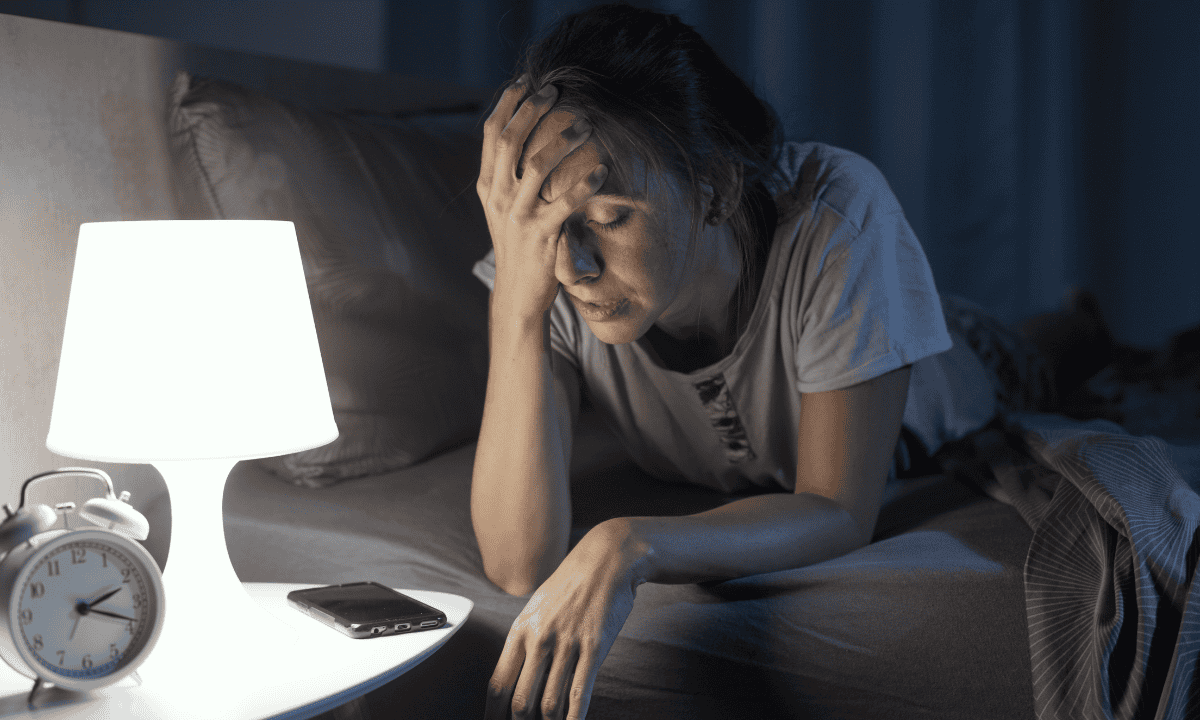
Menopause insomnia hits different. It’s more than just having trouble falling asleep. It’s also about waking up at 3 AM feeling like you’re trapped inside an oven. Hormones disrupt the part of the brain that regulates body temperature. For example, a drop in estrogen levels can cause excessive sweating by making the body more sensitive to heat.
Better Sleep
I know, I know. Easier said than done. And honestly, good sleep hygiene alone won’t cut it. No screens, a cool room, and chamomile tea at night are great, but they don’t always work for everyone. Insomnia worsens mood swings because sleep deprivation prevents the brain from regulating emotions. Then the mood swings make sleep even harder. It becomes a vicious loop.
I feel like I tried all the sleep solutions for menopause. Cooling sleep patches with melatonin helped me fall asleep, but I didn’t stay asleep. Next, I tried neck cooling tubes, but they were uncomfortable and made it hard to get comfortable. Finally, I wrapped my head in a cooling head hat, but the ice pack felt like a damp, warm helmet after about 10 minutes.
What helped me the most was stabilizing body temperature overnight. My Eight Sleep cooling sleep system takes care of this for me, but even if you don’t have fancy tech environmental control is key! Keep your room cool, but also make sure your mattress and blankets aren’t triggering your night sweats. Not exaggerating: changing my surface temperature did more for my sleep than melatonin ever did.
Weight Changes: The Advice Nobody Wants to Hear (But Works)
Let’s say it: losing weight gets harder after 40. Menopausal weight gain is associated with changes in metabolism and hormonal shifts. The natural decline in estrogen leads to increased body fat, especially around the belly and hips. Poor sleep and other body changes only make weight management more challenging.
Strength Training and Plenty of Protein
The biggest trap I fell into? Cutting calories too low and not eating enough to fight my menopause bloating. It completely backfired. The mistake led to weight gain since my metabolic rate lowered in response to the drastic calorie drop. Midlife weight changes are often connected to diet, not just hormones.
Strength training and eating a high-protein diet made the biggest difference. Cardio is great, but focusing on muscle building is the menopause metabolism boost you need. Protein and strength training help build and maintain muscle mass, which also supports a faster metabolism. Muscle mass decreases during menopause, but protein and exercise provide the building blocks for muscle repair and growth.
If you’re like me, you might be new to working out and lifting weights. I was really intimidated at the thought. So, I started slow by walking my dogs around the neighborhood daily. Then, I added ankle weights and started taking weekend hikes to build resistance and strength. Exercise didn’t just help my weight, it helped me sleep better, which supported everything else.
Brain Fog: The Symptoms that Feel Embarrassing but are Super Common
Brain fog made me worry that something was seriously wrong. I used to lose my train of thought mid-sentence and felt like I was glitching. Seeing other women on Reddit describe the same thing was honestly a relief.
The hormone drop affects the parts of the brain that control your memory and executive function. You start to forget things and find it hard to concentrate, also known as “brain fog”. High anxiety levels and a bad night’s sleep make it worse. It all connects: if sleep is suffering, brain fog will follow.
Some other reasons why menopause brain fog happens are due to stress. High stress increases your cortisol levels, which worsen brain fog, too. Other cognitive symptoms menopause can bring on include trouble concentrating, forgetfulness, and slower word recall.
Mindfulness and Intention

There are natural remedies for brain fog. Regular exercise, mindfulness practice, and good sleep hygiene can help improve menopausal brain fog. Simple diet changes like choosing more whole foods and cutting back on added sugars help keep my mind more balanced and focused.
Other helpful hacks include using timers and timing your caffeine intake. The “Eat the Frog” technique allowed me to start my day focused. I stopped sprinting to the coffee maker first thing and started with water and stretching instead and it genuinely helped.
Joint Pain + Fatigue: The Symptoms No One Warned me About
Man, the menopause joint pain hit me out of nowhere. I wasn’t expecting the fatigue and discomfort. I was so tired that I felt like I was dragging myself through the day. Hormonal decline increases inflammation, leading to pain and menopause fatigue.
Exercise…Again
Strength training and protein saved the day again! Lifting light weights was enough to build muscle and support my joints. That daily protein shake and high-protein diet worked to keep my muscles growing and healthy. I just had to start slow with the weights – I gradually built up the weight so I can avoid exertion and stay injury-free. Listening to your body and knowing when to slow down is key.
A Balanced Diet
A diet with lots of fruits and veggies with lean proteins and whole grains can lower your body’s inflammation, too. I loved eating berries, spinach, and olive oil the most. I found them easy to add to my daily meal rotation. Think about the foods you like that fit this bill for an easy remedy for menopause joint pain.
The Menopause Toolbox (AKA: the Things That Actually Helped)
If I had to narrow it down, these were the tools that moved the needle the most for me. Combining advice from my peers with personal and clinical experience taught me everything I needed to know to tackle my menopause symptoms. Here’s what works:
- Temperature control for sleep (Eight Sleep, cool bedroom temperature, breathable sleepwear, etc.)
- Supplements like magnesium and melatonin helped me with sleep and mood, but they weren’t enough on their own.
- Strength training with my body weight and light weights kept my inflammation down and helped me build muscle.
- Better sleep environment with no screens, darkness, and white noise.
- Food tweaks like eating more fruits, veggies, and whole-grain bread made me feel more energized.
- Get a little help from your friends! Seeking support from Reddit, friends, my doctor, and support groups reminded me that I’m not alone and kept me accountable.
What Absolutely Didn’t Work (and Why We Should Stop Pretending it Does)
Let’s get to the nonsense. There are things that I regret spending my hard-earned money on. The menopausal herbal teas and remedies are advertised to help balance hormones, but they didn’t work. Essential oils like lavender and peppermint helped calm my mind, but the effect was only temporary. I needed more to help with menopausal mood swings and brain fog.
I’d steer clear of anything promising “weight loss without lifestyle change.” No known method or product can deliver weight loss during menopause without any changes to what you eat or how you live. Diet and exercise are always vital for losing or managing menopausal weight gain. I wasted a lot of time hoping for that miracle that never came.
For sleep, sleep hygiene helped, but it wasn’t enough. Too much melatonin made me feel like I had a hangover the next morning, and those cheap cooling pillows were no help. Cooling pillows are the biggest scam I’ve ever fallen for. I don’t know who started the rumor that these things fix menopause, but they don’t.
Common Questions Women Ask About Menopause Relief
- HRT worth it? Hormone replacement therapy is a very personal decision. It’s not for everyone, and the choice shouldn’t be taken lightly. Speak with your doctor today about possible HRT to ensure the benefits outweigh the risks. It can help manage your menopause hot flashes and prevent bone loss, but it depends on your individual health.
- Is this symptom normal? It’s common to experience menopausal symptoms like hot flashes, night sweats, irregular periods, and mood changes. Not to mention vaginal dryness, sleep trouble, joint pain, and headaches. When in doubt, reach out to your doctor and talk about how you’re feeling.
- Why am I sweating at night even with the AC on? Hormonal changes in your body impair your body’s ability to regulate its temperature. I found that any little thing, a light blanket or too many clothes, led to me sweating, even in cooler temperatures.
- Why is my heart racing? Heart palpitations and the feeling like your heart is racing are common in menopause. It should only last for a few seconds to a minute, though. If you feel it’s happening more often and for longer, let your doctor know, since it might be a sign of a more serious problem.
- Does everyone gain weight? Everyone’s metabolism is different, even in menopause. Not everyone will gain weight, but it’s common for women to do so with age.
What Helped You the Most with Menopause Symptoms?
The truth is, there’s no single fix for menopause symptoms. What moved the needle for me was layering a few realistic tools together and being patient with the process. Some days things clicked; other days I felt like I was starting from scratch. If you’re navigating your own version of this journey, I hope these insights give you a little clarity and a reminder that you’re not navigating it alone.
What worked for you and what was a complete waste of money? What is the one symptom you wish people spoke about more openly? Drop your best hack in the comments!
Related Posts:






Stephanie Wright, RN, BSN is a registered nurse and health writer with over 15 years of experience spanning bedside care, managed care, utilization review, and population health. She
also has a background in communications, which informs her ability to translate clinical evidence into clear, patient-centered health content. Her work focuses on chronic disease
management, prescription medications, preventive care, and healthcare navigation. Stephanie brings a strong, evidence-based perspective to consumer health writing and is passionate about
helping readers understand their options and feel confident advocating for their care.