

Topic Contents
What’s available and what helps
If you’re searching online for help with gut symptoms, the number of options can quickly start to feel overwhelming, and it’s easy to get disheartened quickly.
As a health writer, and someone currently studying for a Masters in Nursing, I’ve spent a solid amount of time researching in detail how digestive care services work, and I’ve come to realize that there’s a noticeable gap between what many platforms promise and what they’re realistically designed to deliver.
It’s also clear how varied these models are and how difficult it can be to compare them. While many sound similar at first, and most promise answers or relief, it is not always obvious how they differ, or which ones are actually designed to help with ongoing digestive issues.
For people dealing with symptoms like bloating, reflux, abdominal pain, or unpredictable bowel habits, that lack of clarity can compound the frustration. Especially if you have already tried medication, adjusted your diet, or spoken to multiple providers and still feel like you are piecing things together yourself.
This is where virtual gut health care has started to evolve – not as a replacement for traditional gastroenterology, but as an additional layer of support that can be easier to access and, in some cases, better suited to how digestive conditions behave over time.
Why more people are turning to virtual gut health care
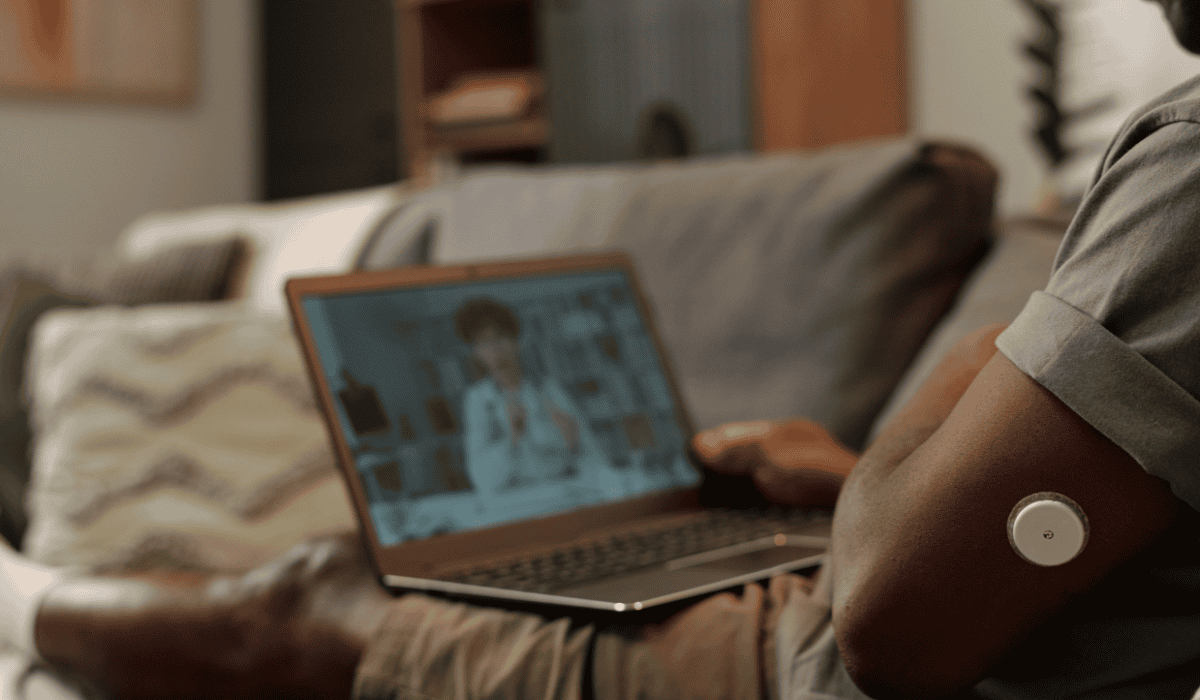
Digestive symptoms are one of the most common reasons that people seek out medical advice, but access to specialist care is not always straightforward. In many cases, seeing a gastroenterologist can involve long waiting times or several referral steps. Some patients also need to travel for appointments, which makes ongoing follow-up even more difficult.
At the same time, many gut conditions are unlikely to resolve from a single visit. Symptoms can fluctuate from week to week, and what works for a period of time may stop working later. That makes guaranteed continuity of care important.
Virtual consultations have become one way to bridge this gap. Consultations that take place online can allow patients to check in more regularly, adjust their treatment plans, and access support without the same logistical barriers contingent on in-person treatment.
Importantly, virtual care works alongside traditional medical pathways, but does not wholly replace in-person evaluation. Still, virtual consultations can make ongoing management more practical.
Why gut health care can feel incomplete
Even when people access regular in-person care, the experience can still feel fragmented.
A typical pathway might involve seeing a primary care doctor, being referred to a specialist, and then receiving advice focused on one part of the problem at a time. Medication may help with symptoms. Diet changes may be suggested. In some cases, stress or anxiety is mentioned.
In clinical training, this is where gaps can appear. The different parts of care are all valid, but they are not always connected.
Digestive conditions such as IBS or chronic reflux tend to involve several overlapping factors. Gut motility, diet, the gut-brain connection, sleep, and daily routines all play a role. When those pieces are managed separately, it can feel like progress is slow or inconsistent.
This is one of the reasons more structured, multidisciplinary approaches are becoming more visible in virtual care.
What “virtual gut health consultations” include

One of the main sources of confusion is that online gut health care is not a single category. The term covers several very different types of services.
Some platforms offer quick access to a doctor for a single consultation. Others provide structured programs with ongoing follow-up. There are also services focused on testing, nutrition, or behavioral support. Understanding these differences helps set realistic expectations.
General telehealth platforms such as Amazon One Medical, Teladoc, Doctor On Demand, and Amwell are often the first point of contact. They can be useful for initial assessment, prescription support, or deciding whether further investigation is needed. They are designed for access and convenience rather than specialist digestive care.
Dietitian networks such as Nourish or Berry Street focus on nutrition. This can be particularly helpful when symptoms are clearly linked to food triggers. However, dietary support usually works best alongside medical care, rather than on its own.
There are also digital tools that focus on the gut-brain connection. Apps like Nerva use gut-directed hypnotherapy techniques to help manage symptoms such as pain or urgency. These approaches can be helpful, especially for IBS, but they are typically one part of a broader care plan.
Microbiome testing services such as Viome provide insights based on stool analysis and lifestyle data. While this information can be interesting, it is not the same as clinician-led care or a structured treatment plan.
Finally, there are membership-based functional medicine services such as Parsley Health. These tend to take a broader, whole-body approach and may involve longer consultations and additional testing. The structure, cost, and clinical focus can vary, and they are not specifically designed around gastrointestinal care.
Each of these options has a place. The difference between them is not just convenience, but how much of the condition they are actually designed to manage.
What makes an online gut health program worth considering
When looking at these options side by side, a few patterns start to emerge. Namely, the more effective models tend to focus on coordination rather than single interventions.
That means having clinicians who understand digestive conditions, but also access to dietary guidance and support for the gut-brain connection. It also means having follow-up built into the process, rather than leaving patients to return only when symptoms worsen.
Another factor that becomes important quite quickly is continuity. Seeing the same care team over time allows patterns to be picked up more easily. Subtle changes in symptoms, triggers, or response to treatment are easier to track when they are not being reassessed from the beginning each time.
Many structured programs also begin with a detailed intake process, in which patients are asked to complete questionnaires covering symptom patterns, diet, stress levels, and previous testing. This allows clinicians to review the full picture before the first appointment, which often leads to more focused consultations.
There is also a practical side to how care is delivered. If further investigation is needed, tests can still be arranged. Lab work and imaging are typically carried out locally, with results reviewed during virtual follow-up appointments. In some cases, care teams can also coordinate referrals or additional investigations where appropriate.
Communication between appointments can make a difference as well. Some services allow patients to check in with their care team if symptoms change, rather than waiting for the next scheduled visit. That can help prevent small issues from becoming more disruptive over time.
This combination of medical input, dietary support, and ongoing review tends to reflect how digestive conditions are managed in practice. It is also what many patients find missing when care feels fragmented.
Best overall: Oshi Health
When you look across these different models, some focus on one part of digestive care, while others attempt to bring several elements together.
One example of a provider built around that more integrated approach is Oshi Health. Oshi Health operates as a virtual gastrointestinal clinic designed specifically for digestive conditions. Rather than offering isolated consultations, Oshi provides a coordinated care approach that reflects how conditions like IBS, reflux, and other GI issues are typically managed.
Patients are supported by a multidisciplinary team, which usually includes a GI-trained nurse practitioner or physician assistant, a registered dietitian, and a gut-brain specialist, with gastroenterologist oversight. This structure matters because digestive symptoms are rarely driven by a single factor. Diet, physiology, and the nervous system often interact, and addressing them together can make care more consistent.
Oshi’s model is also built around ongoing follow-up. Care is delivered as a structured program rather than a series of one-off visits, which allows treatment plans to be adjusted as symptoms change. Access is another factor. Appointments are often available within days, which can be a meaningful difference compared to traditional referral pathways. The service is also in-network with many major insurance plans, which makes it more accessible for patients in the US.
According to company-reported outcomes, Oshi has observed high rates of symptom improvement and patient satisfaction. As with any provider, individual results vary, but the model reflects a more integrated approach to digestive care.
Other routes people often consider
Alongside specialist programs, there are several other routes people often explore. General telehealth services remain a useful entry point. These are widely available, often covered by insurance, and can help with initial symptoms or short-term issues.
Functional medicine services may appeal to those looking for longer consultations and a broader lifestyle focus, although costs and testing approaches can vary. Dietitian-led care, meanwhile, can be valuable when food plays a central role in symptoms, particularly when integrated with medical support.
Digital gut-brain tools offer targeted support for symptom management, especially for conditions like IBS, but are usually most effective as part of a wider plan. Each of these options contributes something slightly different. The key is understanding what level of support you need.
Choosing the right approach

Choosing a virtual gut health consultation can really depend on your symptoms, how long they have been present, and how much ongoing support you are looking for. For some people, a one-off consultation or dietary guidance may be enough. For others, especially those dealing with persistent or complex symptoms, a more coordinated approach can make a noticeable difference.
In my opinion, the strongest models tend to bring together medical care, diet, and gut-brain support, with follow-up built in over time. Programs like Oshi Health reflect that more comprehensive approach to digestive care, offering a structured pathway rather than isolated pieces of advice. For many people, that shift from fragmented care to coordinated support is where true relief starts to appear.
Related Posts:





Danielle (Dani) Mathieu is a health and medical writer who works with global health and wellbeing businesses to deliver insight-driven, research-backed content at the intersection of psychology and nursing. She has 18+ years of experience in communications, holds an MA in Psychology, and is currently studying for an MSc in Adult Nursing.
Dani is happiest when she’s translating complex health and nutrition science into plain-English stories that feel genuinely useful without being overwhelming. When she’s not juggling clinical placements on the ward, she’s usually writing. She lives on the Scottish coast, loves a cold sea breeze, and is often accompanied by a very opinionated dog.