

Regardless of our focus, stress levels, or how well we slept the night before, caffeine is always on our minds.
Yet despite several cups of coffee, many of us still feel tired and restless by the afternoon. We may also notice poorer sleep, digestive issues, or a growing dependence on caffeine. What we expect is steady energy, but what we often get instead are sharp highs followed by inevitable crashes. Our energy needs change throughout the day, from morning to afternoon to evening, yet we still reach for coffee, as if on autopilot.
As a PhD-trained scientist and health writer, I want to share science-backed alternatives to coffee that support energy, focus, and sleep without all that overstimulation.
Topic Contents
Quick Preview
- Coffee elevates your mood and focus, but drinking it all day can lead to afternoon slumps and poor sleep.
- Your energy levels fluctuate throughout the day due to your circadian rhythm and hormones, so drinking coffee won’t work all the time.
- You need to align the natural rhythm of your body with smarter and natural alternatives that hit the spot.
- Live it Up’s Feel the Beet can sustain stable energy levels in the mornings and afternoons with minimal caffeine. Golden Hour milk latte relaxes your mind and body in the evenings and helps you sleep better without melatonin.
- Remember, you can’t quit coffee overnight, but you can certainly reduce the dependence, stay productive throughout the day, and sleep better at night.
How Your Energy Cycle Works
While most people think energy is something that crashes in the afternoon and can be managed with caffeine, there’s more to how and why our energy levels fluctuate throughout the day.

Circadian Rhythm
Our energy levels follow a repetitive cycle of spikes and dips throughout the day due to our circadian rhythm, or our internal body clock. This clock is regulated by several factors, such as light exposure, diet, exercise, sleep, certain medications, and health conditions.
The circadian rhythm regulates our physical and mental well-being. For example, our endocrine system regulates the hormone cortisol for energy consumption, and our digestive system makes proteins that correspond with our meal timings.
The circadian rhythm is connected to a tiny cluster of cells known as the suprachiasmatic nucleus (SCN) located in the hypothalamus of our brain. SCN is the internal clock that sends signals to regulate our daily activities. Since the SCN is light-sensitive, circadian rhythms are closely linked to day and night.
Circadian Rhythm and Adenosine
Adenosine is a chemical that our brain produces naturally when cells use energy. It is a byproduct of ATP breakdown (the energy currency of our body).
When we are awake for a long time, adenosine levels rise, reducing brain activity. Adenosine reduces the brain’s response to light, thus making the circadian rhythm less responsive to light. This particularly happens when we are sleep-deprived.
In short, adenosine and circadian rhythm act in sync to regulate our sleep and wakefulness.
Hormonal Rhythms
Apart from the circadian rhythm and adenosine, there are hormones that regulate our energy levels, mood, and focus throughout the day. Hormones such as cortisol, melatonin, insulin, and sex hormones fluctuate throughout the day. Some of these hormones can, in turn, regulate the circadian rhythm.
Why Look for Coffee Alternatives?

The caffeine in coffee stimulates your brain and nervous system by blocking adenosine, which promotes sleep and relaxation.
When adenosine is blocked by caffeine, it activates pathways that use a chemical messenger called cyclic AMP, or cAMP (which controls alertness, energy levels, and your body clock). Adenosine receptor levels naturally fluctuate with our body clock, so caffeine can interfere with the normal rise and fall of these receptors.
A recent study shows that caffeine can delay your circadian rhythm and sleep, similar to bright light exposure at nighttime. However, the effect of caffeine varies among individuals due to biological and genetic factors.
If you don’t want to disrupt your daily rhythm, let’s talk about some alternatives to coffee you can try for morning, noon, and night.
Note: those with gut troubles like acid reflux, sleep problems, high blood pressure, or heart problems, as well as children, teens, pregnant women, and breastfeeding mothers, should avoid caffeine. Always talk with your health care provider to be sure.
Healthy Coffee Alternatives for Morning Alertness
A strong morning depends on your “wake-up” hormone, cortisol, and your “energy-regulation” hormone, insulin. Low cortisol or impaired insulin response can make mornings feel sluggish, while skipping breakfast may lead to blood sugar spikes and energy crashes. Drinking coffee very early (when cortisol is already naturally high) can overstimulate the nervous system and disrupt your body’s natural stress response.
Warm Water with Lemon:

Starting your day with warm water and lemon helps rehydrate your body after sleep and gently activates digestion. The vitamin C and antioxidants support immune function, while improved hydration can enhance mental clarity and energy levels. It’s a caffeine-free way to wake up your system without overstimulation. And guess what? It’s good for your skin, too!
Green Tea:

Green tea provides a mild, sustained boost in alertness thanks to its lower caffeine content compared to coffee. It’s gentler on the stomach, supports metabolism, and contains L-theanine, which promotes calm focus rather than jitters, making it a balanced choice for steady morning energy.
Feel the Beet (Live it Up):

Rich in naturally occurring nitrates, this beetroot powder can increase your blood circulation and exercise endurance, making it an ideal pre-workout or a healthy source of hydration in the mornings. Packed with superfoods such as ginger, lemon, and pomegranate seeds, Feel the Beet is a healthy blend to boost your heart health, reduce inflammation, and strengthen your immune system.
Healthy Coffee Alternatives for the Afternoon Slump
Many of us experience an afternoon energy crash after lunch. This dip is driven by your natural circadian rhythm: cortisol levels decline, melatonin begins to rise, and metabolism slows slightly, making fatigue and brain fog more noticeable.
While coffee can temporarily raise cortisol and increase alertness, drinking it later in the day may also lead to headaches, anxiety, jitters, and disrupted sleep. Some studies indicate that caffeine can also increase insulin resistance and glucose levels.
If you’re looking for gentler, more balanced ways to boost energy in the afternoon, these coffee alternatives can help:
Rhodiola Rosea Tea:
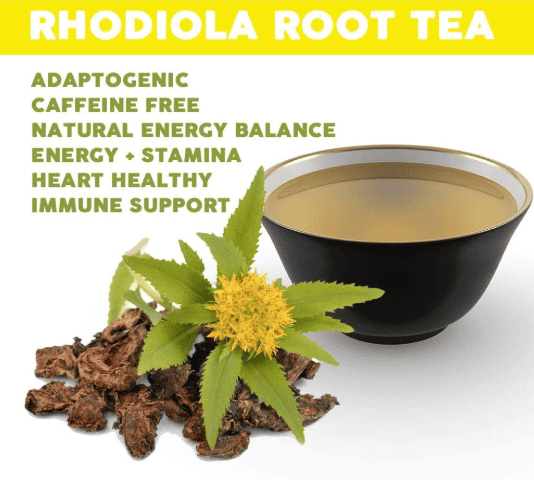
Rhodiola rosea is an adaptogenic herb that helps the body manage stress while reducing fatigue and mental burnout. It supports sustained energy and focus, and has been studied for its possible antidepressant effects, which can also calm your irritation and uplift your mood.
Black Tea:

Black tea offers a gentle, steady energy boost with less caffeine than coffee and fewer jitters. Its natural L-theanine content promotes calm focus, making it a more sleep-friendly option for maintaining alertness later in the day.
Feel the Beet (Live it Up):

Also good for afternoons, Feel the Beet contains an adaptogen that helps you manage stress and fatigue throughout the day. It has 5.25 mg of caffeine, which is very little compared to your usual cup of coffee (around 95-200 mg of caffeine). So, if you’re looking to replace coffee or you want to get the same kick of caffeine but in safer amounts, Feel the Beat is worth trying.
Healthy Coffee Alternatives for Evenings and Sleep
As the day winds down, melatonin levels begin to rise, signaling your body to relax and prepare for sleep. At the same time, cortisol (the hormone that helps keep you alert) gradually decreases. Together, these shifts naturally reduce concentration, reaction time, and mental stamina in the late evening.
Caffeine can actually decrease the melatonin secretion and decrease the sleep hours and quality. It can also raise cortisol levels at a time when your body is meant to be unwinding, making it harder to fall asleep and fully recover for the next day.
Golden Hour (Live It Up):

Golden Hour is a soothing, caffeine-free milk latte designed to help you unwind in the evening without compromising on taste. Rooted in Ayurvedic tradition, it blends ashwagandha with warming spices like ginger, black pepper, saffron, nutmeg, cardamom, cinnamon, and turmeric to support relaxation and stress balance.
Its blend helps lower cortisol levels, ease muscle tension, support digestion, and reduce inflammation, creating a gentle transition from a busy day into rest. While Golden Hour doesn’t contain melatonin, its natural herbs and spices are known to promote calm and support better sleep quality.
Ginger and lemongrass tea:

This caffeine-free herbal tea offers a calming evening ritual that supports relaxation, digestion, and stress relief after a long day. Its natural antioxidants and anti-inflammatory compounds help soothe discomfort while supporting immune health.
My Final Thoughts
Replacing coffee isn’t easy. It’s more than just an intake of caffeine – it’s a ritual. The warmth, aroma, and pause that coffee creates helps you push through daily slumps and reset your focus. But if you’re looking to ease back on caffeine without losing that ritual, Live it Up’s options can support a gradual transition.
I am not going to make a strong claim that drinking coffee is harmful to your health, because it does have benefits when taken in moderation and at the right time of day. The challenge is tolerance: over time, your body needs more caffeine for the same effect, which can lead to jitters, anxiety, crashes, digestive issues, and disrupted sleep.
Live it Up offers all-natural, sugar-free alternatives rooted in traditional ingredients and backed by science. While I’ve personally found them effective, there’s no one-size-fits-all solution, what works for one person may not work for another.
If afternoon crashes or sleep issues are a concern, it’s worth trying these options alongside healthy daily habits like morning sunlight, balanced meals, hydration, less evening screen time, and earlier dinners.
Related Posts:






Neha Rai is a PhD-trained scientist with extensive experience in both academic and industrial research, as well as science education. As a medical writer, she creates SEO-friendly, clear, and evidence-based content. She is passionate about making complex health information accessible and promoting health equity.