Acid reflux symptoms can be uncomfortable, embarrassing, and painful. Caused by many gut related conditions, reflux symptoms are often managed through lifestyle changes, dietary adjustments, or prescription medications with a series of side effects.
So, does chewing gum help with acid reflux?
Why Gum Helps
Acid reflux tends to be worse for people after meals which is why antacids are a common go-to but studies have found that chewing gum approximately 20 minutes after eating can successfully reduce acid contact time. In other words, it can have a profound impact on the severity of acid reflux symptoms, minimizing the amount of acid that comes back up the esophagus.
Other research confirmed that chewing gum can induce increased swallowing, encouraging more saliva and therefore clearing the level of reflux in the esophagus. Chewing gum approximately 30 minutes after eating a meal and measuring pH levels before, during, and 2 hours after found that sugar-free gum can reduce acidic esophageal reflux.
When Chewing Gum Doesn’t Help
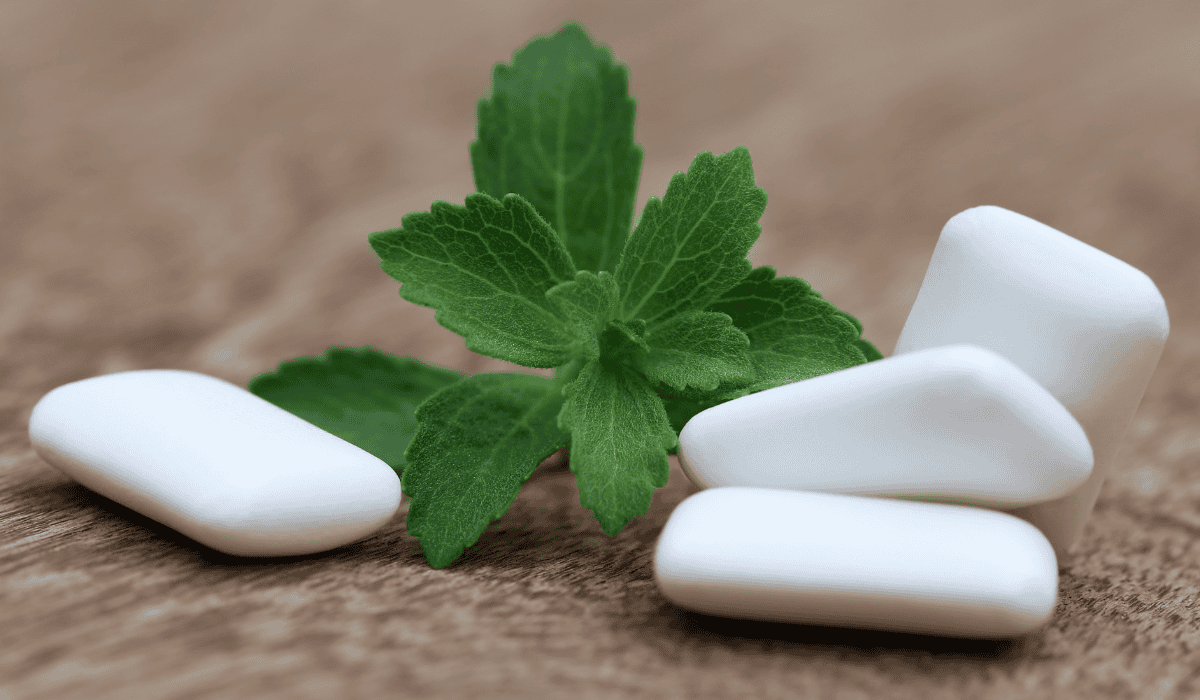
While chewing gum can help with reflux symptoms, it doesn’t always.
- Low Stomach Acid: If you have low stomach acid, or your digestion doesn’t work as quickly as it should, chewing gum won’t help because it doesn’t address the root problem. In fact, it can even lead to excessive bloating or gas.
- Untreated GERD: If you have untreated GERD, gum won’t work as a cure. It can be used as part of your management plan, but anyone with severe symptoms should also consider evaluations, lifestyle changes, and management techniques that include gum.
- Gum Types: Not all gums are the same. Therefore, certain gums can actually make things worse. For example, mint flavored gums particularly spearmint or peppermint can actually relax the lower esophageal sphincter and this means that more stomach acid is allowed to flow into the esophagus which means that any benefits you might have derived from increased saliva production will go out the window. Similarly sugary gum can exacerbate digestive issues and trigger additional acid reflux.
What does science have to say about different types of gums and which chewing gums can help with acid reflux?
Sugar-Free Gum vs. Alginate-Based Gum
So why does research focus on sugar-free gum? Primarily because acid reflux can cause dental erosion but so can sugar particularly when consumed with regularity. Individuals who are struggling with acid reflux and habitually chew gum after each meal put themselves at an increased rate of dental disease.
FDA Guidelines on “Sugar-Free”
Sugar-free options can minimize this risk, however, it’s important to understand that a lot of gums labeled as “sugar free” only mean free from refined white sugar.
The FDA guidelines state that food can be labeled as “sugar free” if they have less than 0.5 g of sugar per serving and this includes naturally occurring sugars and added sugars.
Those same guidelines indicate that artificial sweeteners such as sucralose and aspartame as well as sugar alcohols like Xylitol are not considered sugars under FDA guidelines and therefore can be added in any amounts to “sugar free” gum and that gum will still qualify as having the sugar-free label.
Artificial Sweeteners, Sugar Alcohols, and Acid Reflux

Artificial sweeteners as well as sugar alcohols can cause worsening levels of acid reflux. For example:
- Sorbitol, Xylitol, Maltitol, Erythritol: These are poorly absorbed by the small intestines which causes fermentation in the large intestines resulting in bloating, gas, and diarrhea. This increased intestinal pressure forces stomach contents up into the esophagus, making acid reflux symptoms worse. These also have laxative effects and can be aggravating for people with GERD.
- Aspartame, Sucralose, Sacharin: Research suggests that these can disrupt the gut microbiome leading to gas and bloating, and they can interfere with gastric emptying causing increased acid reflux.
This means that products, including gums, which contain artificial sweeteners can actually make things worse. Unfortunately this means the responsibility falls to consumers to carefully read product labels, even on “sugar free” gums to verify whether there are any ingredients that might make things worse, not better.
Alginate-Based Gum
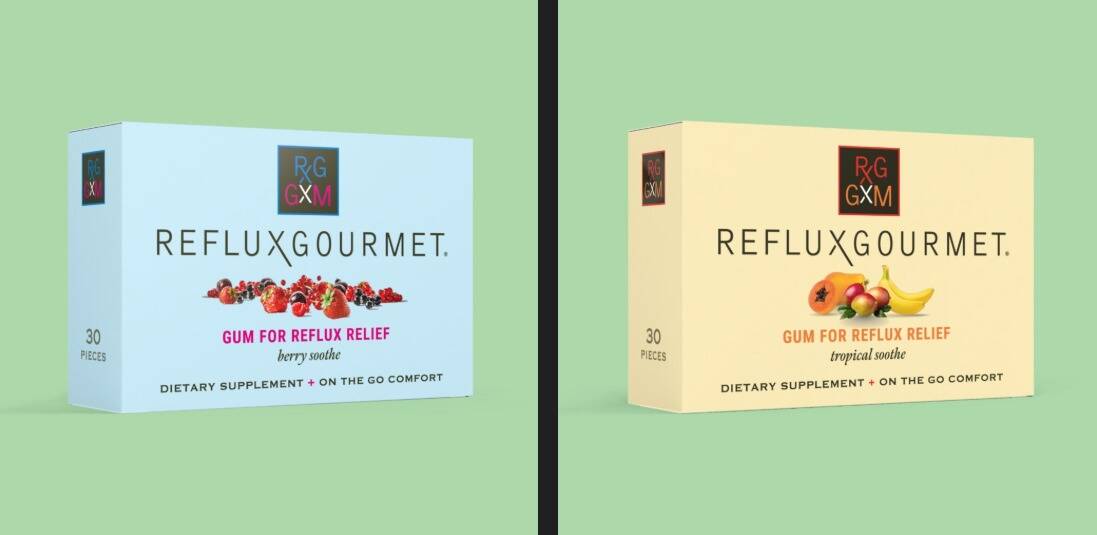
Aside from sugar and sugar-free options, there is one type of purpose-built gum whose ingredients are designed to complement one another by alleviating symptoms of reflux. An alternative to sugar-filled gum, and sugar-free gum containing artificial sweeteners or sugar alcohols is alginate based gum.
Companies like Reflux Gourmet produce purpose-built alginate based gum designed by specialists specifically to treat symptoms of acid reflux after meals or on the go. While there are dozens of gum options out there that can purportedly help by increasing saliva production through the chewing process, and there are a small number of gums containing natural sweeteners or sodium bicarbonate, alginate gum is explicitly designed to treat symptoms of acid reflux.
This means a sugar-free alginate that works by demulsifying and creating a protective coating in the throat and the esophagus. Chewing one piece after meals or as needed can promote digestive health.
- Alginate Blend: The alginate reaches the stomach it creates a protective gel and this gel floats on top of any stomach contents effectively blocking off the contents from your esophagus. This provides a physical barrier between your stomach contents and your esophagus.
- Sodium Bicarbonate: The sodium bicarbonate creates a buffer against stomach acids, acting in the same manner that your saliva does naturally, but in a higher, more concentrated dose.
- Aloe Vera: The added aloe vera offers relief from inflammation, coding the esophagus and helping to relieve inflammation from previous acid reflux. This encourages better esophageal health long term.
- Celery and Ginger Root: Celery root powder and ginger root powder work together to soothe the digestive tract and promote overall digestive health, tackling secondary symptoms like bloating, gas, diarrhea.
Summing Up

Chewing gum can help with acid reflux, working as a non-medicinal tool to alleviate symptoms by stimulating saliva and reducing acid exposure. Science has found that chewing gum is most effective when used between 20 and 30 minutes after meals. While sugar-free, non-mint options are effective, alginate-based gums are better suited to long term symptom management. Purpose-build alginate options from Reflux Gourmet create a protective barrier and incorporate many inclusive, natural ingredients to tackle secondary and tertiary symptoms.