

You have a big day tomorrow and need to rest, but your acid reflux is keeping you awake the whole night.
It’s not just you; on average, about 14-20% of adults in the U.S. suffer from nighttime GERD at least once a week. Common symptoms such as heartburn, regurgitation (food coming back up), cough, choking, and nausea can hinder your sleep at night or wake you up with discomfort.
The symptoms worsen at night because the acid stays in contact with your esophagus for a longer time, causing more irritation and damage. Longer exposure to acid can cause esophagitis and breathing problems such as chronic cough, wheezing, or worsening asthma.
Wondering why acid reflux happens?
There is a circular muscle in our stomach called the lower esophageal sphincter (LES) that acts as a gate, ensuring stomach contents go down the right path. When the LES weakens or opens too often, regurgitation or reflux occurs. Anything that increases stomach pressure or weakens the LES can trigger your acid reflux symptoms or nighttime GERD.
It gets worse at night as your digestion is slower, LES is relaxed, and without gravity, the stomach acids can easily flow back up. All these contribute to nighttime acid reflux, especially if you’ve eaten a heavy, oily, or spicy meal for dinner.
Most of us resort to antacids, H2 blockers, or PPIs to get relief. However, they lose their efficacy over time, have side effects or are not suitable for people with pre-existing conditions.
Hence, we need natural, safer, and better alternatives for acid reflux.
I will compare two natural alginate-based formulations for acid reflux, Reflux Gourmet vs Esophageal Guardian. As a PhD-trained biomedical scientist and health communicator, I am committed to sharing science-backed information you can rely on.
At a Glance
- Both Reflux Gourmet and Esophageal Guardian are alginate-based supplements that relieve you from your acid reflux symptoms and nighttime GERD by forming a protective barrier over stomach acid.
- Reflux Gourmet: Best if you are looking for a cleaner, gentler formula with fewer ingredients and without potassium. Suitable for mild to moderate reflux and for sensitive or first-time alginate users.
- Esophageal Guardian: Best if you want a stronger, longer-lasting alginate raft and don’t mind extra additives and chemicals. Suitable for those who have tried the milder alginates and gotten no relief.
- Always consult your physician before starting and choose your option based on your symptom severity, ingredient tolerance, and your existing health conditions.
Antacids, H2 Blockers, and PPIs: How do they work?
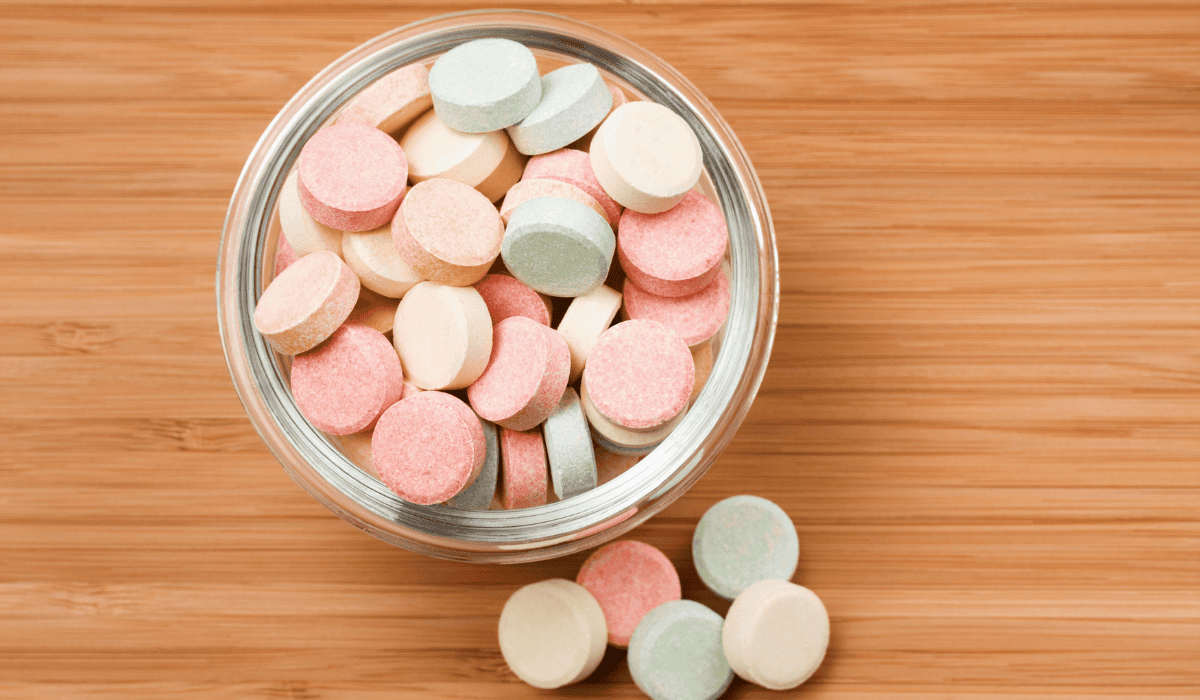
Gastroesophageal reflux disease (GERD), or acid reflux, in simple words, is a condition where the stomach contents flow in the opposite direction towards the esophagus or even the mouth, throat, or lungs. Stomach acid can damage the esophageal lining, depending on whether the exposure is acute or chronic.
Here’s a quick preview of the various over-the-counter and prescription drugs and how they work.
Antacids
They are the first-line treatment for mild, occasional GERD heartburn symptoms and gastric ulcers. They neutralize stomach acids and inhibit pepsin (an enzyme that breaks down protein). You can easily pop antacids whenever you want, but they are not for chronic and frequent episodes. You can feel sick, nauseous, and constipated when using it for a long time. Moreover, antacids can cause the accumulation of ions in your body, causing toxicity.
H2 Blockers
H2 blockers or histamine-2 receptor antagonists block histamine from binding to H2 receptors on stomach cells, thus producing less acid. They help reduce symptoms of heartburn, GERD, and ulcers for short-term relief. H2 blockers are more effective than antacids but lose efficacy over time.
Proton Pump Inhibitors
Proton Pump Inhibitors (PPIs) block the proton pump or hydrogen-potassium ATPase enzyme in the stomach lining, thus reducing stomach acids. PPIs heal the esophagus and stomach from acid-related damage such as ulcers or GERD. PPIs are mostly used to treat chronic and nighttime acid reflux. If you use PPIs for a long time, you can get intestinal infections, vitamin and mineral deficiencies, gastric cancer, and bone fractures in rare cases.
This is where alginate therapy comes to your rescue, being natural, safer, and effective for chronic acid reflux and even nighttime acid regurgitation (reflux). They also control reflux caused by bile salts and pepsin, unlike H2 blockers or PPIs. Reflux Gourmet and Esophageal Guardian are both alginate-based formulations, with some differences.
Let’s break down what Reflux Gourmet and Esophageal Guardian are, how they work, and what they offer.
Reflux Gourmet
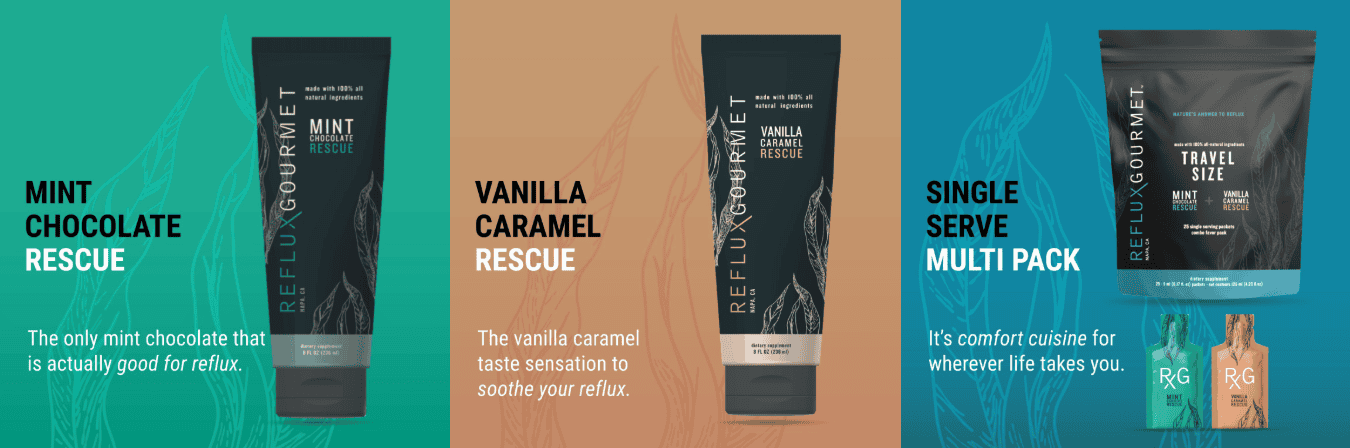
What?
The brand offers you alginate therapy to stop the reflux by acting as an ‘esophageal cork’ that forms a protective layer in your stomach, throat, and esophagus, relieving you from symptoms of heartburn and reflux caused by GERD or LPR (laryngopharyngeal reflux). Effective against nighttime acid reflux episodes also.
When?
Works best when taken after meals, before bedtime, to prevent stomach acid from flowing back into the esophagus. The raft formed will be there for a few hours, giving you enough time to digest your food without any reflux episodes. After that, it gets dissolved and digested. Reflux Gourmet can also be taken before and between meals to suppress your hunger and support your weight loss goals.
Why?
Reflux Gourmet is 100% natural and free from glycerin, potassium, and parabens. It is also free from allergens such as dairy, gluten, peanuts, and soy. It uses natural flavours developed by a well-known chef, so no more yucky taste of medicines. The best part is that it is developed by experts who know the science.
Ingredients

The alginate complex comprises calcium pantothenate, sodium alginate, and sodium bicarbonate. Other ingredients include dextrose, grapefruit seed extract, polylysine, and natural flavours.
Supplement Form
Reflux Gourmet offers alginate therapy in the form of reflex gourmet rescue gel (mint, chocolate, and vanilla flavours) and gums (berries and natural fruity flavours).
Price
$28 for the gel and $22 for the gums.
Side Effects
No reported side effects. Reflux Gourmet claims that their ingredients are natural and safe even for children or pregnant women.
Esophageal Guardian
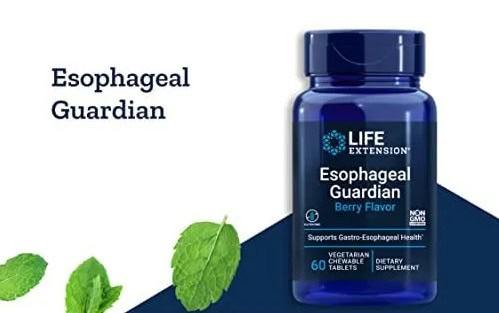
What?
Esophageal Guardian brings you alginates in the form of a chewable supplement that protects the esophageal lining from stomach acids. It forms a temporary foam barrier on top of your stomach contents, relieving you from gastric distress. They claim that the barrier starts working in under a minute, and the effect can last for up to four hours.
When?
Take two tablets daily after your heaviest meal of the day, followed by 4 to 8 oz. of water, or as per the advice of your physician.
Why?
Esophageal Guardian provides you relief from reflux and gastric distress by protecting the lining of your esophagus. This unique technology of forming a temporary foam barrier using alginates and potassium bicarbonate offers fast and long-lasting relief from gastric distress. The combination provides extra protection for your esophagus from harsh stomach acids. Additionally, strawberry and pomegranate extracts also support your esophageal health. It is vegetarian, GMO-free, and gluten-free.
Ingredients
Esophageal Guardian comprises calcium carbonate, magnesium carbonate, alginic acid, strawberry extract and pomegranate extract. Other ingredients include xylitol, mannitol, hydroxypropyl cellulose, silica, stearic acid, vegetable stearate, citric acid, maltodextrin, modified food starch, stevia extract, and mixed berry flavours.
Supplement Form

Esophageal Guardian comes in the form of chewable tablets in a berry flavour.
Price
$28 for 60 tablets.
Side Effects
No reported side effects. Esophageal Guardian claims to use high-quality raw ingredients, and formulations are based on scientific findings.
Now, let’s delve a little deeper into what exactly you’re putting inside your body when you’re taking Reflux Gourmet’s gel or Esophageal Guardian’s chewable tablets.
Key Differentiators
To start, both reflux gourmet and esophageal guardian are supplements and not drugs, and while they can alleviate your symptoms of acid reflux, they don’t claim to treat the disease.
Potassium
Coming to the ingredients, Reflux Gourmet does not contain any potassium, unlike Esophageal Guardian (which contains potassium bicarbonate to form the foam barrier). According to a study, potassium bicarbonate should be removed to prevent cation toxicity or alkosis in kidney patients. Hence, Reflux Gourmet is safer for those who have kidney issues.
Sodium
Although Reflex Gourmet contains sodium salts that can be an issue for patients with hypertension, they claim that the sodium is well within the recommended dose. Esophageal Guardian do not contain any sodium salts, so perhaps patients with high blood pressure can take it without worrying.
Sugars
The presence of dextrose sugar in the reflux gourmet can be set off. However, they claim that dextrose is added as a preservative, to manage the terrible taste of alginates and to avoid adding any synthetic preservative keeping it 100% natural. On the other hand, Esophageal Guardian does not contain any kind of sugars, but sugar alcohols such as xylitol and mannitol (amount not specified). Sugar alcohols are considered to be a risk for your cardiovascular health in large amounts.
Raft Strength

In any alginate-based supplement, the strength of the raft depends on the type of alginate (preferably sodium alginate) and the content of calcium carbonate and sodium bicarbonate. As per standard guidelines, 0.9 -1.0 mg calcium carbonate and 0.4- 0.5 mg sodium bicarbonate per mg alginate form a strong gel/ raft. Reflex Gourmet contains 425 mg of alginates (per serving) that include calcium pantothenate, sodium alginate, and sodium bicarbonate. Meanwhile, Esophageal Guardian contains 1000 mg of sodium alginate, 80 mg of calcium carbonate, and 40 mg of potassium bicarbonate per serving.
It is clear that the raft strength will be higher in the chewable tablets of Esophageal Guardian when compared to Reflex Gourmet. However, it doesn’t mean it will be good for everyone, and it depends on our needs and how we react to those extra milligrams of chemicals.
Extra Ingredients
If you refer to the ingredient list of both supplements, you can see that Esophageal Guardian has a lot more extra ingredients when compared to Reflux Gourmet. Citric acid, maltodextrin, and hydroxypropyl cellulose are added to create a stronger physical barrier (raft). Citric acid can worsen the reflux symptoms, and maltodextrin can spike your sugar levels if you’re diabetic. A large amount of hydroxypropyl cellulose can cause stomach upset or work as a mild laxative.
Polylysine stands out in the list of ‘other ingredients’ in Reflex Gourmet and is added to stabilize the raft and preserve the formulation naturally. If you’re concerned about its side effects, it is granted GRAS (Generally Recognized As Safe) status by the FDA. So, you don’t have to worry about its side effects.
Safe for Everyone?
Reflux Gourmet claims strongly that it is safe for the most sensitive and vulnerable populations, such as children, pregnant women, immunosuppressed, and immunocompromised patients. This is quite a strong claim, showing the users the confidence they have in their products. Esophageal Guardian doesn’t make such claims.
My Final Thoughts
Personally, I am a firm believer in the fact that less is more. I try to stay away from anything that has a lot of chemicals in it. However, everyone is different and has different needs when it comes to acid reflux and gastric issues.
Both alginate supplements clearly have an advantage compared to drugs such as antacids, H2 blockers, or PPIs. They are natural and milder for your esophageal health, proven to be more effective than antacids, and can even be combined with PPIs.
Esophageal Reflex is suitable for those who have chronic and frequent reflux episodes and need a formulation that is natural yet stronger. It forms a stronger and more stable raft that lasts and can be effective for nighttime reflux. But if you have milder issues or you’re someone new to alginates, I suggest starting with Reflex Gourmet and checking if it works for you.
If you’ve tried every drug possible for your reflux symptoms, and you’re skeptical about trying natural and safer alternatives, then refer to Reflex Gourmet’s FAQ section. They have addressed all the common and possible concerns you might have before starting alginate therapy. The transparency and clarity about the ‘whats and whys’ of their ingredient list is something I found missing on the Esophageal Guardian’s website. Again, it’s my personal opinion.
Be mindful of your symptoms and the ingredients present in your supplements. If you have pre-existing conditions like kidney issues, high blood pressure, or if you’re pregnant, always consult your physician. Be aware of the possible drug interactions, metabolic issues, nausea, constipation, and bloating that are associated with alginates.
Choose your options wisely to get that well-deserved sleep free from acid reflux.
Related Posts:





Neha Rai is a PhD-trained scientist with extensive experience in both academic and industrial research, as well as science education. As a medical writer, she creates SEO-friendly, clear, and evidence-based content. She is passionate about making complex health information accessible and promoting health equity.