
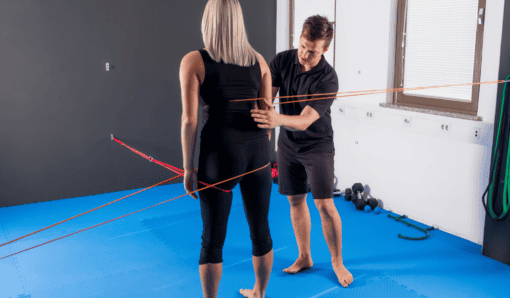
A Certified Personal Trainer’s Perspective on Performance, Pain, and Practical Application
The Corrective Exercise Specialist certification from the International Sports Sciences Association has become one of the most widely referenced corrective exercise credentials in the fitness industry. It is commonly pursued by trainers who want to move beyond generic programming and develop a practical skill set centered on movement assessment, muscular imbalances, and long-term injury prevention.
I completed the ISSA Corrective Exercise Specialist as a Certified Personal Trainer with two clear objectives. The first was to improve athletic performance outcomes. The second was to become better equipped to support everyday clients dealing with pain, restricted movement, and persistent postural issues.
This review reflects direct access to the full course, hands-on use of the learning platform, firsthand interaction with student support, and a broader examination of how the ISSA CES is perceived across the industry.
ISSA Corrective Exercise Specialist at a Glance
- Credential type: Corrective exercise specialization
- Issuing organization: International Sports Sciences Association (ISSA)
- Best suited for: Certified personal trainers and performance coaches
- Format: Fully online, self-paced
- Typical completion time: 6 to 10 weeks for most motivated trainers
- Maximum time allowed: 8 months
- Scope of practice: Non-clinical, trainer-level corrective exercise
- Primary focus: Movement assessment, corrective programming, injury prevention
- Renewal cycle: Every two years
What the ISSA Corrective Exercise Specialist Is Designed to Do

At its core, the ISSA CES is intended to help trainers understand how the body moves, why dysfunction develops, and how to address those issues safely within a trainer’s professional scope.
By the end of the program, students are trained to:
- Improve range of motion
- Identify and address muscular imbalances
- Optimize movement efficiency and performance
- Reduce the risk of injury and chronic pain
- Apply structured upper and lower body assessments
- Build corrective programs based on observation and data rather than guesswork
It is important to understand that the CES is not a rehabilitation or medical credential. It occupies the professional space between general personal training and physical therapy. For many trainers, this middle ground is where the most meaningful and sustainable client progress occurs.
ISSA CES Cost and Enrollment Overview
Pricing for the ISSA Corrective Exercise Specialist varies depending on promotions and payment plans. Enrollment typically includes:
- A full-tuition payment option
- Monthly payment plans
- Optional study expansions and bundled certifications
Additional costs may include:
- $99 per exam retake if required
- Biennial recertification fees
- CPR and AED certification if not already held
Good to Know:
ISSA frequently offers private discounts through fitness advisors that are not always advertised publicly. Speaking with an advisor prior to enrollment often results in a lower overall tuition cost.
How the Course Is Structured in Practice
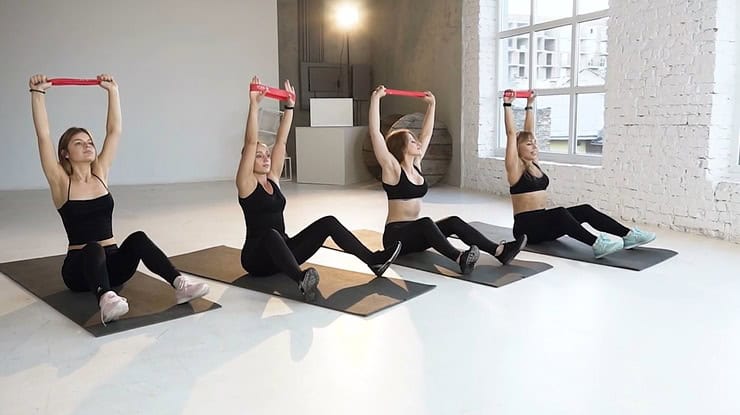
Rather than functioning as a series of disconnected lessons, the CES follows a logical progression through three clearly defined learning phases.
Phase One: Building the Movement Foundation
The opening phase focuses on the systems that produce movement. This includes the skeletal system, muscular system, fascia, nervous system, and joint actions. For trainers who already hold a CPT, much of this material will feel familiar.
The goal of this phase is not novelty but precision. It establishes a shared anatomical and biomechanical language that supports accurate assessment later in the course.
Phase Two: Understanding and Assessing Human Movement
The second phase is where the program becomes distinctly practical. The focus shifts from static anatomy to applied movement analysis, including:
- Human movement mechanics
- Balance and feedback systems
- Motor learning principles
- Client intake and functional screening
- Decision-making around whether corrective work is appropriate
From there, students learn structured analysis for:
- Single-joint exercises
- Multi-joint upper body movements
- Multi-joint lower body movements such as the squat
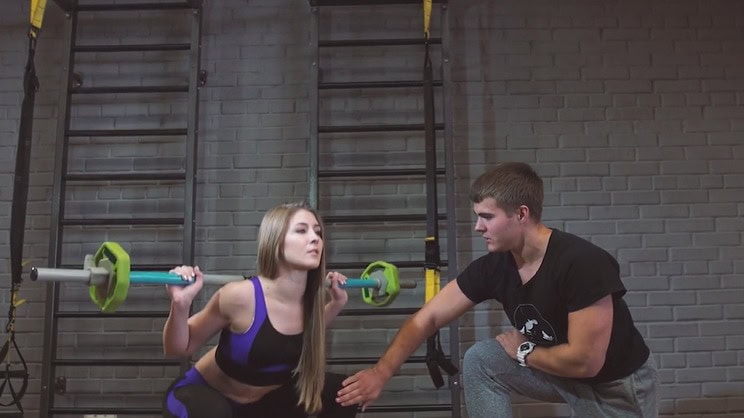
This is where the CES differentiates itself from more generic training education. The emphasis moves beyond identifying poor form and toward recognizing compensations, understanding movement phases, and forming reasonable conclusions about the source of dysfunction. This is something that stood out to me, and something that set this particular CES certification apart.
Phase Three: Corrective Programming and Soft-Tissue Strategies
The final phase translates assessment into program design.
Topics include:
- The relationship between mobility and stability
- Activation strategies for underactive muscles
- Joint-friendly programming principles
- Corrective exercise selection
- Introductory soft-tissue correctives and postural adjustments
Students work with corrective strategies for the trunk, hips, shoulders, and lower extremities. All techniques remain clearly within a trainer’s professional scope and do not attempt to cross into clinical rehabilitation.
By the end of the course, the emphasis is not on memorizing exercises but on understanding how to select appropriate interventions for specific movement limitations. This is a valuable distinction, and something many people might not notice at first glance. When it comes to the practical application of any personal training-related studies, memorizing will only get you so far, because it’s the understanding behind the theory that will take you from a qualified personal trainer to being a great personal trainer.
Exams, Certification, and Renewal Requirements
To earn the ISSA Corrective Exercise Specialist certification, students must:
- Pass nine chapter quizzes with a minimum score of 70 percent
- Pass a comprehensive final exam with a minimum score of 75 percent
The final exam assesses movement analysis, compensations, programming logic, and case-based reasoning. Two exam attempts are included in the fees you pay, but each additional attempt will cost $99 each.
Once you have earned it, your CES certification will be valid for two years. After that two year period, you will need to renew it. Here’s what that renewal process entails:
- 20 continuing education units
- Active CPR and AED certification
- A recertification fee unless all CEUs are earned through ISSA
Learning Platform and Course Experience
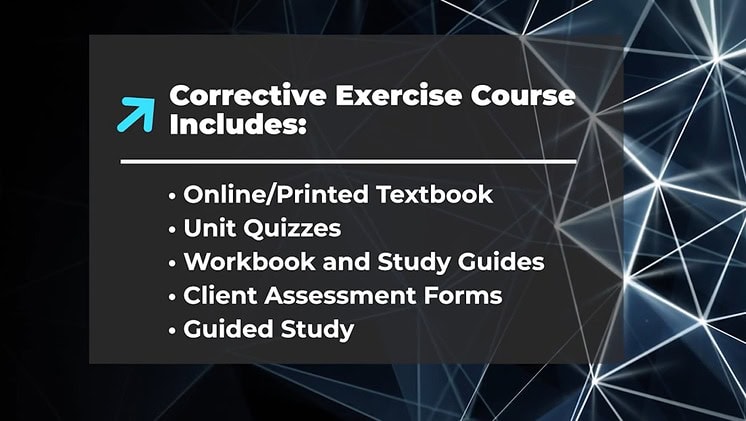
The CES is delivered through ISSA’s online learning platform. As a student, you will receive the following to help you in your studies:
- Video lectures
- A downloadable textbook
- A digital, fillable workbook
- Client intake and assessment forms
Online learning platforms can often be clunky and difficult to navigate. But the learning platform is something ISSA nails. The platform is easy to navigate and clearly organized. While many struggle with self-paced and need more strict motivation, the self-paced structure works well for professionals balancing training, coaching, or business responsibilities. This flexibility is necessary if, as a student, you are also balancing your career!
From a production standpoint, the video lectures are clear and instructional, though visually dated. While this does not reduce educational value, it is noticeable from a presentation perspective.
From a learning standpoint, the material is easy to digest. Concepts are introduced gradually and reinforced through repeated application in later sections of the course.
Student Support and Advisor Interaction
One of the more unexpected positives of the CES experience was the level of human support. Shortly after enrolling, I received a direct email from an assigned ISSA Fitness Advisor. This communication was personal rather than automated.
The advisor introduced himself, outlined his background as a Master Trainer, and offered to schedule a call to discuss:
- Career goals
- Certification pathways
- Gym partnerships
- Hiring pipelines
- Enrollment discounts and promotions
This level of proactive outreach is uncommon among online certifications. Combined with access to student success and financial support services, the overall support experience exceeded expectations.
Time Commitment and Realistic Workload
ISSA allows up to eight months to complete the CES, though most motivated trainers finish much sooner.
In practical terms:
- CPTs typically move quickly through the anatomy sections
- Movement analysis and corrective programming require the most focused study
- The workbook and assessment practice demand the greatest time investment
With consistent weekly effort, many trainers complete the course within six to ten weeks.
What the Industry Says About the ISSA CES
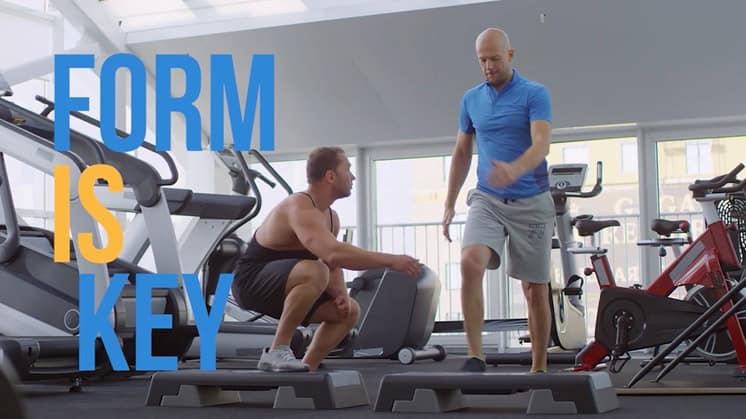
Across professional forums, training communities, and education review platforms, the ISSA Corrective Exercise Specialist is generally regarded as legitimate and practically useful.
Where the CES Is Consistently Praised
- Global accessibility
- Logical curriculum progression
- Strong emphasis on movement assessment
- Useful client documentation tools
- Solid return on investment for trainers expanding into corrective work
Where Criticism Is Most Common
- Some foundational chapters feel basic for experienced professionals
- Video production quality is dated
- Soft-tissue techniques remain introductory rather than clinical
- Learning depth depends heavily on student engagement
The prevailing consensus is not that the CES lacks credibility. Instead, its long-term value is closely tied to how seriously the student applies the material.
Strengths and Limitations of the ISSA CES
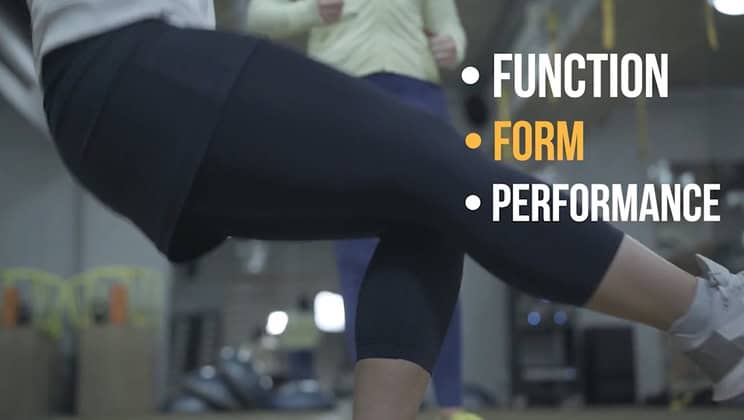
Key Strengths
- Clear corrective exercise framework
- Strong emphasis on movement assessment
- Practical client intake and analysis tools
- Logical progression from theory to application
- Solid student support infrastructure
- Global industry recognition
Key Limitations
- Not a medical or rehabilitation credential
- Soft-tissue techniques remain trainer-level
- Video production feels outdated
- Ongoing recertification requirements
Who This Certification Is Best For
The ISSA Corrective Exercise Specialist is well suited for:
- Certified personal trainers
- Strength and conditioning coaches
- Athletic performance coaches
- Trainers working with pain-aware or post-injury clients
- Coaches focused on longevity and injury prevention
It is not designed for:
- Licensed physical therapists
- Clinical rehabilitation specialists
- Practitioners seeking medical or manual therapy credentials
Is the ISSA Corrective Exercise Specialist Worth It?
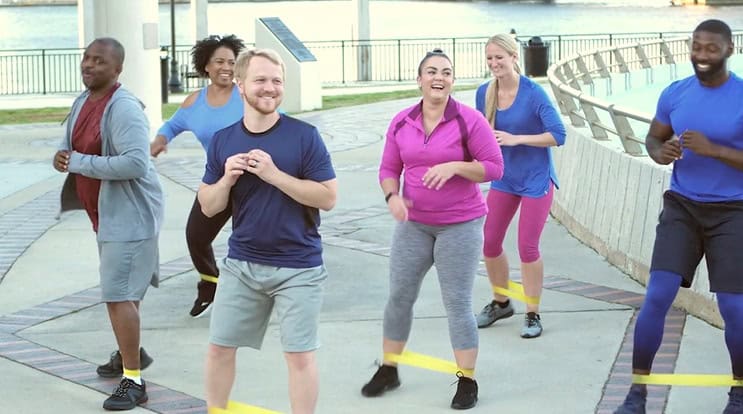
For trainers who already hold a CPT and want to improve their ability to assess movement, correct imbalances, and manage pain-aware clients, the ISSA CES represents a meaningful professional upgrade.
It is not a shortcut into rehabilitation and does not replace medical training. Within its intended scope, it allows trainers to coach with greater confidence, precision, and long-term perspective.
The ISSA Corrective Exercise Specialist certification delivers a structured and practical system for understanding movement and applying targeted corrective strategies. It moves trainers beyond generic programming and toward purposeful movement coaching based on observation and data.
For professionals who value both performance outcomes and long-term client health, the CES offers legitimate career value. It does not attempt to function as clinical therapy, which is something I appreciated about the course. Within the boundaries of professional training, it remains a respected and credible credential.
Frequently Asked Questions About the ISSA CES
Is the ISSA Corrective Exercise Specialist accredited?
Answer: The CES is a professional specialization. ISSA partners with accredited examination bodies for its core certifications, while the CES functions as a specialization add-on for qualified trainers.
How long does the ISSA CES take to complete?
Answer: Most motivated trainers complete the course in six to ten weeks, although ISSA allows up to eight months.
Is the ISSA CES exam difficult?
Answer: The exam is fair but requires a solid understanding of movement analysis and corrective programming rather than simple memorization.
Is the ISSA CES worth it for certified personal trainers?
Answer: For CPTs working with pain-aware clients, postural issues, or performance limitations, the CES is one of the more practically useful specializations available.
Can you get a job with only the ISSA CES?
Answer: The CES is intended as a specialization rather than a standalone entry-level credential. It works best alongside a CPT or strength and conditioning certification.
You might also be interested in:
- ISSA Nutrition Certification Review
- ISSA Yoga Fundamentals Course Review
- ISSA Weight Management Specialist Review
Related Posts:






Alt Protein Team is a team of professionals and enthusiasts committed to bringing you the most up-to-date information on alternative protein, health and wellness, workouts, and all things health-related. We’ve reviewed a lot of products and services so you don’t have to guess when you spend your hard-earned money on them. Whether you want to shed some pounds, build lean muscle or bulk, we can help you figure out what you need to do and what you need to have to achieve your goals.