
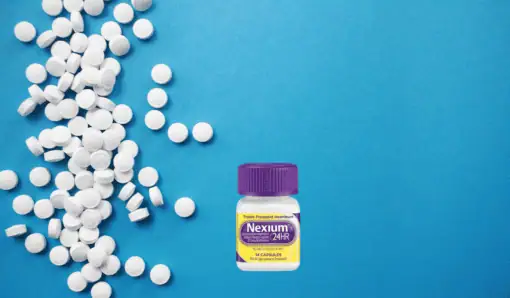
As a nurse, I hear this all the time: “Nexium helped at first, but I don’t want to stay on it forever. What else actually works?”
There are a lot of resources online that sort of answer this question, but most of them just lump everything together — antacids, H2 blockers, alginates — as if they solve the same issue.
In reality, they work very differently.
For example, Nexium (esomeprazole) is a proton pump inhibitor (PPI), which reduces stomach acid production over time. That’s helpful for certain conditions, but not every case of reflux is caused by excess acid. Many people are actually dealing with reflux mechanics — meaning stomach contents are moving upward, regardless of acidity. Even for those who can benefit from Nexium, it’s not exactly ideal for long-term use.
With that in mind, here are five of the best alternatives to Nexium, including how they actually work and how I feel about them.
1. Reflux Gourmet: Best Overall Drug-Free Alternative
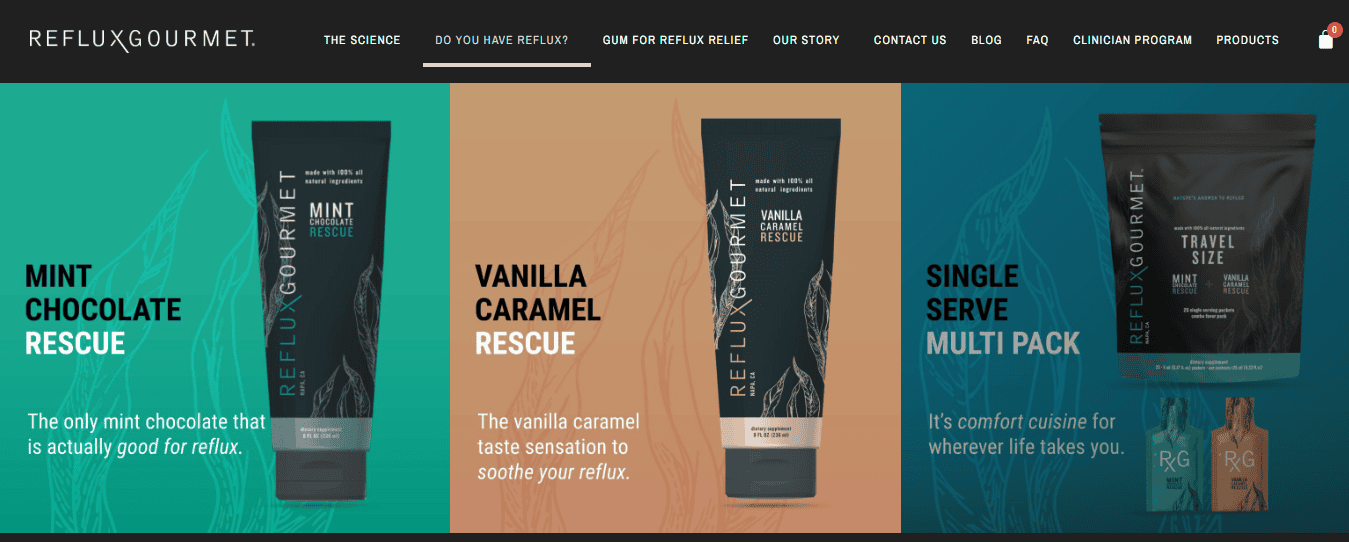
Instead of suppressing stomach acid, Reflux Gourmet is alginate-based, which means it forms a physical barrier that sits on top of stomach contents after you eat. This barrier helps reduce the upward movement of reflux into the esophagus and throat.
This is crucial because acid isn’t always the main problem. When reflux is triggered by meals, lying down, bending over, or throat sensitivity, lowering acid production doesn’t necessarily stop the event itself.
That’s why most alginate options are worth considering, but Reflux Gourmet in particular is specifically formulated as a high-alginate, drug-free barrier option designed for reflux management rather than just temporary symptom relief. It allows stomach acid to remain intact for digestion while targeting the upward movement of contents.
Pros
- Drug-free
- Doesn’t suppress acid
- Targets reflux directly
Cons
- Not designed for healing erosive esophagitis
- Works best when used consistently after trigger meals
Best for: Meal-triggered reflux, throat symptoms, regurgitation, nighttime reflux
2. Gaviscon Advance: Best Alginate Available in the U.K.
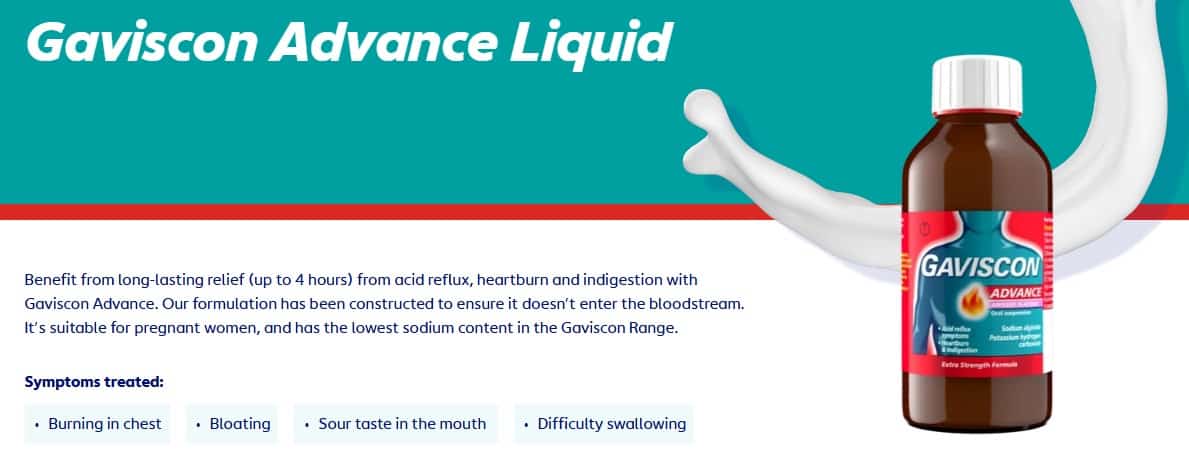
Gaviscon products are another common alternative, and their alginate options are a great, safe pick. Specifically, their best offering is their Advance product, which contains a higher concentration of sodium alginate compared to other formulations.
Like Reflux Gourmet, Gaviscon Advance forms a raft-like barrier that floats on top of stomach contents, helping to reduce reflux episodes without altering stomach acidity.
However, it’s not available in the U.S. It’s included here because it’s one of the most notable high-alginate formulations, but sourcing can be quite difficult outside of the U.K., and the sodium content may be a consideration for some individuals.
Pros
- Clinically studied alginate therapy
- Helpful for nighttime symptoms
- Non–acid suppressing
Cons
- Harder to source in the U.S.
- High sodium content (not ideal for everyone)
Best for: Nighttime reflux and post-meal symptoms
3. Pepcid AC: Best Occasional Acid Reducer
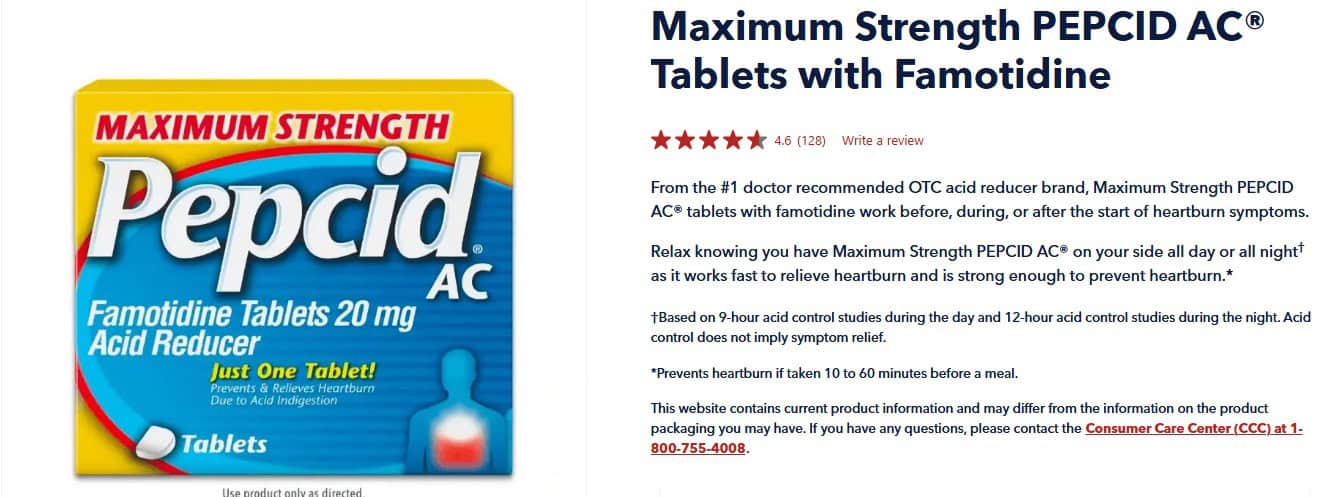
Pepcid AC lowers stomach acid by blocking histamine receptors that stimulate acid production. It tends to work faster than Nexium and does not shut down proton pumps entirely. It can be taken before a trigger meal or at bedtime for occasional symptoms.
This option is included because many people stepping down from Nexium don’t necessarily want zero acid control — they just don’t want daily PPI use. However, it still suppresses acid. It doesn’t prevent reflux events and may become less effective with frequent daily use due to tolerance.
Pros
- Faster onset than PPIs
- Can be taken as needed
- Less commitment than daily PPI use
Cons
- Can lose effectiveness with daily use
- Weaker than PPIs for severe reflux
Best for: As-needed acid control without daily PPI use
4. Tums: Best for Fast, Short-Term Relief

Tums work by neutralizing acid already present in the stomach. It does not prevent reflux events or change acid production over time.
Many people reach for it first when symptoms flare, and for mild, infrequent heartburn, it can be enough. However, for chronic reflux, nighttime symptoms, or regurgitation, antacids rarely provide lasting benefit.
Because antacids work after acid is already present, they don’t prevent reflux episodes or reduce the pressure that pushes contents upward. For people with regurgitation or throat symptoms, this is often why antacids feel incomplete. They treat the burn, not the movement.
Pros
- Provides very fast relief
- Easy to find
- No acid suppression
Cons
- Very short duration
- Not helpful for chronic reflux
Best for: Immediate, occasional symptom relief
5. FDgard: Best for Upper GI Sensitivity and Functional Symptoms
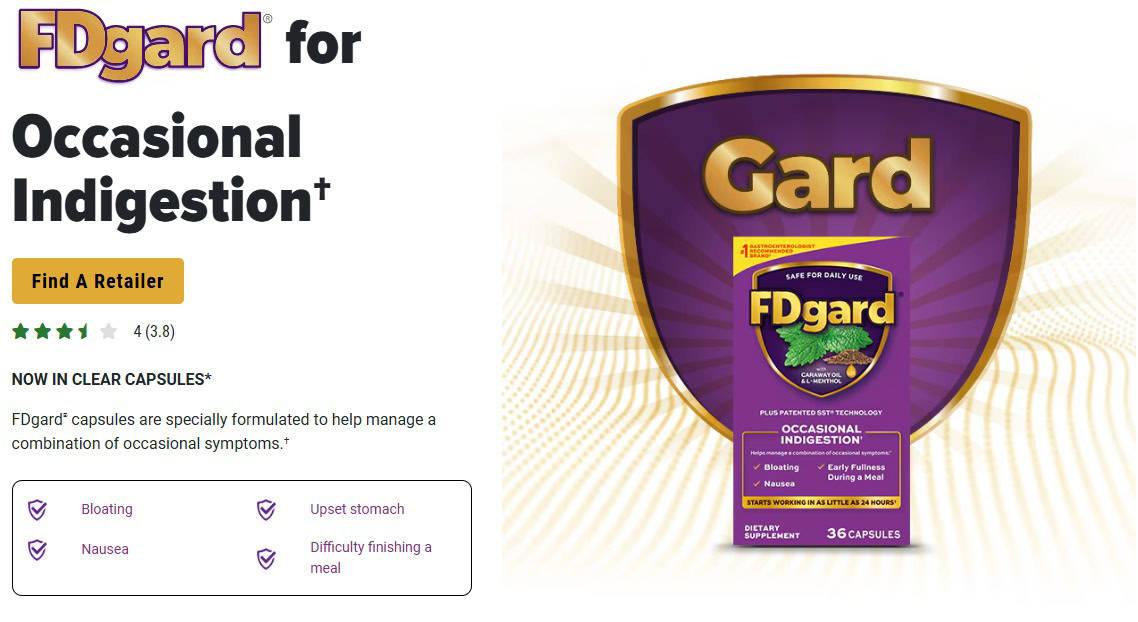
FDgard is a peppermint oil formulation designed for upper gastrointestinal discomfort, including bloating and functional dyspepsia.
It’s included here because reflux symptoms are often misidentified, and not every upper GI complaint responds to acid suppression. For example, many people who think they have “acid reflux” are actually experiencing upper GI sensitivity or delayed gastric emptying rather than classic, acid-driven heartburn.
That said, peppermint can relax the lower esophageal sphincter in some individuals, which may worsen reflux for certain people. It’s not a first-line replacement for Nexium, but it may help if symptoms are more related to upper abdominal discomfort rather than burning regurgitation.
Pros
- Non–acid suppressing
- Targets upper GI discomfort
- Drug-free
Cons
- Not designed specifically for reflux
- May worsen symptoms in some people
Best for: Functional dyspepsia, upper abdominal discomfort
Replacing Nexium with an Effective Alternative
Nexium remains appropriate when:
- There is documented esophageal damage
- Symptoms are severe and daily
- A clinician recommends acid suppression
However, while Nexium reduces irritation, it doesn’t stop stomach contents from moving upward. For some people, that distinction determines whether symptoms actually improve. That’s why barrier-based options like Reflux Gourmet often appear in “what finally worked for me” stories — not because they’re stronger, but because they address a different mechanism.
But most people who stop Nexium don’t replace it with just one thing.
They usually combine:
- A barrier-based option after meals
- An H2 blocker as needed
- Lifestyle tweaks that reduce reflux pressure
Which Nexium Alternative Is Best?
If you’re looking for a drug-free alternative to Nexium, Reflux Gourmet stands out because it addresses reflux mechanically instead of chemically.
Even if Nexium is effective for you, alginate-based options are good long-term options because they don’t alter your stomach chemistry and don’t come with a laundry list of potential side effects.
Related Posts:






Stephanie Wright, RN, BSN is a registered nurse and health writer with over 15 years of experience spanning bedside care, managed care, utilization review, and population health. She
also has a background in communications, which informs her ability to translate clinical evidence into clear, patient-centered health content. Her work focuses on chronic disease
management, prescription medications, preventive care, and healthcare navigation. Stephanie brings a strong, evidence-based perspective to consumer health writing and is passionate about
helping readers understand their options and feel confident advocating for their care.