

When looking for solutions to acid reflux, you’ve probably seen posts asking:
“I stopped pantoprazole — what should I take instead?”
The problem is that most lists lump everything together — antacids, H2 blockers, alginates — as if they work the same way, when in reality they function quite differently.
That’s why some alternatives work well for certain people and fall flat for others.
Instead of grouping categories, here are specific alternatives, ranked by how they actually work — with one clear standout.
1. Reflux Gourmet – Best Overall Drug-Free Alternative to Pantoprazole
Type: Alginate barrier therapy
Best for: Meal-triggered reflux, nighttime symptoms, throat irritation, regurgitation
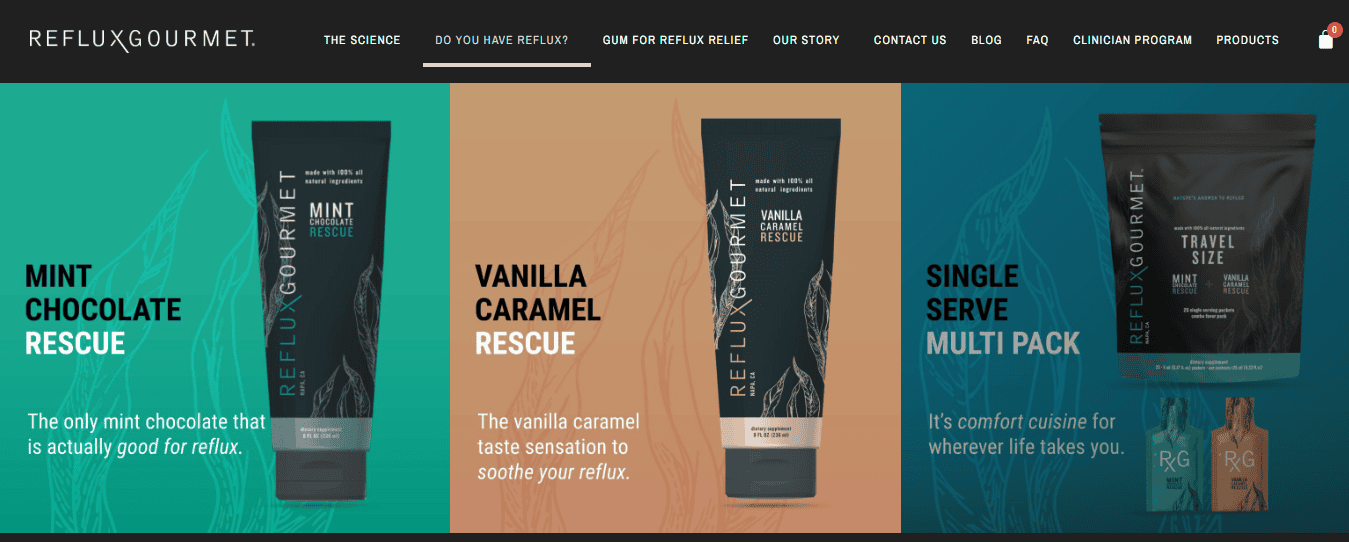
Reflux Gourmet doesn’t suppress acid. Instead, it forms a physical barrier that sits on top of stomach contents to help prevent reflux from rising into the esophagus or throat.
Because pantoprazole reduces acid production gradually over time, it doesn’t directly stop reflux events from occurring. For people whose symptoms are more positional or pressure-related, that distinction can be significant. In those cases, a barrier approach may feel more targeted.
Pantoprazole changes the acidity of your stomach, whereas Reflux Gourmet focuses on the reflux event itself.
Many people prefer this approach because digestion remains intact. It doesn’t alter stomach chemistry and instead focuses on the mechanical aspect of reflux.
It tends to work best when symptoms are meal-triggered, worsen when lying down, or present primarily as throat irritation or regurgitation. It’s also a logical option for anyone specifically looking to avoid acid suppression.
Pros
- Drug-free
- Doesn’t suppress acid
- Can be used after meals or before bed
- Targets reflux directly
Cons
- Not intended to heal erosive esophagitis
- Works best when used consistently
For many people stepping away from acid suppression, this is often the most logical starting point.
2. Gaviscon Advance (UK Formula) – Strong Alginate Alternative
Type: High-strength alginate formulation
Best for: Nighttime reflux and post-meal symptoms
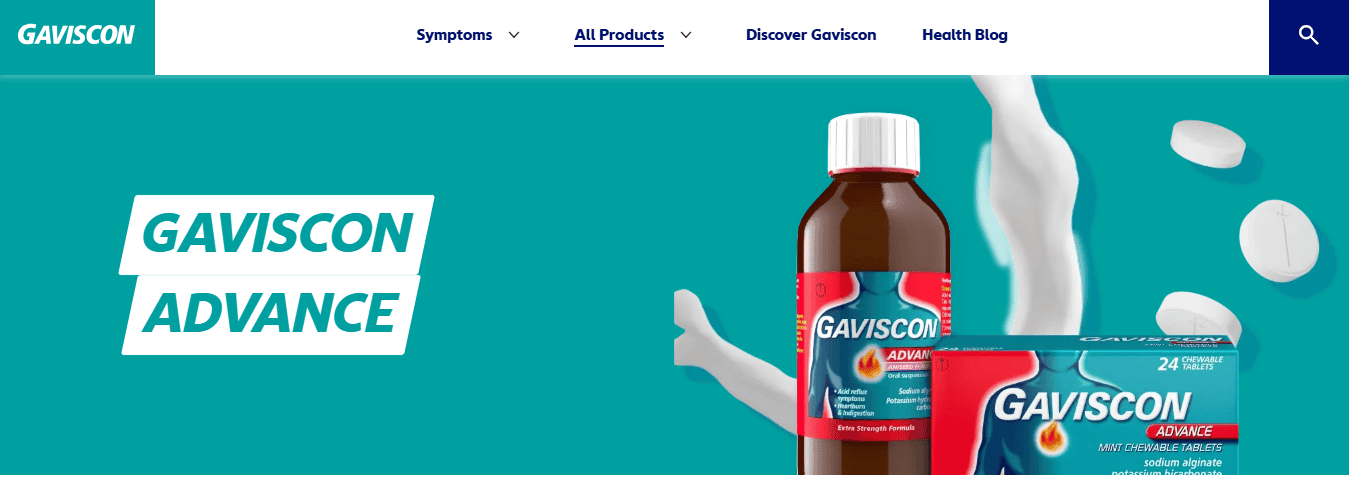
Not all Gaviscon products are the same. The UK “Advance” formula contains a higher concentration of sodium alginate than U.S. versions.
Like Reflux Gourmet, it forms a protective raft barrier that floats on top of stomach contents. It does not suppress acid and tends to work best when taken after meals or before bed. It’s often considered when someone wants a more established, pharmacy-style alginate product rather than a specialty formulation.
Pros
- Established alginate therapy
- Particularly helpful at night
Cons
- Harder to source in the U.S.
- Contains sodium
For those wanting a more traditional alginate blend, this is commonly compared — though experience and texture differ.
3. Pepcid AC (Famotidine) – Best Occasional Acid Reducer
Type: H2 blocker
Best for: Situational acid control without daily PPI use
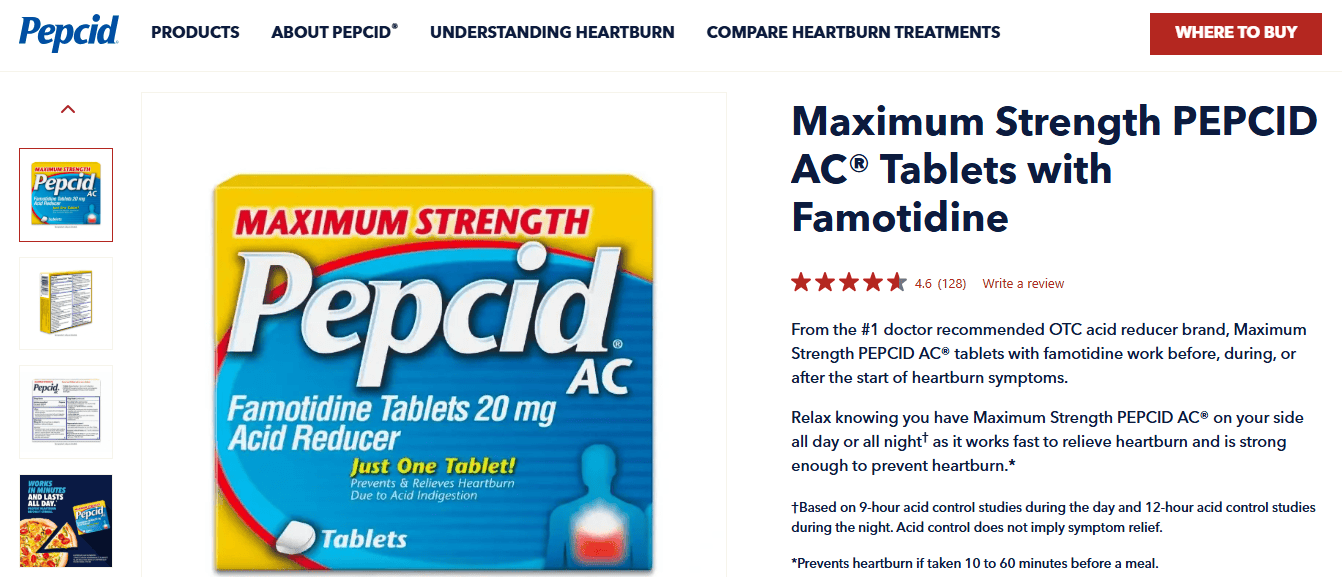
Pepcid AC lowers acid by blocking histamine receptors rather than proton pumps. Compared to pantoprazole, it works faster, can be taken as needed, and often feels less “all-or-nothing.”
This makes Pepcid appealing for people who want flexibility. Instead of committing to daily acid suppression, they can use it strategically around trigger foods or stressful periods. However, because it still reduces acid production, it doesn’t address the mechanical component of reflux.
Pros
- Good for occasional symptoms
- Easier step-down option
Cons
- Tolerance can develop
- Not strong enough for severe daily reflux
It still suppresses acid — just in a different way.
4. Tums (Calcium Carbonate) – Fastest Short-Term Relief
Type: Antacid
Best for: Quick, occasional symptom relief
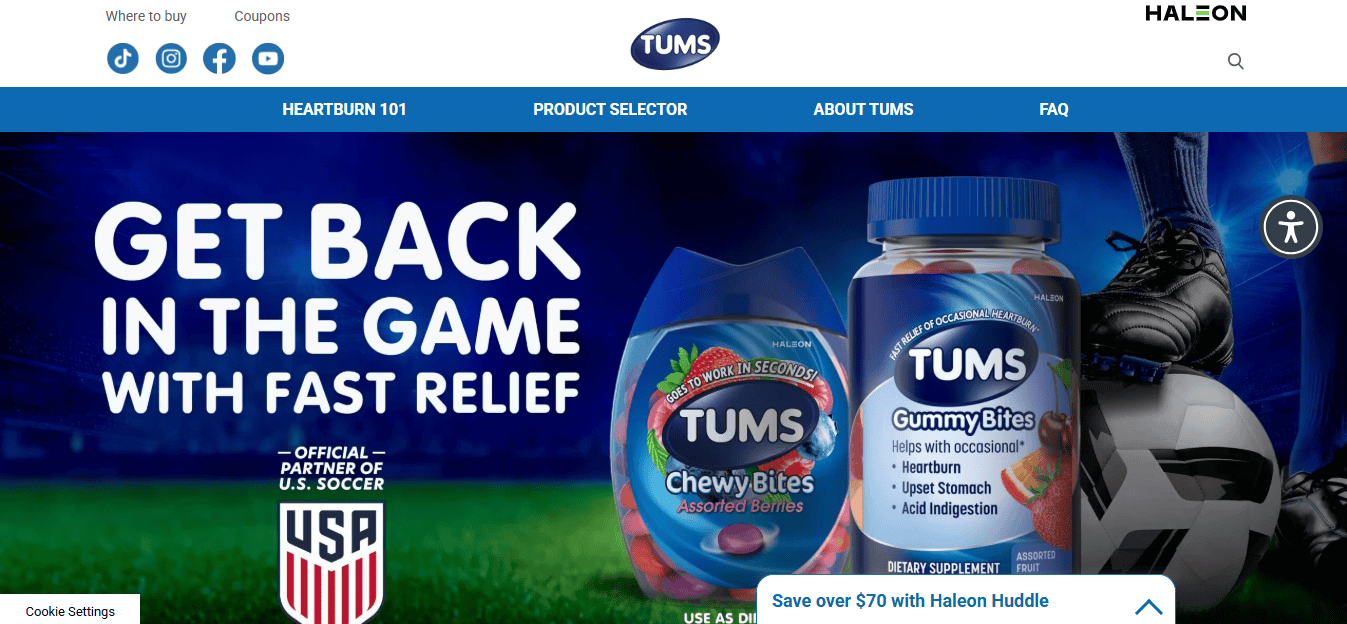
Tums neutralizes acid already present in the stomach.
That means it works after symptoms begin rather than preventing them. They can calm burning fairly quickly, but they don’t stop stomach contents from moving upward, and they don’t reduce how much acid the stomach produces long term.
Pros
- Immediate relief
- Widely available
Cons
- Short duration
- Not helpful for chronic reflux
- Doesn’t address mechanical reflux
For someone with occasional heartburn, that may be enough. But for people with chronic reflux, nighttime symptoms, or throat irritation, antacids often feel incomplete. Think of it as a rescue tool, not a long-term strategy.
Lifestyle-Based Programs (Meal Timing and Positioning Strategies)
While not a product, structured reflux-friendly routines are often combined with barrier therapy.
In practice, the changes that tend to make the biggest difference include avoiding lying flat after eating, finishing dinner earlier in the evening, eating smaller meals, identifying personal trigger foods, and, when appropriate, addressing weight-related pressure.
These adjustments won’t replace medication for everyone, but they often determine whether alternative approaches succeed or fail.
How These Compare to Pantoprazole

Pantoprazole works by suppressing acid production at the proton pump level.
Acid suppression can reduce irritation, but it doesn’t prevent stomach contents from moving upward. If reflux is driven more by pressure or positioning than acid levels, reducing acid alone may not resolve symptoms. That’s why some people feel better switching approaches.
This approach is ideal for conditions like erosive esophagitis, ulcers, and chronic, severe daily reflux.
Less ideal when:
- Symptoms are meal-triggered
- Reflux is positional
- Throat symptoms dominate
This is where barrier-based products like Reflux Gourmet often outperform acid suppression.
How People Successfully Transition Off Pantoprazole
Most people don’t replace pantoprazole with just one product.
They combine:
- An alginate after meals (like Reflux Gourmet)
- Pepcid as needed
- Lifestyle adjustments
In most cases, success depends on choosing the right combination of tools.

When Pantoprazole Still Makes Sense
PPIs still have an important role in treatment.
Pantoprazole is still appropriate when:
- There’s confirmed esophageal damage
- Symptoms are severe and daily
- A clinician recommends acid suppression
The goal is to match the treatment approach to the underlying cause of symptoms and the specific reflux pattern involved.
Bottom Line
If you’re looking for a drug-free alternative to pantoprazole, Reflux Gourmet stands out because it addresses reflux mechanically instead of chemically.
For many people — especially those with meal-related or throat-dominant symptoms — that distinction can make a noticeable difference.
Related Posts:





Stephanie Wright, RN, BSN is a registered nurse and health writer with over 15 years of experience spanning bedside care, managed care, utilization review, and population health. She
also has a background in communications, which informs her ability to translate clinical evidence into clear, patient-centered health content. Her work focuses on chronic disease
management, prescription medications, preventive care, and healthcare navigation. Stephanie brings a strong, evidence-based perspective to consumer health writing and is passionate about
helping readers understand their options and feel confident advocating for their care.